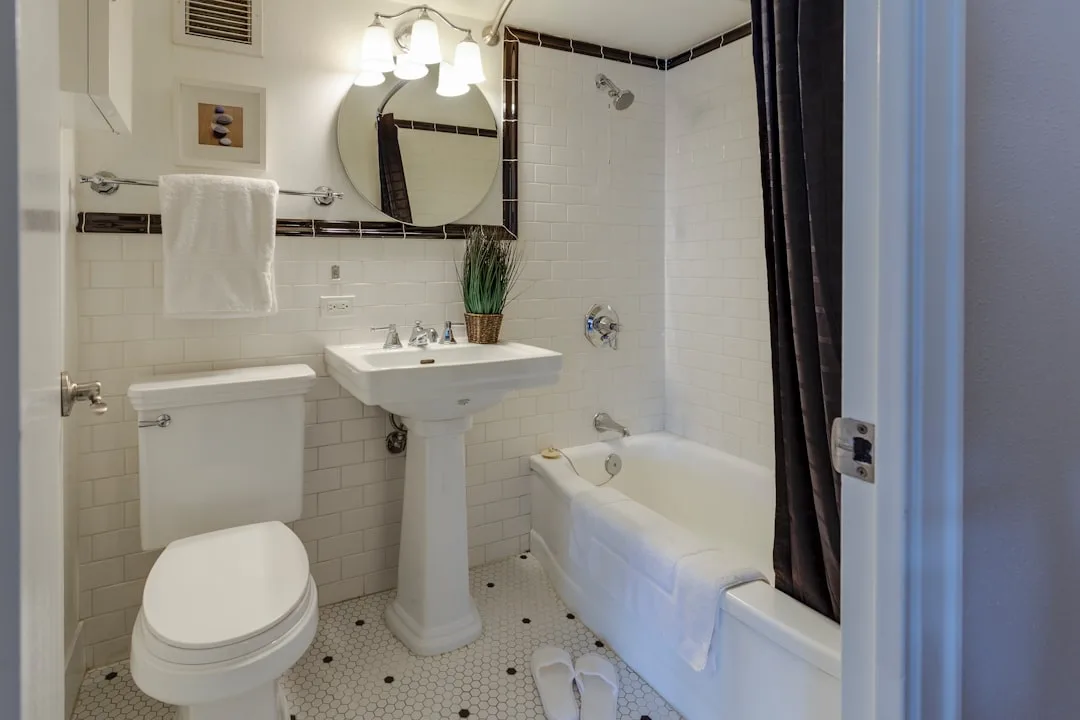
Most homeowners seal their bathroom tiles once and assume the job is done forever. Bathroom tile grout sealing, however, is not a one-time event—it’s an ongoing maintenance discipline that separates homes that stay dry from those that rot from within. Unsealed grout is porous limestone-based material that acts as a capillary pump, pulling moisture directly into the substrate beneath your tiles, where it feeds mold colonies and weakens the structural bond between tile and wall.
Why Grout Fails Without a Proper Seal
Grout itself is approximately 80% sand and 20% cement binder by weight, which makes it naturally absorbent. Within 72 hours of exposure to bathroom moisture—shower spray, condensation, floor splashes—unsealed grout begins to absorb water molecules. This moisture doesn’t simply evaporate; it migrates downward into the mortar bed, the substrate layer, and eventually the framing.
The Tile Council of North America published guidelines recommending that all grout in wet areas be sealed within 48 hours of grouting and resealed every 1 to 3 years depending on grout type and bathroom traffic. Epoxy-based grouts offer longer intervals between sealing, while Portland cement grouts require more frequent maintenance. Most homeowners ignore this timeline and only notice a problem when they see discoloration, feel soft spots in tile, or smell musty odors.
Water that penetrates grout creates an ideal environment for black mold, which thrives in damp, dark cavities where airflow cannot reach. Once mold establishes itself, it spreads horizontally along the substrate and vertically through drywall, making remediation far more expensive than prevention.
Quick Tips
- Apply penetrating sealer within 48 hours of grouting, before water exposure occurs
- Test grout annually by placing a water droplet on a grout line—if it beads, the seal is intact; if it absorbs, reseal immediately
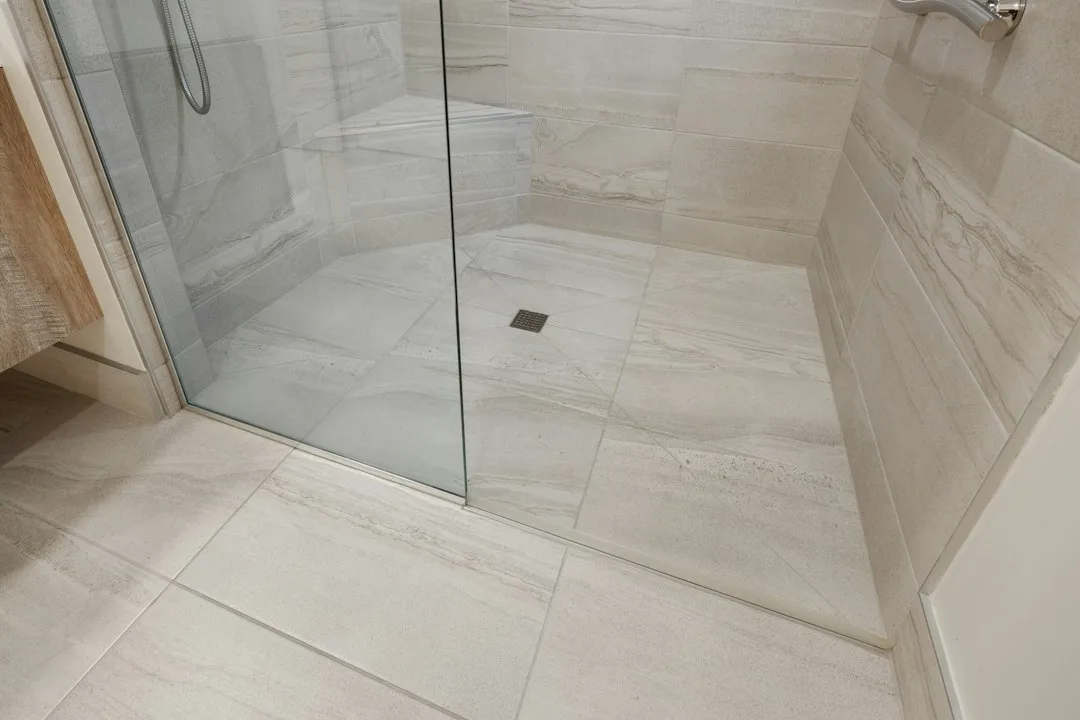
- Use a brush or applicator bottle to apply sealer directly to grout lines, not tile faces
- Allow 72 hours cure time before exposing sealed grout to moisture again
- For shower areas, consider membrane systems under tile rather than relying on grout seal alone
Sealing Technologies and Materials That Actually Work
The market offers three primary grout sealing approaches: penetrating sealers, membrane sealers, and epoxy grout itself. Aqua Mix Sealer’s Choice Gold is a penetrating sealer that bonds chemically with grout particles without creating a visible surface film; it allows grout to remain breathable while blocking water intrusion. This category of sealer typically costs in the $30–50 range per quart and covers roughly 150–200 linear feet, depending on grout line width.
Membrane sealers like TileLab Grout Sealer create a thin plastic barrier on the grout surface that physically blocks water. These are more visible (they may darken grout slightly) but offer superior water repellency in high-moisture zones like shower floors. The trade-off is reduced breathability, which can trap moisture if the substrate is not properly ventilated underneath.
| Sealer Type | Water Beading | Reapplication Interval |
|---|---|---|
| Penetrating (Aqua Mix) | Moderate | 1–2 years |
| Membrane (TileLab) | Excellent | 2–3 years |
| Epoxy Grout (Pre-sealed) | Superior | 5+ years |
| Urethane Caulk (Grout Alternative) | Excellent | 3–5 years |
Epoxy-based grouts are manufactured with resin binders that cure into a non-porous matrix. Brands like Kerapoxy by Mapei or EpoxyShield by Rust-Oleum eliminate the need for post-installation sealing altogether. These cost more upfront during installation but reduce long-term maintenance significantly. For grout lines wider than 1/8 inch, many tile professionals now recommend urethane caulk instead of rigid grout, since it flexes slightly and accommodates seasonal substrate movement without cracking.
The Number One Mistake: Sealing Too Early or Too Late
The most common failure occurs when homeowners or contractors seal grout before it has fully cured. Grout curing is a hydration process that requires 48–72 hours for Portland cement-based products; sealing it earlier traps water inside the grout and prevents proper crystallization, leaving grout weak and prone to crumbling. The opposite mistake—waiting weeks or months to seal—allows the grout to absorb so much ambient moisture that the sealer cannot penetrate deeply and provides only surface-level protection.
Consider this real scenario: A bathroom renovation in late March includes new tile installation on walls and floor. The contractor applies grout on a Friday but the homeowner’s plumber tests the shower on Sunday to check for leaks, creating standing water in the ungrouted corners. When the contractor returns on Monday and applies sealer, the substrate has already absorbed moisture that the sealer cannot fully penetrate. By June, dark mold appears along the lower grout lines, requiring complete tile removal and substrate replacement—a $6,000 remediation that could have been prevented with a single weekend of patience and a $40 bottle of sealer.
The timing window is critical. Count 48 hours from final grout application, confirm the grout is completely dry (no remaining moisture sheen), and apply sealer within the next 24 hours. Mark this date on a calendar or phone reminder.
Moisture Detection and Annual Maintenance Testing
After the initial seal, the best diagnostic tool is a simple water droplet test, performed every 6–12 months in high-moisture areas like shower surrounds. Place a single drop of water on a grout line; if it beads up and rolls off, the seal is functional. If it absorbs and disappears, the grout is no longer protected and resealing should happen within the next 2–4 weeks before the rainy season or increased shower use begins.
Commercial grout sealer manufacturers like Miracle Sealants recommend testing in three zones: the shower floor (highest moisture), the shower walls at mid-height, and the bathroom floor near the door. If all three zones absorb water, the entire bathroom grout needs resealing. If only the shower floor shows absorption, you may refresh only that zone to reduce material waste.
Many homeowners also integrate humidity monitoring by installing a small hygrometer (around $15–25) in the bathroom. If relative humidity regularly exceeds 60%, the bathroom ventilation system may be undersized, and moisture will overwhelm even a fresh grout seal. In this case, upgrading to a larger exhaust fan or adding a timer-controlled dehumidifier addresses the root cause rather than applying sealer as a band-aid.
Integration with Broader Waterproofing Strategy
Grout sealing is one layer in a complete bathroom waterproofing system, not the only layer. The most comprehensive waterproofing approaches combine multiple barriers: a vapor barrier or waterproof membrane beneath the substrate, grout sealing on the surface, and a secondary drainage plane behind the tile assembly. In wet areas like steam showers or commercial bathrooms with high moisture exposure, building codes now mandate a waterproof substrate membrane (such as Kerdi by Schlüter-Systems or RedGard) installed before tile, which provides insurance if grout eventually fails.
For renovation work, standard bathroom upgrades should account for moisture barriers as a baseline system, with grout sealing as an essential secondary safeguard. This two-layer approach reduces mold risk by approximately 90% compared to grout sealing alone.
When to Invest in Professional Resealing
While grout sealing is a DIY-accessible task, professional resealing in an existing bathroom offers precision that prevents over-application on tile faces (which can create haze and discoloration). A professional service typically includes grout line cleaning, drying, sealing application, and cure-time protection—roughly 4–6 hours of labor for an average master bathroom. This costs in the $300–500 range and ensures thorough coverage without wasted sealer on adjacent tile surfaces.
For bathrooms with existing mold or water damage, professional remediation should precede any new sealing. Sealing grout over active mold simply traps moisture and accelerates rot; the underlying mold must be removed, the substrate allowed to dry completely, and only then sealed. This process can take 1–2 weeks depending on damage severity and is not a DIY project.