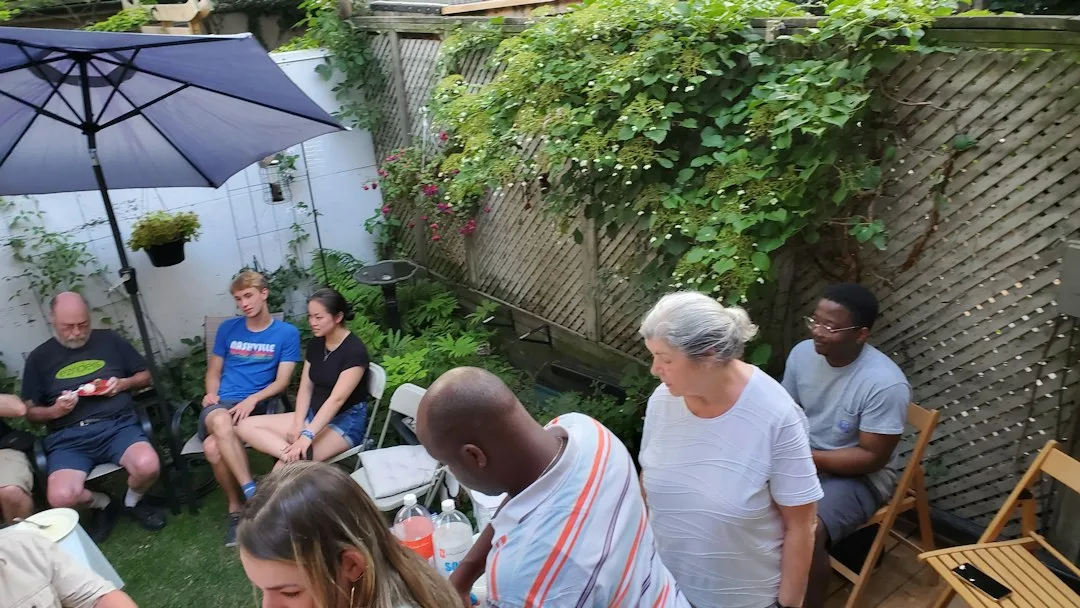
Across 2026, the largest summer events you’ll witness aren’t sprawling 200-person backyard festivals—they’re deliberate 30 to 50-guest celebrations where every attendee matters. The shift away from massive outdoor parties began quietly in spring but now dominates how people plan June through August gatherings. Intimate summer event planning has become the signal of intentional entertaining, replacing the open-door, all-relatives-invited model.
Why Host Size Became a Status Signal
Three years ago, larger outdoor summer parties signaled success and generosity. In 2026, exclusivity signals care: the ability to host only people you genuinely want to spend time with matters more than headcount.
Williams-Sonoma’s entertaining division reported in mid-2026 that tableware purchases for 30-50 guest events surged 62% compared to bulk party supplies for 100+ gatherings. This reflects a real behavioral shift, not just marketing.
When you limit your guest list, you can afford better food, meaningful seating arrangements, and actual conversation. Hosts no longer feel obligated to invite their neighbor’s sister’s friend.
Quick Tips
- Create a “core circle” of 25-35 people before adding overflow guests
- Plan seating areas with 6-8 people per table to encourage group conversation
- Budget 40% more per-person spending on food and drink than large-scale parties
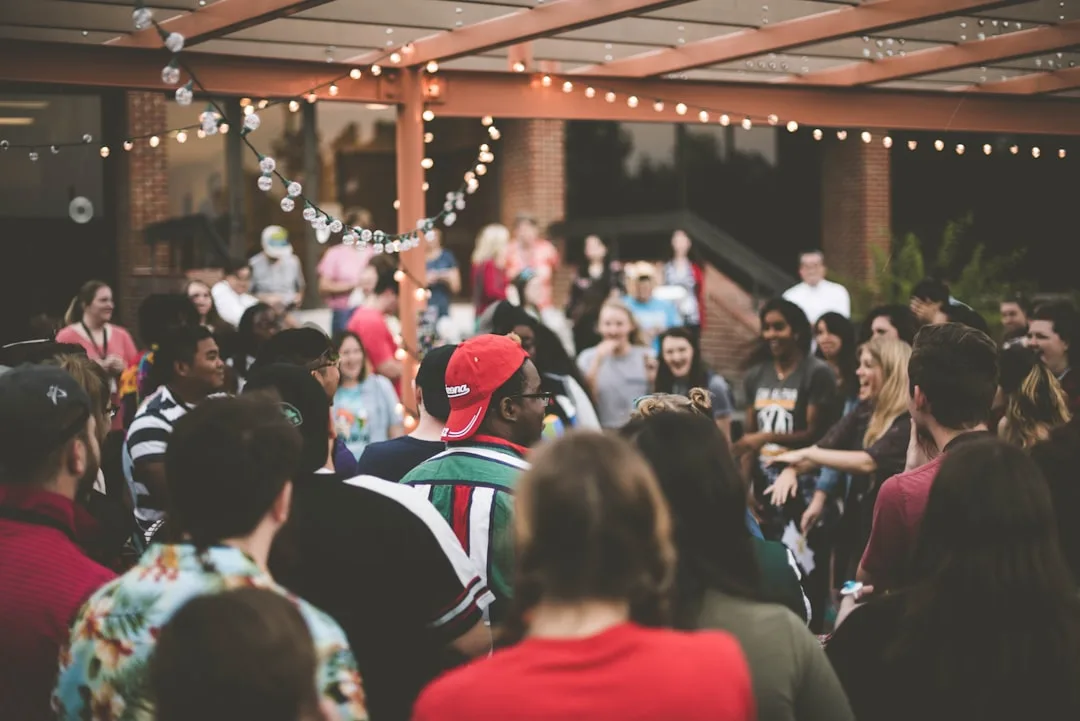
- Use outdoor string lighting and small focal point areas rather than trying to fill an entire yard
- Send physical invitations two weeks ahead—digital RSVPs work, but handwritten envelopes feel intentional
How Physical Space Design Changed for Smaller Groups
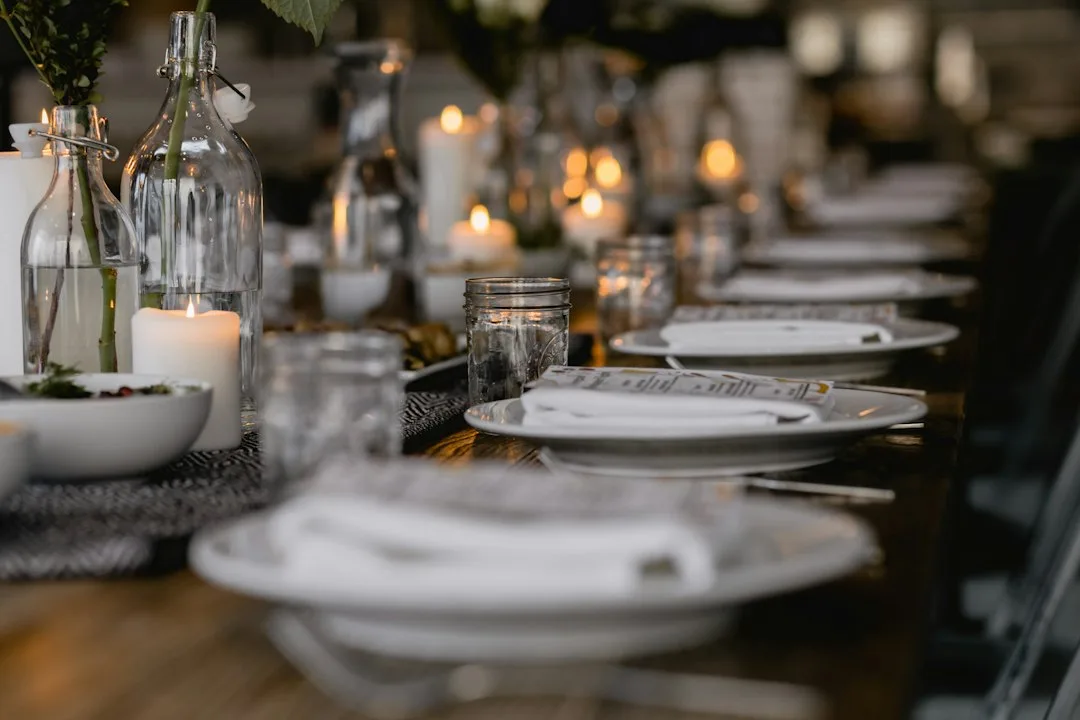
Crate and Barrel’s outdoor furniture consultants noted that summer 2026 clients are buying intimate seating zones instead of stadium-style lawn setups. A single long communal table for 30 now replaces six round tables scattered across a yard.
This design choice forces proximity and shared focus. Rather than guests fragmenting into separate conversations across a large lawn, a 20-foot harvest table creates one flowing event with natural left-right movement and dialogue.
| Party Style | Guest Count | Setup Strategy |
|---|---|---|
| Large sprawl | 100-200 | Multiple zones, buffet stations, minimal interaction |
| Intimate outdoor | 30-50 | Single focal point, shared table or clustered seating |
| Micro-gathering | 12-20 | Lounge seating, fire pit, high-touch host interaction |
| After-work social | 40-60 | Standing reception with high-top tables and walking routes |
The Mistake Hosts Make: Inviting Too Many Out of Obligation
The #1 error in 2026 intimate summer event planning is starting with a “must-invite” list of 80 people, then trying to shrink it. This backwards approach creates resentment: you’ll feel guilty excluding someone, so you end up inviting them anyway, and your event loses its intentional character.
Instead, start with your core 25-30: people you’ve seen in the past six months, friends whose company genuinely energizes you, colleagues you actually want to know better. Build outward from there only if your venue and budget allow.
A host in Portland, Oregon who attempted this in June 2026 initially compiled 120 names from wedding lists and holiday parties. After cutting ruthlessly to 35 actual first-choice guests, her July dinner felt like a real gathering—not an obligation theater. She received five unsolicited thank-you messages from attendees saying it was the first “real” summer party they’d attended all year.
Food and Beverage Strategy for 40-Guest Intimacy
Smaller guest counts allow regional, seasonal catering that mass-scale parties can’t support. Local caterers like Destination Wedding Events Drive Luxury Travel Growth in 2026 sources work increasingly with intimate summer hosts because 40-person budgets allow them to source from farmers’ markets rather than bulk suppliers.
The typical intimate summer event in 2026 budgets $35–60 per person for food and non-alcoholic beverages combined. This replaces the $12–18 per-person buffet approach of earlier years, because fewer guests means higher investment per plate.
Family-style serving (shared platters passed around the table) replaced plated service at intimate gatherings. This increases interaction and reduces kitchen stress for hosts.
Invitations and Tone Matter More Than Decor
Intimate summer events succeed on tone, not decoration. Hosts send invitations 14–21 days in advance through printed cards or direct calls, not Facebook events. This signals that the gathering is intentional and not a last-minute backyard spillover.
Evite and Paperless Post reported in August 2026 that stationary invitation orders for summer gatherings surged 45%, while digital-only invites declined. Handwritten details (even a simple line about why you wanted that specific person there) converted to higher attendance and more engaged guests.
Decor remains minimal: string lights, lanterns, cut flowers in simple vases. The focus stays on people, not on Instagram-worthy backdrop construction. Corporate Team Building Events 2026 — Why Hybrid Experiences Drive Employee Retention shares this same principle of human connection over visual excess.
Summer 2026 Proves Intentionality Trumps Scale
The data is clear: intimate summer event planning generates measurable social return. Guests remember smaller gatherings more vividly, refer hosts to others more often, and accept future invitations more readily than attendees of large outdoor parties.
Summer 2026 is the era when saying “no” to inviting someone became an act of respect—respect for your own hosting capacity and respect for guests who deserve genuine attention. That constraint created the most talked-about outdoor celebrations of the season.
FAQ
What size is considered an intimate summer event in 2026?
How far in advance should I send invitations for a small summer party?
Is it rude to have a small guest list if I know lots of people?
What's the best food strategy for 35–40 guests in a home setting?
Should I hire a caterer for a 40-person intimate summer event?
What outdoor decor works best for intimate gatherings?
Complete guide
Exterior Decor Ideas Every Homeowner Should Know
Facade trim, moldings, patio design, garden, hardscape, outdoor living — all in one place