The automotive market just experienced a seismic shift that most industry forecasters missed. Hybrid vehicle registrations surged to 13.6% in the first quarter of 2025, continuing a relentless upward trajectory from 11.3% in 2024 and just 8.8% in 2023. Meanwhile, electric vehicle registration growth stalled at 7.8%, signaling that hybrid vehicles consumer preference has fundamentally rewritten what buyers actually want.
This isn’t a temporary correction. By the end of 2024, hybrids accounted for approximately 60% of all electrified vehicle sales in the U.S.—a stunning statistic that reveals the real narrative: consumers aren’t rejecting electrification, they’re rejecting the all-or-nothing mandate that federal policy once pushed.
The numbers tell a story of practicality winning over ideology. EVs on Carfax have soared more than $3,600 (up 11.9%) since the beginning of 2026, driven largely by jumping oil prices that have made used EV inventory suddenly expensive relative to used hybrids.
Toyota Camry Leads the Comeback with Affordability
The 2026 Toyota Camry is the best-selling new car in America right now with 70,942 units sold in the last 45 days. That’s not a typo. A sedan—traditionally written off by trend forecasters—is dominating the charts because it costs what real people can actually pay.
The Camry has an average listing price of $36,905 with 23,945 units currently on dealer lots. At that price point, buyers get reliability, 50+ mpg combined efficiency in hybrid trim, and no range anxiety. They get flexibility: fill up at any gas station, drive 500 miles without planning a charging stop.
This is the practical victory that matters. Trucks and SUVs continue to dominate the top of the charts, but sedans are making a genuine comeback thanks to rising gas prices and more affordable starting prices.
Quick Tips
- Compare total cost of ownership over 5 years, not sticker price alone—hybrids win on fuel and maintenance.
- Test both highway and city driving; hybrids shine in mixed-use patterns where pure EVs lose efficiency.
- Check dealer inventory now; Camry lots have 23,945+ units, giving genuine negotiation leverage.
- Avoid the sunk-cost trap of chasing EV tax credits that ended in 2025; focus on what makes sense today.
Hyundai Tucson Proves Hybrid SUVs Are the Real Market Driver
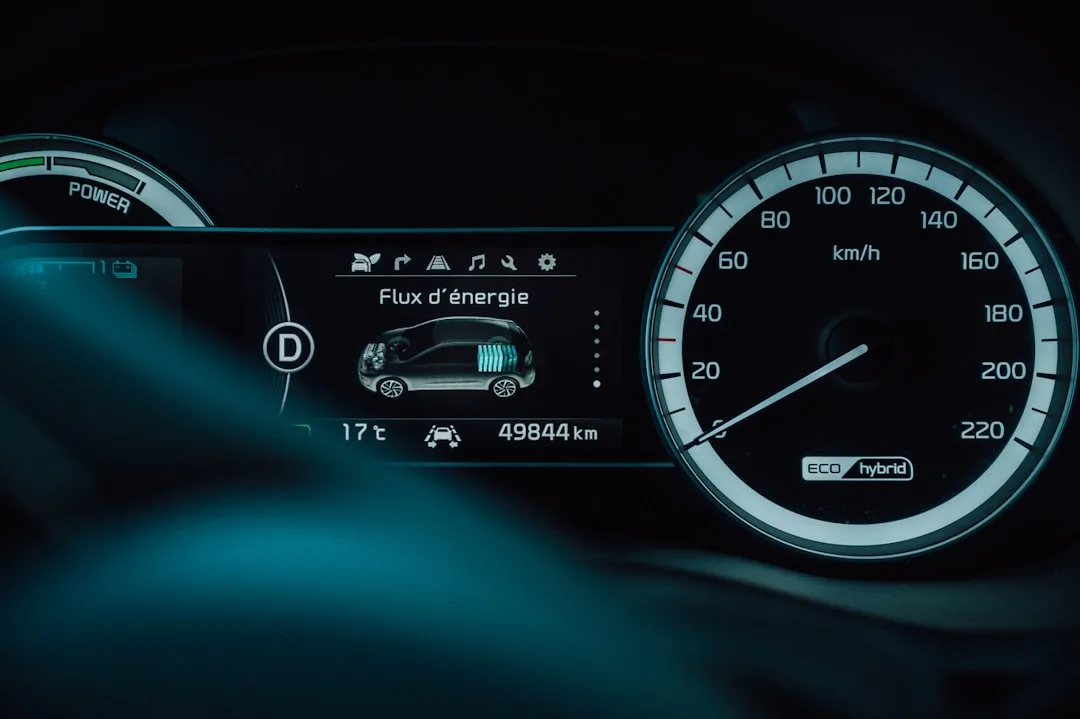
While sedans surge, the Hyundai Tucson is showing that hybrid powertrains work across every vehicle category. Nearly 21,000 Tucsons were sold in May alone, positioning Tucson as Hyundai’s bestselling model. That’s SUV-sized practicality with hybrid efficiency—exactly what post-subsidy buyers want.
The Tucson hybrid combines a 2.0-liter turbo engine with electric motors, delivering flexibility that a pure EV SUV cannot match. You can skip the charging infrastructure entirely if needed, yet still cut fuel consumption by 40% versus a gas-only version.
| Vehicle Type | Q1 2025 Registration Share | Key Advantage |
|---|---|---|
| Hybrid Vehicles | 13.6% | Affordability + charging flexibility |
| Electric Vehicles | 7.8% | Zero emissions + low operating cost |
| Gas-Only Vehicles | 78.6% | Lowest purchase price + universal infrastructure |
| Hybrids % of Electrified | 60% (end 2024) | Real-world practicality over mandates |
Why the EV Incentive Ending Changed Everything
Federal EV tax credits ended in 2025. This wasn’t an accident or a policy reversal—it was the moment the training wheels came off. When subsidies prop up demand for a technology not ready for mass adoption, removal reveals the true market signal.
Before the credits vanished, EV prices were artificially lower. Consumers shopping at the sticker price didn’t see the full cost: the tax credit was doing the work. Once those credits disappeared, the real conversation started: what does this vehicle actually cost me?
For the Camry hybrid at $36,905 average price, the answer is clear. For an EV with prices now surging $3,600+ higher year-over-year, the equation flipped. Charging infrastructure lags in rural and mid-market America, making the practical hybrid—fill up anywhere, drive on—the logical choice.
The Fatal Mistake: Confusing Temporary with Fundamental
Here’s the most common error trend observers make: treating the hybrid surge as a cyclical bounce before EVs inevitably dominate. This is wrong, and it costs money. Investors who bet that this shift was temporary missed the reality—consumers are voting for total cost of ownership, not green ideology.
A dealership that overloads inventory with pure EVs while under-stocking hybrids loses deals. A manufacturer that slow-walks hybrid development to push EVs ignores what 13.6% registration growth actually means. The Tucson sold 21,000 units in one month because Hyundai built what the market asked for.
Flexibility, affordability, and reliable infrastructure—not fuel type—are now the real pillars of consumer preference. The mistake is assuming hybrids are a bridge. They’re the destination.
Charging Infrastructure and Real-World Limitations Drive the Shift
EV charging networks exist, and efforts like Electric Vehicle Charging Networks Reshape Road Trip Planning Into a Mapped Experience show the problem clearly: charging is still a planned activity, not a convenience. A road trip in a hybrid requires no planning.
Meanwhile, home charging installation, dealer charging networks, and urban coverage remain fragmented by region. In markets where charging density is low, an EV isn’t practical—and buyers know it. A hybrid solves that gap today while the infrastructure catches up over the next five years.
The data supports this choice. Nearly 21,000 Tucsons sold in May, and thousands of Camrys sit on dealer lots at accessible prices because buyers trust the hybrid formula. Supply chain costs have risen, making EVs more expensive to manufacture, and those costs flow to the consumer.
For homeowners considering a garage upgrade to support vehicle infrastructure, Transform Your Garage with Innovative Exterior Lighting Ideas remains relevant—but the urgency to install Level 2 chargers has dropped as hybrid adoption rises.
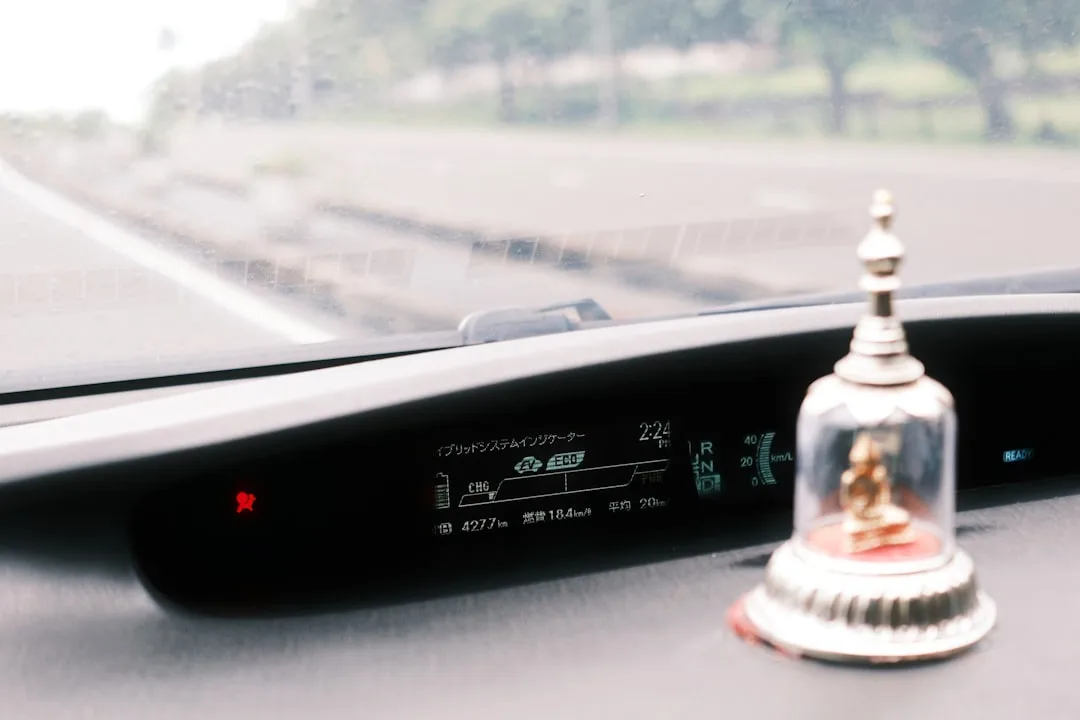
What Hybrid Dominance Means for Your Next Car Purchase
If you’re shopping now, the hybrid window is wide open. Dealer lots are full, competition is fierce, and prices reflect a market correcting to real demand rather than subsidized behavior. The 2026 Toyota Camry at $36,905 average price is not an anomaly—it’s the market speaking.
Hybrids deliver 40-50% better fuel economy than gas-only vehicles at a fraction of EV total cost of ownership. They work in every climate, every geography, every driving pattern. There’s no cold-weather degradation like pure EVs face, no range anxiety, no charging planning required.
The hybrid surge isn’t a trend that will reverse when EV charging improves or when battery costs drop. It’s a permanent reset because consumers finally got to vote without subsidies tilting the scale. They chose practicality.