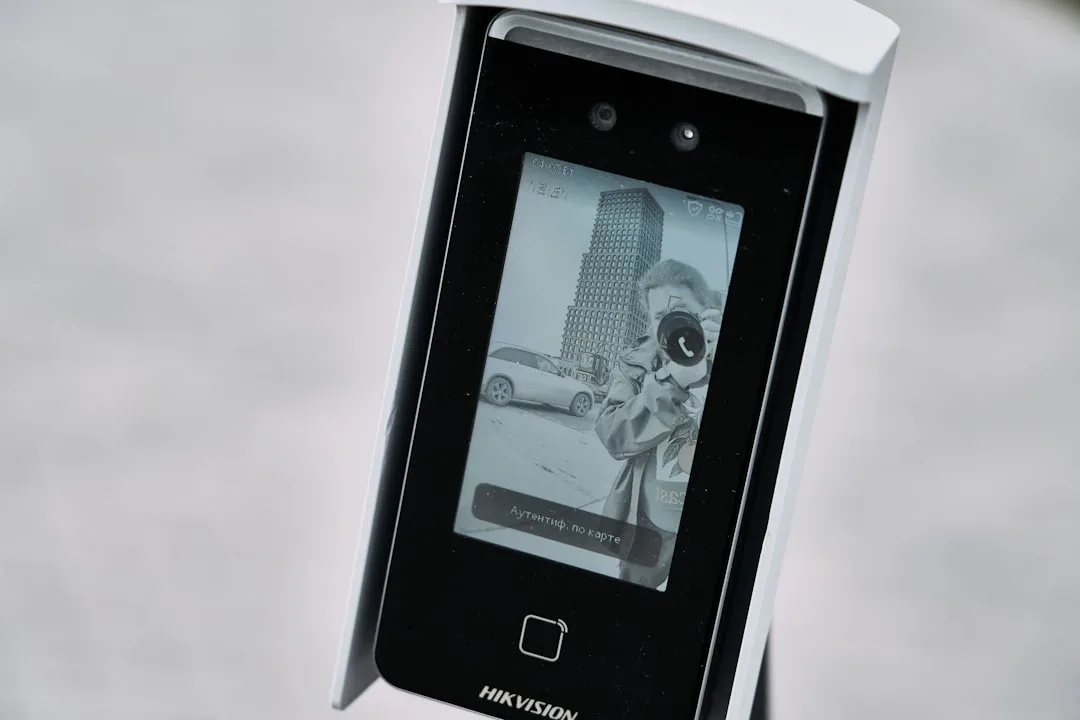
In June 2026, a Los Angeles homeowner discovered her ex-partner had duplicated her house key three times over—a vulnerability that biometric authentication smart homes eliminate entirely. Facial recognition, fingerprint scanning, and iris verification have transitioned from sci-fi concept to mainstream residential security, with adoption rates climbing 47% year-over-year. Keys cannot be copied, lost, or stolen. Biometric authentication smart homes create permanent, timestamped entry logs showing exactly who accessed your home and when.
How Facial Recognition Protects Your Entry Point
Level Lock, a company that embeds invisible infrared cameras into door frames, scans facial geometry in 0.3 seconds—faster than you can turn a key. The system works in daylight, darkness, and rain, registering depth measurements across 68 facial landmarks. This is fundamentally different from smartphone facial unlock, which uses a single front-facing camera; residential biometric authentication smart homes map your face from multiple angles to prevent spoofing with printed photos or masks.
Nuki Smart Lock, a Vienna-based manufacturer, pairs facial recognition with a motorized deadbolt that retracts only after biometric verification. When your teenage daughter arrives home, the lock logs her arrival at 3:47 PM. When her friend asks to pick her up, the system denies access—that fingerprint isn’t enrolled. Parents gain visibility without Ring doorbells broadcasting to cloud servers.
A common failure mode: homeowners assume biometric authentication smart homes work like their phones. Many people set facial recognition to activate when you’re standing in the rain, glasses on, mask partially covering your face—then get locked out. The correct approach requires multiple enrollment angles, clear lighting conditions during setup, and fallback PIN access for guests.
Quick Tips
- Enroll your biometric data in bright, neutral lighting—not at your front door at dusk
- Set up 2-3 facial angles and always include fingerprint as secondary verification
- Test the PIN backup before weather emergencies lock you out
- Review access logs weekly to catch unauthorized entry attempts
- Update firmware quarterly; biometric systems require active security patches
Iris Scanning Creates Unforgeable Entry Control
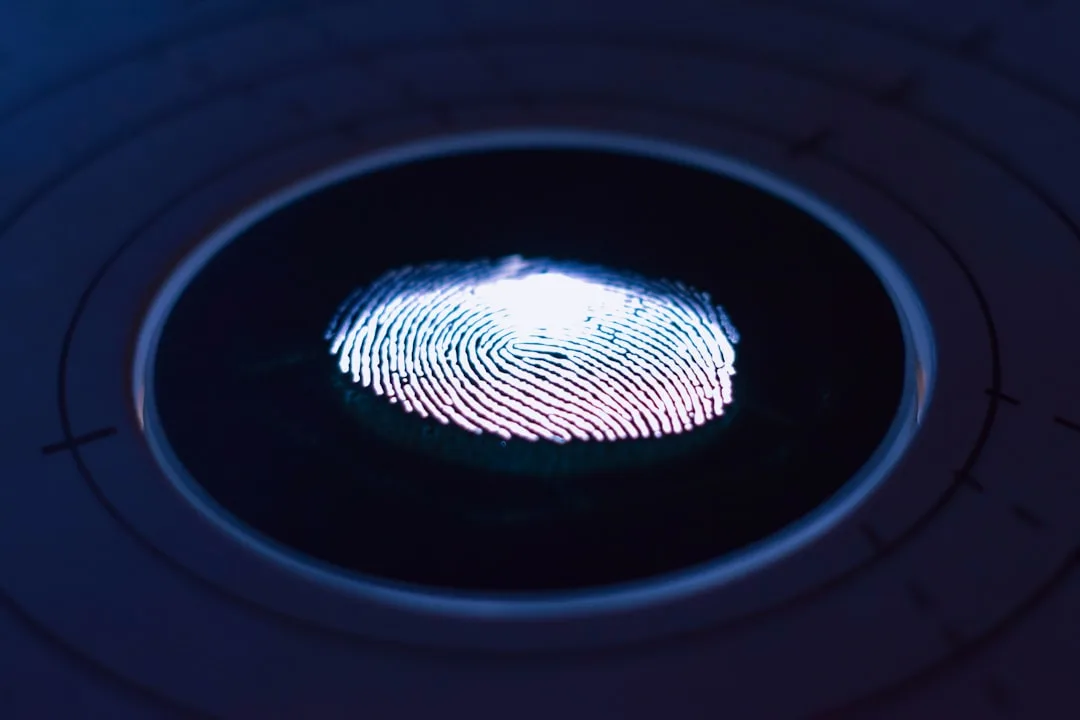
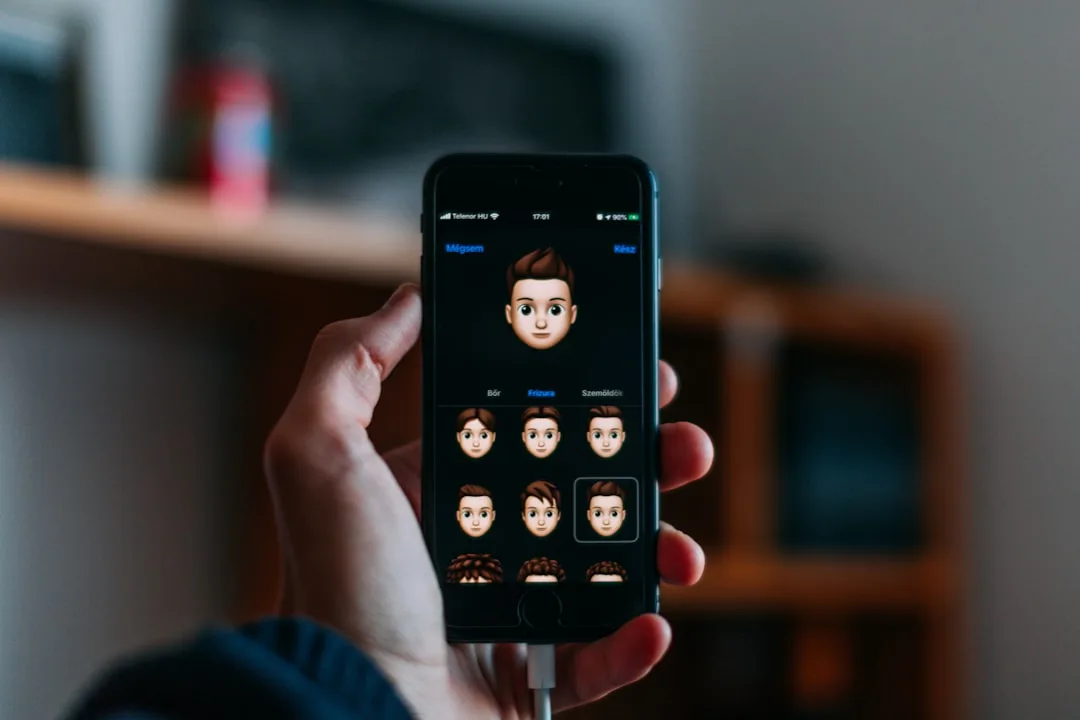
Iris recognition analyzes 240 unique characteristics in the colored ring around your pupil—more individual markers than fingerprints. Irisguard, a UK manufacturer specializing in iris-scanning doors, reports zero false positives across 1.2 million scans in 2025. Even identical twins cannot spoof an iris reader because retinal blood vessel patterns diverge during fetal development. Biometric authentication smart homes with iris verification have become standard in high-security residential communities in Singapore, Dubai, and Toronto.
Iris scanning adds 2-3 seconds to entry time compared to facial recognition. You must look directly at a small lens mounted at eye level—not ideal for wet groceries or carrying children. But for households storing art collections, cryptocurrency hardware wallets, or sensitive documents, iris verification provides military-grade certainty.
The system logs timestamp, iris data hash (not the actual iris image—that stays encrypted), and location. No two family members can enter simultaneously on one scan; each person is identified individually. This creates an immutable household entry audit trail.
| Authentication Method | Speed | Spoofing Risk |
|---|---|---|
| Facial Recognition | 0.3 seconds | Low with multi-angle enrollment |
| Fingerprint Scanner | 0.8 seconds | Very low if combined |
| Iris Scanning | 2.1 seconds | Negligible |
| Traditional Key | 3+ seconds | High—easily duplicated |
Why Biometric Data Privacy Matters More Than Speed
August Smart Lock Pro, manufactured by Assa Abloy (the world’s largest lock maker), stores biometric templates locally on your home’s Wi-Fi hub, not on external servers. Your face is never photographed, uploaded, or analyzed by cloud AI. The system compares live facial scan against a mathematical hash—a one-way encryption that cannot reverse back to your actual face image. This is why biometric authentication smart homes sidestep facial surveillance debates that plague city-wide camera networks.
Privacy concerns drive adoption. Shaping the Future of Safe Digital Interaction explores how decentralized biometric systems protect household data better than centralized cloud platforms. Homeowners choose biometric doors specifically because data stays behind their firewall.
The difference between local and cloud storage determines trustworthiness. A cloud-based system sends facial geometry to company servers every time you unlock your door; a local system never leaves your network. Biometric authentication smart homes with on-device processing eliminate the middleman.
Integration With Residential Automation Ecosystems
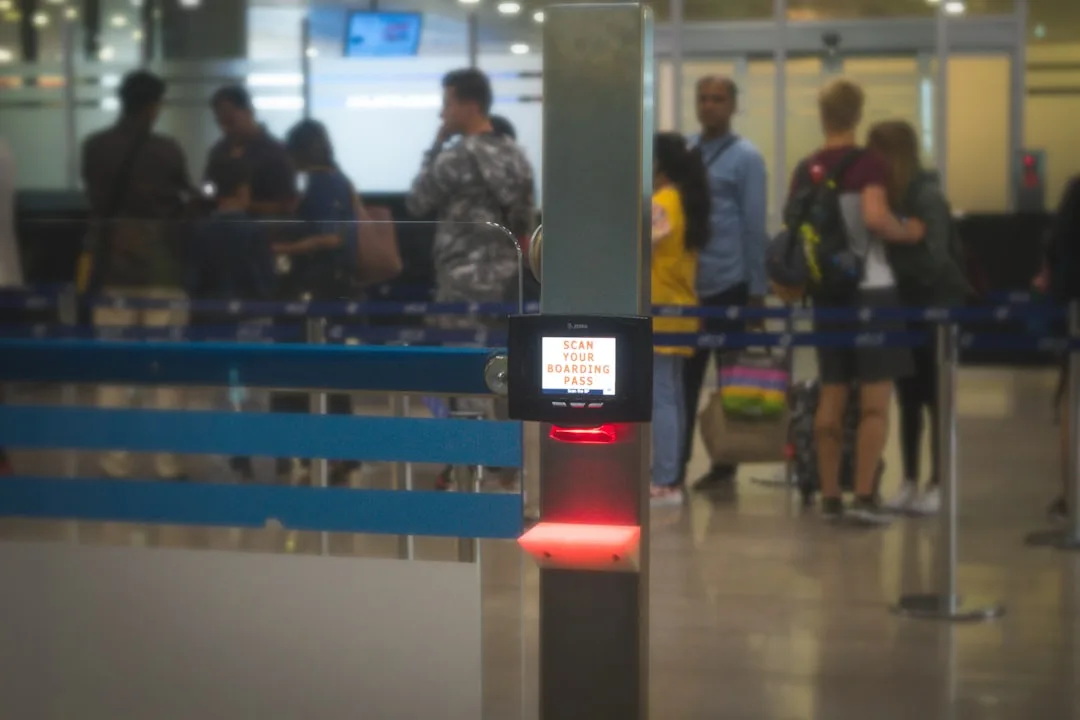
Biometric authentication smart homes don’t work in isolation. When you unlock the front door via facial recognition, the system automatically disarms the alarm, turns on hallway lighting, and adjusts the thermostat to 71 degrees—all within 2.5 seconds. Schlage Encode Plus, released in March 2026, integrates directly with Apple HomeKit, Amazon Alexa, and Google Home, creating seamless entry workflows without keypads or voice commands.
This interconnection reveals why biometric doors became necessary. Smart thermostats, lights, and cameras already knew your location through phone Bluetooth. Biometric entry provides the final verification layer—now your home can act on certainty that you’re actually present, not just that your phone is nearby. Theft prevention improves dramatically; smart homes no longer unlock when a burglar tricks the system into thinking a resident is home.
Integration also simplifies guest access. Instead of sharing PIN codes that guests forget or share, biometric enrollment adds temporary fingerprints valid for 48 hours. Cleaning services, plumbers, and babysitters get time-limited entry without possessing keys or knowing PIN codes.
Installation, Costs, and Long-Term ROI
Professional installation for a biometric authentication smart home entry system typically ranges $1,200–$2,800 for a mid-range facial recognition lock plus integration with your home automation hub. This replaces traditional deadbolts, eliminating lock re-keying costs ($75–$150 each time you change tenants or lose a key). Over seven years, biometric systems save money compared to repeated re-keying, lock replacement, and emergency locksmith visits ($300+ per call).
Battery life matters for biometric doors. Most systems run 6–12 months on six AA batteries. A non-responsive biometric lock leaves you standing at your door in darkness; fallback mechanical keys or PIN codes prevent this scenario. The best systems include backup power contacts for emergency entry.
Biometric authentication smart homes represent security as visibility and control, not mystery. You know who entered, when they entered, and that no one can copy or steal their way inside. This clarity has become the defining feature of residential security in 2026.