Why the EV Heat Pump Is Changing Winter Range Math
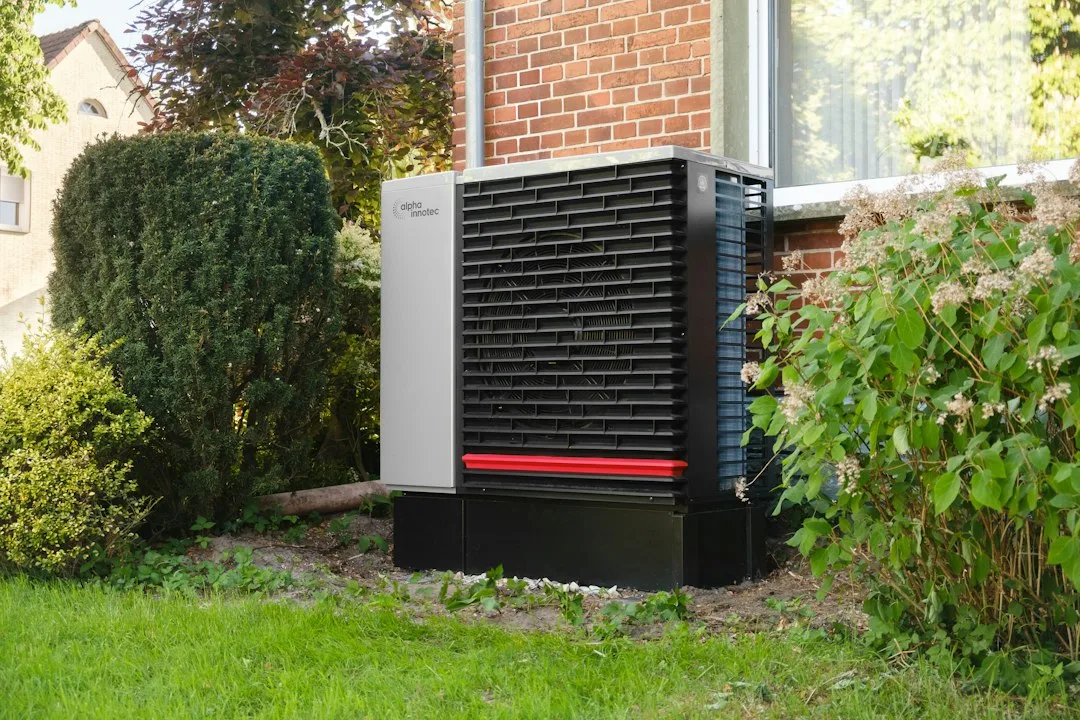
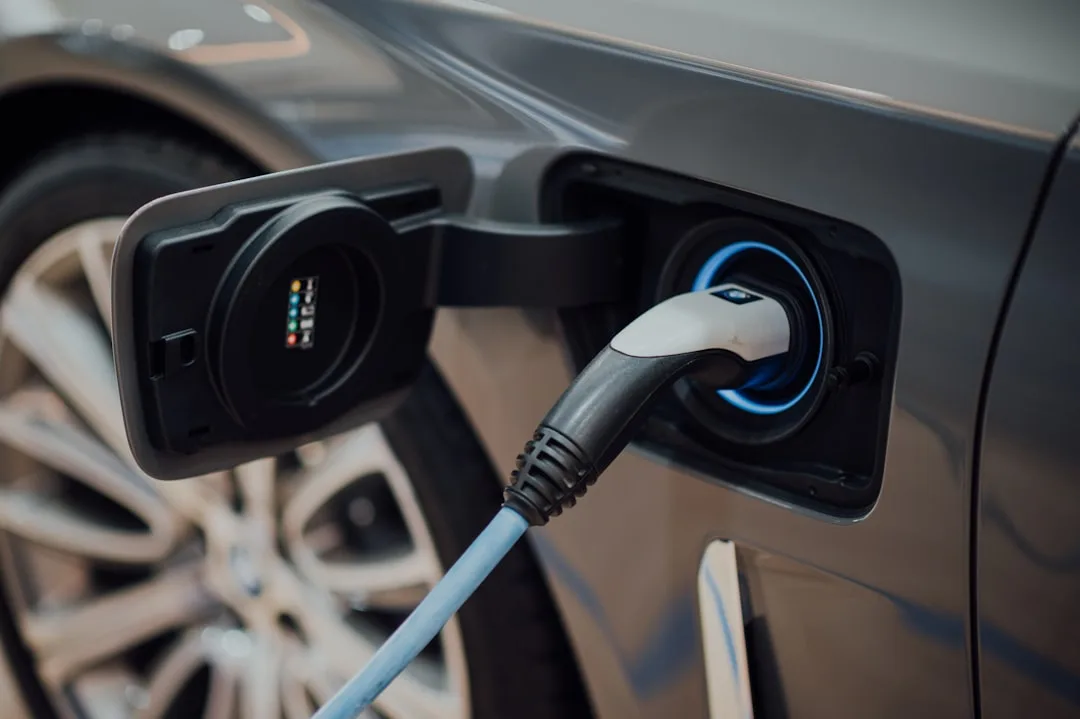
An EV heat pump moves warmth from outside air and drivetrain parts instead of spending battery energy on a resistive coil. That shift can protect winter range for drivers in cold climates.

333k+ Lifestyle & Design Ideas
An EV heat pump moves warmth from outside air and drivetrain parts instead of spending battery energy on a resistive coil. That shift can protect winter range for drivers in cold climates.
Cold-weather rubber stiffens well before the first snowfall, which is why winter tires are gaining ground with everyday drivers. Here is how tread, sipes, and sidewall markings work together.
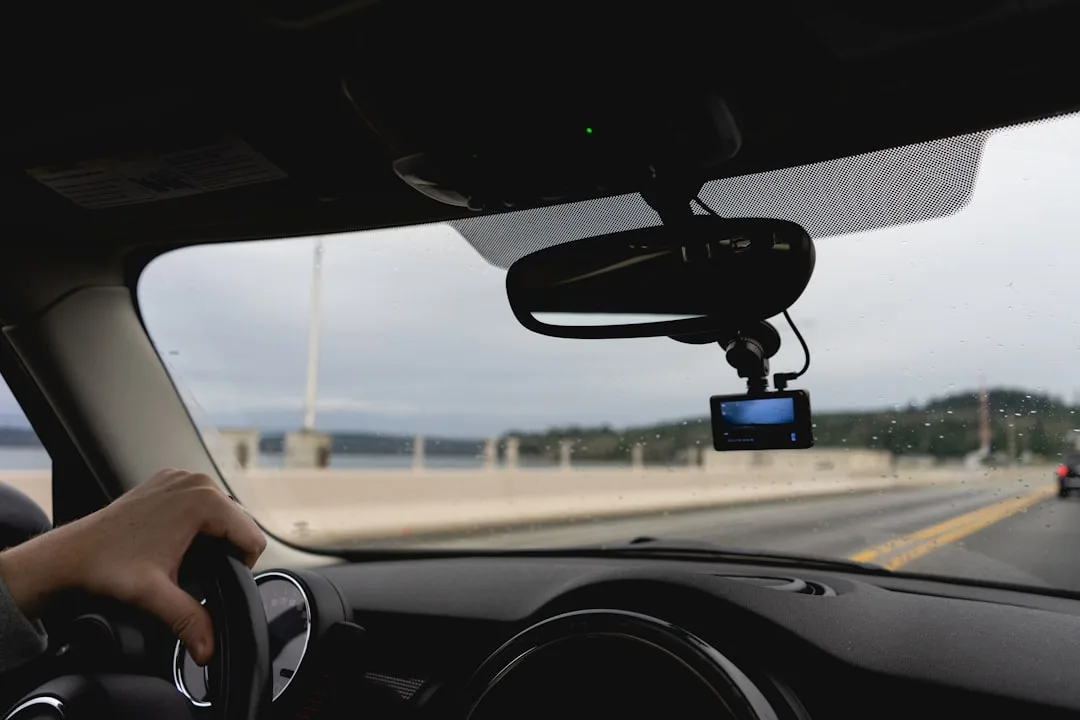
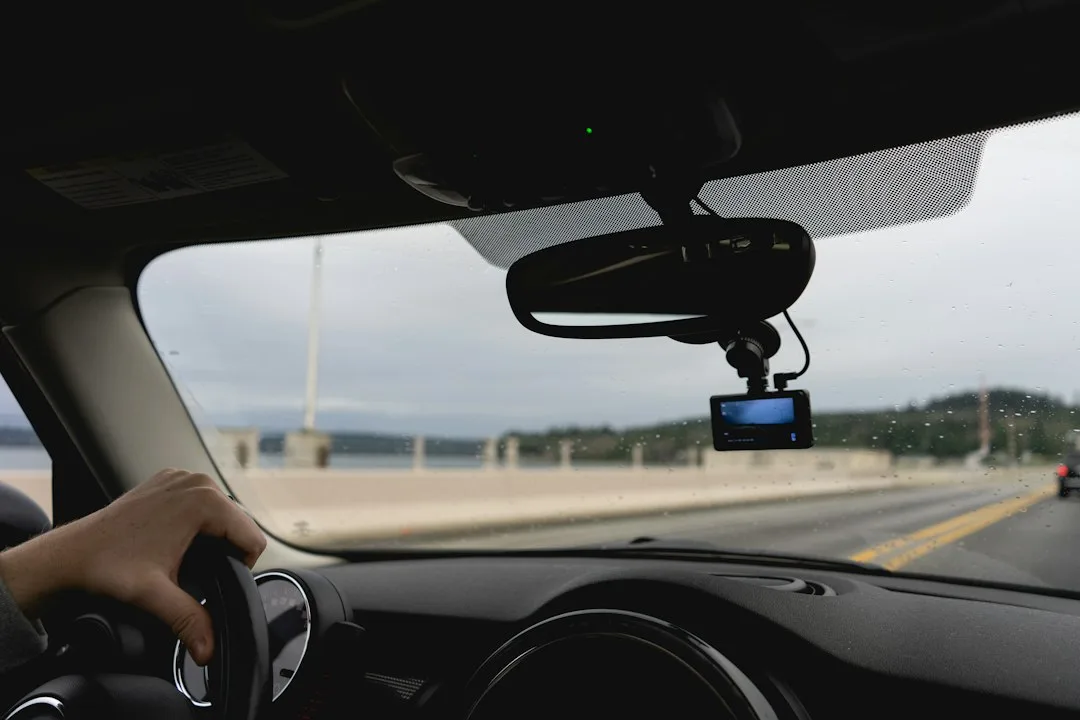
Dash cameras give drivers timestamped video evidence after collisions, parking lot scrapes, and hit-and-runs. Here is how to choose a model and memory card that records reliably.
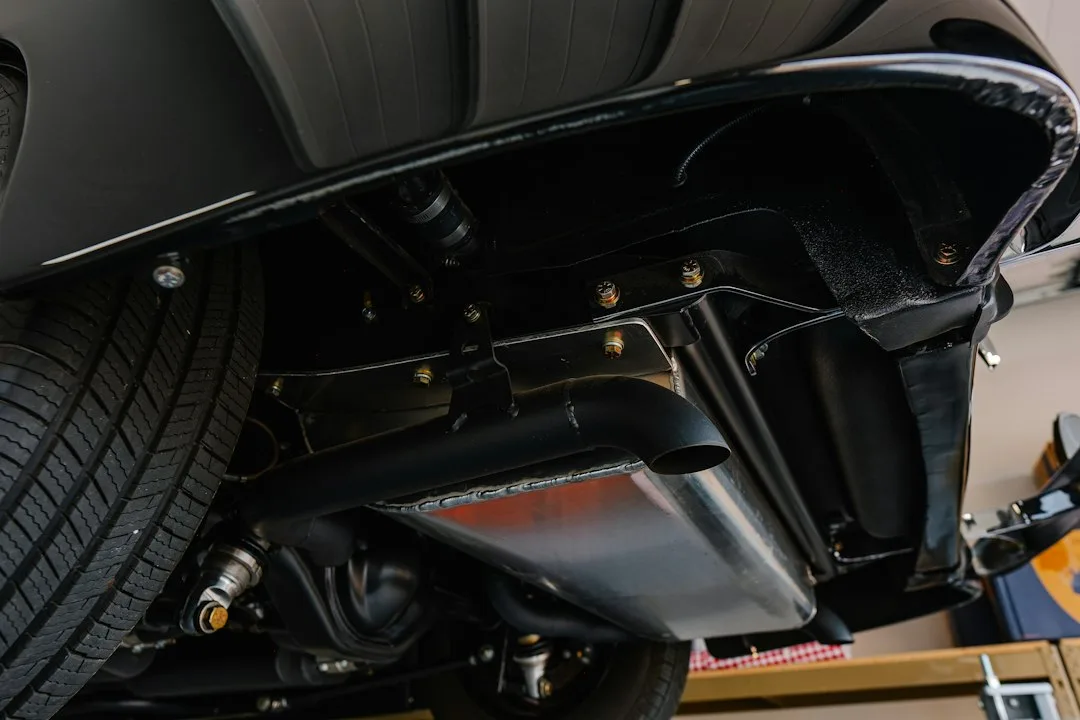
Vehicle undercarriage protection has shifted from optional luxury to essential maintenance as roads grow saltier and vehicle lifespans extend. Learn why mechanics and dealers now prioritize it as a core ownership strategy.
Vehicle occupant monitoring systems represent the fastest-growing interior safety category in 2026, moving beyond basic seatbelt sensors to track driver fatigue, posture, distraction, and passenger positioning in real-time. This shift reflects a fundamental market pivot: automakers now invest in systems that observe human behavior, not just vehicle performance.
Lane-keeping assist has moved from luxury feature to industry standard in 2026, fundamentally changing how drivers navigate highways and congested roads. This article explains why automakers prioritize this technology and how it integrates with your daily driving behavior.
Vehicle cargo systems have become the quiet force reshaping how owners use their cars daily. From modular roof racks to intelligent floor organizers, practical storage solutions now influence purchase decisions as much as fuel efficiency.
Vehicle infotainment systems have moved beyond music and GPS. In 2026, they’re the primary reason drivers upgrade cars, bundling AI assistants, gesture controls, and predictive route optimization into one connected dashboard experience.
Vehicle depreciation protection plans have become the fastest-growing add-on in automotive retail, with dealerships reporting a 34% adoption rate among new-car buyers in 2026. These plans directly address the single largest cost driver in vehicle ownership: the moment your car leaves the lot, it loses value—and smart buyers are now fighting back with contractual guarantees.
Vehicle subscription services eliminate the commitment friction that has defined car ownership for over a century. By August 2026, subscription fleets have grown into a serious alternative for buyers who want predictability without permanence.
As vehicle prices remain elevated and fuel costs fluctuate unpredictably, buyers are prioritizing ownership models and maintenance strategies that demonstrably cut total cost of ownership. August 2026 data reveals a decisive shift away from traditional purchase-and-own patterns toward flexible alternatives that reduce financial risk.
Extended warranty and protection plans have become central to how buyers evaluate vehicle purchases in 2026, shifting focus from price alone to lifetime value and peace of mind. We break down why coverage options matter, which plans actually protect your investment, and what dealers won’t tell you upfront.
Preventive maintenance bundling has become the fastest-growing cost-control strategy among vehicle owners in 2026, directly addressing the gap between purchase price and total lifecycle expense. When structured correctly, these plans recoup their cost within 36 months while protecting resale value and avoiding catastrophic repair bills.
Vehicle electrification infrastructure in 2026 extends far beyond plug-in stations. Smart grid integration, vehicle-to-home power systems, and real-time energy management now define how owners experience electric vehicle ownership.
As new-car prices stabilize, buyers are shifting focus from financing deals to long-term value preservation. Vehicle resale value protection has become the decisive factor separating smart purchases from money-losing ones.
Buyers in 2026 aren’t choosing cars the way they did five years ago—they’re choosing how they pay for them. Automotive financing flexibility now ranks as the #1 decision factor, reshaping loan structures, lease options, and ownership models entirely.
The certified pre-owned vehicle market has become the primary engine of automotive sales in 2026, driven by warranty protection and transparent pricing that new-car dealerships can no longer offer. Buyers across income brackets now view CPO purchases as smarter economics rather than compromise.
Subscription vehicle ownership—where drivers pay monthly for cars they swap seasonally—has become the fastest-growing segment in automotive retail. Monthly fees now include insurance, maintenance, and roadside support, fundamentally shifting the calculus away from traditional six-year financing.
Autonomous vehicle adoption has reached a critical threshold in mid-2026, with major manufacturers rolling out Level 3 and Level 4 systems that fundamentally change how households approach transportation. Families are reshaping daily routines around hands-free driving, longer commute tolerance, and new in-car productivity expectations.
The used car market resurgence is fundamentally changing how consumers approach vehicle purchases, with used vehicles now outpacing new-car consideration. Depreciation curves, certified pre-owned programs, and market inventory gluts have created a decisive advantage for savvy buyers willing to shift their strategy.
As federal EV incentives ended and charging infrastructure lags, hybrid vehicles are surging past pure electric cars. Consumer preference has fundamentally shifted toward flexibility, affordability, and real-world practicality.