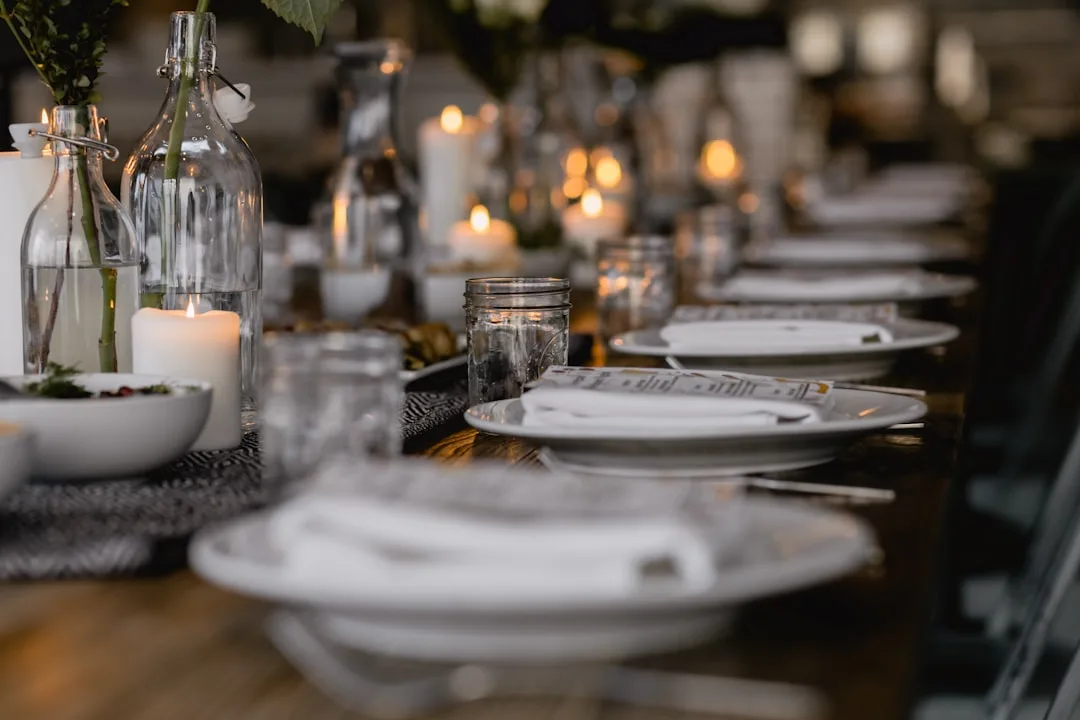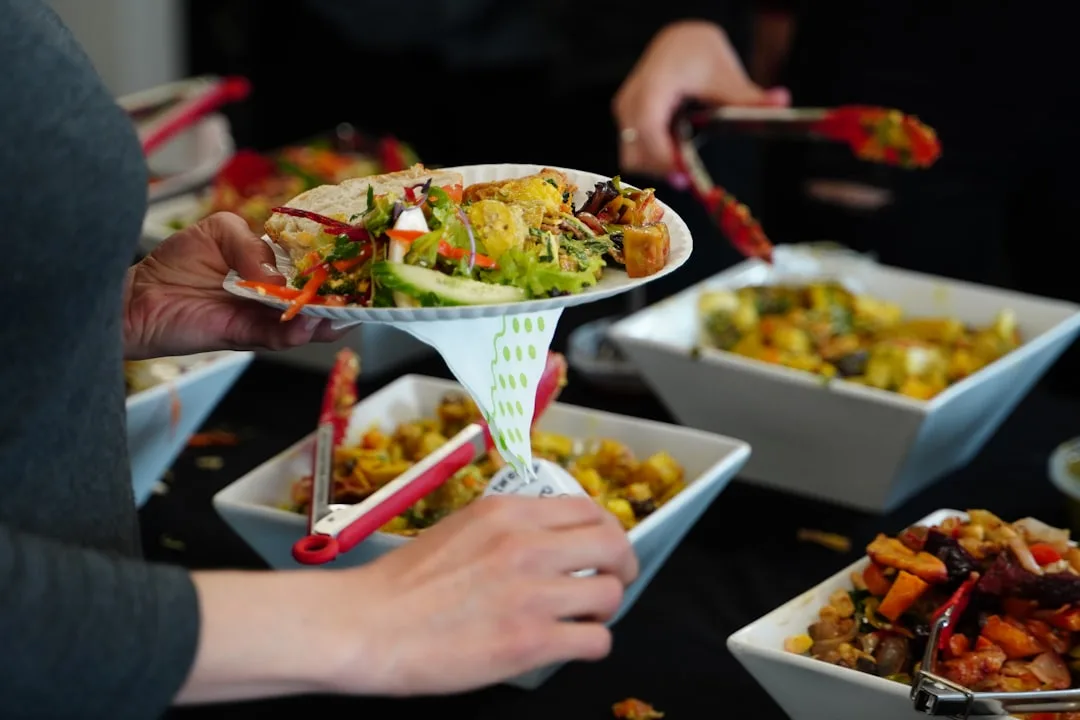
Three hundred guests arrive at a June garden reception. The caterer sets tables with compostable napkins and recycled glassware. By evening, zero waste enters the landfill. This scene has become the unspoken expectation at high-end celebrations in 2026, a stark reversal from the disposable convenience that dominated event culture for decades.
Eco-friendly event catering has shifted from a niche sustainability choice into a status symbol. Hosts now compete on how responsibly they feed their guests, not just how lavishly.
Reusable Dinnerware Replaces Single-Use Paper Service
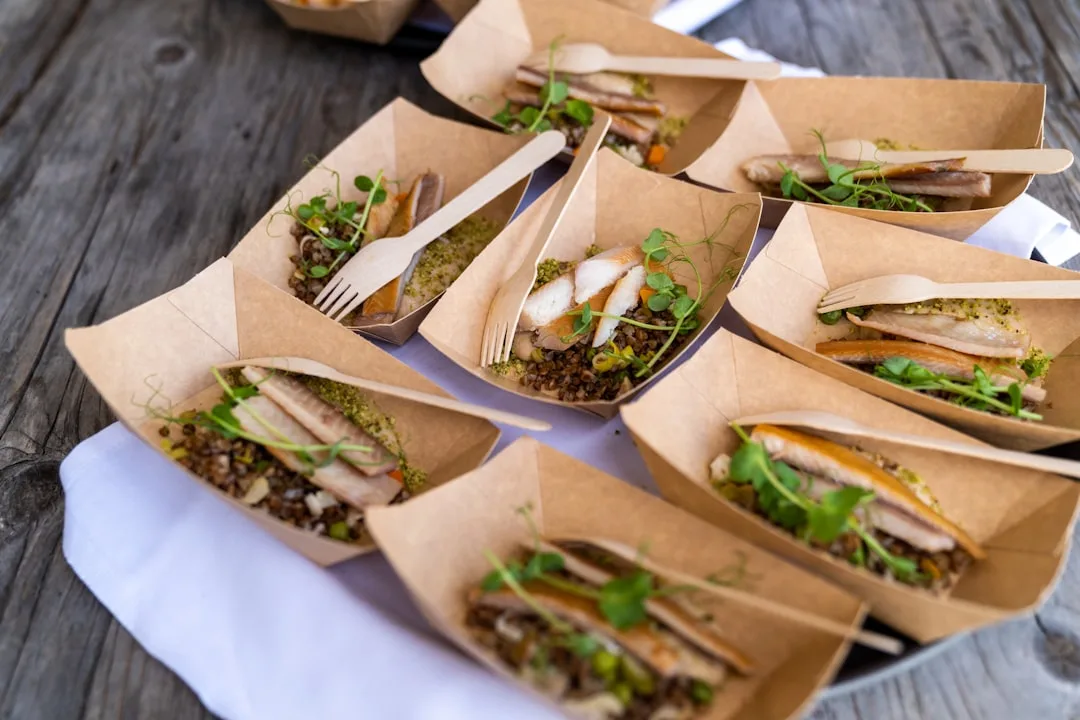
The disposable era is over. Event planners across North America and Europe now specify ceramic, glass, and stainless steel service for celebrations of all sizes. This move stems from both guest expectation and measurable cost-benefit over time.
Brands like Bon Mot Events and Gather and Feast (serving Portland, Seattle, and Vancouver markets) have built their entire business model around full-service reusable dinnerware rental. A typical setup—plates, glasses, cloth napkins, and flatware for 150 guests—runs approximately $800-1,200 for a single event, with washing and logistics included. Compared to custom-printed disposable service costing $600-900 per event with ongoing replacement, the reusable model breaks even after two celebrations and saves $2,000-3,000 annually for hosts planning multiple events.
The shift happens because guests now visibly notice and photograph table settings. Instagram-worthy tablescapes require authentic materials.
Quick Tips
- Book reusable dinnerware rental 8-10 weeks before your event to secure premium ceramic and glassware options
- Request linen napkins over paper—they’re included in most rental packages and signal sustainability to guests
- Pair reusable dinnerware with locally-printed menus on seed paper that guests can plant after the celebration
- Calculate your total event cost including logistics, not just per-plate pricing, to see true savings over time
| Service Type | Cost Per Event (150 guests) | Annual Comparison |
|---|---|---|
| Disposable paper plates, napkins, plastic cups | $600–900 | $3,000–4,500 (five events) |
| Reusable ceramic rental with washing | $800–1,200 | $1,600–2,400 (two events break even) |
| In-house china + staff washing labor | $400–600 (plus 4 hours labor) | Hidden labor costs compound annually |
| Hybrid (rented ceramic + compostable glassware) | $950–1,350 | $1,900–2,700 (optimized sustainability) |
| Full zero-waste service (rental + composting logistics) | $1,200–1,800 | Highest transparency; aligns with corporate ESG commitments |
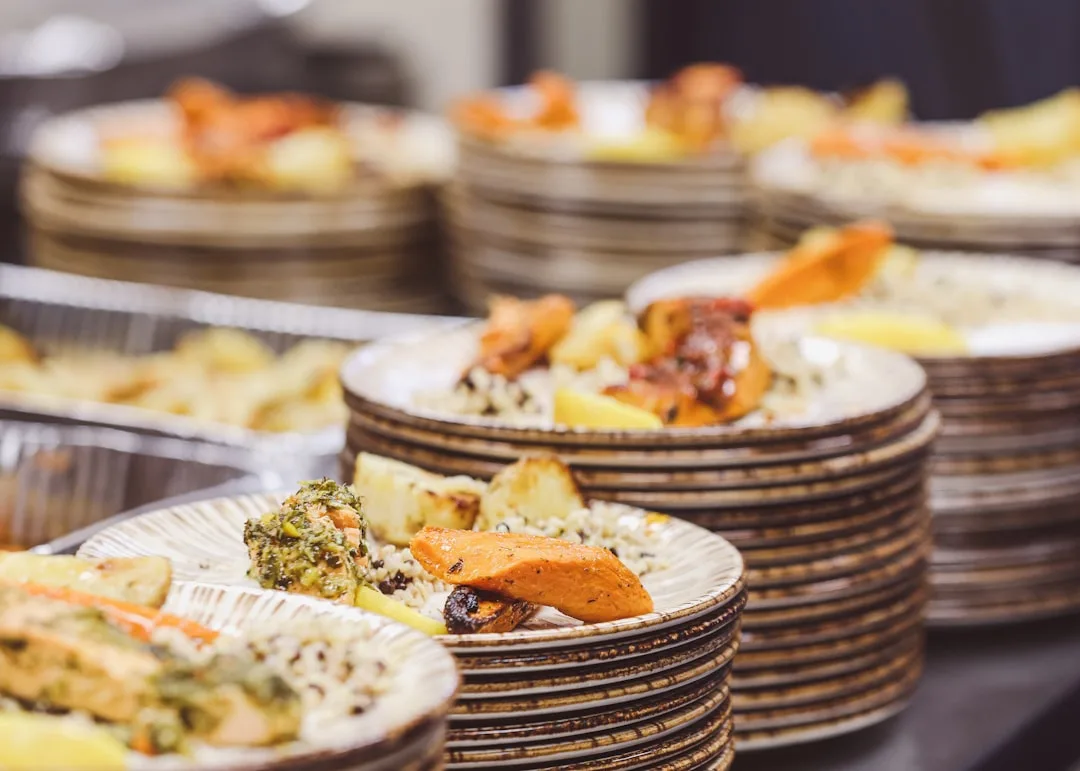
Farm-to-Table Local Sourcing Drives Menu Design
July 2026 marks the peak of summer ingredient availability across North America. Catering companies now build menus backward from what’s in season at regional farms, not forward from supplier catalogs.
Chefs at firms like Nourish Catering (Los Angeles–based, serving West Coast destination events) and Root Kitchen Events (Toronto, serving the Great Lakes region) now list their ingredient sources directly on menu cards. A summer celebration menu might feature heirloom tomatoes from a named farm 30 miles away, paired with wine from a vineyard guests can visit. This specificity converts abstract sustainability into tangible experience.
Transparency about sourcing also addresses food safety concerns and allergen awareness. When guests know exactly where ingredients originate, caterers reduce liability while building trust. This model particularly resonates with corporate clients planning ESG-aligned events—the farm-to-table narrative becomes part of their sustainability reporting.
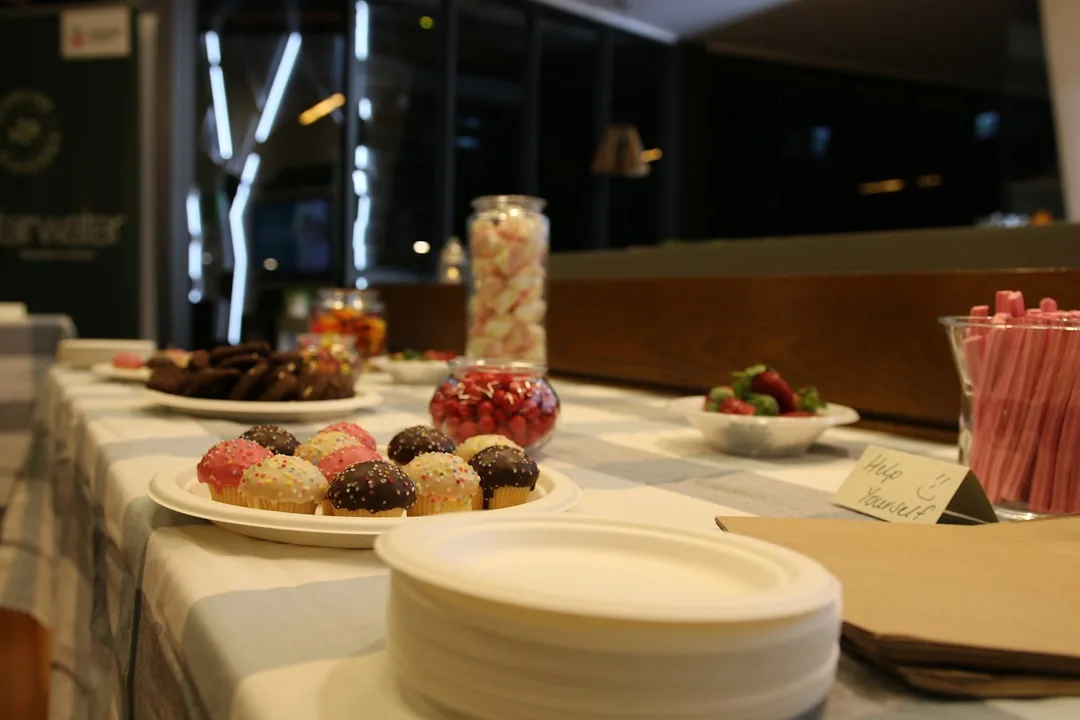
Personalization Technology Reshapes Guest Experience
Modern catering platforms now integrate dietary preference data, allergy information, and flavor profiles into pre-event questionnaires. Guests receive customized menu cards reflecting their selections before arriving, while kitchen teams access real-time dietary requirements via mobile apps linked to seating charts.
Technology platforms like Cake and Catered leverage AI to suggest menu combinations based on guest demographics, past event data, and trending flavor profiles. A 200-person gala might feature 15 different plate variations—each guest receives exactly what they selected weeks prior, plated consistently without visible complexity in service.
This personalization extends beyond food. Some premium caterers now offer augmented reality menu experiences where guests scan QR codes to view ingredient sourcing videos, chef preparation clips, or nutritional breakdowns. The psychological impact is significant: personalized experiences increase perceived value and guest satisfaction scores by 40–60% according to recent industry surveys.
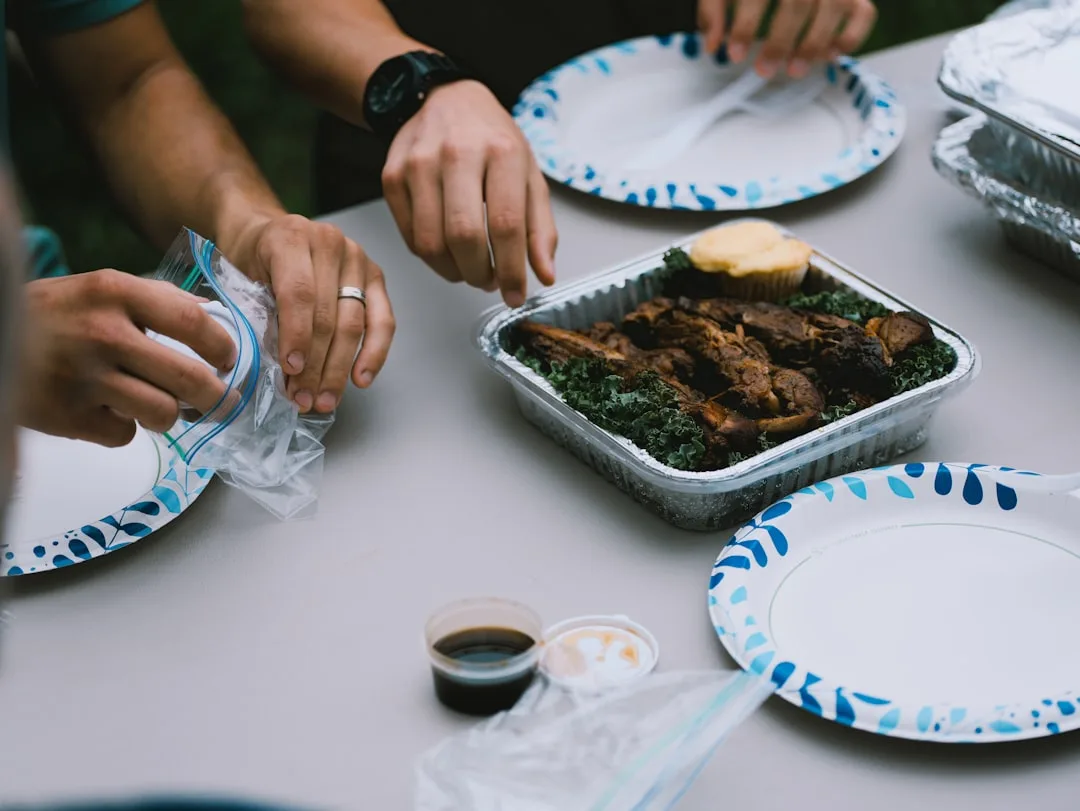
Premium Beverage Pairing Programs Define High-End Events
Craft beverage programs have evolved beyond standard wine pairings. Leading caterers now employ certified sommeliers and mixologists who design multi-course drink experiences featuring small-batch spirits, craft beers, and non-alcoholic alternatives with equal sophistication.
A seven-course tasting menu might include four wine pours, one craft cocktail, and two non-alcoholic options—each selected by professionals to complement specific dishes. Venues in major markets report that premium beverage programs increase per-person catering costs by 25–35%, yet clients view this investment as essential for differentiating their events from competitors.
Sustainability influences beverage selection too. Caterers prioritize wines from biodynamic vineyards, spirits from distilleries using renewable energy, and locally-sourced craft beverages. This alignment with eco-conscious event planning appeals to corporate clients and wealthy individuals committed to carbon-neutral celebrations.
Complete guide
Fashionable Green Outfits That Own Every Room
Emerald, olive, neon, mint, forest, wasabi — every green look in one place