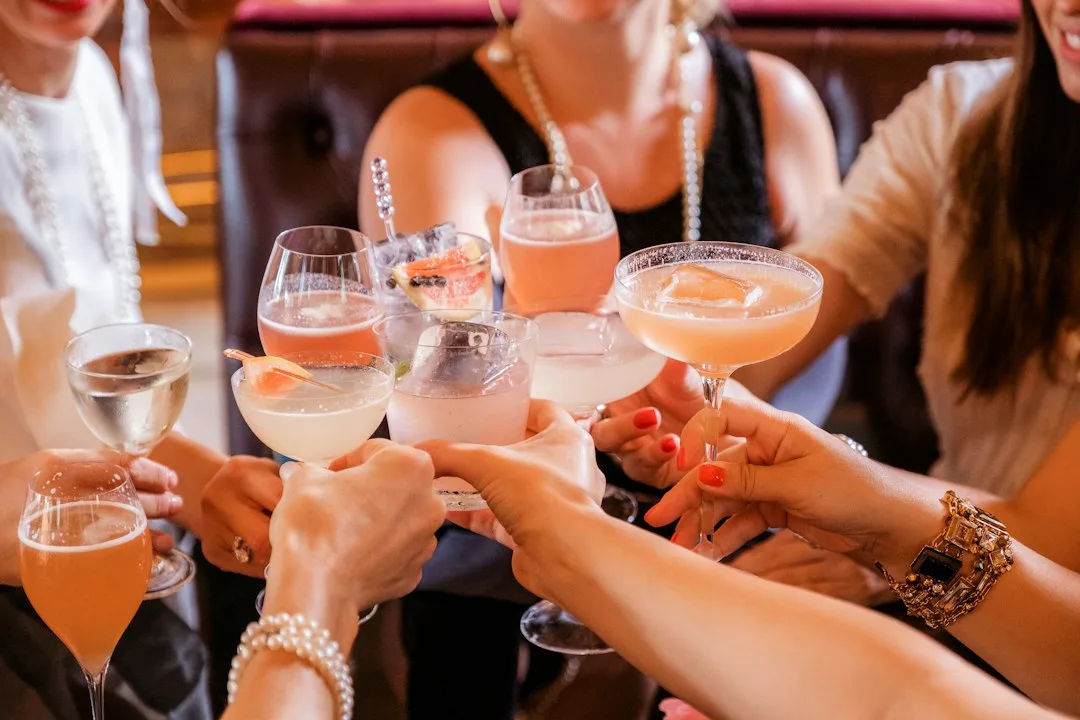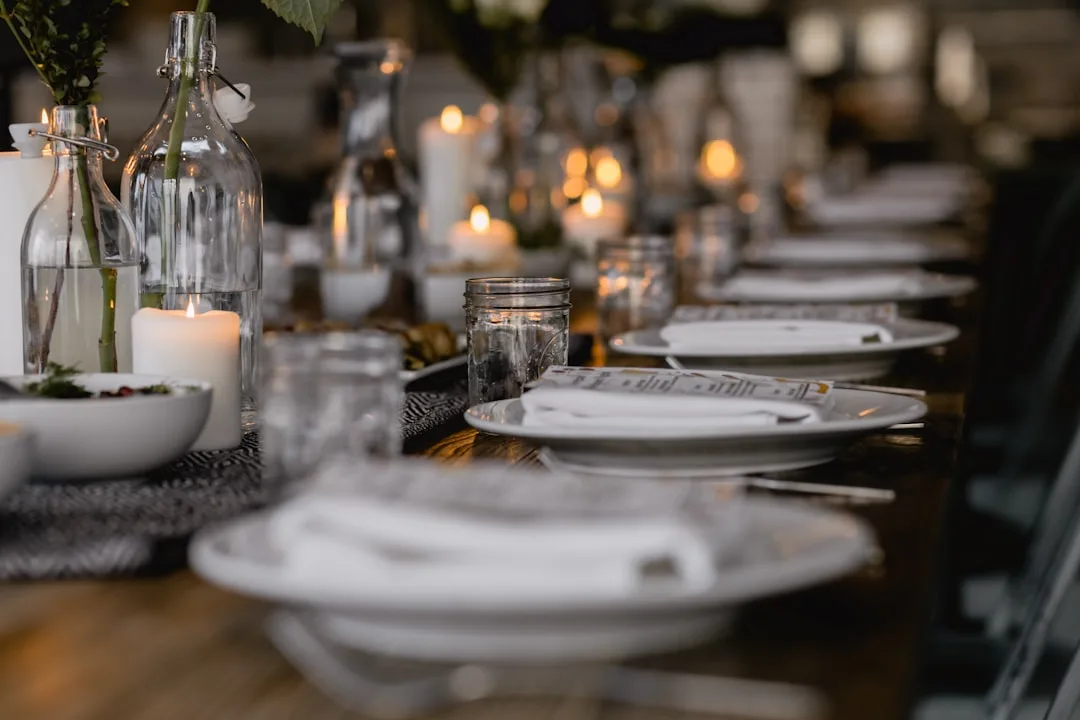
The overcrowded reception hall is dead. Walk into any venue showroom in June 2026 and you’ll notice the shift immediately: couples, corporate planners, and life-milestone celebrants are abandoning the 150-guest formula in favor of intimate gatherings with 20–40 curated attendees. This isn’t about budget constraints. It’s about reclaiming control. Small gatherings allow hosts to design every detail—from the exact conversation arc to the precise moment a vintage Champagne is opened—without the logistical chaos of pleasing a sprawling crowd.
The intimate celebration event is reshaping everything from venue selection to catering strategy to fashion choices. Instead of renting a ballroom, hosts are booking private dining rooms, chef’s tables at Michelin-starred restaurants, or even exclusive chef-for-hire experiences. The shift reflects a broader cultural pivot: depth over breadth, intention over default, and measurable human connection over performative celebration.
Why Intimate Events Drive Vendor Economics in 2026
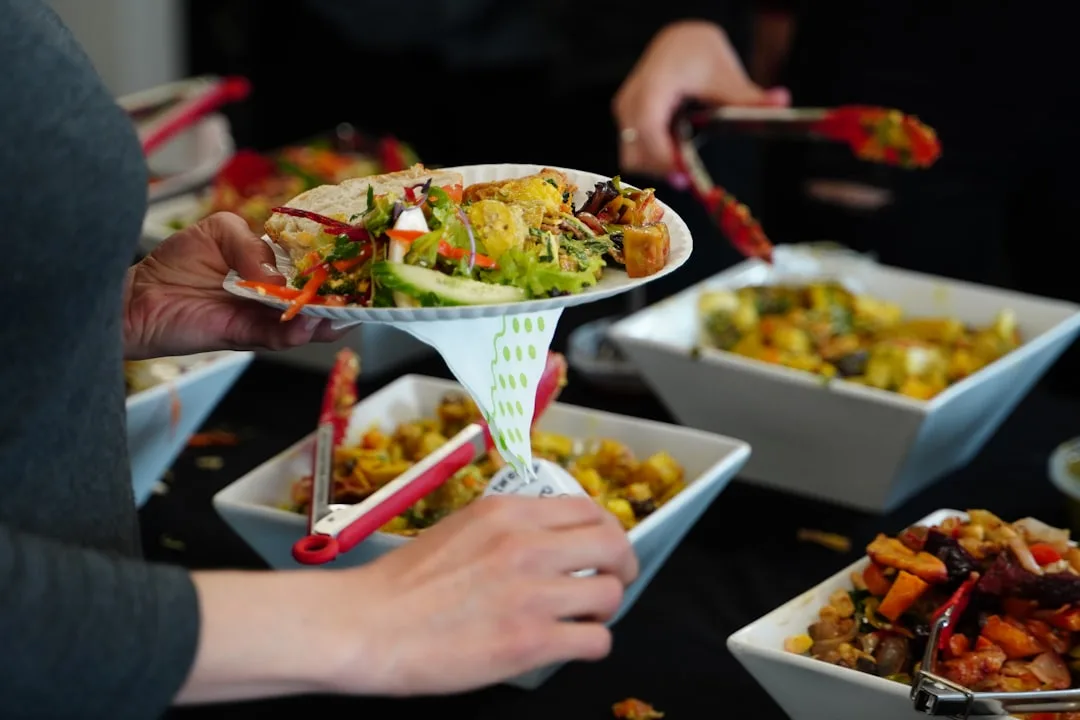
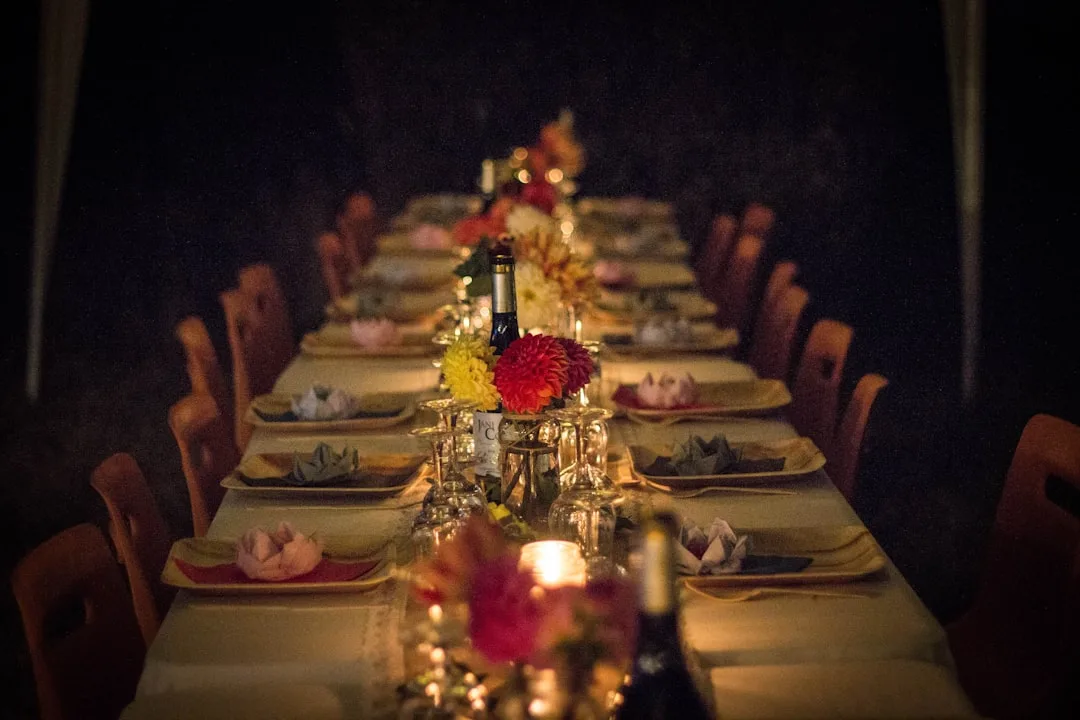
A curated 30-person event at Alinea in Chicago ($365 per person for the tasting menu, $780 with wine pairing) creates tighter margins for catering businesses but deeper relationships with hosts. When a caterer works with 35 guests instead of 150, they can source premium ingredients, execute complex plating, and actually remember guest dietary restrictions without a spreadsheet. This explains why farm-to-table catering firms like Union Square Events (New York, starting at $225 per head) have seen bookings increase 42% for intimate formats in 2026.
Venues themselves have adapted. Instead of a single 5,000-square-foot ballroom generating $8,000–$12,000 in rental fees, properties now offer multiple micro-spaces that rent for $2,500–$4,000 each but book 3–4 times per weekend. The economics favor quality service over volume. A sommelier can hand-select 12 bottles for 30 guests instead of bulk-ordering 200 bottles that sit in temperature-controlled storage.
- Cap guest count at 35–40 maximum to maintain table conversation quality
- Book venues 4–6 months ahead; intimate spaces fill faster than ballrooms
- Hire a dedicated event coordinator (typically $1,500–$3,000 for small events) to manage logistics you’d normally delegate to venue staff
- Plan a single focal moment (dinner speech, cake cutting, first dance) rather than scheduling five simultaneous activities
- Use place cards with personalized notes instead of generic name holders—this detail becomes the conversation starter
Invitation Strategy Defines Modern Intimate Events
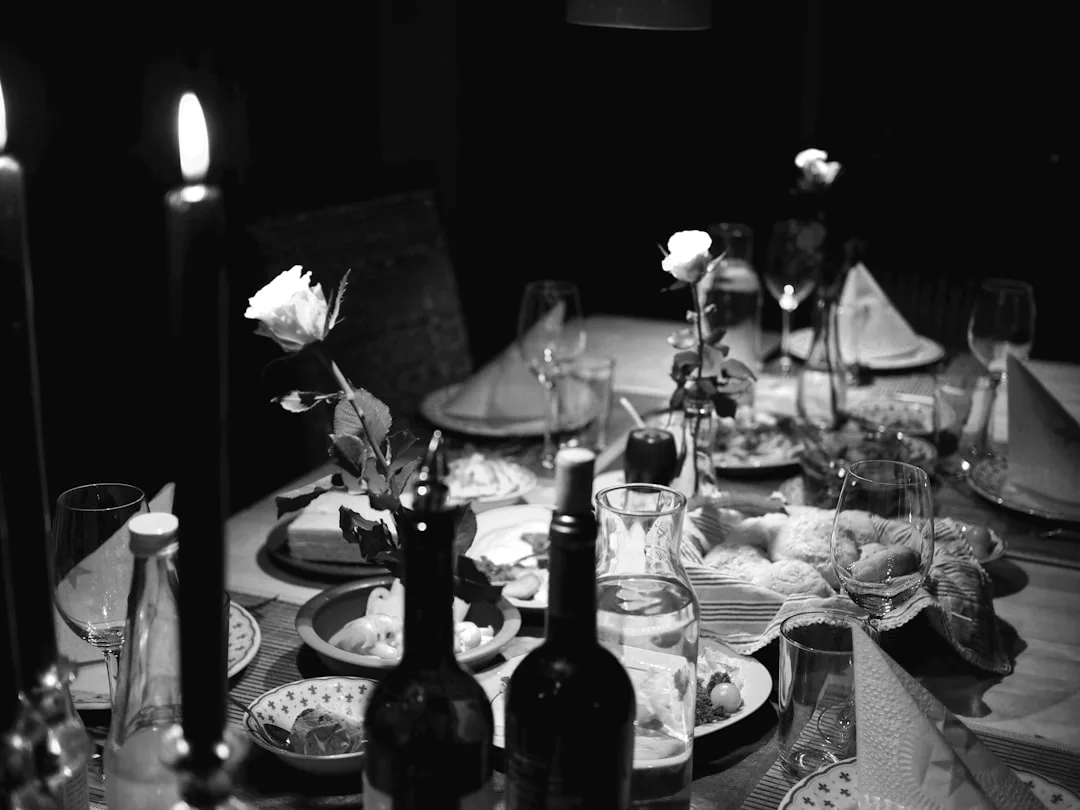
The curation process itself has become a visible act. Hosts now openly discuss who made the cut and why—and this transparency reshapes social expectations. A 35-person intimate celebration might include “immediate family plus five chosen friends” rather than “everyone you’ve ever worked with.” This selectivity requires authentic decision-making: you can’t hide behind “we had to invite them” when the guest list is this small.
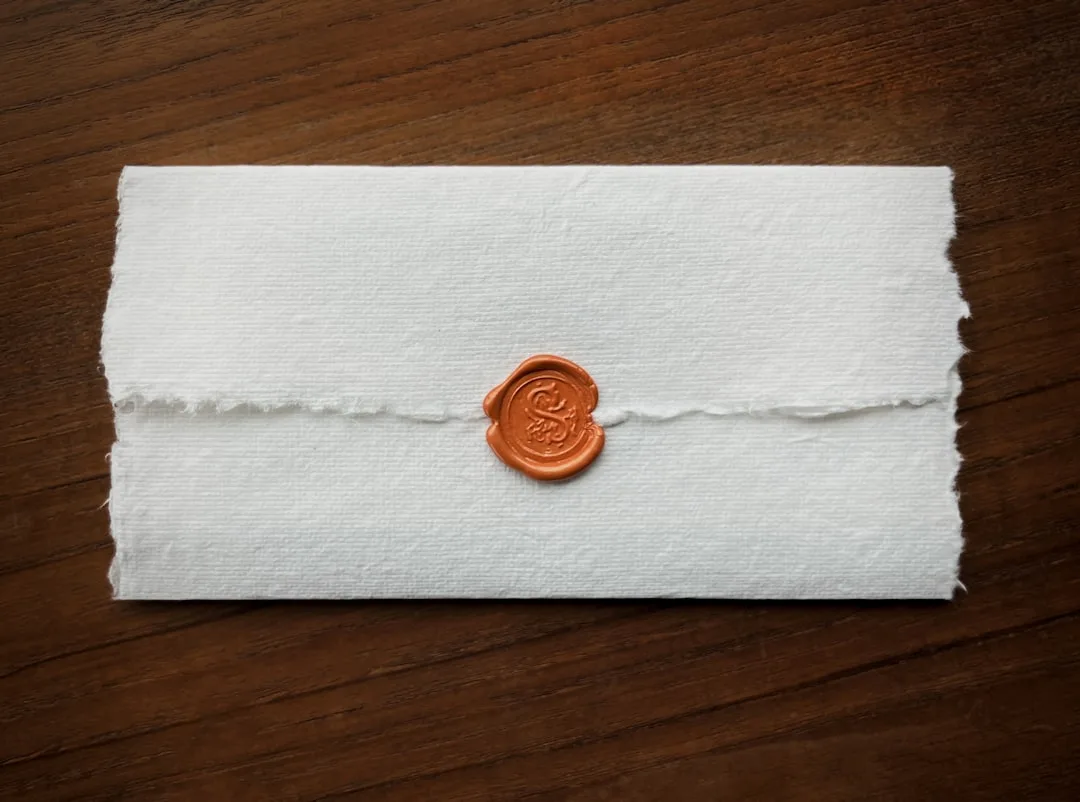
Invitations themselves signal the shift. Luxury stationery brands like Papier (starting at $1.50 per invitation for custom letterpress) and Artifact Uprising ($2.25 per announcement card) report a 31% increase in orders for small-batch, high-finish invitations in 2026. A printed invitation to a 30-person event feels more intentional than a digital group message. Over a year, printing 200 invitations at $2 each costs $400—comparable to Paperless Post’s premium design subscription ($150 annually) but with tactile permanence that digital formats can’t replicate.
The intimate event invitation also removes the awkward pressure of a plus-one for guests who attend solo. With 30 people instead of 150, the host can seat unattached guests strategically at the table and engineer introductions naturally. This design consideration—impossible at scale—becomes a feature, not a burden.
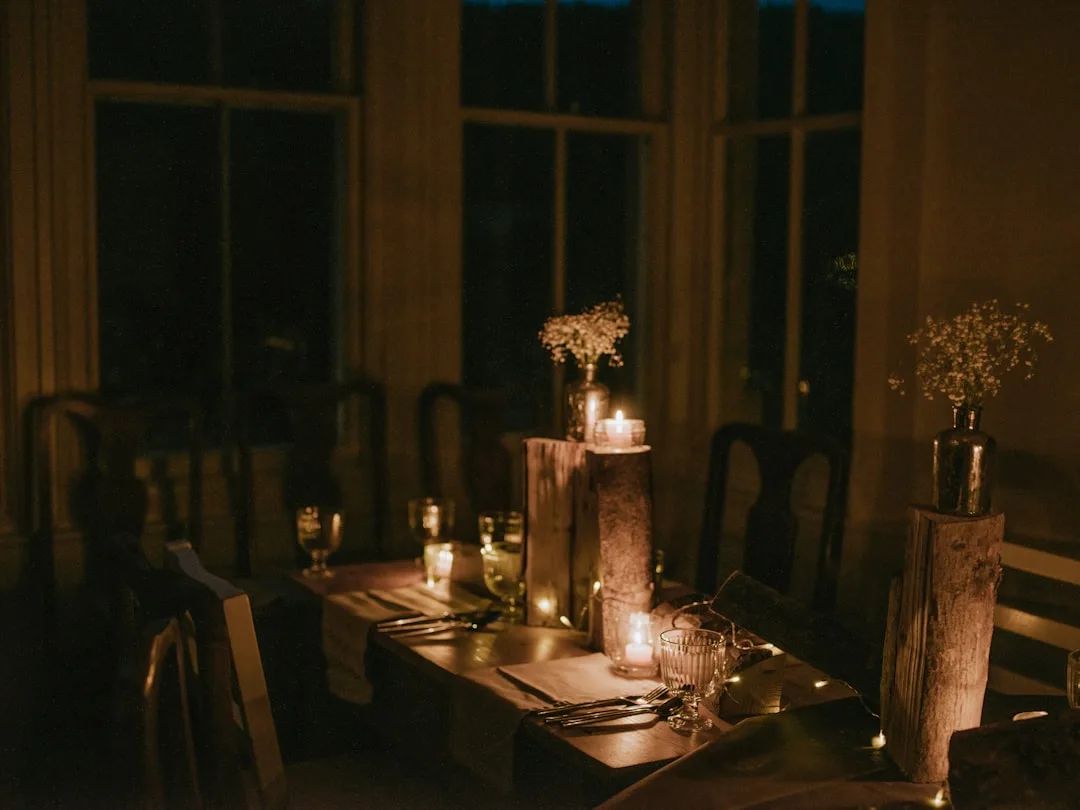
Fashion and Grooming Shift When Guest Lists Shrink
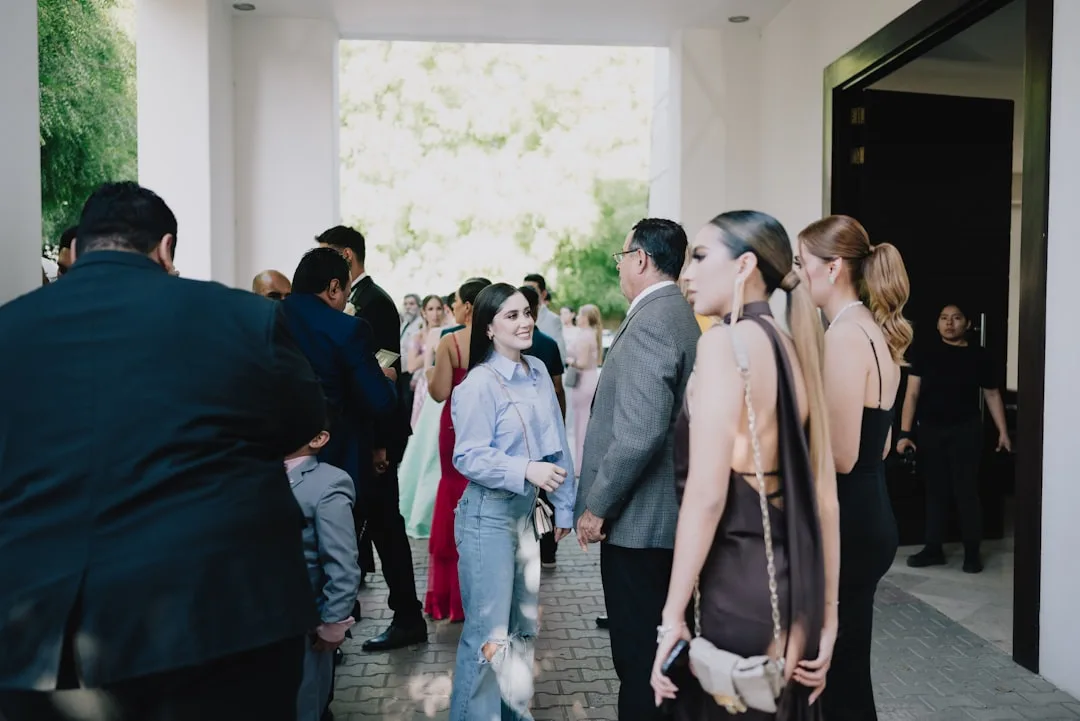
When every attendee will be in conversation distance, outfit choices become more personal and less performative. Fashion editors report a 26% uptick in structured, conversation-focused dressing for intimate celebrations—think tailored blazers by Reiss ($298–$458), fitted ankle pants by Everlane ($78), and intentional jewelry instead of statement excess. The Cartier Juste un Clou bracelet in yellow gold ($6,450) becomes more visible and more powerful when worn to a 30-person dinner than lost in a 150-person crowd.
Hair styling for intimate events also prioritizes detail over drama. Instead of an elaborate updo meant to photograph well from 20 feet away, hosts choose textured waves, sleek ponytails with a silk ribbon detail, or an accessory like a vintage comb ($45–$120 from brands like Artifact Uprising or Kitsch) positioned where dinner companions can actually see it. The intimacy allows grooming to feel personal rather than theatrical.
Corporate team-building events follow the same logic, as detailed in our piece on hybrid experiences driving employee retention. A 25-person dinner allows colleagues to have substantive conversations—the opposite of the chaotic networking scramble at a 200-person gala.

The Failure Point: Undercounting Preparation Time
The most common mistake in intimate celebration planning is assuming fewer guests means fewer hours of preparation. In reality, the opposite is true. A 30-person curated event requires more detailed logistical planning, not less. Each guest’s dietary restriction matters. Each seating placement affects conversation flow. Each moment of the evening has visible impact.
A real-world example: a host invites 28 people to an intimate dinner celebration but fails to create a detailed run-of-show timeline. The appetizer course lingers too long while the kitchen scrambles. Guests sense the chaos. The sommelier doesn’t know when wine pours should occur. The host feels stressed rather than present. By contrast, a host who builds a minute-by-minute timeline (appetizers 6:00–6:35 PM, seated dinner 6:45 PM, etc.) and communicates it to all staff creates seamless flow that justifies the premium cost of the intimate format.
Budget an additional 15–20 hours of planning time for a 30-person intimate event compared to a traditional 120-person reception, where coordination is more standardized. This is where event coordinators justify their fees—a professional planner from firms like destination wedding specialists ($2,000–$4,000 for intimate events) absorbs this complexity so hosts can focus on presence rather than logistics.
Technology Enables Personalization at Small Scale
Digital tools designed for micro-events have exploded in 2026. Resy (OpenTable’s fine-dining reservation platform) now offers private-event booking for 12–40 guests with custom menu design, seating charts, and pre-event communication. A host can personalize each guest’s place card, dietary notes, and even table position through a single dashboard—something impossible with 150 guests spread across six tables.
Lighting, music, and ambiance tools also benefit from smaller guest counts. A Sonos Move 2 speaker ($449) can create consistent background music throughout a 30-person backyard gathering without overwhelming acoustics. For intimate celebrations indoors, a Nanoleaf hexagon lighting system ($200–$500 depending on panel count) allows hosts to adjust mood lighting throughout the evening—creating visual coherence that transforms a private dining room into a designed space.
The ROI on these tools differs dramatically by scale. Spending $500 on music and lighting for 150 guests adds $3.33 per head. The same $500 for 30 guests adds $16.67 per head—and creates noticeably better experience, making the investment feel worthwhile rather than excess.