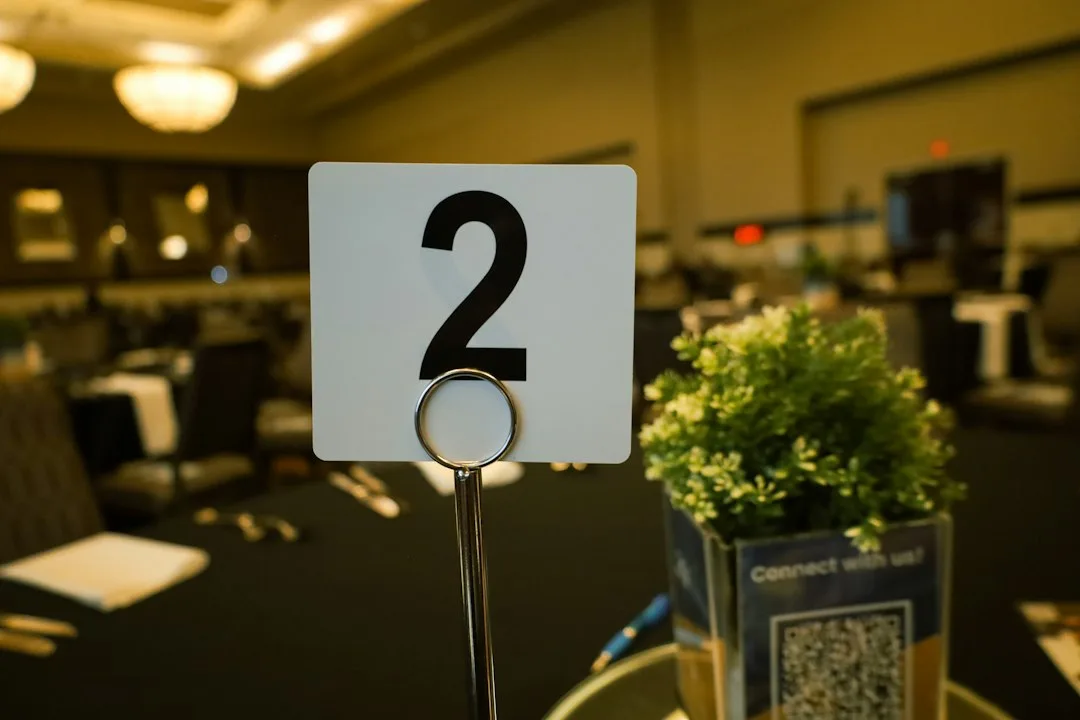
Picture this: forty carefully selected marketing directors and brand strategists walk into a restored loft in Brooklyn. No name badges the size of playing cards. No crowds of 2,000 strangers hunting for business cards in a convention hall. Instead, a sommelier pours natural wines while a moderator facilitates breakout conversations about Q4 strategy. This is intimate networking events—and it’s completely displacing the traditional industry conference model.
Intimate networking events are happening at unprecedented scale right now because professionals are exhausted by the theatrical performance of large conferences. The cost, the travel, the forced small talk by the refreshment station—none of it generates the leads or relationships it promises. Meanwhile, a 40-person gathering with pre-matched attendees, intentional seating, and a clear professional objective moves actual business forward in a single evening.
Why Curated Guest Lists Create Real Business Outcomes
Eventbrite data shows that niche industry meetups with 20–60 attendees now see higher attendance conversion rates than events with 500+ registrations. The reason is ruthless clarity: every person in the room has a defined role or shared challenge. A SaaS founder knows she’ll meet three specific VCs, not maybe encounter someone who works in venture somewhere in a sea of humanity.
Humanoid Brands, a New York event studio, shifted entirely away from sponsoring 3,000-person industry conferences in 2025 and instead hosts twelve 35-person salons per year around content marketing. Each attendee is pre-screened. Introductions are made before the event starts through a private Slack channel. The result: participants report four times more qualified conversations than they’d have at a conference breakout session.
Curation removes the desperation factor that haunts big events.
Quick Tips
The ROI of Intimate Gatherings Over Traditional Conferences
Smaller, curated events deliver measurable returns that sprawling conferences struggle to match. Attendees leave with specific introductions, not a stack of business cards from people they’ll never contact. Sponsors get direct access to decision-makers rather than booth traffic they can’t qualify. And hosts build reputation through quality rather than quantity—word-of-mouth recommendation from a 50-person gathering outpaces the noise generated by 5,000 attendees.
The intimacy also allows for real problem-solving conversations. Instead of surface-level pitches, participants discuss actual challenges, budget constraints, and strategic priorities. This depth transforms attendees into advocates who will refer colleagues and return for future events.
Technology That Scales Curation Without Losing the Human Element
Modern event platforms now make it easier to pre-vet attendees, match them by interests, and facilitate introductions before doors open. Slack communities, private networking platforms, and AI-powered matching tools remove friction from the curation process. The goal isn’t to automate connection—it’s to eliminate the awkward browsing phase where attendees wander aimlessly looking for relevant conversations.
Platforms like Circle or Mighty Networks let organizers build pre-event momentum. Discussions begin days earlier, questions get answered, and attendees arrive with context about who will be in the room. This warm introduction phase is especially valuable for hybrid or destination formats, where Destination Wedding Events Drive Luxury Travel Growth in 2026 by building anticipation and justifying travel investment.
Hybrid Curation Models for Remote and In-Person Audiences
Curated events no longer require everyone in the same room. Hybrid models allow organizers to invite a select group of in-person attendees while opening live participation to a broader remote audience. This expands reach without diluting the intimate experience for those who travel.
The key is separate tracks or tiers: premium in-person experiences for your most valuable participants, plus high-quality video access for remote attendees who meet baseline criteria. Corporate Team Building Events 2026 — Why Hybrid Experiences Drive Employee Retention shows how this model works especially well for organizations managing distributed teams. Remote participants still benefit from curated content and networking—they simply don’t attend the private dinner or one-on-one meeting block.
Measuring Success Beyond Attendance Numbers
Curated events require different metrics than traditional conferences. Instead of tracking total registrations or booth visits, measure meaningful outcomes: connection quality, follow-up activity, and partnership velocity. Did attendees schedule meetings after the event? Did they execute on introductions? Did sponsors close business or generate qualified leads?
Post-event surveys should ask specific questions: “Did you meet someone who could impact your business?” and “Will you attend the next gathering?” These answers reveal whether curation actually worked. The best indicator of success is an attendee who doesn’t attend the next year—not because they lost interest, but because they’re too busy executing on relationships and deals they made at your last event.