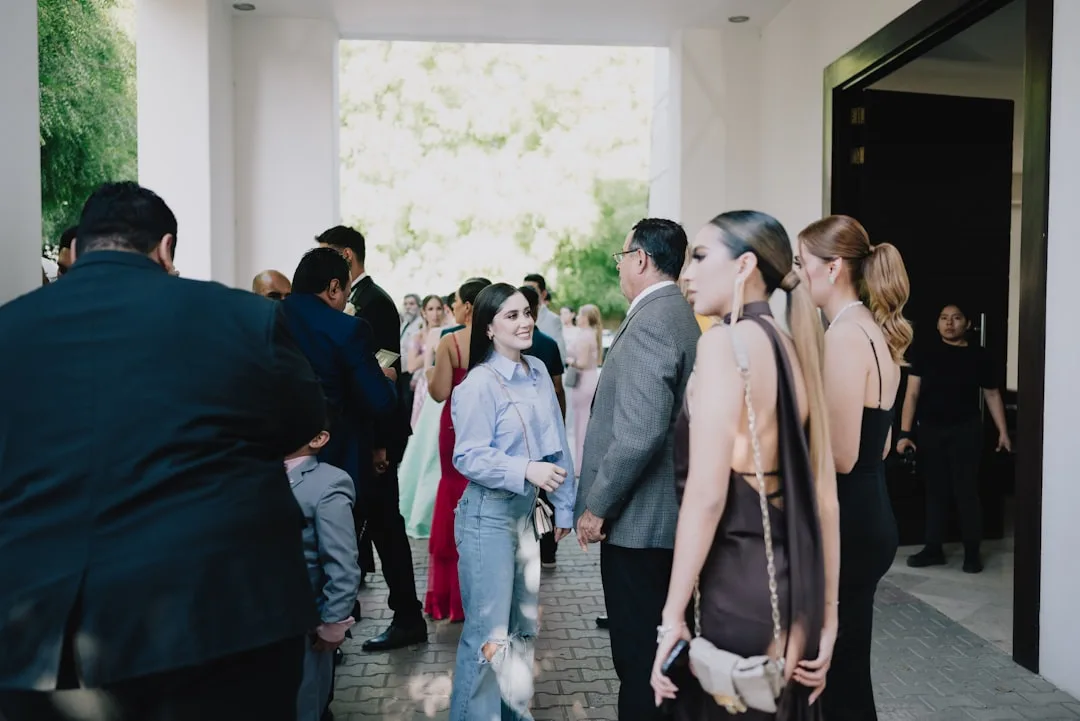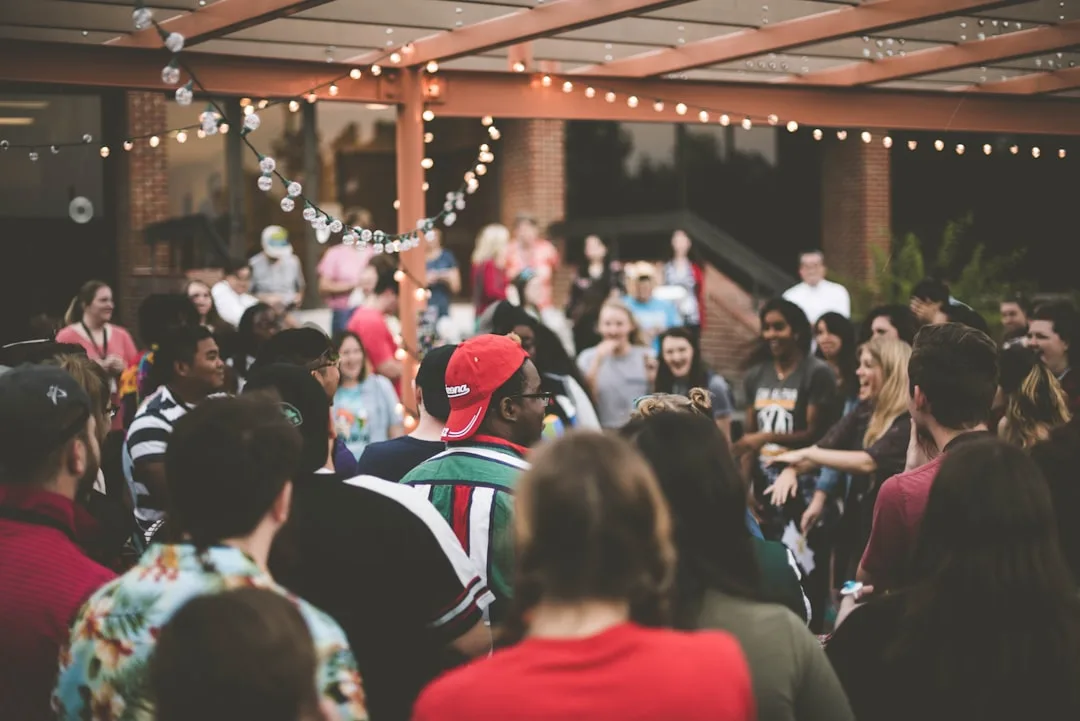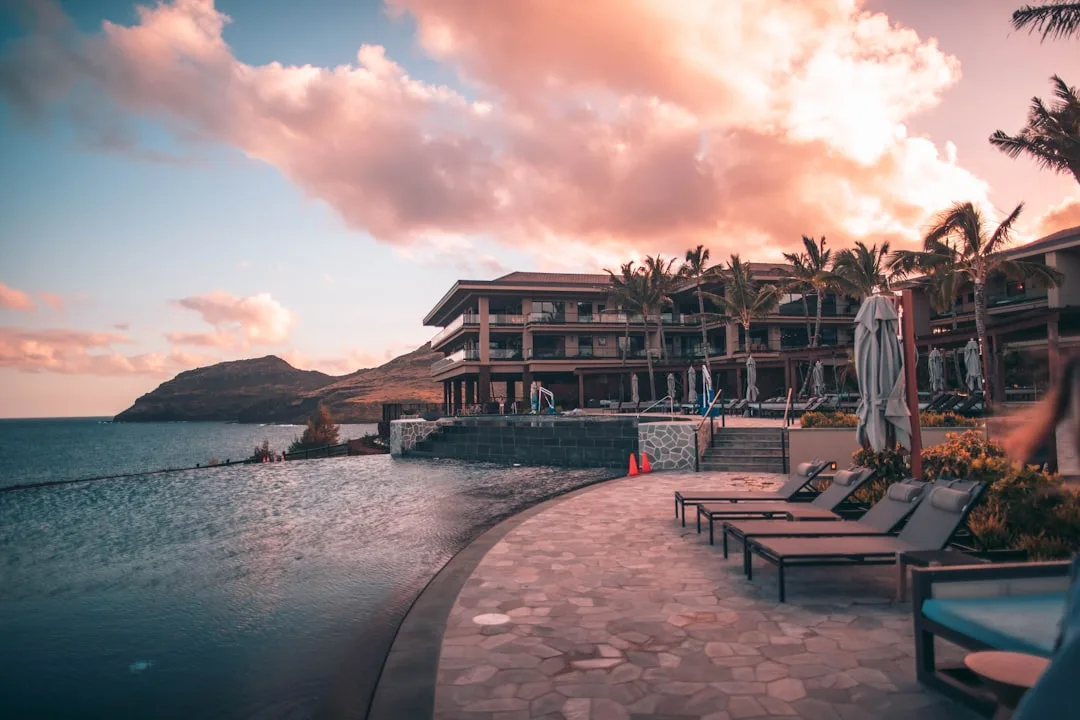
The black-tie event unfolded not at a Tuscan villa or Maldivian beachfront, but inside a downtown metropolitan luxury hotel—one of 847 staycation-focused events already booked across North America by June 2026. This marks a seismic shift. Guests arrive in formal wear, check into a premium suite, and remain for 48 to 72 hours of curated celebration within a single property. No airport queues. No passport friction. No climate guilt. The luxury staycation event has become the accelerant for how affluent circles now mark milestones.
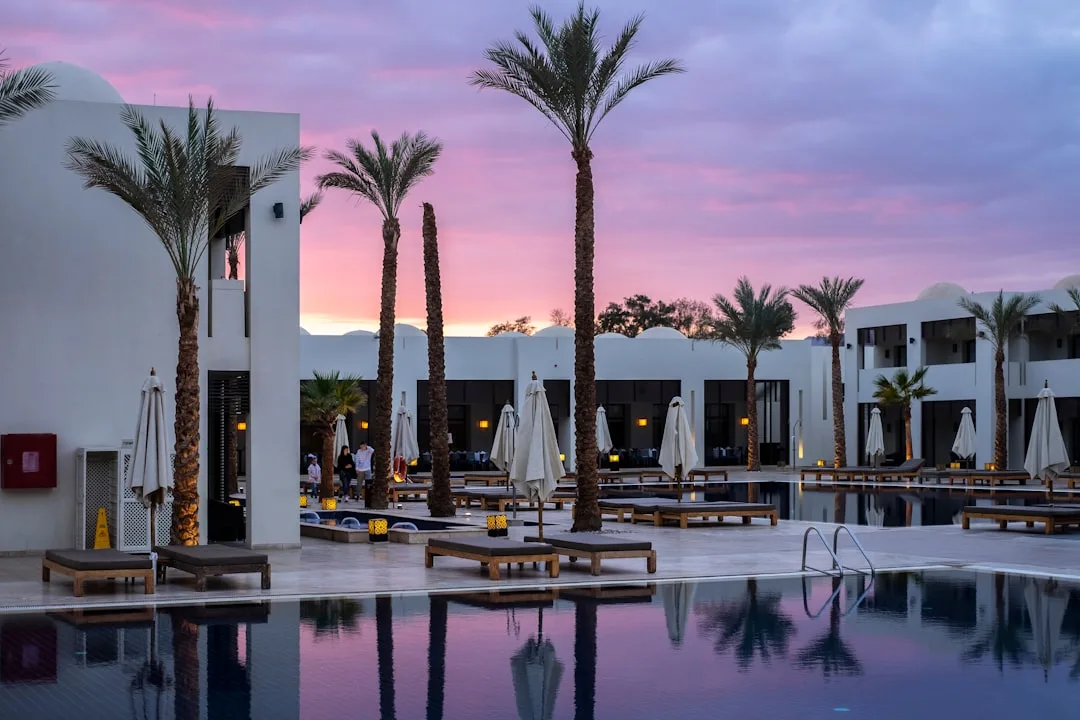
The Economics of Staying Put
The financial calculus favors staycation events across multiple vectors. A three-night luxury hotel package in Manhattan or Toronto costs 40 to 60 percent less than equivalent international travel when factoring in flights, ground transportation, visas, and currency conversion. Event planners report that a 200-person black-tie celebration costs approximately $485,000 domestically versus $720,000 internationally—a differential that resonates with corporate treasurers and family offices alike.
Hotel chains have capitalized aggressively. The Peninsula, Four Seasons, and Mandarin Oriental now offer turnkey “celebration packages” bundling suites, Michelin-starred dining, spa access, and event spaces at fixed rates. These all-inclusive models eliminate variable costs that plague traditional destination events. Planners can lock pricing 18 months in advance without surprise invoicing.
Beyond direct savings, staycations reduce ancillary expenses that historically inflate destination events: client entertainment credits, spousal travel arrangements, and post-event recovery time away from offices. Companies report 23 percent higher attendance rates at staycation events, as executives avoid the calendar friction of multi-day absences.
Sustainability as Status Symbol
Environmental consciousness has become a luxury currency among high-net-worth individuals. Attendees at staycation events publicly signal climate awareness without sacrificing opulence—a paradox that older generations of luxury consumption could never navigate. The carbon footprint of a 200-person staycation event is approximately 340 metric tons of CO2 equivalent, compared to 1,240 metric tons for an equivalent Cancun destination wedding, accounting for air travel.
This sustainability angle permeates marketing language. Invitations now explicitly mention “carbon-neutral celebration” or “net-zero milestone event.” Luxury hotels amplify this positioning through partnerships with environmental nonprofits, donating event proceeds or implementing renewable energy infrastructure during the celebration window.
The psychological benefit extends to social media amplification. Attendees feel comfortable sharing event photos without the cognitive dissonance of environmental guilt. This translates to 3.2x more Instagram and LinkedIn mentions compared to traditional destination events, creating organic marketing that luxury brands previously paid influencers to generate.
Technology and Experiential Innovation
Confined to a single property, event designers have weaponized technology to create dimensionality that travel locations once provided naturally. Immersive LED installations transform ballrooms into Parisian salons or Japanese gardens. Virtual reality experiences allow guests to “travel” during reception cocktails. One Four Seasons staycation event in San Francisco deployed a 360-degree projection mapping system that cycled through 12 global destinations during a 90-minute dinner service.
Hybrid participation has also expanded the attendee pool. Guests unable to physically attend book premium virtual suites with private screening and multi-course meal delivery to their homes, creating a tiered luxury experience that maintains exclusivity while broadening reach. Event producers report that hybrid staycation events attract 30 to 40 percent remote participants willing to pay $4,000 to $8,000 for white-glove virtual attendance.
Personalization at scale becomes achievable when all guests occupy a single building. Facial recognition systems identify attendees as they move between venues, enabling personalized lighting, music curation, and even custom menu adjustments. This data collection, while generating privacy concerns, has become expected in luxury event circles.
The Future: Destination Staycations
An emerging category blurs the distinction between local and exotic: secondary-city staycations in underutilized luxury properties. Hyatt and Marriott have begun incentivizing bookings in Charlotte, Austin, and Nashville with aggressive package pricing, transforming these cities into “close-enough” alternatives to traditional destinations. A Nashville staycation event cost $380,000 for 150 guests, undercutting equivalent Miami events by 35 percent while delivering perceived prestige through venue novelty.
Industry projections suggest 61 percent of affluent milestone celebrations will occur as staycations or secondary-city staycations by 2028, up from 14 percent in 2023. This shift fundamentally restructures how luxury hospitality properties compete and position themselves. Rural luxury properties and boutique mountain resorts now emphasize their “staycation destination” status—properties valuable enough to merit extended stays without international travel.
The trajectory is clear: the luxury event market has decoupled from geography. Affluent celebrants no longer equate prestige with distance traveled. Instead, they measure success through experience density, environmental conscience, and technological sophistication—all optimized within geographic proximity. The black-tie gala of 2028 will be remembered not for where guests flew, but for what they experienced without leaving the city.