Cork wall panels have quietly become the material that interior designers reach for when clients demand warmth without cold modernism. Unlike the hard durability of terrazzo or the visual weight of exposed beams, cork delivers acoustic function alongside genuine comfort. This September 2026, cork wall installations are trending across residential projects because they solve a real problem: open floor plans sound terrible, but homeowners still want them.
Why Cork Wall Panels Address the Acoustic Crisis in Modern Homes
Woven Walls, a UK manufacturer specializing in cork veneers, reports that noise absorption inquiries have tripled since January 2026. Open-plan living—which dominated interiors for two decades—creates an acoustic nightmare: footsteps echo, cooking sounds travel into bedrooms, and conversations bounce off hard surfaces.
Cork naturally absorbs mid-to-high frequencies because of its cellular structure. Each panel contains millions of air pockets that trap sound rather than reflect it back into the room. A single 4mm cork veneer can reduce noise by approximately 8-12 decibels, which translates to a perceptible quieting of everyday activity.
This is why cork wall panels are not a design trend—they are a practical solution masquerading as one. Homeowners installing them report that their open kitchens finally feel separate from living areas, even when the physical barrier remains open.
Quick Tips
- Specify 3-6mm thickness for residential feature walls; thicker panels absorb more low-frequency sound but require professional installation
- Pair cork with pale plaster or white joinery to prevent visual heaviness in compact spaces
- Source naturally finished cork (not stained) to preserve acoustic properties; sealants can reduce absorption by up to 30 percent
- Install cork on walls adjacent to stairs or open boundaries, not every surface, to maintain visual balance and prevent cave-like interiors
Cork Wall Panels Bring Color and Texture Without Overwhelming Space
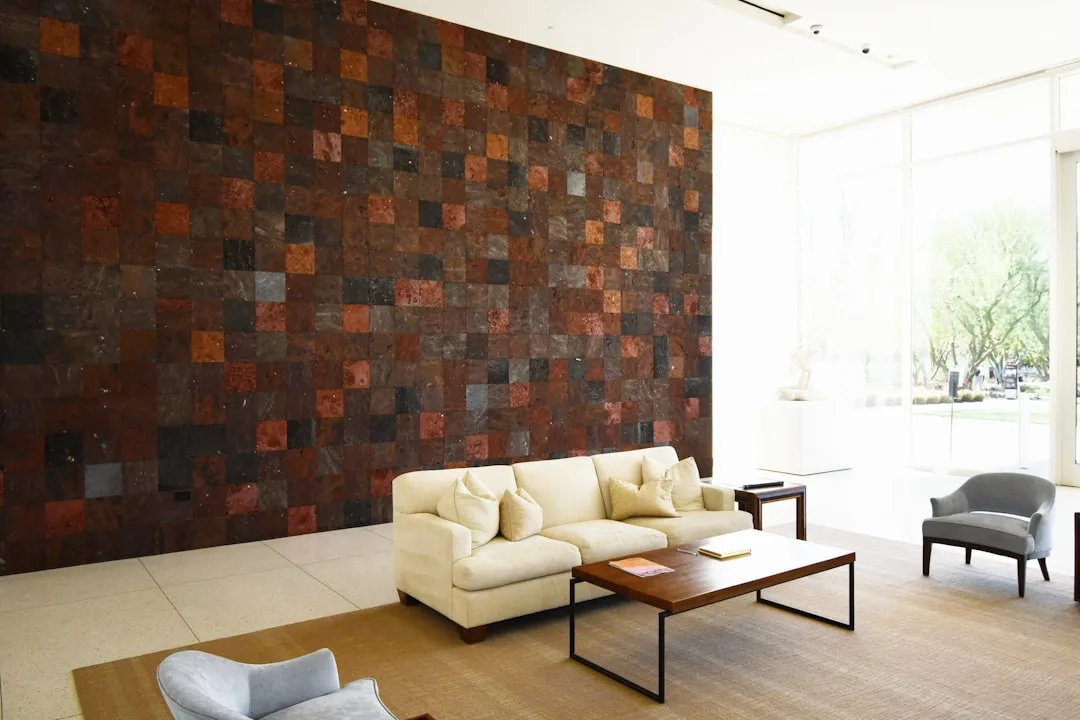
The 2026 color palette for cork ranges from warm honey tones (most common) to deep charcoal and grey-brown variants. Jelinek Cork Group, a major European supplier, released a new collection in August featuring pre-finished panels with sealed edges, reducing installation complexity by 40 percent.
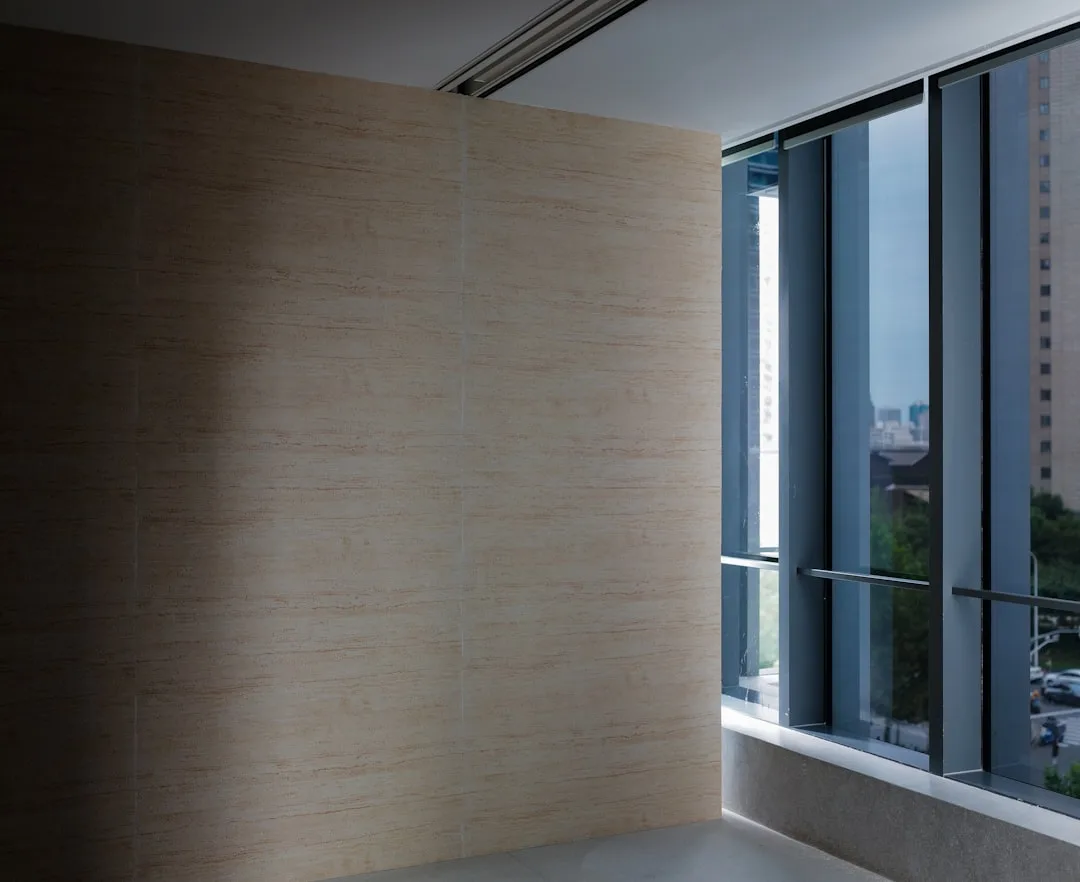
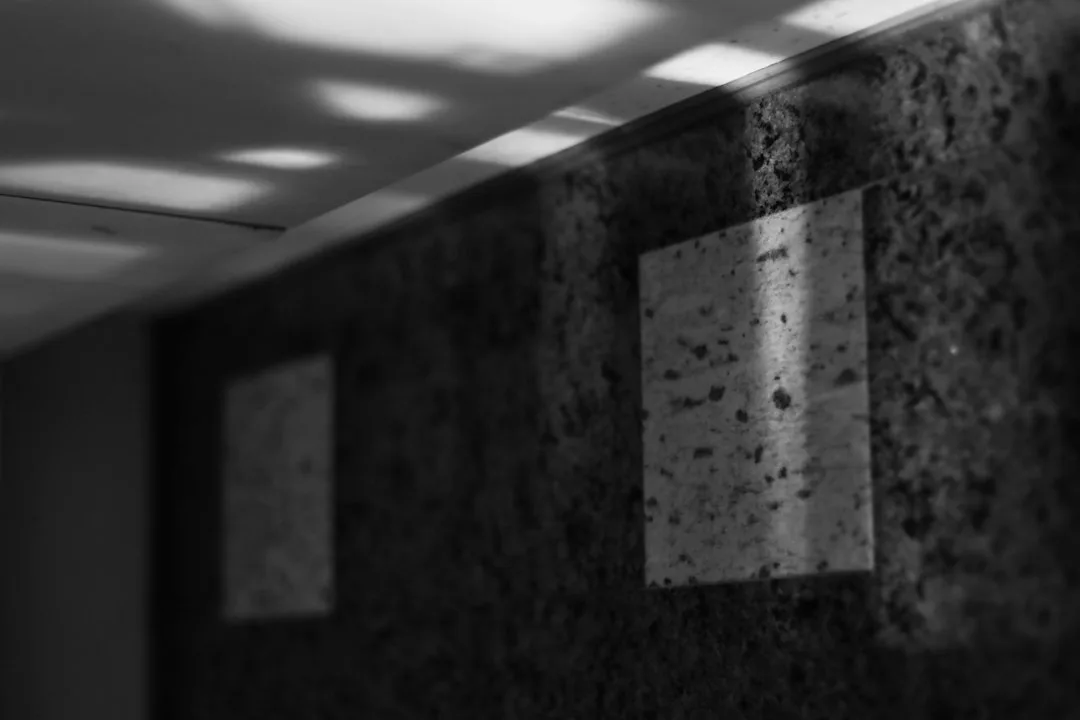
Unlike paint, cork texture reads differently depending on light angle and time of day. Morning light reveals the grain; afternoon light flattens it. This subtle variation is why cork feels alive in ways that uniform wall finishes do not.
| Finish Type | Sound Absorption | Best For |
|---|---|---|
| Natural (unfinished) | 8–12 dB reduction | Bedrooms, studies, home offices |
| Sealed (wax/resin) | 5–8 dB reduction | Kitchens, bathrooms (moisture resistance) |
| Stained darker | 6–10 dB reduction | Modern minimalist, dark academia looks |
| Textured embossed | 9–14 dB reduction | Living rooms, hospitality spaces |
The Mistake: Installing Cork on Every Wall Instead of Strategic Placement
The most common failure happens when homeowners or less experienced designers coat entire rooms in cork. A fully cork-lined bedroom looks more like a sound booth than a restful sanctuary.
The correct approach uses cork as a feature wall, typically on the wall that receives the most noise impact—usually the one facing open kitchens or stairs. A timber-framed London townhouse project by interior architect Tamsin Carvan used cork on a single bedroom wall facing a wooden staircase; the result reduced morning footstep noise significantly while keeping the opposite wall in pale Farrow & Ball paint.
Covering all four walls also wastes money and obscures the material’s textural appeal. Cork performs best when it contrasts with other surfaces.
Cork Sustainability Matters to 2026 Buyers More Than Price
Cork harvesting does not kill trees. Bark is stripped from living cork oaks every nine years, making cork one of the most renewable interior materials available. A single tree produces cork for over 200 years.
This environmental credential resonates strongly with the luxury market segment driving interior trends. When specifying how to build a beautiful home with stylish interiors by designing with a purpose, architects now lead with cork’s regenerative backstory before discussing aesthetics.
Portuguese cork (the highest quality) commands premium pricing but delivers superior texture consistency. Spanish and Turkish cork offers comparable acoustic performance at lower cost, making it practical for budget-conscious projects.
Installation Requirements and Maintenance Reality
Cork panels require level walls and proper substrate preparation. Uneven plaster or drywall will telegraph through the material, making imperfections visible rather than hidden. Professional installation typically runs 2–3 days for a bedroom-sized space.
Maintenance is minimal: vacuuming monthly and light dusting prevent dust accumulation in the texture. Cork resists staining naturally, though spilled wine or coffee should be wiped immediately. Unlike terrazzo or micro-cement, cork does not require sealing or polishing.
Long-term durability in residential settings exceeds 15 years before visible wear appears. Hospitality spaces see faster degradation (5–7 years) due to higher traffic, but residential applications justify the investment through acoustic and aesthetic returns.
Cork Wall Panels Complement Both Warm and Minimalist Aesthetics
Pairing cork with warm wood (walnut, oak) creates the Japandi aesthetic without requiring ceiling beams or architectural intervention. Discovering Japandi bedroom design for zen interiors often incorporates cork as the background layer, letting wood furniture take focal prominence.
Conversely, cork alongside white plaster, pale grey paint, and stainless steel hardware reads as contemporary and restrained. The key is respecting cork’s warmth: pairing it with cool tones (navy, charcoal, true black) creates visual tension that reads expensive rather than disjointed.
By September 2026, cork wall panels represent the rare trend that solves practical problems while delivering genuine design satisfaction. This is why it trends—not because Instagram made it popular, but because it works.