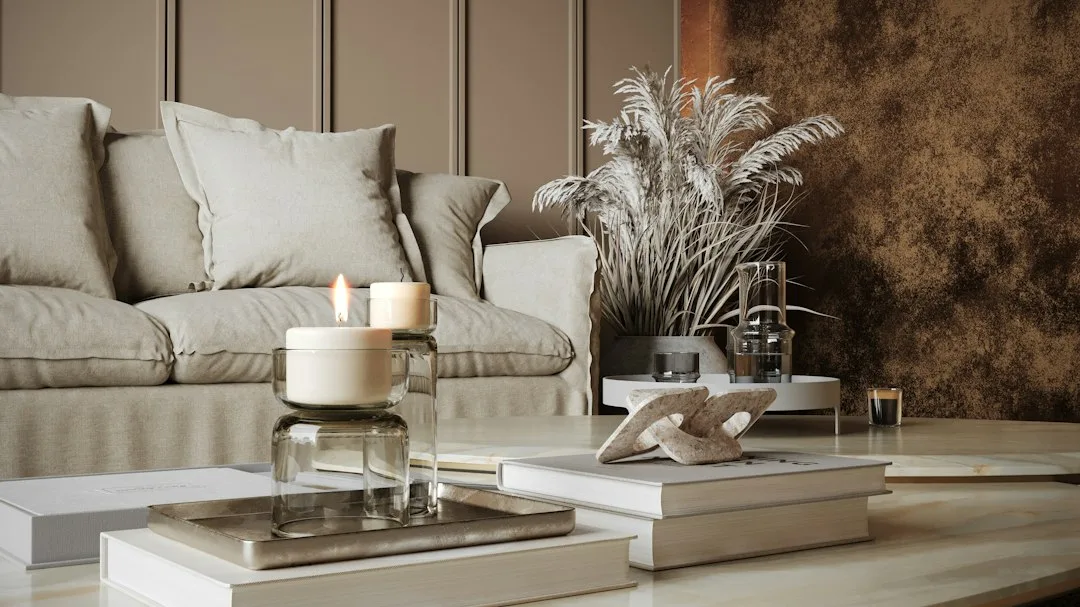
Warm metallic wall finishes are reshaping how homeowners think about reflection and texture in 2026. Unlike the cold chrome and silver accents that dominated the previous decade, warm metallics—copper, brass, rose gold, and aged gold—create surfaces that absorb and diffuse light rather than bounce it harshly. This shift reflects a broader move away from stark minimalism toward spaces that feel both refined and lived-in.
The trend emerged from three converging forces: the continued influence of maximalist design, a renewed interest in artisan wall treatments, and the limitations people discovered with flat matte finishes during the pandemic’s extended home-spending years. Warm metallic wall finishes offer something matte paint cannot: dimensional luminosity that changes throughout the day.
How Copper and Brass Wall Coatings Anchor Living Spaces
Farrow & Ball’s Metallics range, which includes finishes like “Old Gold” and “Archival” (a warm copper-tone), has seen inventory strain across UK stockists since spring 2026. These aren’t metallic paints in the traditional sense—they’re specialized wall finishes that use mica-based pigments suspended in a binder that allows light to penetrate the surface rather than reflect off it. The copper variants create warmth comparable to candlelight.
Applying warm metallic wall finishes requires three to four coats and surface preparation that eliminates ridges or imperfections. Most professionals recommend priming with a warm gray undercoat first, which ensures the metallic pigments read as warm rather than neutral or cool-toned. The finished surface feels slightly velvety to the touch, not slick.
A 12-foot by 14-foot bedroom accent wall costs between $400 and $700 in labor and materials when professionally installed. This replaces what would have been a $60-100 wall with conventional paint, but the finish lasts eight to twelve years without chalking or fading.
Quick Tips
- Test warm metallic finishes in north-facing and south-facing rooms separately—light direction dramatically shifts how the finish reads
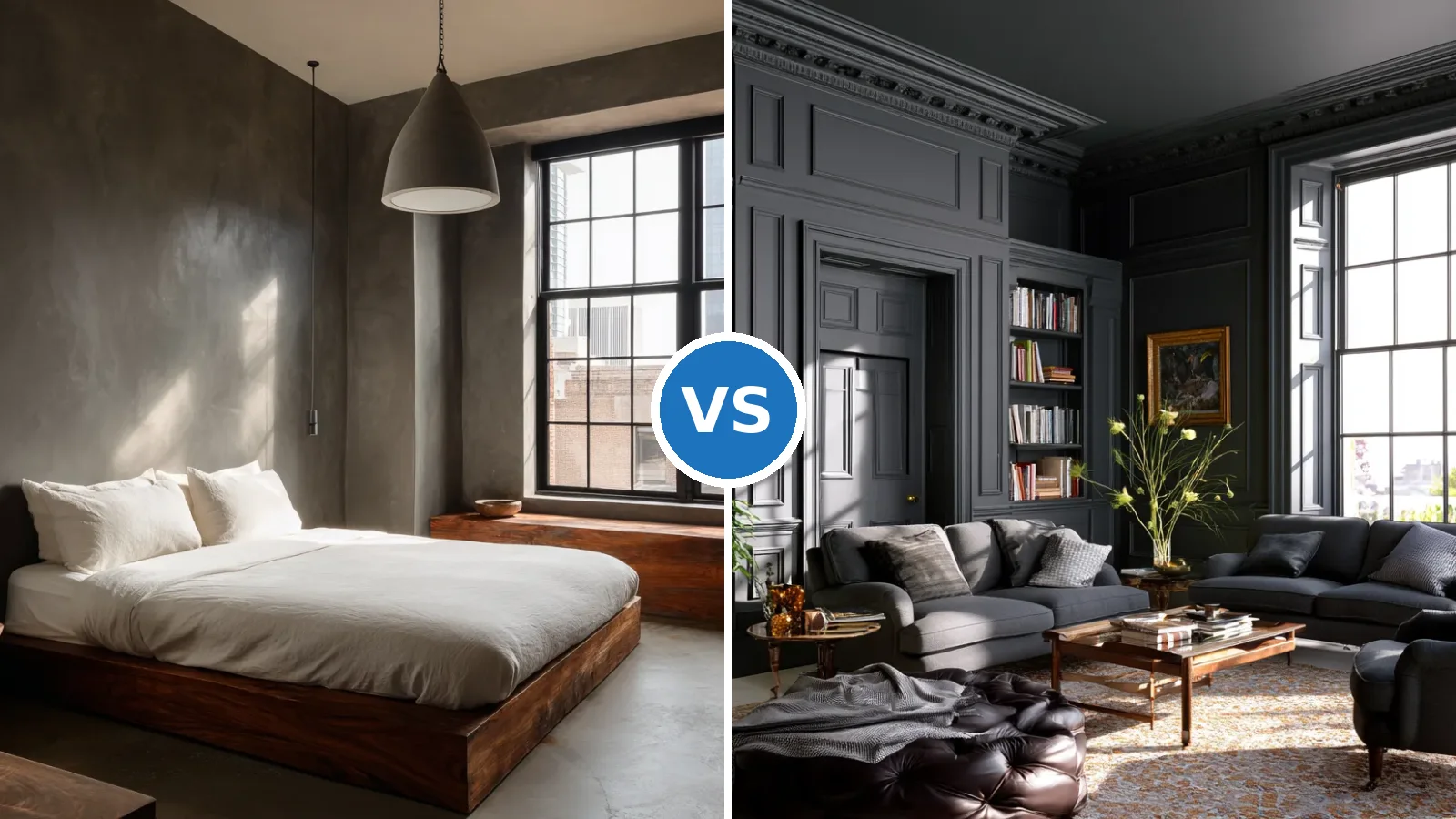
- Pair copper finishes with charcoal, deep green, or off-white walls to prevent the space feeling overwhelming
- Apply matte topcoats over warm metallics if you prefer less reflectivity; high-gloss amplifies the luminous effect
- Warm brass finishes work best in bedrooms and bathrooms; copper suits kitchens and dining areas where warmth naturally congregates
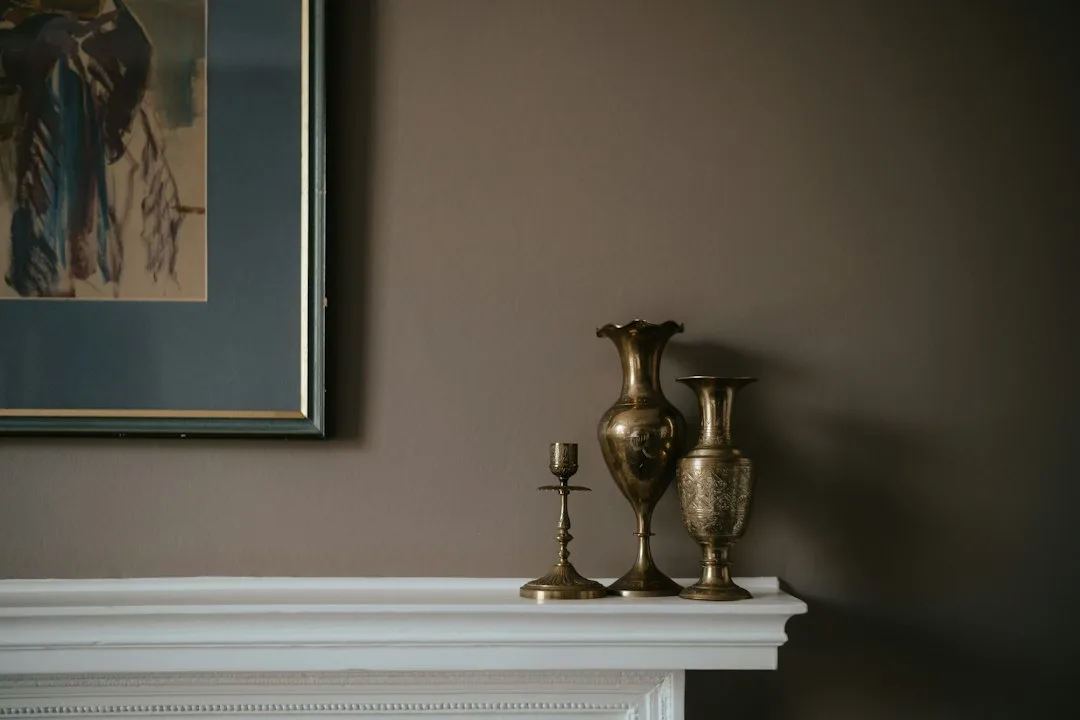
Rose Gold Wall Finishes Create Subtle Glamour Without Drama
Benjamin Moore’s “Metallic Rose” and Sherwin-Williams’ “Cavern Clay with Metallic” represent the softer end of the metallic spectrum. Rose gold finishes are technically warm pinks infused with mica, creating a finish that reads differently depending on whether natural or artificial light dominates the room. In morning light, the surface appears almost blush-colored; under evening artificial light, it deepens into a warmer champagne tone.
Rose gold works exceptionally well on bathroom feature walls, particularly behind floating vanities or in powder rooms where the finish catches light from overhead fixtures. The subtle warmth counteracts the coolness of tile, chrome fixtures, and mirror glass without clashing with them.
One critical mistake: applying rose gold finishes to large square footage in open-plan spaces. When more than 60 square feet of rose gold catches light simultaneously, it can read as pink or bubblegum-toned rather than sophisticated. The solution is confining rose gold to accent walls or powder rooms under 100 square feet.
| Metallic Type | Best Rooms | Light Behavior |
|---|---|---|
| Warm Copper | Kitchens, dining areas, bedrooms | Deepens in warm artificial light |
| Aged Brass | Entryways, living rooms, studies | Softens in afternoon natural light |
| Rose Gold | Bathrooms, powder rooms, bedrooms | Shifts from blush to champagne |
| Burnished Gold | Accent walls, feature walls | Most reflective; requires balanced lighting |
Why Warm Metallic Wall Finishes Replace Traditional Feature Wall Paint
The psychological shift toward metallic finishes stems from pandemic-era burnout with static interiors. Homeowners discovered that plain accent walls—even in moody colors—felt flat and lifeless after prolonged exposure. Warm metallic surfaces address this by introducing movement and dimensionality without requiring structural changes or additional furniture.
Unlike designing with purpose by styling interiors with intention, metallic finishes actively participate in how rooms feel at different times of day. A copper wall glows warmly at dusk, appears subtly textured at noon, and recedes into shadow by evening. This variability makes rooms feel less static and more responsive to natural rhythms.
Professional installers report that homeowners are moving away from flat matte accent walls—the previous five-year trend—toward finishes with surface complexity. Warm metallics represent a bridge between maximalist texture and minimalist restraint.
Application Techniques That Prevent Uneven Metallic Coverage
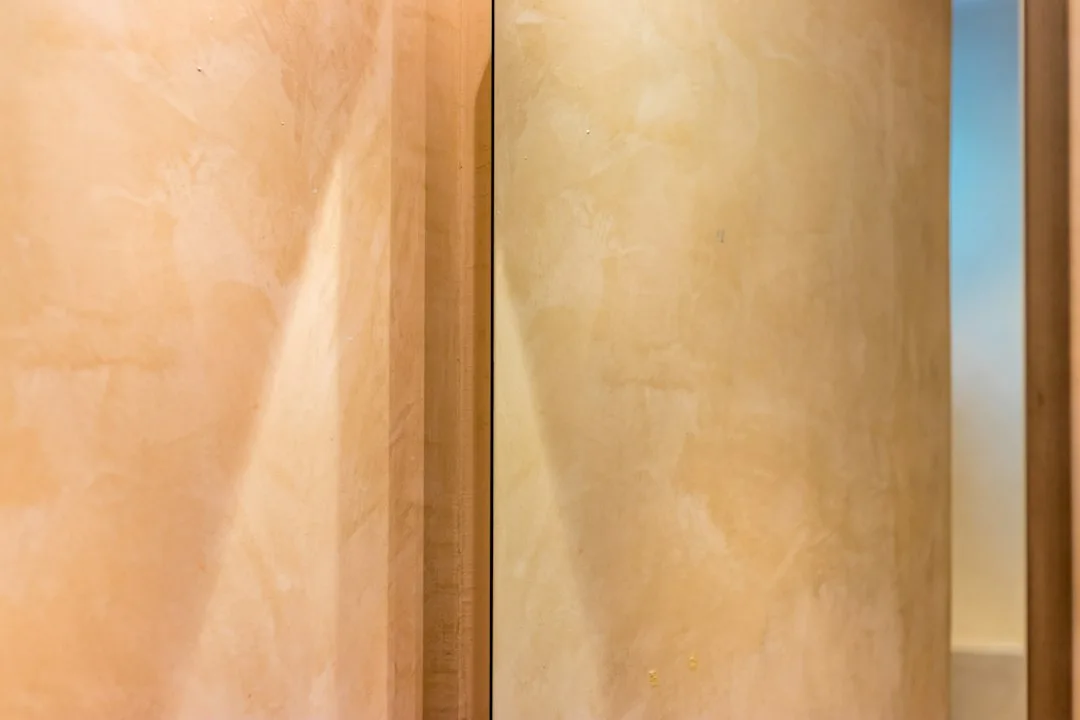
The most common installation failure occurs when painters apply metallic finishes with standard roller techniques. Metallic wall finishes require specific application methods to prevent streaking, lap marks, or areas where mica pigments concentrate unevenly. Professional application uses foam rollers (never napped rollers) and overlapping techniques that ensure mica particles distribute consistently.
Humidity affects cure time significantly. Warm metallic finishes should cure in environments between 45-65% relative humidity and temperatures above 60°F. Applying the finish during humid summer months can extend cure time from seven days to two weeks, which many DIY installers don’t anticipate.
Surface preparation consumes 60-70% of installation time. Walls must be sanded, primed, and inspected under raking light to identify ridges or dust nibs. Skipping this step creates a finished wall where imperfections are magnified by the metallic sheen—the opposite of the intention.
Combining Warm Metallics With Textured Finishes and Natural Materials
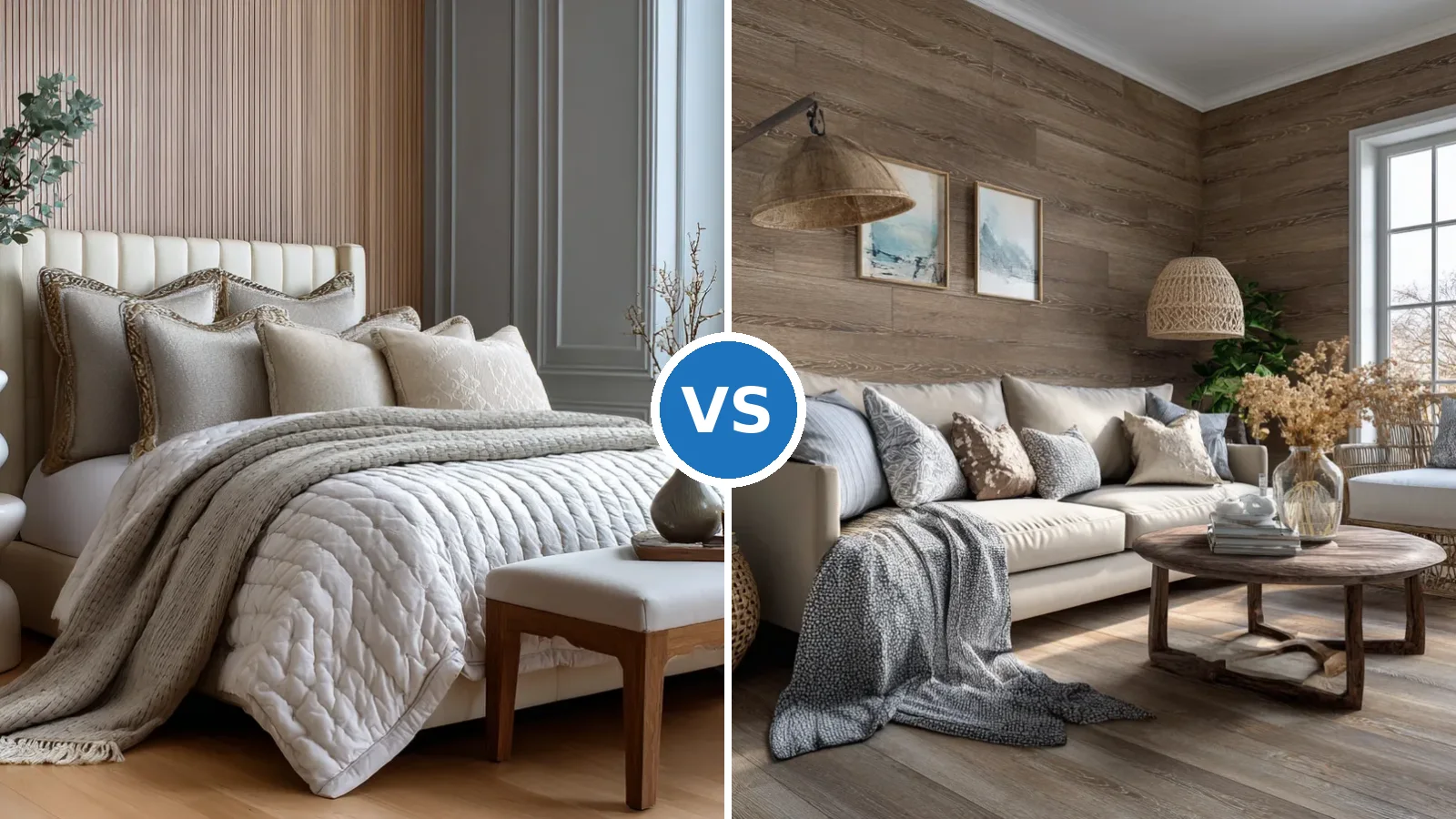
The most successful interiors in 2026 pair warm metallic wall finishes with complementary textures. Combining a burnished copper wall with warm wood ceiling beams, natural linen furniture, and raw wood shelving creates a cohesive, grounded aesthetic. The metallics catch light; the wood and textiles absorb it, creating visual balance.
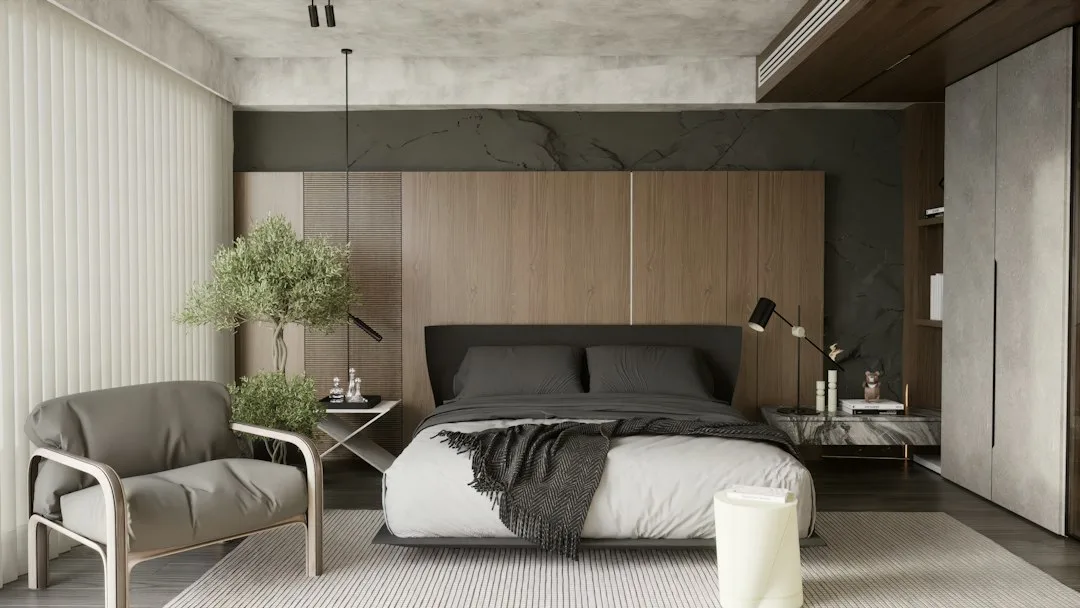
Warm metallics also pair beautifully with Japandi bedroom design that brings zen minimalism and warmth to modern spaces. The subtle metallic finish echoes the understated luxury of Japandi without introducing visual noise. A soft brass finish behind a low platform bed and warm wood slats creates a bedroom that feels both meditative and luxurious.
Texture layering prevents metallic finishes from feeling cold or overly contemporary. Pairing warm copper with plaster accent walls, stone countertops, or linen upholstery ensures the space reads as warm and inviting rather than industrial or sterile.