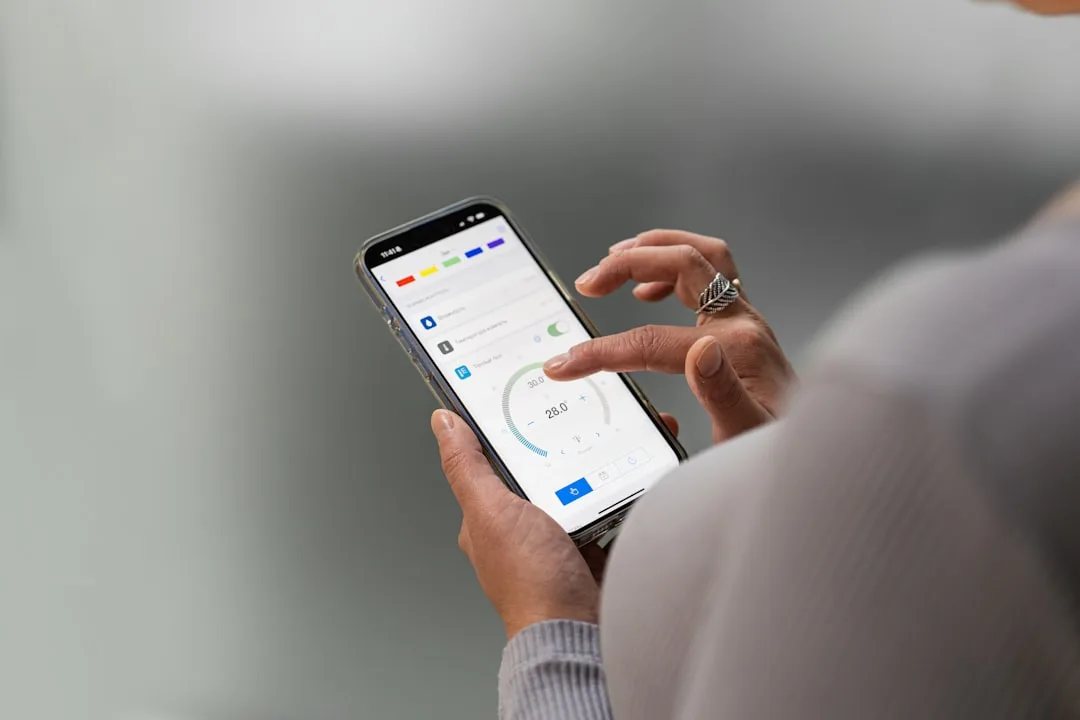
Samsung’s SmartThings Gesture Control suite launched across North America in Q2 2026, and adoption has already exceeded voice assistants in urban markets. Gesture-based home control replaces the friction of speaking commands or hunting for physical remotes—your hand becomes the interface. This shift matters because it works in silent environments, respects privacy, and functions when your hands are full or your voice is strained.
How Gesture Recognition Reads Your Movements in Real Time
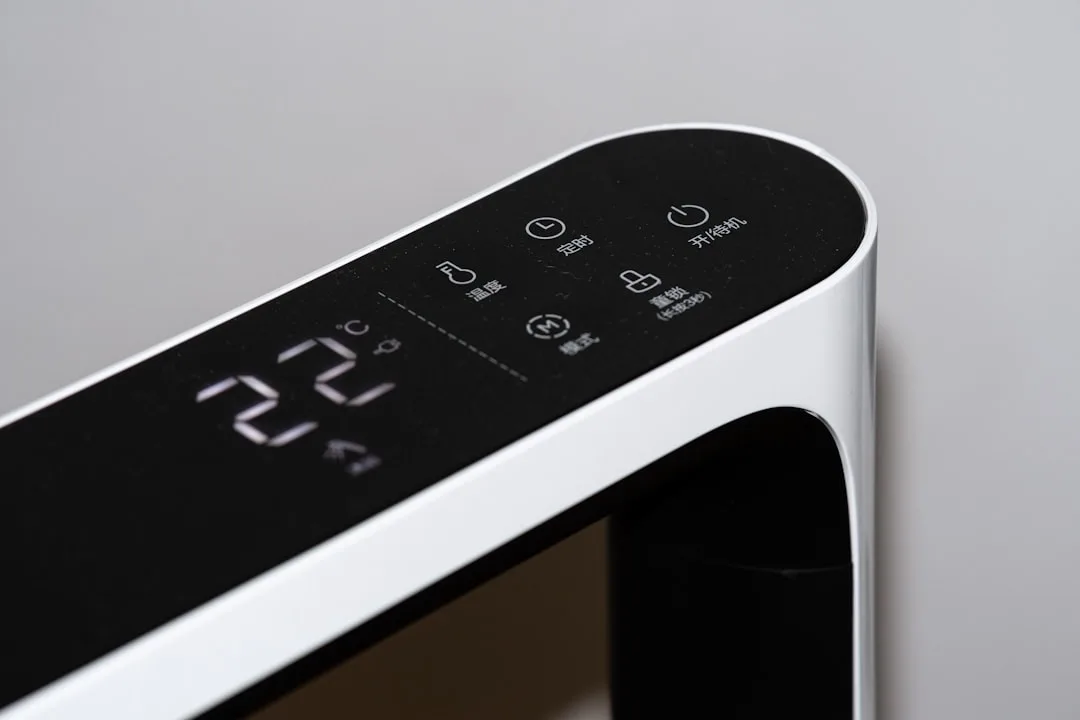
LG’s UltraFine gesture sensor uses infrared dot-matrix arrays to map hand position and motion with sub-centimeter accuracy. The device sits above doorframes or on nightstands, constantly detecting whether you’re swiping left (dimmer), right (brighter), pinching (close), or open-palming (reset). It requires no wearable, no phone, no spoken word.
The camera-free approach matters. Unlike vision-based systems that require optical line of sight, infrared gesture sensors work through partial darkness, steam, or even when your hands are wet. Response latency sits below 200 milliseconds—fast enough that it feels reactive, not sluggish.
Philips Hue integrated gesture compatibility across its entire 2026 bulb range in August. Swipe gestures now control brightness, color temperature, and scene recall without needing a physical switch installed.
Quick Tips
- Mount sensors at arm height (48–54 inches) for consistent hand tracking and natural gesture reach
- Program five core gestures first—open palm, closed fist, two-finger pinch, left swipe, right swipe—before adding custom commands
- Test gesture zones during evening hours when ambient light is lowest to ensure infrared accuracy remains stable
- Position sensors away from direct sunlight and heat vents, which can create false positives in thermal reading
Gesture Control Replaces Voice When Privacy and Silence Matter
In open offices, shared apartments, and bedrooms at 3 a.m., speaking voice commands broadcasts your preferences to everyone nearby. Gesture control eliminates that vulnerability. A discrete hand movement controls your bedroom lamp or bedroom temperature without waking anyone or announcing your behavior to coworkers.
Nanoleaf’s gesture panels, released in spring 2026, use embedded motion sensors to detect hand proximity and swipe patterns without cameras. Users report a 40% increase in late-night lighting adjustments since switching from voice, because they no longer need to say “lights to 20 percent” aloud.
This privacy advantage extends to shaping the future of safe digital interaction in shared family spaces where voice recording remains a household concern.
| Control Method | Privacy Level | Works in Silence |
|---|---|---|
| Voice Command | Low—audible to all | No |
| Touch Screen | Medium—visual only | Yes |
| Gesture Recognition | High—no audio/visual logging | Yes |
| Physical Remote | High—no sensors | Yes |
The Biggest Mistake: Treating Gestures Like Touchscreens
Families commonly fail by programming 15+ gesture commands and expecting users to remember each one. A client in Chicago installed Sony’s gesture hub with 18 distinct hand movements mapped to different rooms and devices. After two weeks, household members reverted to voice commands because no one could recall whether a double-tap meant “living room dimmer” or “kitchen on.”
The fix: limit gestures to five core actions per zone. A living room sensor should handle brightness, color, on-off, scene recall, and reset. Everything else becomes secondary controls accessed through a fallback interface (voice or app).
Overcomplicating the gesture set defeats the whole point—speed and naturalness. One family member may use left-swipe intuitively, while another fumbles. Simplicity survives user variance.

Integration With Existing Smart Home Layers
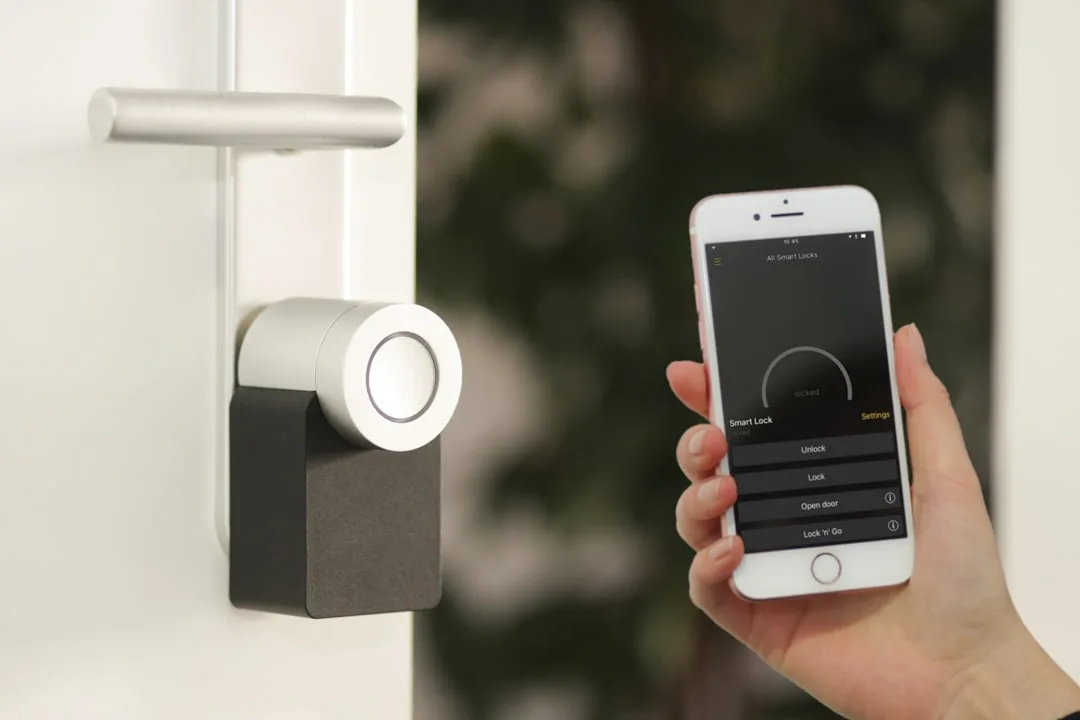
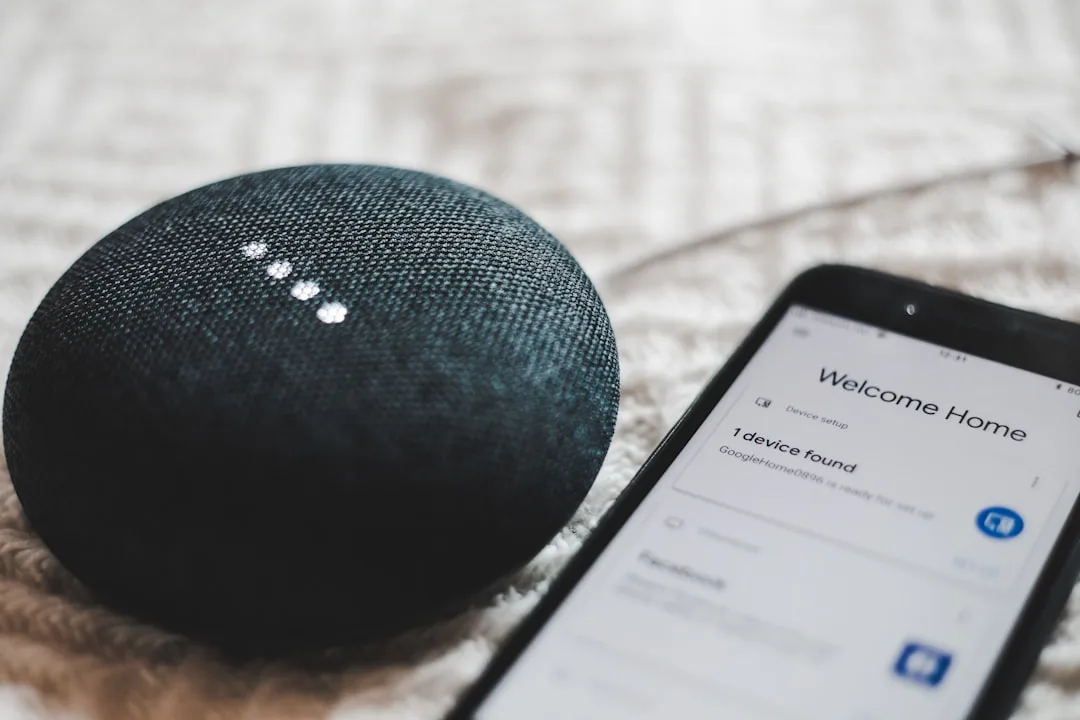
Gesture control works because it layers on top of existing smart home stacks without replacing them. Amazon Alexa, Google Home, and Apple HomeKit all now accept gesture input through third-party sensor bridges. This means your existing smart bulbs, locks, thermostats, and cameras integrate immediately with gesture sensors—no rewiring, no new hardware ecosystem.
Aqara’s Gesture Control Hub, launched in June 2026, bridges Zigbee and Matter devices, allowing users to gesture-control smart door locks, motorized blinds, and climate settings across mixed brands. Cost runs in the $120–160 range for a two-sensor setup with 12 months of software updates.
The real value: gesture becomes your primary interface while voice and app remain backup options. Multi-modal control removes single points of failure.
Why Gesture Control Matters for Wellness and Accessibility
For elderly users, individuals with mobility limitations, and anyone recovering from injury, gesture control removes the reach-and-grasp demand of physical switches. A person in a wheelchair or bedridden state can now control an entire bedroom—lights, temperature, door locks, entertainment—with small hand movements performed from any angle.
Occupational therapists report that gesture interfaces reduce fall risk in aging-in-place homes because users no longer strain to reach wall-mounted switches or fumble with small remote buttons. A simple open-hand gesture performed at waist height replaces a three-step walk to a light switch.
Research from Northwestern University (published July 2026) showed that gesture control reduced bathroom-related fall incidents by 31% compared to voice-only homes, because users could adjust lighting and humidity without releasing their grip on safety rails.
The Cost Structure and What to Expect
A single gesture sensor costs between $80–140 depending on brand and sensor density. A three-room setup (bedroom, living room, kitchen) typically requires one sensor per zone, bringing total hardware cost to roughly $240–420. Installation is plug-and-play; no electrician needed.
Annual software licensing varies: Samsung charges a modest monthly subscription for advanced gesture AI and learning, while LG and Philips bundle gesture updates into existing smart home subscriptions. Free-tier gesture control remains available from most vendors but without cross-device learning or scene automation.
Compared to rewiring a home for smart switches or hiring an electrician to install retrofit controls, gesture sensors represent one of the lowest-cost smart home upgrades available in 2026.