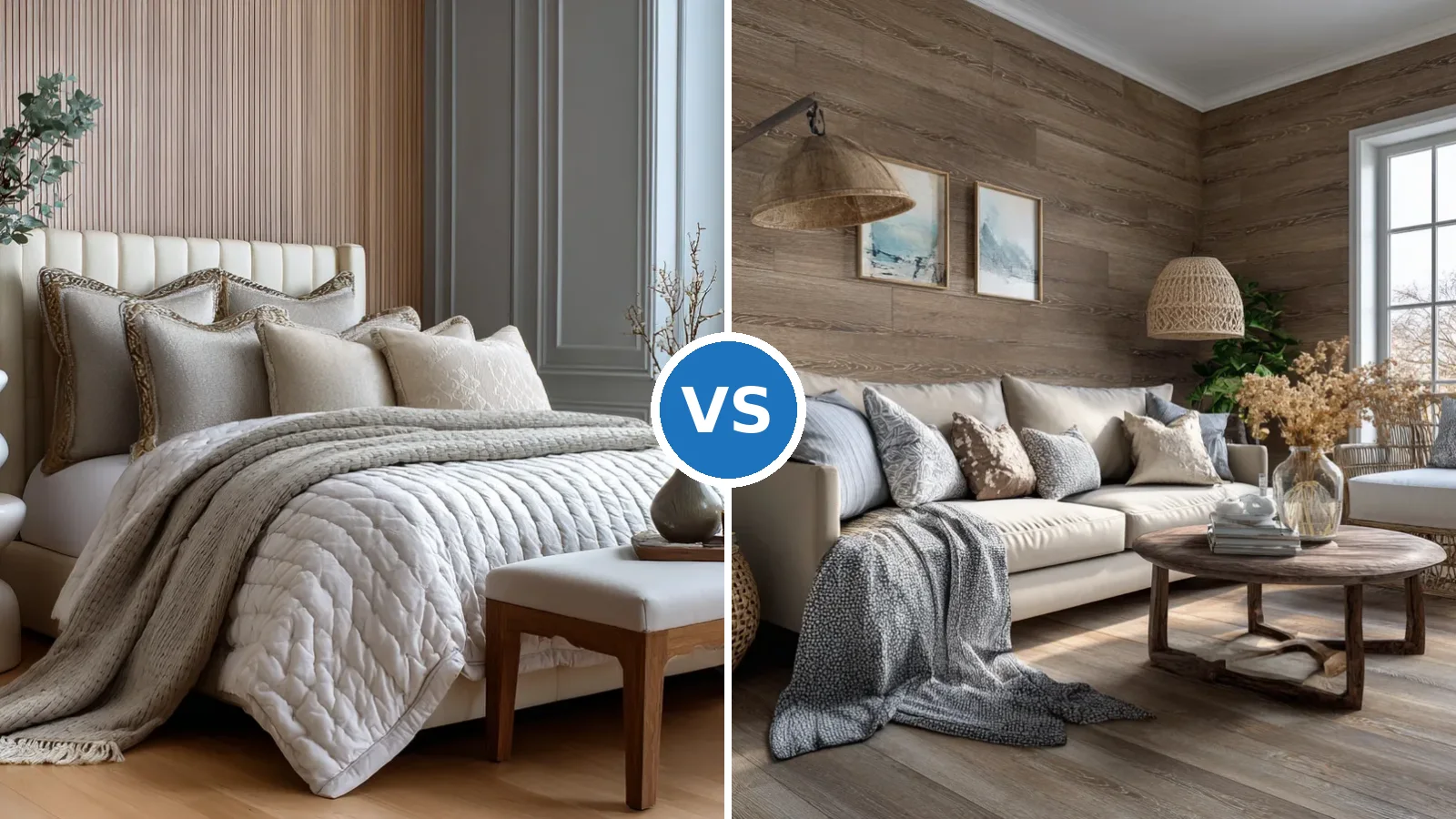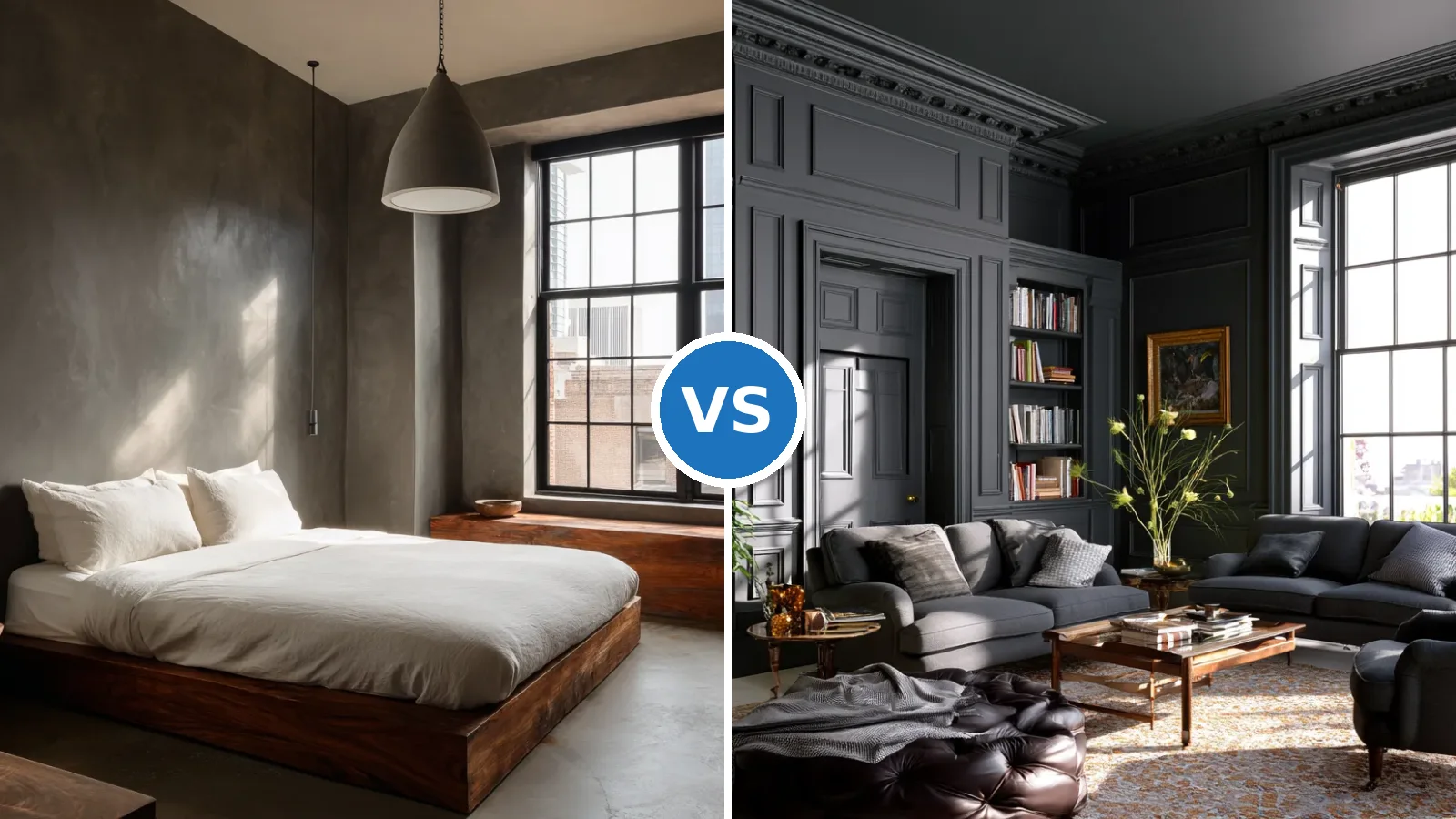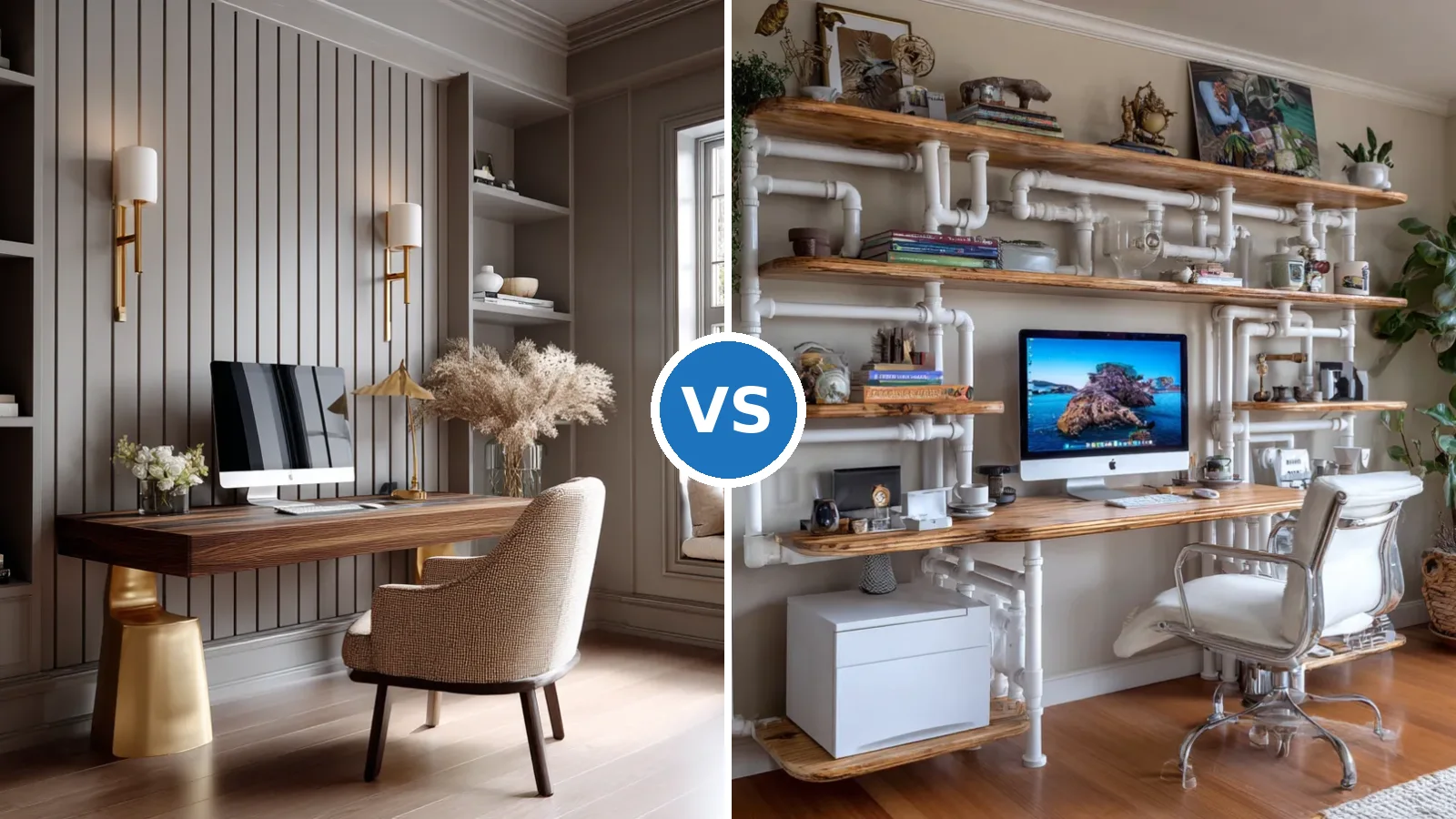
You’re standing in your living room deciding whether to commit to wall panels that look and feel like finished wood or grab something faster and cheaper that still refreshes the space. The choice between wpc wall panel vs pvc comes down to how much you value authentic grain, acoustic dampening, and long-term durability against upfront savings and hassle-free moisture defense. WPC wins on visual warmth and sound control; PVC wins on initial cost and water-proof performance in damp rooms.

What WPC and PVC wall panels actually are
WPC wall panel designs blend wood fiber with thermoplastic to create composite boards that look carved or naturally grained yet resist moisture and insects. The wood content delivers authentic visual character; the plastic matrix keeps water absorption below 1 percent and eliminates warping. Installation typically runs $12–$26 per square meter complete, with an indoor service life of 20–30 years and only occasional wiping required.
PVC wall panels are rigid plastic sheets available in numerous colors and textures, designed for quick installation and maximum moisture shrug-off. They require minimal upkeep, resist dust and water, and can be installed as a DIY project with basic tools. PVC offers a lower upfront investment and works equally well in kitchens, bathrooms, and other moisture-prone zones.
Quick Verdict
- Choose WPC if you value authentic wood grain, acoustic dampening, and a 20–30 year indoor lifespan in bedrooms, living rooms, or offices.
- Choose PVC if budget is your primary constraint, moisture and humidity are constant concerns, or you want the fastest DIY installation.
- Choose WPC if sound reduction and thermal buffering matter—both are built into the composite core.
- Choose PVC if you’re refreshing a kitchen, bathroom, or any space where water splashes are the norm.
Cost, durability, and maintenance head to head
Material for WPC panels ranges from $8–$25 per square meter, with complete installation landing at $12–$26 per square meter depending on profile depth. The textured, classic, and modern finishes all sit in that same band, so your design choice doesn’t spike the tab. PVC panels cost noticeably less to acquire and install, making them the pick for tight budgets or quick refresh projects.
Durability favors WPC indoors. With 20–30 years of indoor service life, WPC delivers long-term stability; PVC lifespan is not specified in available sources. WPC’s water absorption below 1 percent means zero swelling, rot, or seasonal movement; PVC’s moisture resistance is equally strong, but it lacks the structural density that WPC brings to high-impact zones.
Maintenance is nearly identical: both wipe clean with a soft cloth and mild soap, neither attracts dust, and both resist spills when tended promptly. The real edge goes to WPC in living rooms and bedrooms, where the closed composite surface shrugs off scuffs and furniture marks better than some budget PVC finishes.

Where WPC wall panel vs PVC performance diverges
| Criteria | WPC | PVC |
|---|---|---|
| Installed Cost | $12–$26 per m² | Lower upfront |
| Water Absorption | Below 1% | Highly resistant |
| Indoor Lifespan | 20–30 years | Not specified |
| Acoustic Reduction | 8–14 dB mid-range | Not specified |
| Visual Authenticity | Wood grain and carved relief | Texture and pattern options |
| Moisture in Bathrooms | Highly resistant; best in dry-to-damp rooms | Optimal; plastic core resists water in wet zones |
| DIY Installation | Dry-fit process, one day per wall | Easier with fewer tools |
Where WPC Wins
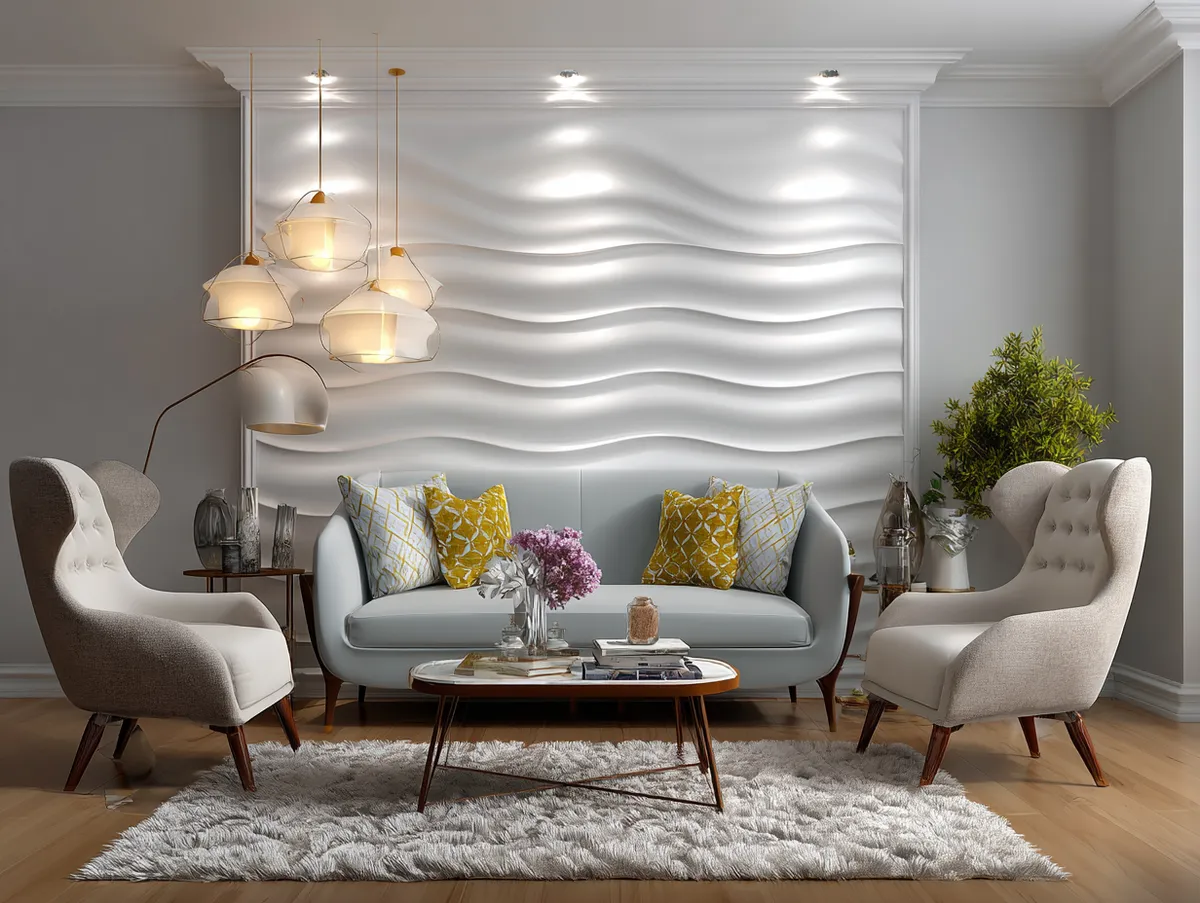
WPC panels deliver acoustic benefits that PVC cannot match. A textured WPC surface absorbs mid-frequency noise by roughly 8–14 dB, turning a bedroom wall into a passive sound buffer without adding soft furnishings that trap dust. That same density also slows heat transfer, keeping rooms slightly warmer in winter—a genuine energy edge.
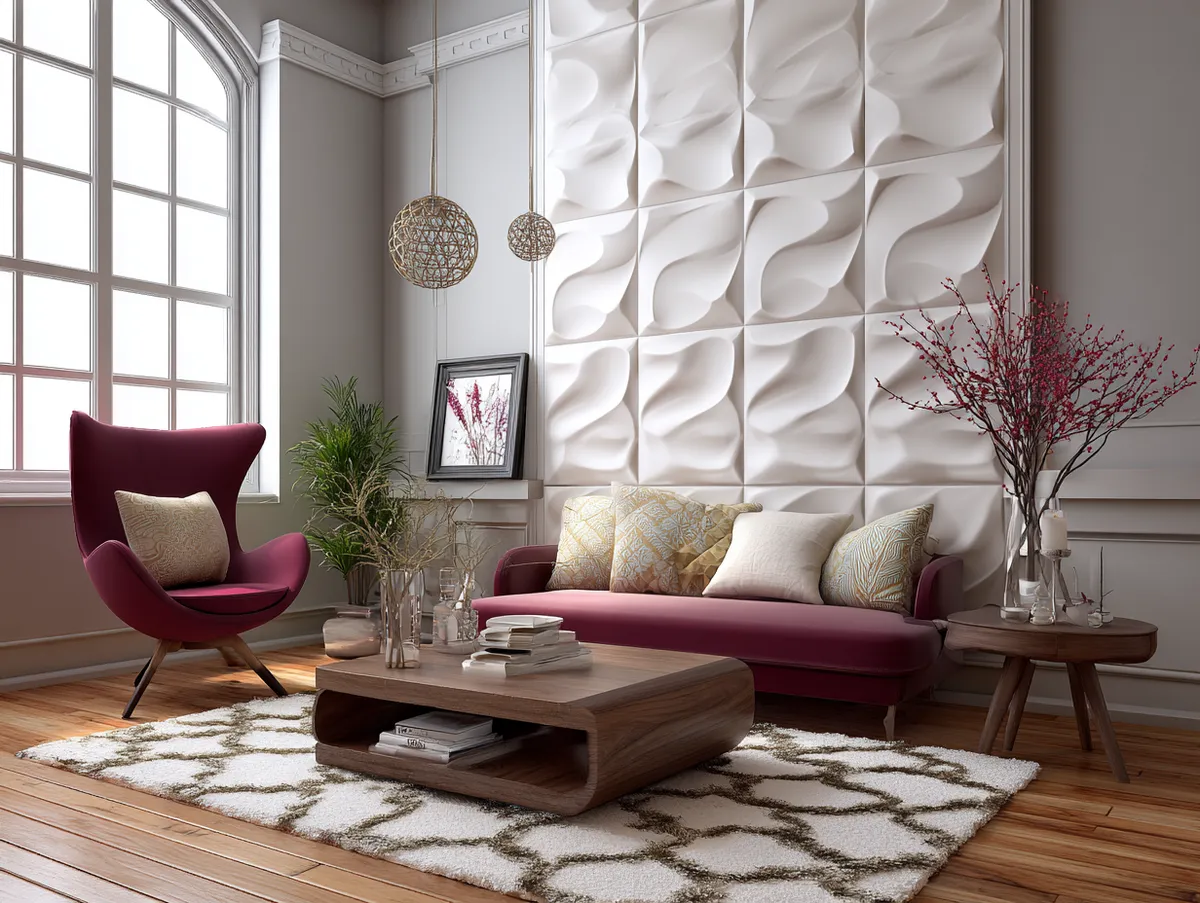
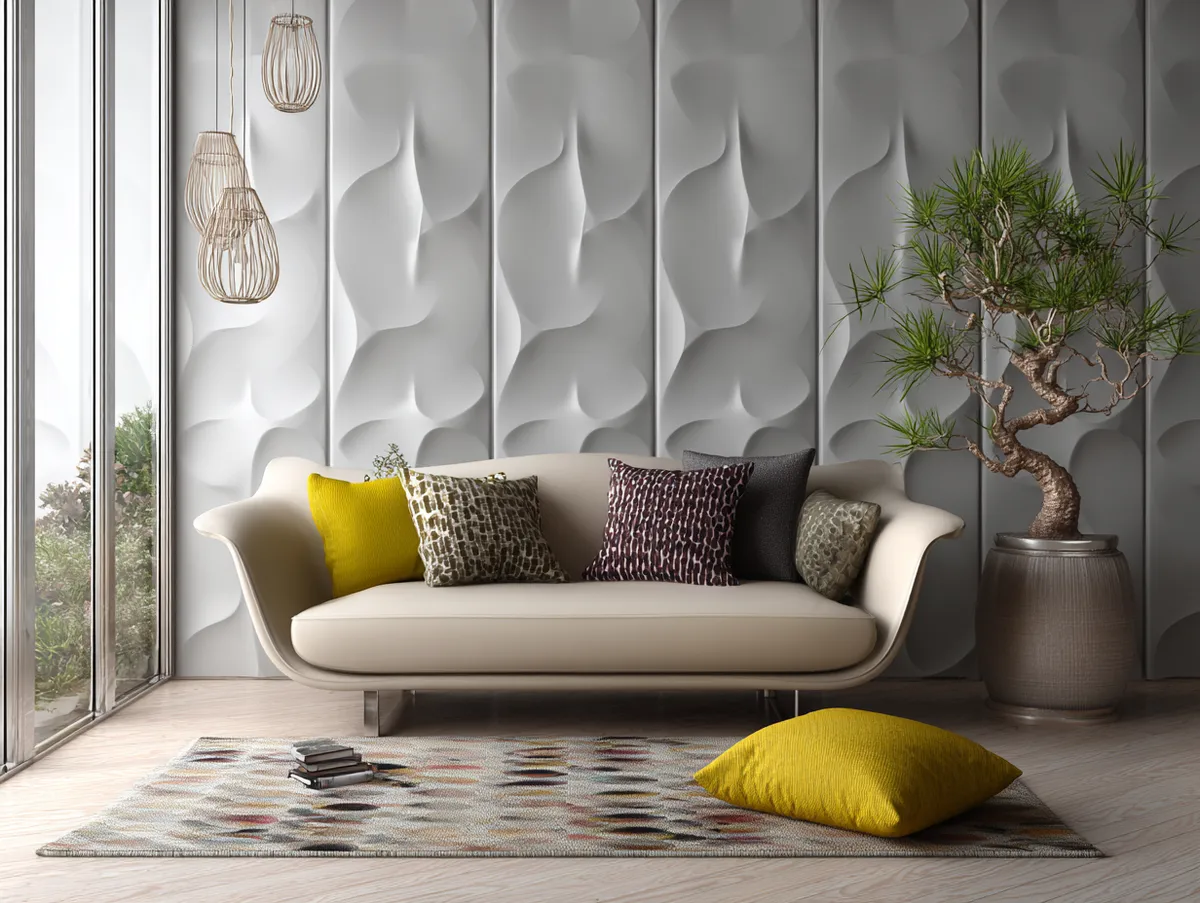
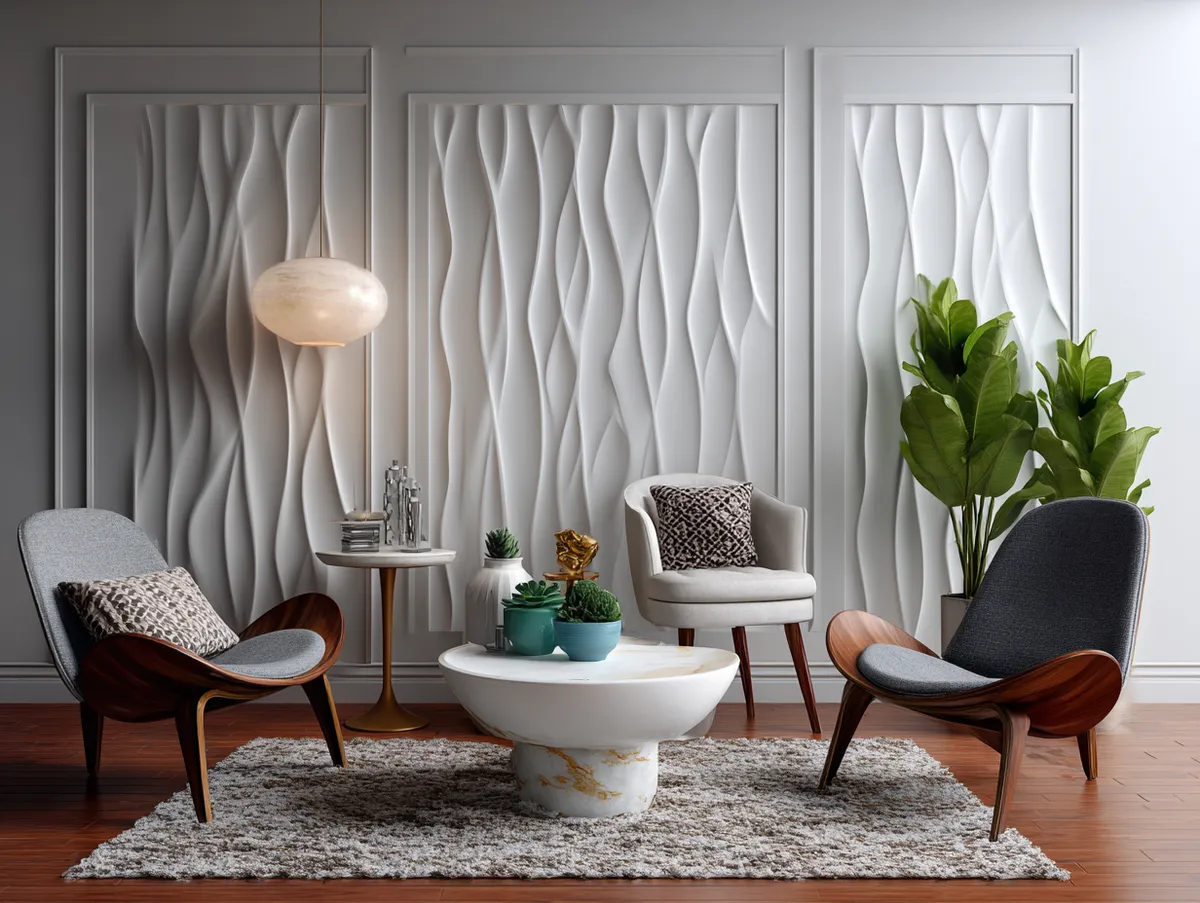
Visual authenticity is WPC’s strongest suit. The wood fiber and grained or carved finishes read as intentional design rather than plastic mimicry. Living room feature walls clad in classic warm WPC panels feel finished the moment installation ends, matching the visual return of hardwood cladding that costs far more per square foot. Relief depth of 8–20 mm catches raking light and creates shadow play that flat drywall or basic PVC simply cannot replicate.
Longevity gives WPC a clear edge for permanent installations. Twenty to thirty years indoors means you’re not replacing the panels after a decade. That span amortizes the higher upfront cost and justifies the investment in high-traffic living rooms and master bedrooms.


Where PVC Wins
PVC’s moisture supremacy makes it the uncontested choice for bathrooms and kitchens. While WPC also resists water, PVC’s plastic-only composition means zero fiber swelling even in high-humidity climates or near shower zones. Spills, steam, and seasonal humidity have zero impact on the material’s stability.
Initial cost and DIY ease favor PVC. Lower upfront expenses and simpler installation with basic tools mean budget-conscious homeowners and renters can refresh a space without hiring professionals. The panels come in endless colors and textures, so design flexibility remains strong despite the price savings.
PVC also forgives hesitation. If you rent, are unsure about long-term commitment, or want to experiment with bold color patterns before investing in permanent cladding, PVC lets you test ideas at lower financial risk.
The biggest mistake when choosing between them
The most costly error is installing deep-textured WPC panels on all four bedroom walls. The room visually shrinks, natural light gets absorbed instead of reflected, and the effect reads cramped rather than cozy. A textured WPC accent wall on the headboard looks intentional and catches light beautifully; wrapping the entire bedroom flattens that impact and wastes the panel’s visual depth.
The parallel mistake with PVC is choosing the cheapest low-quality option and expecting it to hold up. Budget panels may warp, yellow unevenly, or fail at seams within a few years, costing more in replacement labor than a mid-range PVC product would have cost upfront. Quality matters in both materials.

Which should you choose
Pick WPC for bedrooms, living rooms, or home offices where visual authenticity, acoustic benefit, and long-term durability justify the moderate cost. The 20–30 year lifespan and wood-fiber warmth make WPC ideal for spaces you plan to keep and enjoy without constant refreshing.
Pick PVC for bathrooms, kitchens, rental properties, or any space where moisture exposure is constant or budget must come first. The lower installation cost, absolute water resistance, and ease of DIY setup make PVC the pragmatic choice for wet zones and temporary décor experiments.
If you’re caught between them, consider the room’s primary function and your timeline. High-traffic living rooms with natural light and no moisture? WPC.
Bathroom walls and budget-conscious rentals? PVC. Each excels in its lane.