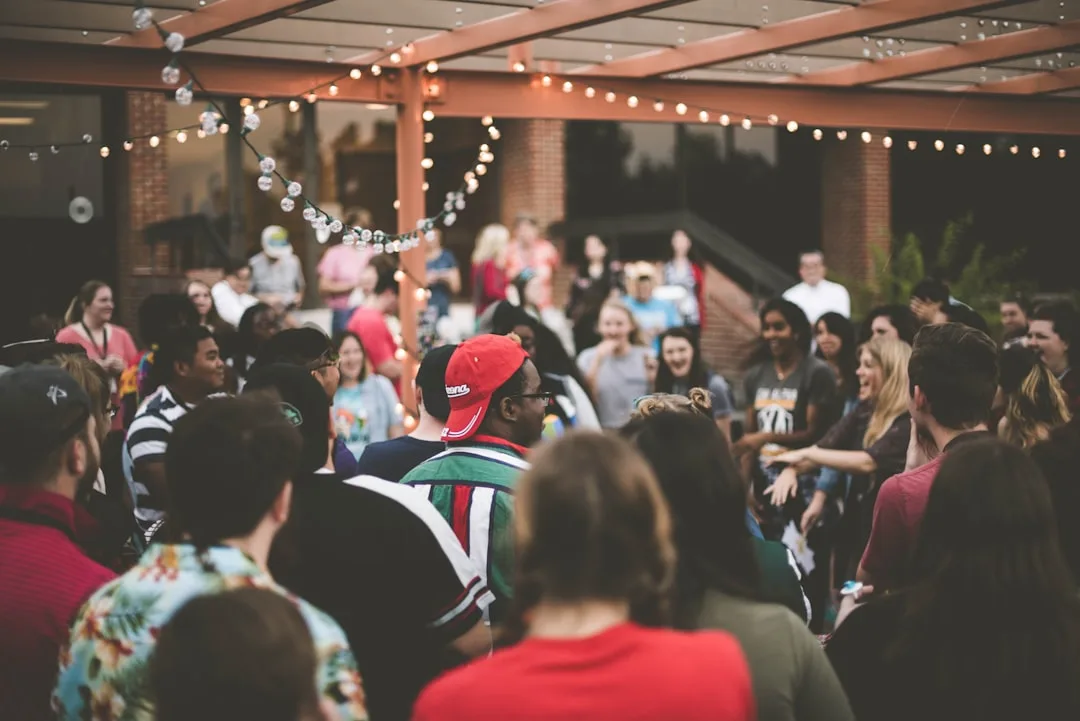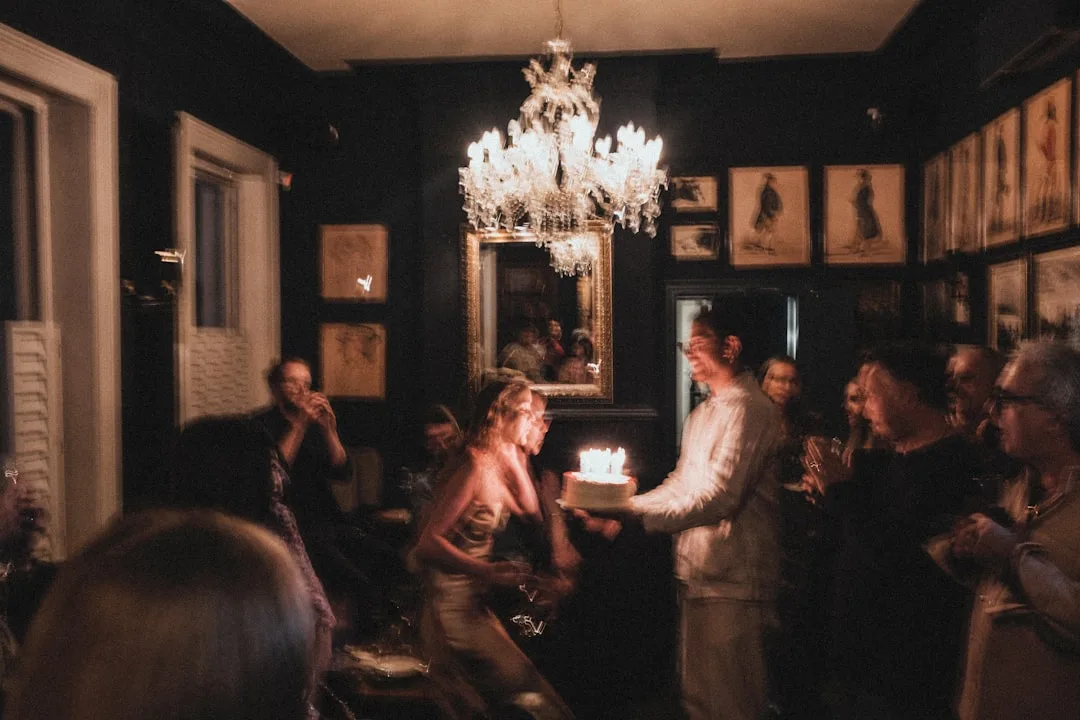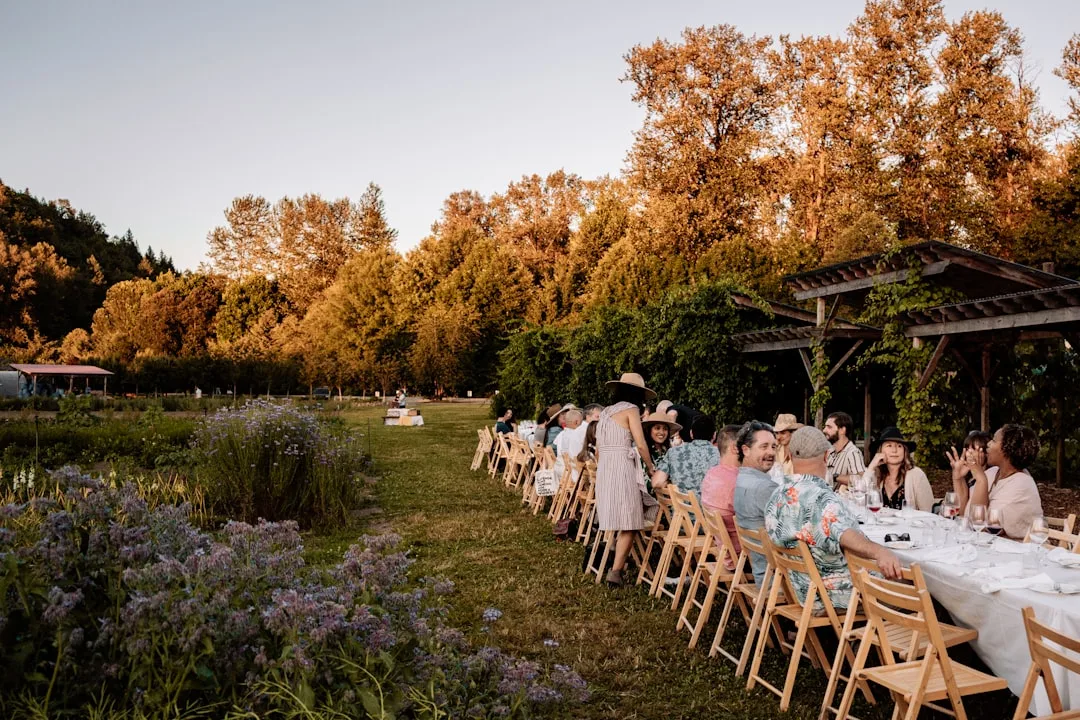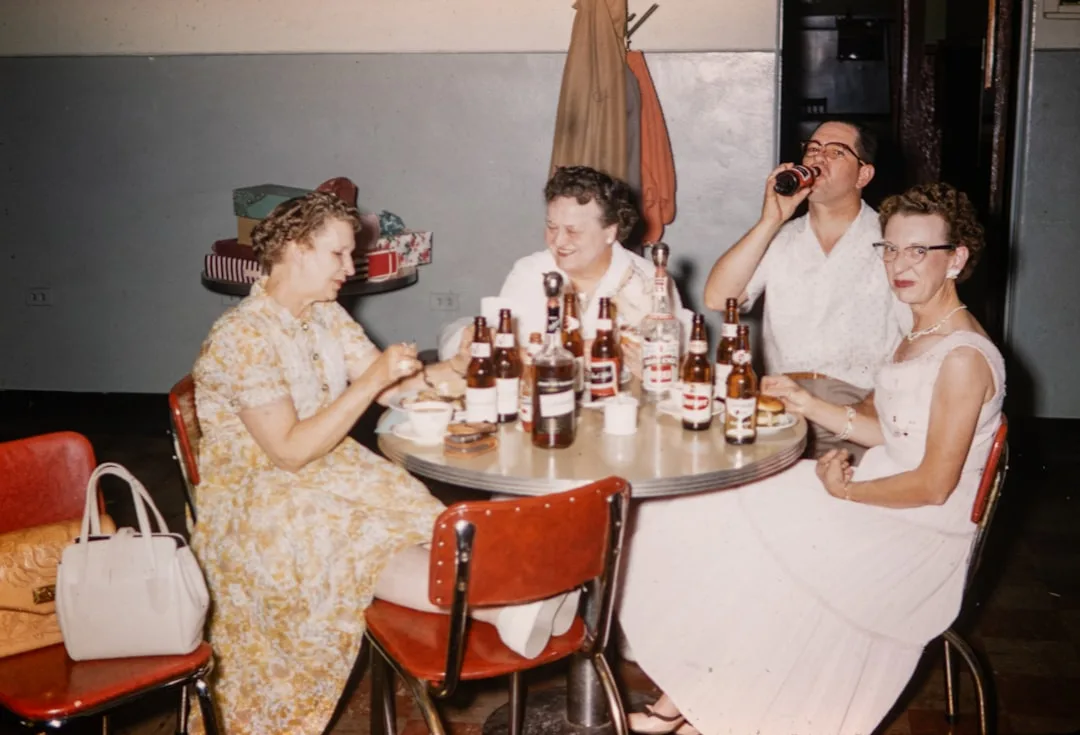
Walk into any 2026 reunion and you won’t find a hotel ballroom with a generic DJ booth and buffet line. Instead, you’ll encounter meticulously designed nostalgia experiences where every detail—from decade-accurate playlists to tactile memory stations—triggers genuine reconnection rather than performative socializing. Reunion event planning has shifted from logistical checkbox entertainment to experiential curation that honors the specific history a group shares.
The shift matters because attendees now expect their reunion to feel personal, not rented. Generic event spaces are being replaced by venues that allow attendees to contribute their own archive—photos, videos, written memories—that become the centerpiece of the evening. This transformation reflects a broader 2026 trend: people are choosing experiences that deepen connection over those that merely check off attendance.
Timeline Photo Installations Drive Visual Storytelling
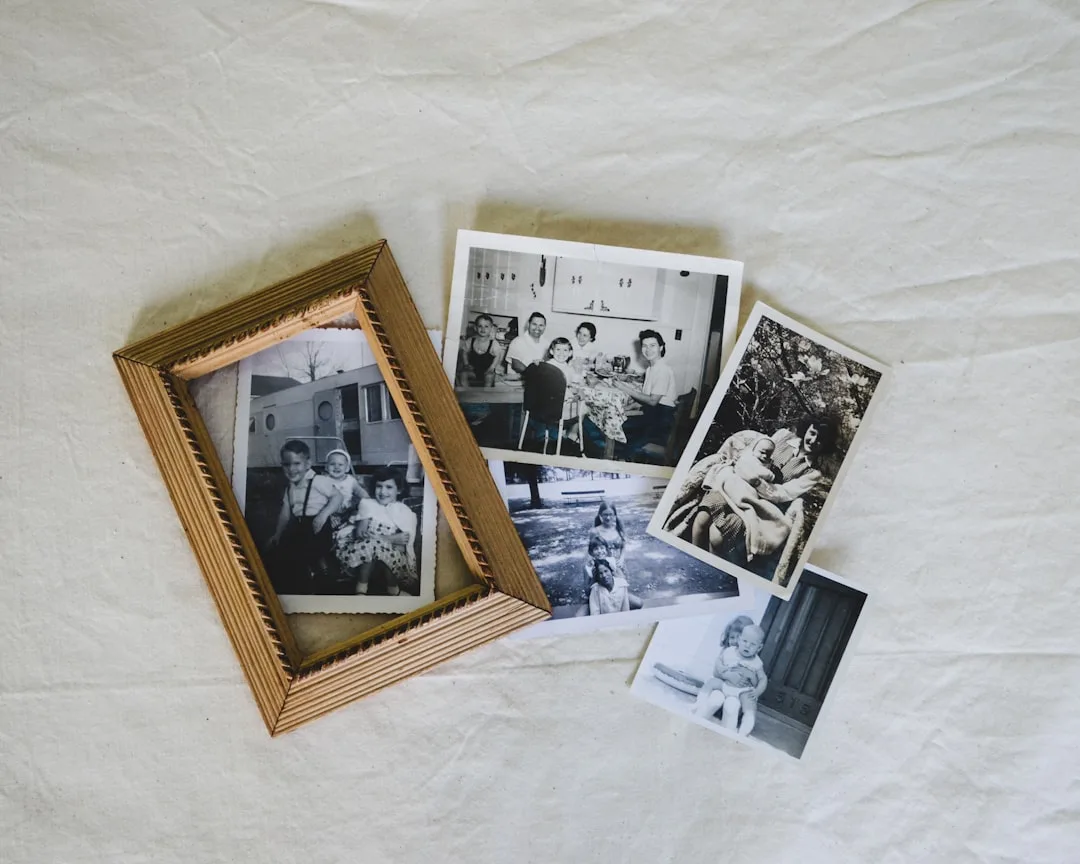
A 20-foot chronological photo wall costs between $2,500–$5,200 depending on printing quality, frame materials, and curation labor. This replaces the old printed memory book that sat unread on a table, because it creates an active, walkable narrative that people engage with for hours. Reunion planners like those at Eventective (an event coordination marketplace) report that 73% of attendees spend 15+ minutes at timeline installations, compared to under 5 minutes with static displays.
Brands like Artifact Uprising ($45–$180 per custom photo book) and Fracture ($59–$299 per metal print) are being combined by planners to create layered installations where photos exist at different scales and depths. A single Fracture metal print (8×10, $89) mounted alongside printed yearbook pages and handwritten captions from attendees creates texture and dialogue that flat photo books cannot. The cost accumulates quickly—a 40-photo installation can reach $3,800—but attendees are more likely to post, share, and remember the event.
- Send photo collection prompts 8 weeks before the event, organized by era
- Digitize all submissions to prevent loss of originals
- Use a consistent frame depth (½ inch or 1 inch) so the wall reads as intentional, not chaotic
- Label captions with initials and graduation year for context without clutter
Decade-Accurate Decor and Dress Code Curation
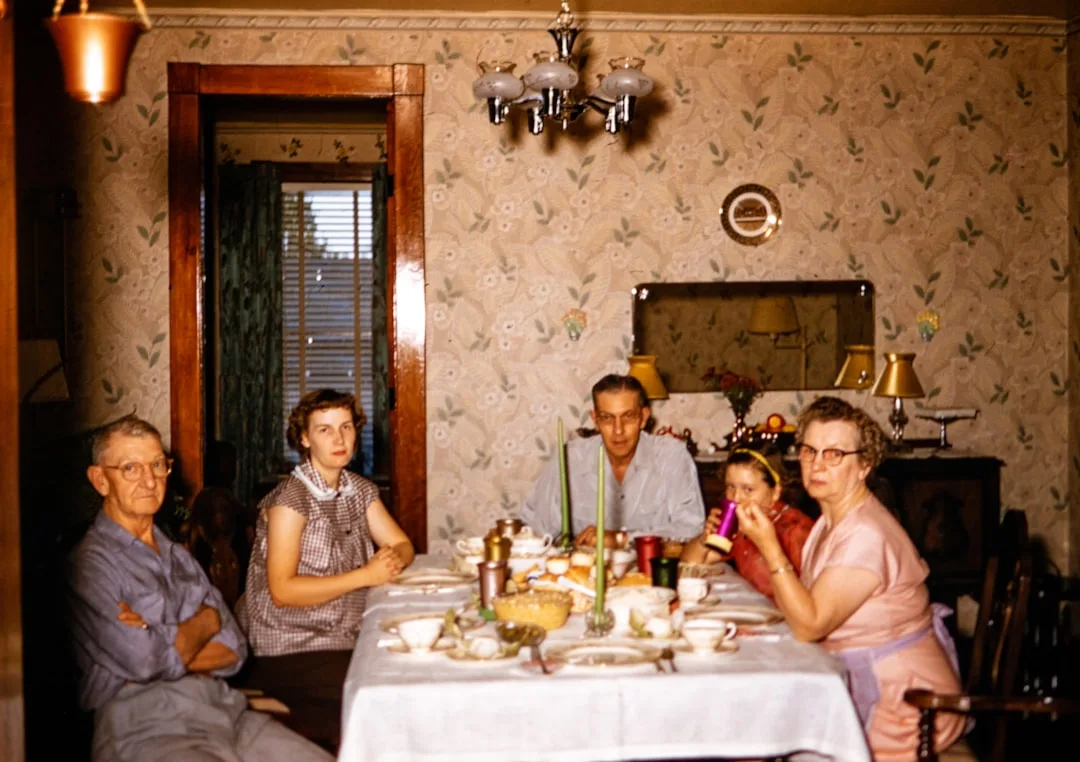
The 2026 reunion that succeeds is the one where attendees arrive dressed intentionally, not haphazardly. Instead of generic “cocktail attire,” planners are now issuing specific era-based dress codes: “graduation year fashion” or “2000s throwback with 2026 polish.” This creates visual cohesion and gives attendees permission to play with the archive of their own closets.
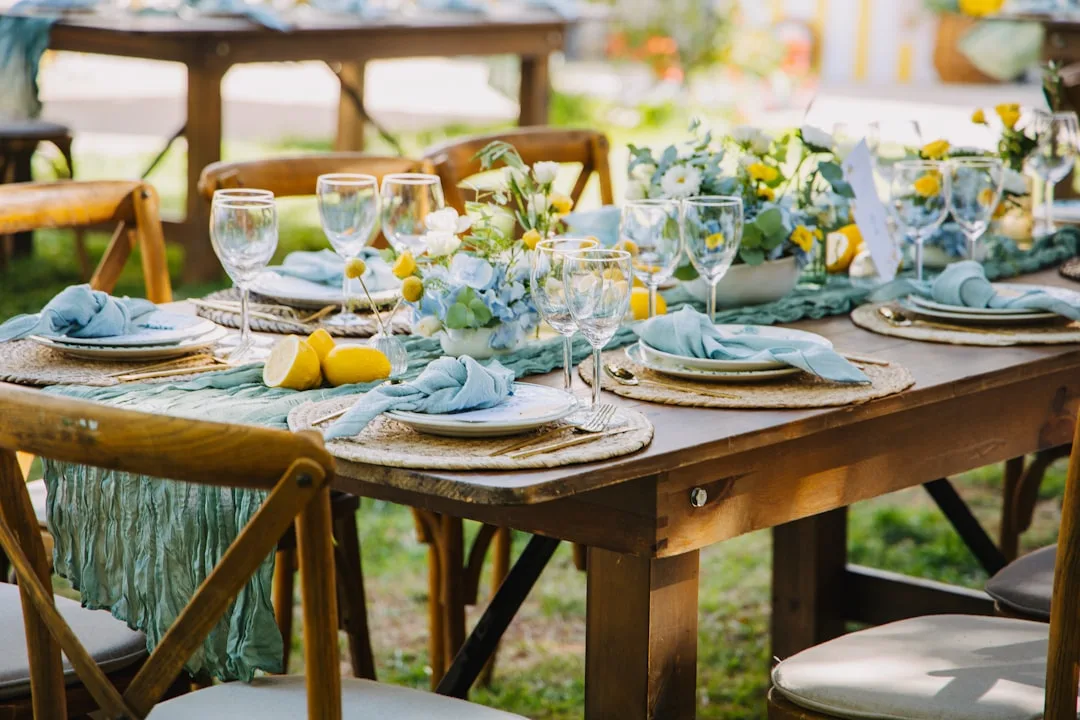
Decor follows the same principle. If your reunion spans a 25-year period (1999–2024), the venue might be divided into quadrants, each featuring authentic design elements from that era: early 2000s minimalism, mid-2010s bohemian, 2020s maximalism. A rental from Posh Floral Design ($3,200–$7,500 depending on footprint) or Party Splendid ($2,800–$5,600) can layer period-appropriate florals, lighting, and linens without feeling kitschy. The key is restraint—one standout installation per era, not a costume party.
Attendees in coordinated dress photograph better, share more on social media, and feel less self-conscious arriving solo or in pairs. This reinforces the reunion’s core purpose: visible reconnection, not judgment.
The Failure Point: Over-Curated Nostalgia That Excludes
The most common mistake in 2026 reunion planning is nostalgia that becomes gatekeeping. A planner who relies only on inside jokes, references to people who’ve moved away, or decade-specific decor that omits the early arrivals or late joiners will create an event where portions of the group feel alienated. An all-2000s aesthetic ignores anyone who defines their identity by 2015–2020 instead.
Example: A high school reunion that plays exclusively 1990s music, features only yearbook photos from senior year, and decorates in grunge-era aesthetics will confuse and exclude the people who made meaningful memories in years 2–3 and 4. Solution: Build the timeline to span the full duration of the group’s shared experience, and include multiple musical eras played in rotation. Let attendees vote on a playlist beforehand. This transforms nostalgia from exclusive to inclusive.
Budget an extra $400–$800 for music curation or a DJ who can navigate multiple decades seamlessly (DJs like those available through The Bash charge $1,200–$2,200 for 4-hour events, with premium rates for era-specific requests). The investment prevents the event from feeling like a museum exhibit rather than a celebration.
Interactive Memory Stations and Attendee Contributions
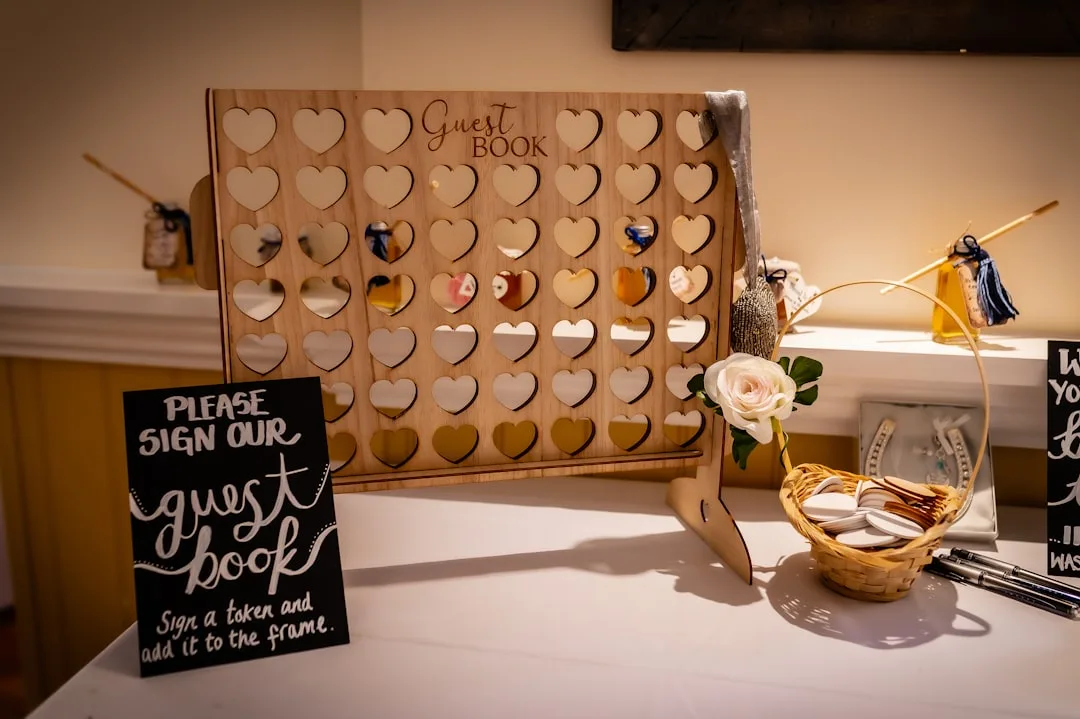
June 2026 reunions are now featuring stations where attendees actively contribute: a memory card station where guests write messages or funny recollections, a photo booth with props from their graduation era, a video station where attendees record 30-second reflections on how they’ve changed. These aren’t passive entertainment—they’re the content of the event itself.
A custom memory card setup costs $150–$400 (design, printing, display stand), while a professional photo booth rental runs $900–$2,500 for 4 hours. Brands like Bespoke Moments ($1,100–$1,800) and Open Air Photobooth ($950–$2,100) offer customizable backdrops and instant printing, which means attendees leave with a tangible takeaway. This replaces the old model of a hired photographer who captures moments the group never sees.
The video station is where reunion planners are seeing the highest emotional ROI. A simple setup—iPad on a tripod, ring light, neutral background—costs under $300 to assemble, and you hire someone to collect and edit the clips ($400–$800 labor). Compiled into a 3–5-minute video and shared with attendees afterward, these reflections become the reunion’s lasting artifact rather than a dusty yearbook.
Like corporate team building events that use hybrid and experiential formats to deepen employee connection, reunion planning in 2026 centers attendee participation as the primary value, not venue aesthetics or catering. The most successful events make attendees co-creators, not spectators.
Styling and Fashion Curation for Reunion Attendance
What attendees wear to a 2026 reunion has become part of the event design itself. Planners are now sending style guides 6–8 weeks in advance, suggesting silhouettes, color palettes, and accessories that align with the era being celebrated. A color story of gold jewelry, cream, and forest green might frame a late-1990s aesthetic, while silver metallics and jewel tones anchor a 2010s look.
Accessory choices matter significantly. Chunky statement necklaces ($45–$150 from brands like Mejuri or Etsy artisans) or vintage pins ($20–$80 from Vestiaire Collective or Etsy) serve as conversation starters and visual markers of intentionality. A reunion attendee who wears a piece that bridges their graduation era with current styling—say, early-2000s-inspired frame sunglasses ($120–$300 from Oliver Peoples or The Row) styled with a contemporary cut dress—reads as thoughtful, not costume-y.
Planners should avoid mandating costume-level nostalgia. Instead, offering a color palette, decade-appropriate silhouettes, and permission to add 2026-current pieces creates cohesion without restricting authentic self-expression. Attendees who feel confident in what they’re wearing stay longer, engage more, and remember the event positively.