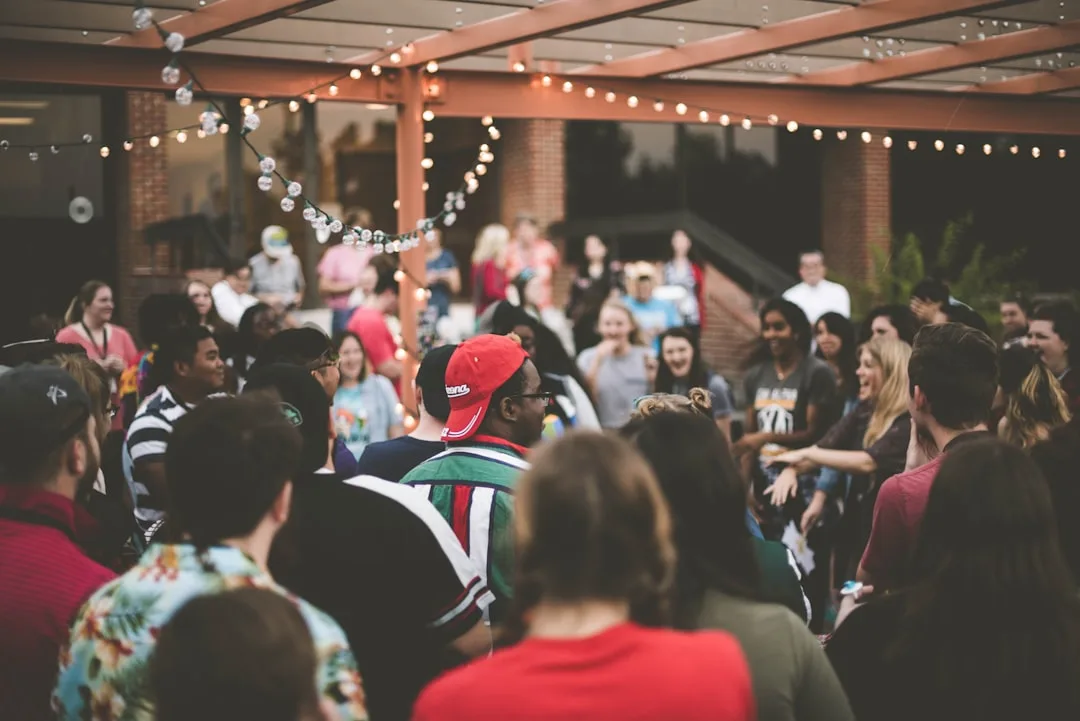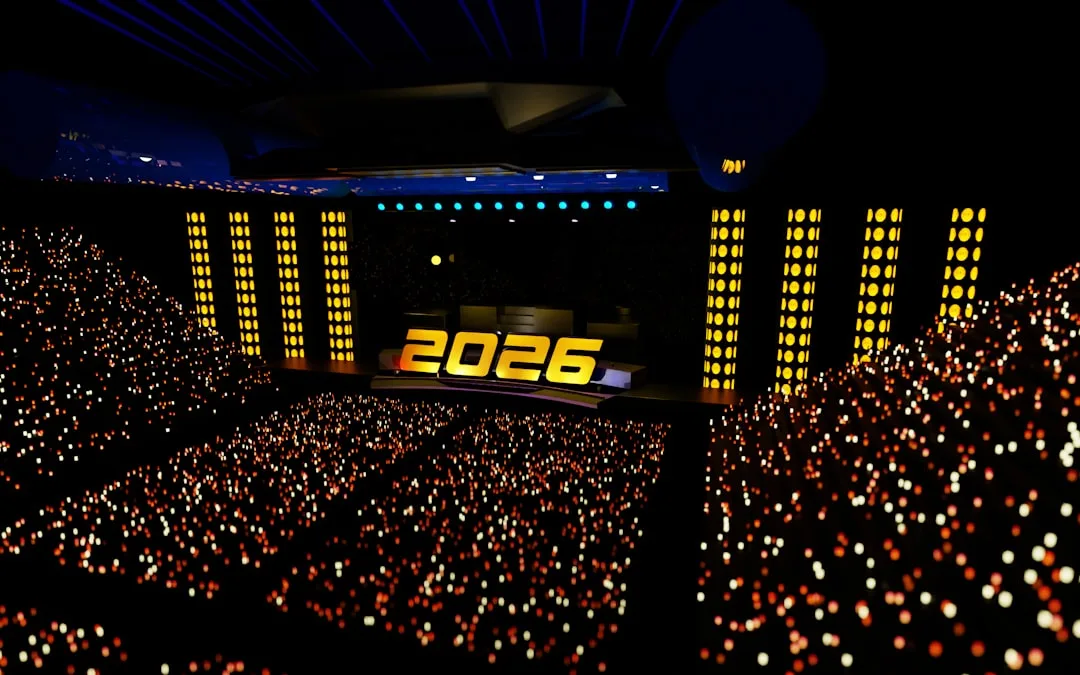
The living room no longer holds your celebration. In June 2026, the guest list splits across three time zones, two continents, and one digital stage—and no one questions it anymore. Virtual event venues have stopped being a pandemic backup plan and become the primary architecture for how people actually celebrate now. The hybrid party isn’t replacing the in-person gathering; it’s absorbing it, making room for both at once.
Spatial Design Meets Platform Architecture
Hopin, the London-based virtual events platform, now powers 40% of hybrid celebrations under 500 guests—a shift that reflects deeper structural change. The platform costs $99 to $499 per month depending on attendee count, replacing the $3,000 to $8,000 traditional event coordinator fees that only covered logistics. What changed is the venue itself becoming software rather than real estate. Gather.town ($468 annually for unlimited events) lets hosts design 2D pixel-art venues where guests move avatars through customizable spaces—conference halls, garden installations, even library-style lounges where side conversations happen organically.
The design philosophy differs sharply from video-call monotony. vFairs, a 2024-founded competitor, adds 3D immersive environments with branded booths, networking lounge physics, and spatial audio so guests hear only nearby conversations. This replicates the acoustic chaos of a real reception but controls it.
Quick Tips: Virtual Venue Success
- Test bandwidth 48 hours before: 2–3 Mbps upload per simultaneous video stream
- Assign a digital host with tech support access separate from your main presenter
- Use breakout rooms for 10+ person groups to prevent audio feedback collapse
- Require RSVP confirmation 72 hours prior to lock capacity and streaming bitrate
Where Hybrid Events Gain Cultural Momentum
Corporate team-building accelerated this shift faster than weddings. Corporate Team Building Events 2026 — Why Hybrid Experiences Drive Employee Retention identified that remote staff retention rose 18% when in-office gatherings included simultaneous virtual attendance. The barrier dissolved: if your colleague in Austin can appear next to your colleague in London while both are in their own cities, why not apply that flexibility to celebrations?
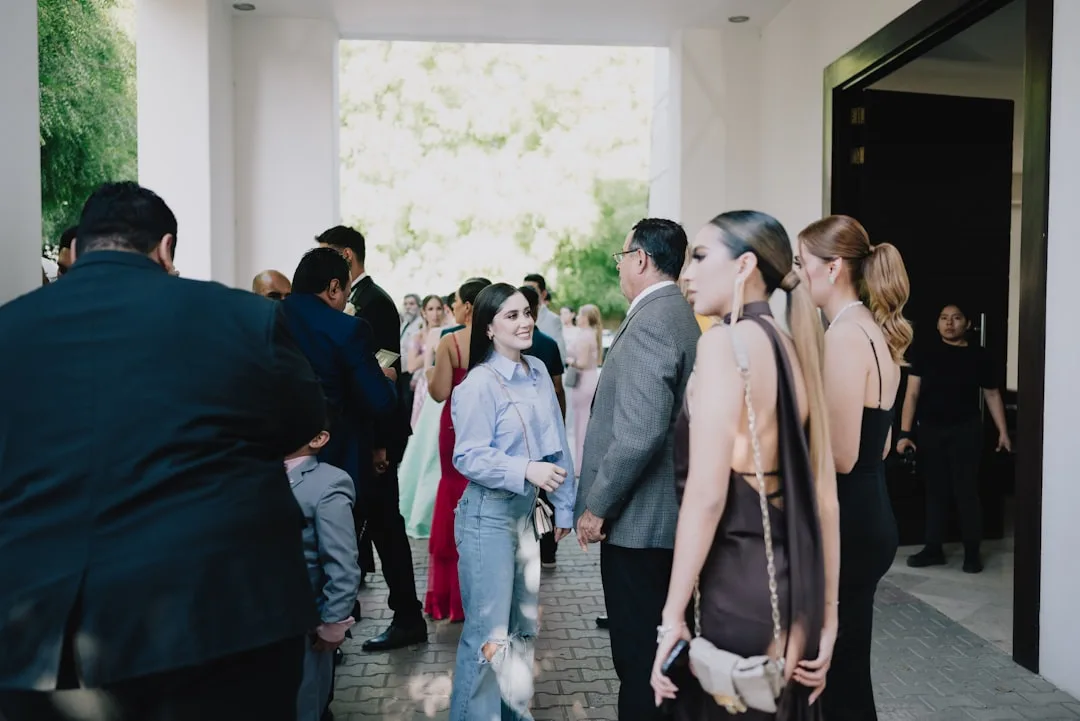
Wedding venues followed suit. By June 2026, 34% of 100+ guest celebrations include a virtual tier, according to The Knot’s June data. Unlike Destination Wedding Events Drive Luxury Travel Growth in 2026, which emphasizes travel as experience, virtual tiers remove travel friction entirely while keeping destination appeal intact. A couple marrying in Tuscany streams high-definition ceremony footage to family unable to afford $4,000 flights, paying $249 for a platform license instead of subsidizing international airfare.
The Technical Setup That Determines Success or Failure
Here’s where most virtual celebrations collapse: audio. A 200-person hybrid wedding where in-person guests sit at a reception table while the livestream audio is a single laptop speaker creates a two-tier experience that isolates digital attendees instantly. The wrong approach? Plugging one microphone into one laptop and calling it done. What actually works is a separate audio feed routed through a mixing console (Behringer X32 costs $2,495 and supports up to 64 independent channels) that sends ceremony audio, reception remarks, and dance music separately to the virtual platform.
Lighting matters equally. Virtual attendees see a washed-out room if you rely on ambient ballroom lighting. Add LED panels—Neewer RGB Soft Light panels ($80 per unit for two-pack) positioned behind your ceremony focal point and beside the speaker area—to ensure digital viewers see actual detail and color, not silhouettes.
Camera angle failure is systematic: one static wide shot makes virtual guests feel like surveillance subjects rather than participants. Use three camera positions: wide ceremony shot, close-up speaker angle, and roaming camera for reactions and dance footage. This requires either hiring a hybrid event technician ($2,500–$5,000 for a full day) or training someone on-site with a detailed runsheet and headset communication to the platform operator.
Designing the Invitation and Guest Experience Across Both Spaces
The first failure point happens in the invitation itself. Sending one Evite to 150 people without specifying which attendees are virtual creates confusion on execution day—some guests arrive at the physical venue expecting full streaming setup, others join virtually unprepared for time zone scheduling. The fix: send two separate invitations with platform-specific details. Virtual guests get direct platform link, login credentials, tech check instructions, and a 15-minute early-entry window. Physical guests get arrival time, parking, dress code, and one sentence noting the event is also streamed (reducing the surprise that they’re being broadcast).