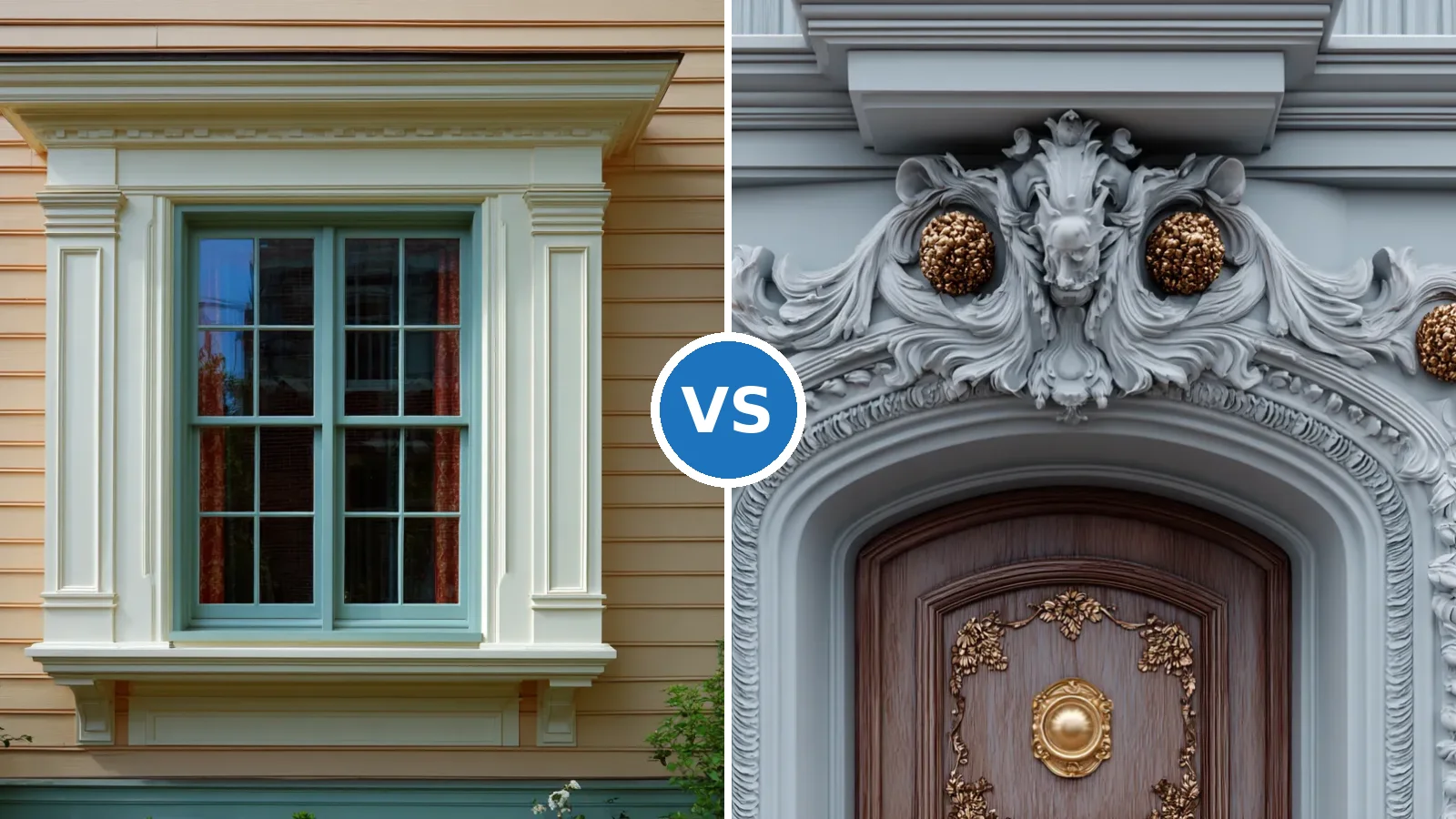
Your front door and your windows are competing for attention the moment someone looks at your house. Stand across the street and squint: which draws the eye first? The window trim is doing more work than people realize.
Stand across the street and squint at your facade—trim draws the eye first. Understanding the difference between exterior window trim vs door trim means knowing where to invest your money and effort for the biggest visual return.
Window trim frames multiple openings across your facade, affecting the overall rhythm of the exterior. Door trim concentrates all its power into a single, highly visible entry point. That difference in scope and placement changes everything about how you should choose, install, and maintain each one.
What window trim and door trim actually do
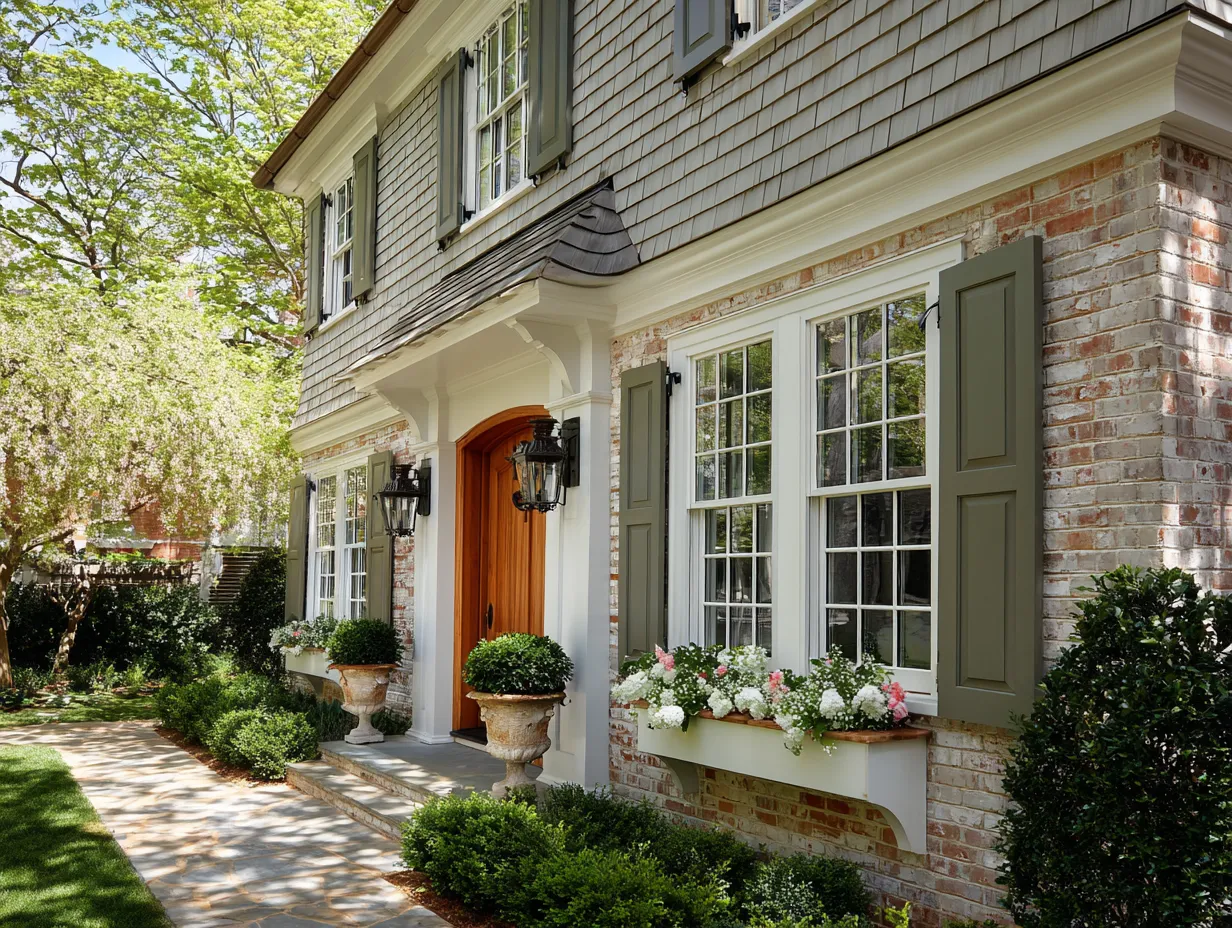
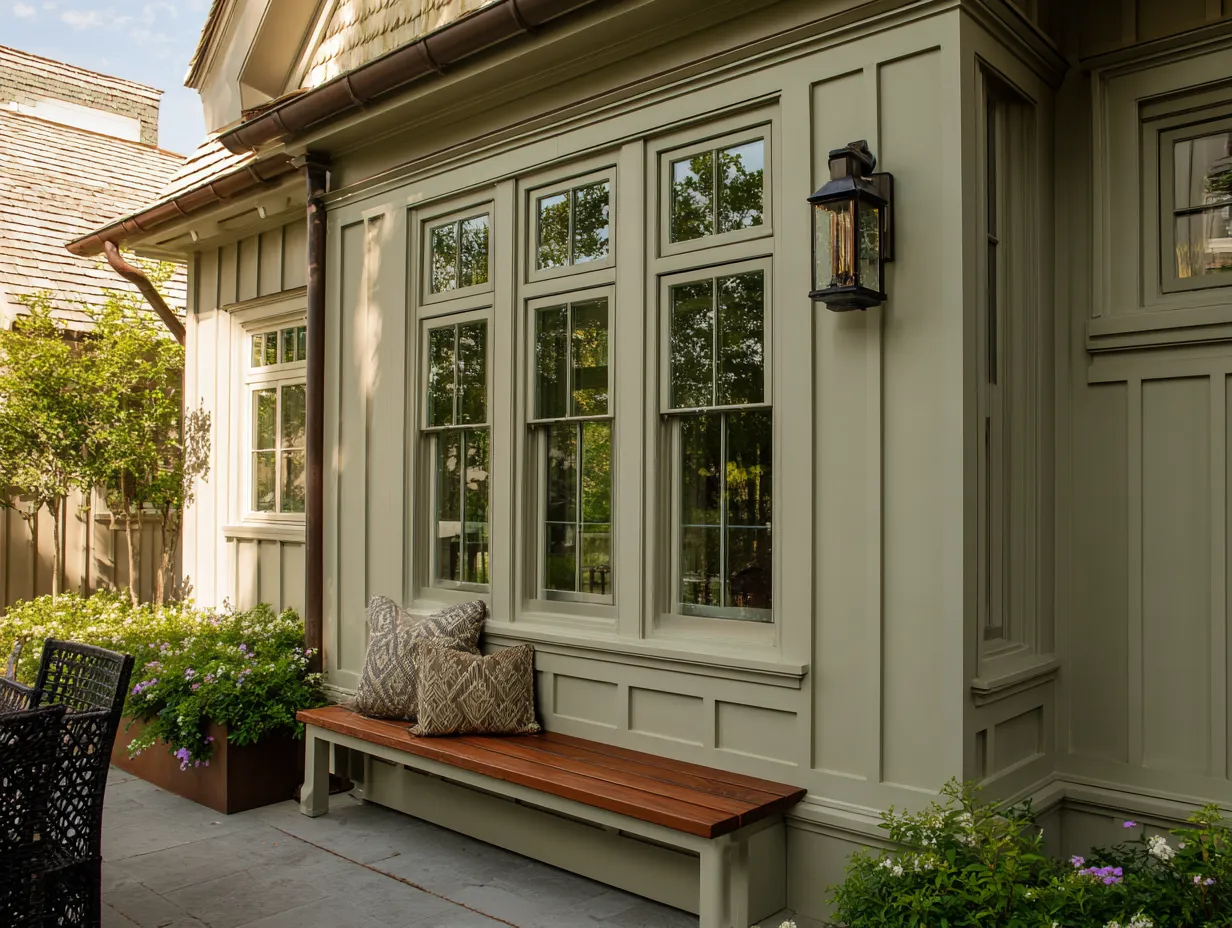
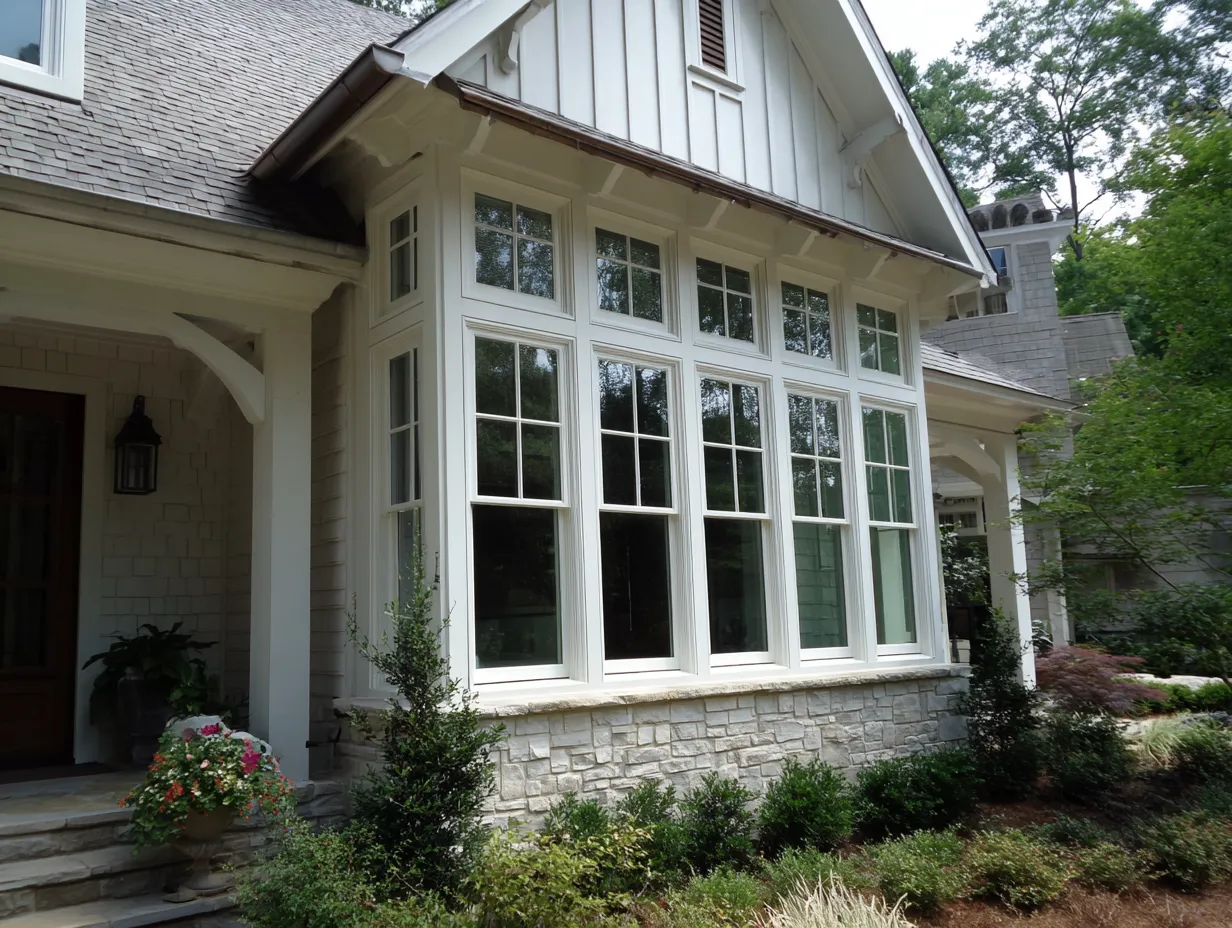
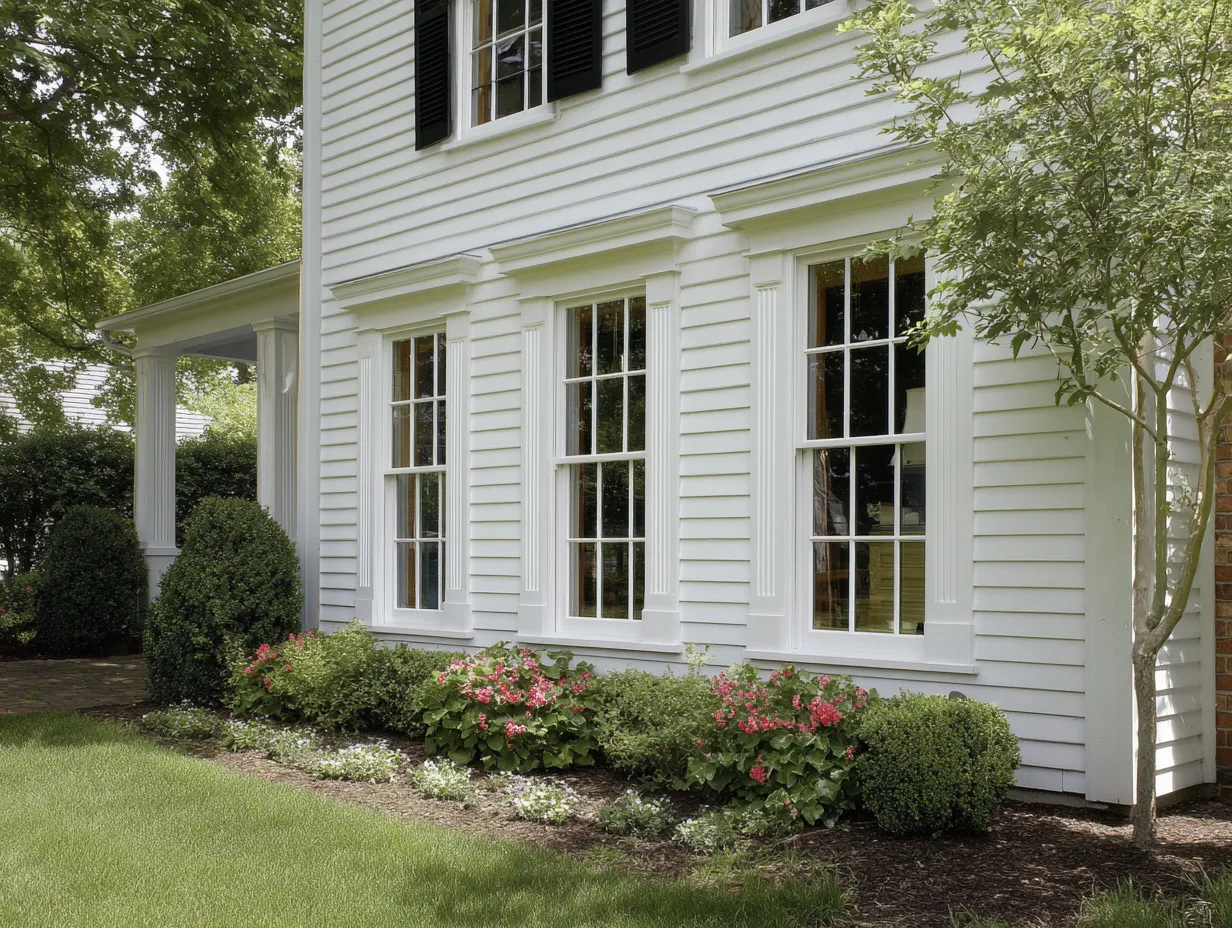
Exterior window trim is the frame around every window opening on your house. It includes the sill (the horizontal piece below the window), the two side casings, and the head casing across the top. Creative options for exterior window trim styles range from simple flat stock to ornate profiles, and the material choices span wood species, PVC, aluminum, and even brick veneer.
Window trim serves two critical jobs: it seals the gap between the window frame and the wall, and it establishes a visual anchor for each opening. Because most homes have multiple windows, the cumulative effect of your trim choice either pulls the whole facade together or makes it read as unfinished.
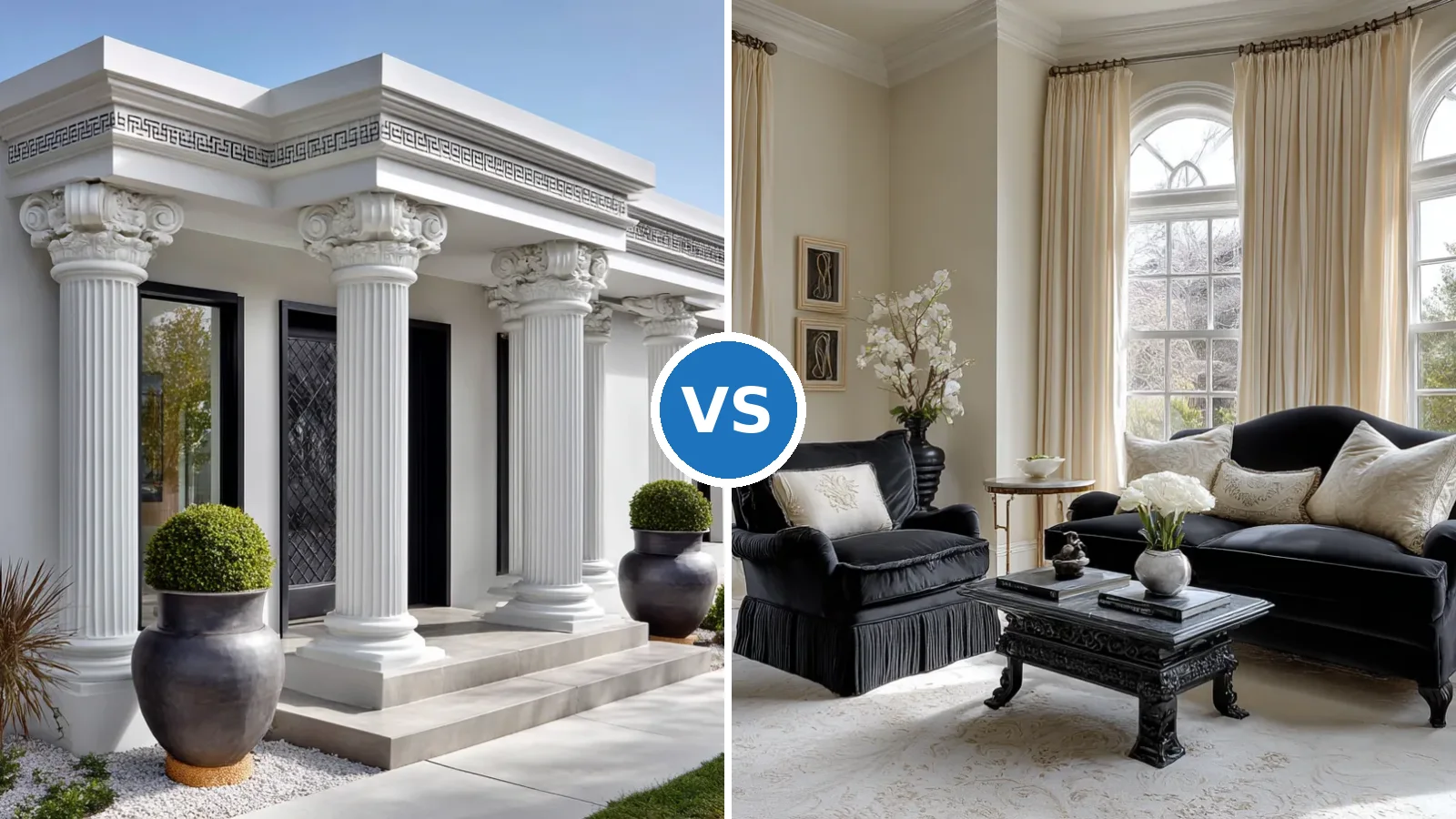
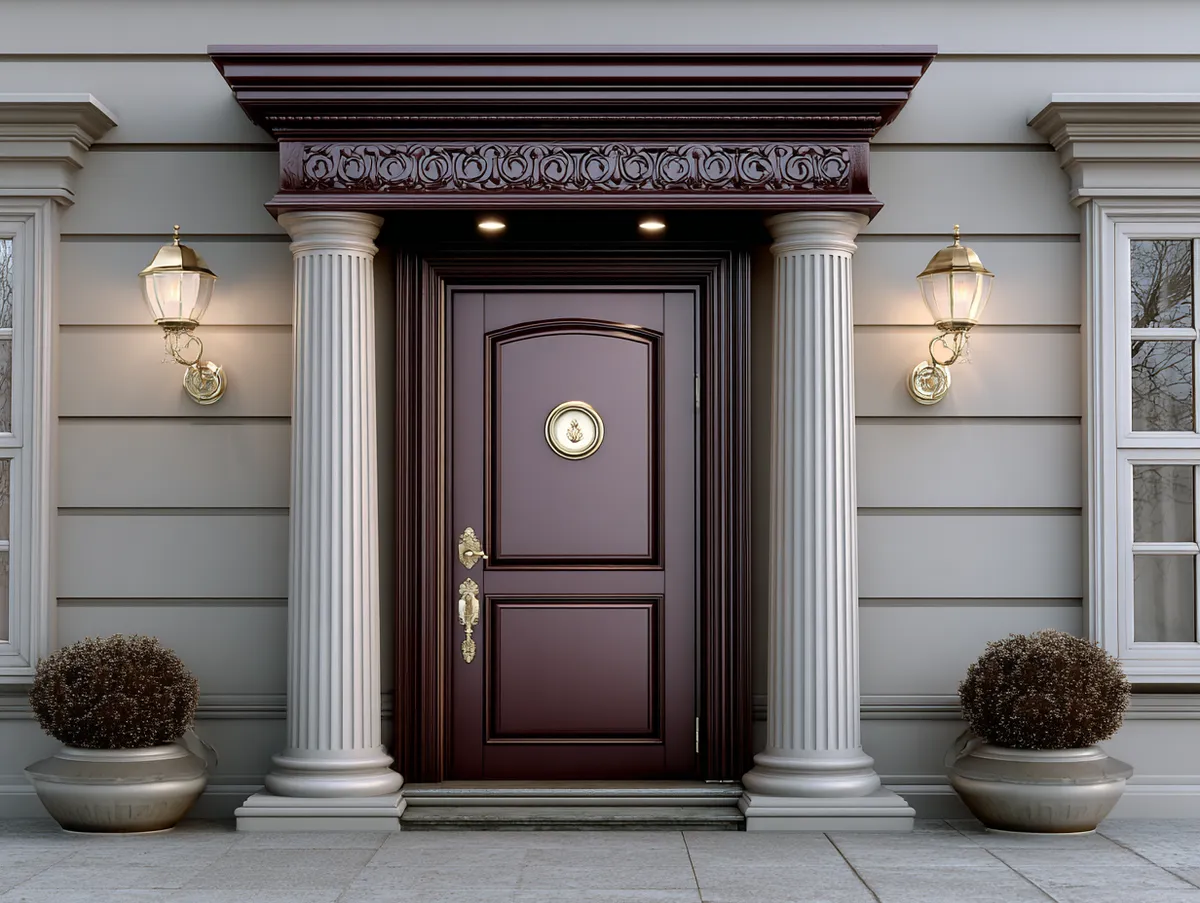
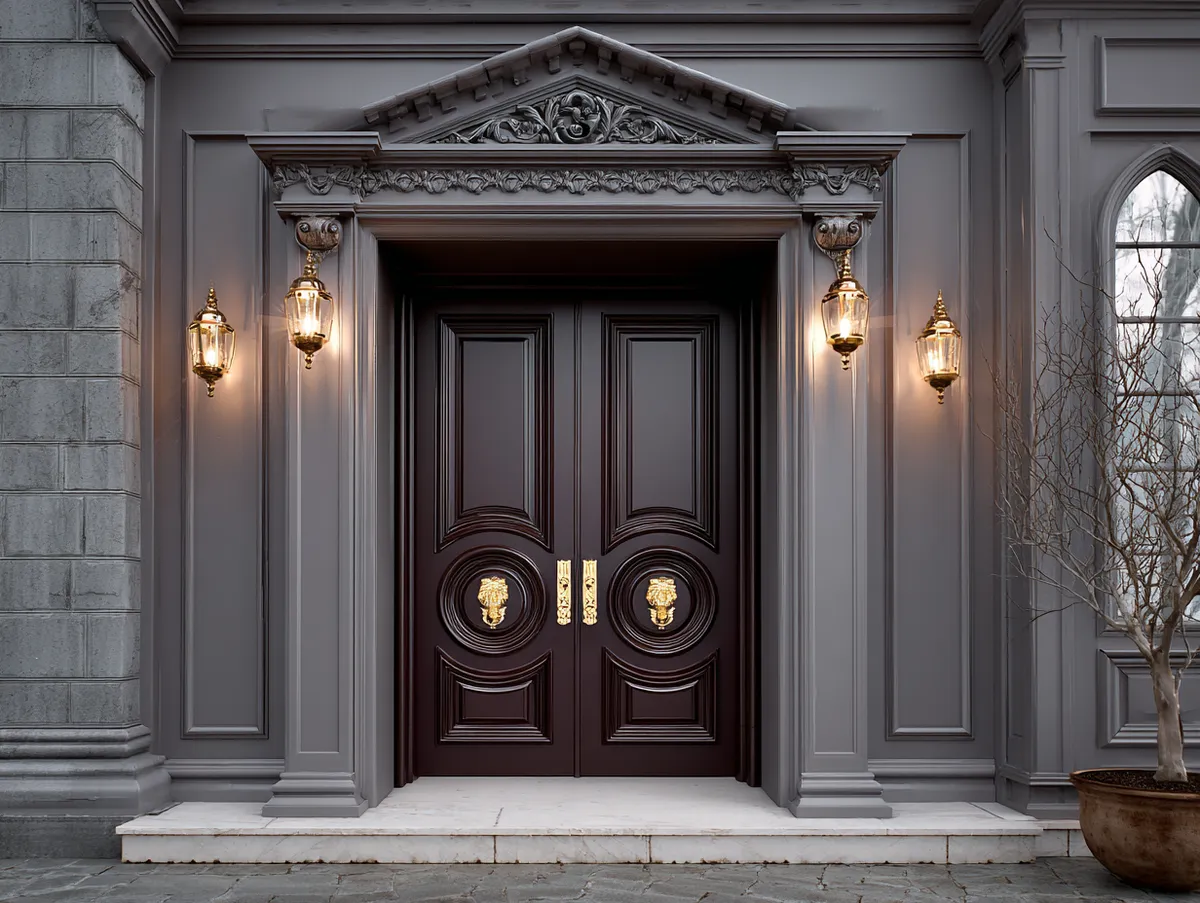
Decorative door trim, by contrast, focuses intensity on one spot. Decorative door trim styles include ornate leaf patterns in burnished gold, geometric modern designs in glossy white, and everything between. The door trim doesn’t just protect an opening—it makes an architectural statement.
Door trim can be mahogany with antique gold leaf detailing or turquoise with minimalist white geometry. It reflects personality in a way that uniform window trim across the facade simply cannot.
Quick Verdict
- Choose window trim if you want to unify your facade and need a solution that covers a large area without breaking the budget.
- Choose window trim if you prefer a lower-maintenance option like PVC, which requires no repainting.
- Choose door trim if you want to make a bold design statement at a single focal point.
- Choose door trim if you value ornate detailing and are willing to maintain it.
- Choose door trim if you want maximum visual impact per dollar spent on one architectural feature.
Cost, durability, and maintenance head-to-head
Material costs for window trim run between $1.50 and $12 per linear foot, depending on species and quality. Pine is the budget choice at roughly $1.50 per foot, while mahogany and redwood sit at $8 to $12 per linear foot. PVC and aluminum options fall somewhere in the middle at $2 to $8 per linear foot, with zero rot risk but potential expansion in heat.
Door trim, because it covers only one opening, involves fewer linear feet of material. However, decorative door trim often features custom or semi-custom elements—carved leaf motifs, burnished finishes, brass hardware. The per-foot cost may be comparable to quality window trim, but the total project can feel more expensive because every detail is visible and scrutinized.
Durability differences are stark. Wood window trim, especially untreated pine, rots from the bottom rail up if you skip the primer or fall behind on repainting. You’ll need to repaint every three to five years to prevent soft wood and pest damage. Mahogany and redwood hold up better, but they also darken unevenly if stained with clear sealant—only full stain or paint prevents blotchy patches within one summer.
Door trim, because it’s often a single focal point and sometimes indoors or under deep eaves, can survive longer between maintenance cycles. That said, if your decorative door trim is mahogany or stained wood with gold leaf detailing, it demands the same care as premium window trim. The difference is that you’re maintaining one beautiful piece, not six or eight windows.
| Criteria | Window Trim | Door Trim |
|---|---|---|
| Material cost range | $1.50–$12 per linear foot | Comparable per foot; lower total square footage |
| Repainting frequency (wood) | Every 3–5 years, multiplied by number of windows | Every 3–5 years on a single focal point |
| Rot risk (untreated pine) | High; affects multiple windows simultaneously | High; affects one entry point |
| PVC/aluminum option | Yes; $2–$8/ft, zero rot, expands in heat | Less common; usually reserved for modern aesthetics |
| Visual impact | Broad, unified facade effect | Concentrated, high-drama entry statement |
| Maintenance burden | Multiply by number of windows | Single focal point, easier to schedule |
Where window trim wins
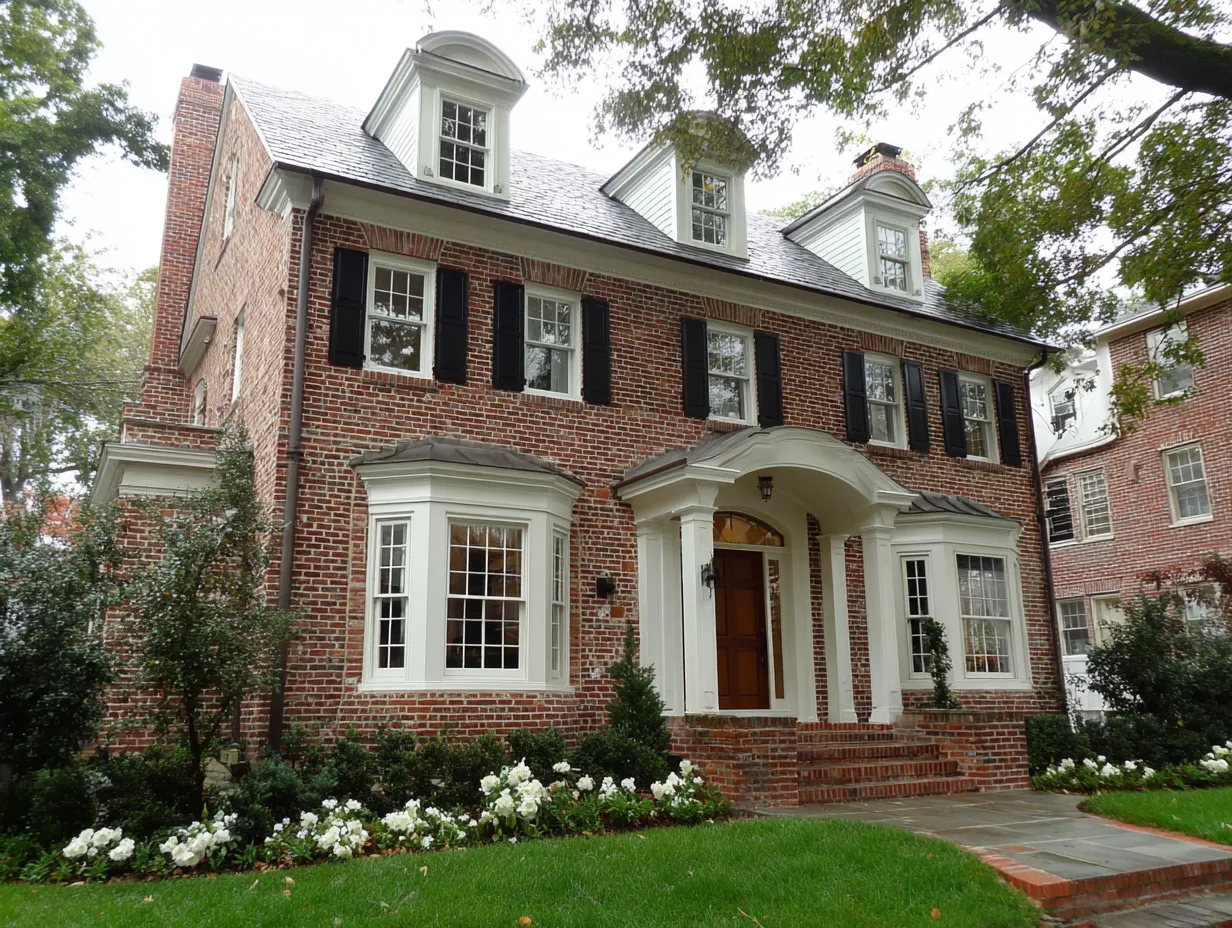
Window trim dominates when budget and visual unity matter. You can buy good-quality pressure-treated pine with factory primer at $2 to $4 per linear foot and instantly make a $250,000 house look closer to $400,000, simply by choosing one consistent profile and color across all windows. That multiplier effect—one smart decision applied to every opening—is window trim’s superpower.
PVC and aluminum window trim win the low-maintenance game. Once painted, they will not rot, crack, or require repainting for years. If you live in a climate with seasonal expansion or you hate ladder work, PVC trim eliminates your biggest headache and costs roughly the same as mid-grade wood.
Window trim also wins for consistency. Mixing wood species on the same facade causes uneven paint peeling within two years because woods expand at different rates. Choosing one trim style and sticking with it creates visual rhythm and avoids the piecemeal, builder-grade look.
Where door trim wins
Door trim wins on personality and presence. A mahogany door with antique gold leaf detailing and ornate carved patterns stops people in their tracks. Window trim, no matter how well chosen, is a supporting actor. Door trim is the star.
Door trim also wins on customization without over-committing. You can splurge on a single statement piece—a bold turquoise door with geometric white trim, or a deeply stained mahogany with brass hardware—without repeating that expense or maintenance burden across the entire house. The visual return on a premium door trim investment is immediate and concentrated.
Because door trim frames only one opening, you can afford higher-end materials and more intricate finishes. A single mahogany casing with leaf-pattern inlay costs more per linear foot than the same on six windows, but you’re not multiplying the expense.

The number one mistake people make when choosing between them
The biggest blunder is treating window trim and door trim as interchangeable priorities. Homeowners often invest heavily in a striking decorative door entry, then skimp on window trim quality or consistency. The result: your front door looks like a jewelry box, but the rest of the facade still reads builder-grade because the window frames are cheap, mismatched, or poorly maintained.
Another common error is using untreated or low-grade pine for window trim and then abandoning the repainting schedule. Untreated pine can develop soft, rotted wood within eighteen months to two years if primer and paint are skipped. That repair costs far more than buying pressure-treated stock and staying on top of the paint cycle would have.
A third trap: mixing window trim materials on the same elevation. Combining cedar casings with pine sills looks cheap within months as the wood species expand and contract at different rates, causing paint failure and visual chaos.
Final verdict — choose based on your priorities
Choose window trim as your primary investment if you want the multiplier effect: one smart decision applied to every opening to make your home look thousands of dollars more expensive, or if you value low-maintenance solutions like PVC. Window trim unifies your exterior and makes the biggest difference in how expensive your home looks from the street.
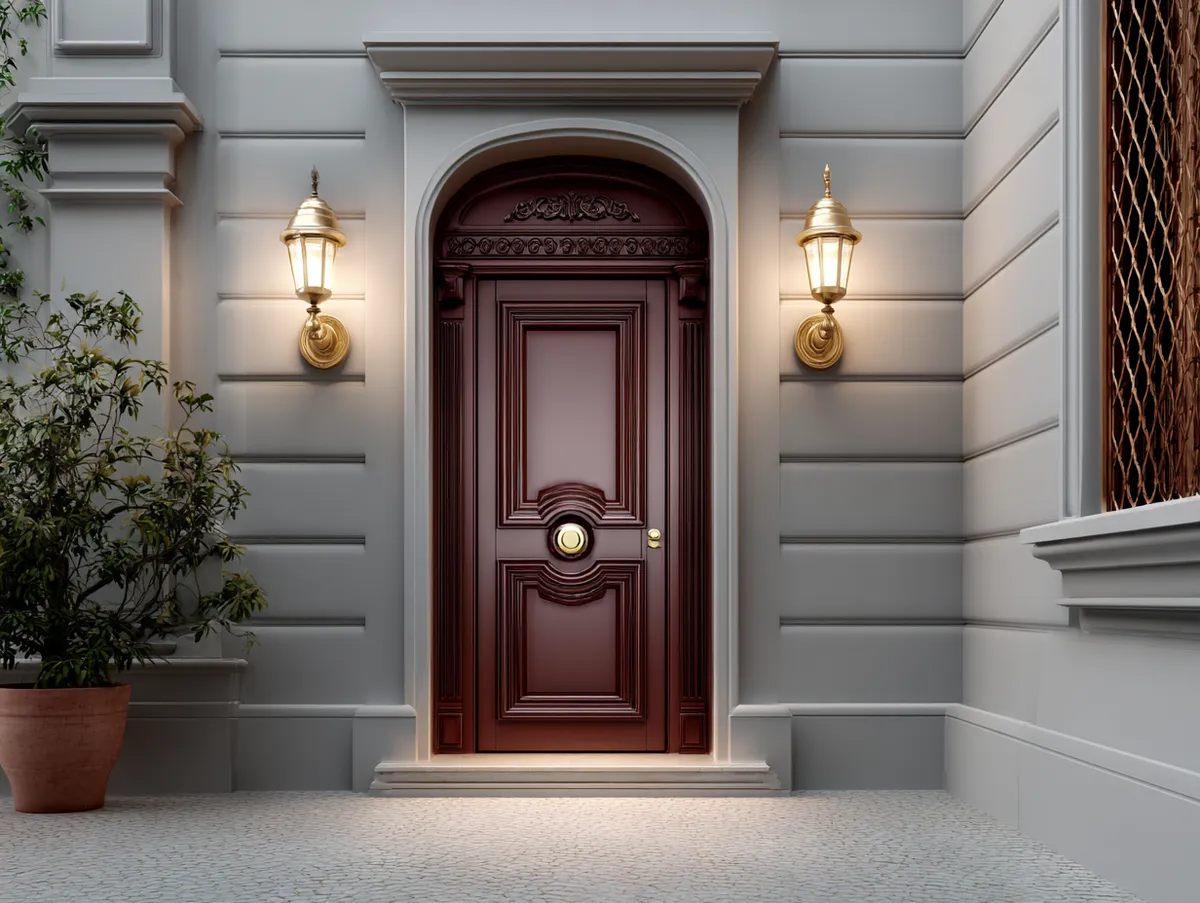
Choose decorative door trim as your statement piece if you want one architectural focal point that reflects your personality, or if you’re willing to maintain premium materials for a single, highly visible entry. Door trim is where you can indulge in ornate detailing, bold color, and custom finishes without stretching the budget across the entire house.
The best approach for most homes: invest in quality, consistent window trim as the foundation—whether wood, PVC, or a hybrid. Then layer in a decorative door entry that either complements or contrasts with your window frames. That combination gives you both unity and personality.

FAQ
Should window trim and door trim match in style?
Which trim costs more to install: window or door?
Can I use PVC for door trim like I can for windows?
How long does wood window trim typically last before repainting?
What happens if I don't caulk window trim properly?
Is ornate door trim worth the maintenance?
Complete guide
Door Design Ideas That Transform Every Entrance, Room and Style
Front doors, double doors, interior, garage, glass, wood, trim — all in one place
Complete guide
Exterior Decor Ideas Every Homeowner Should Know
Facade trim, moldings, patio design, garden, hardscape, outdoor living — all in one place
Complete guide
Wood in Every Room — Floors, Walls, Facades and Furniture
Paneling, ceilings, kitchens, facades, plywood, timber houses — all in one place