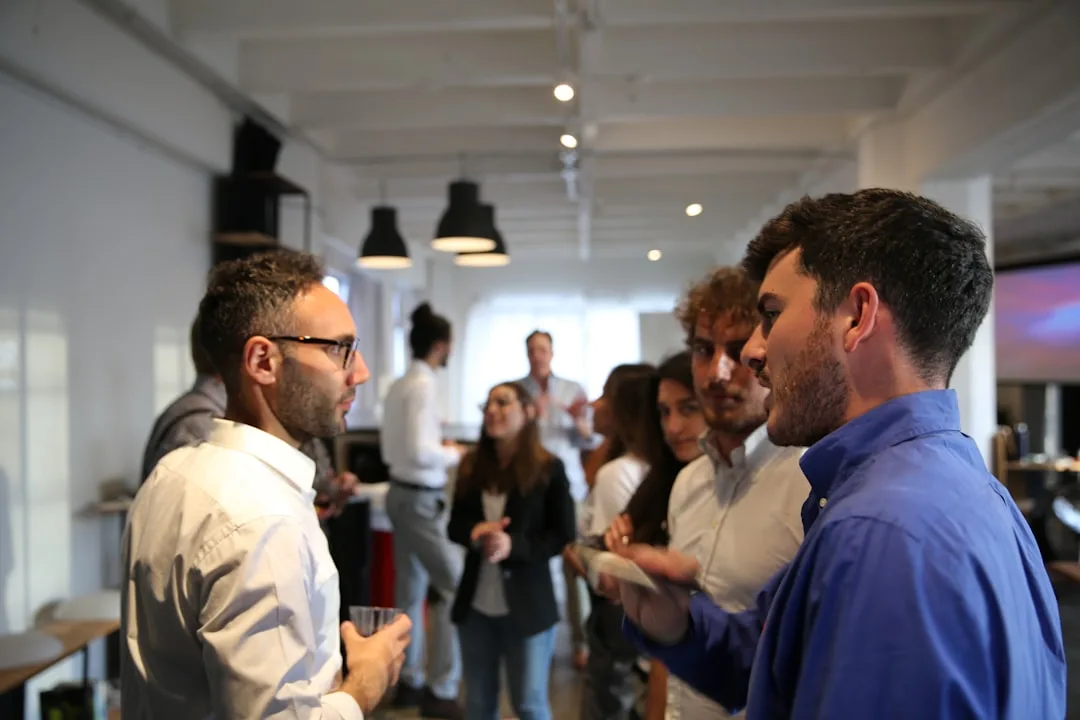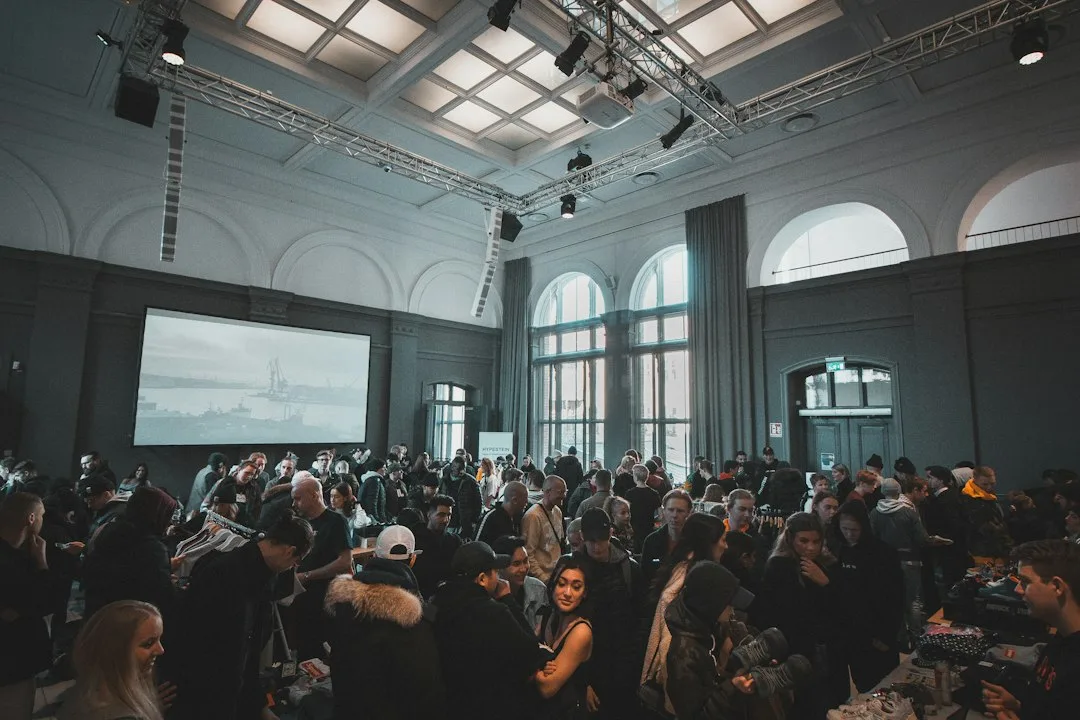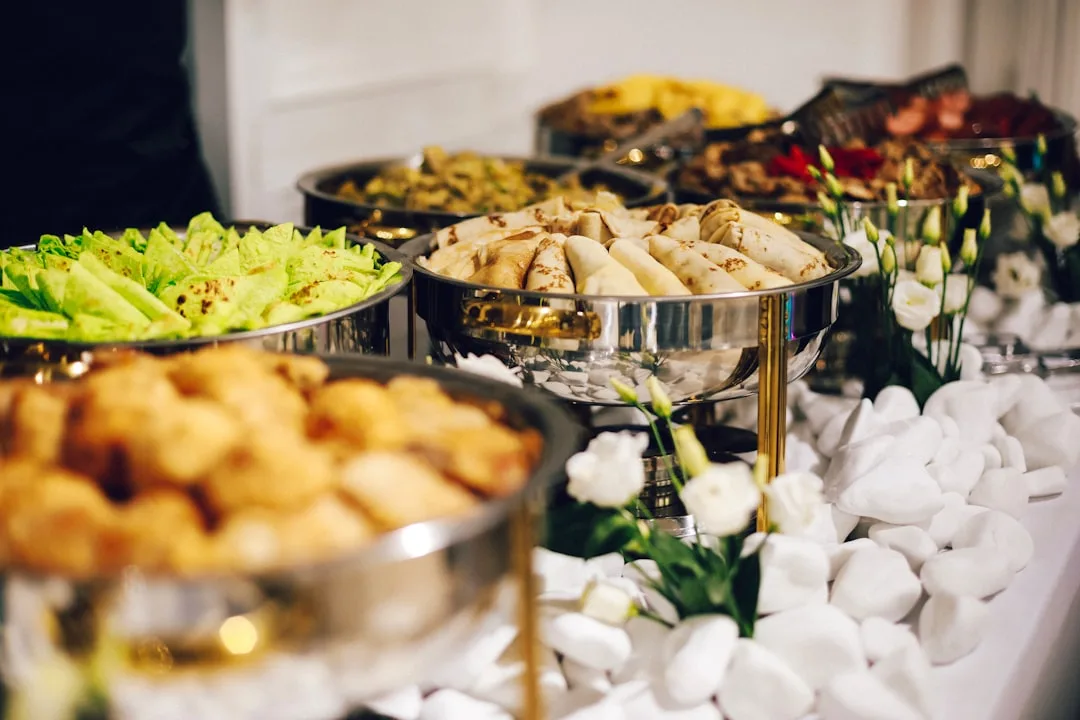
Last spring, a 280-person tech company in Austin scrapped its standard sandwich-and-chips catering budget and redirected it toward a single chef-led taco station with four regional salsas, house-made tortillas, and visible preparation. Employee engagement surveys jumped 34 points in the retention category. That’s not coincidence. Corporate event catering trends have stopped being invisible infrastructure and started becoming measurable business outcomes. Food now signals how much a company actually values the people in the room.
The Local-Source Mandate Reshapes Corporate Menus Entirely
Sysco and US Foods still dominate corporate kitchen logistics, but their supplier relationships now include mandates for local producers, seasonal produce, and regional identity. A catering director at a Fortune 500 firm in Chicago told us they now require 60% of all event proteins and vegetables to source within a 150-mile radius. That specificity removes anonymity from the plate.
Companies like Levy, which manages catering for major corporate campuses across North America, have restructured their pricing models around source verification rather than volume discounts. When guests see “heirloom tomatoes from Riverside Farm, 12 miles northeast” on the placard, they register that someone cared enough to know the origin. This replaces the decades-old assumption that catering food should be invisible comfort, unworthy of attention.
The expense isn’t trivial. Local sourcing typically adds 15-22% to per-head costs compared to standard national distribution. The trade-off is measurable: companies report higher attendance rates, longer dwell times at events, and more positive post-event sentiment in pulse surveys.
Quick Tips
- Request a sourcing map from your catering vendor before signing; verify at least three suppliers by name and distance
- Build local cuisine into your event narrative—print origin details on menu cards or table tents
- Schedule events 3-4 weeks out to allow catering partners time to confirm seasonal availability and direct relationships
- Assign one internal stakeholder to approve menus with sourcing data baked in, not added later
Interactive Stations Replace Plated Service and Buffet Sprawl
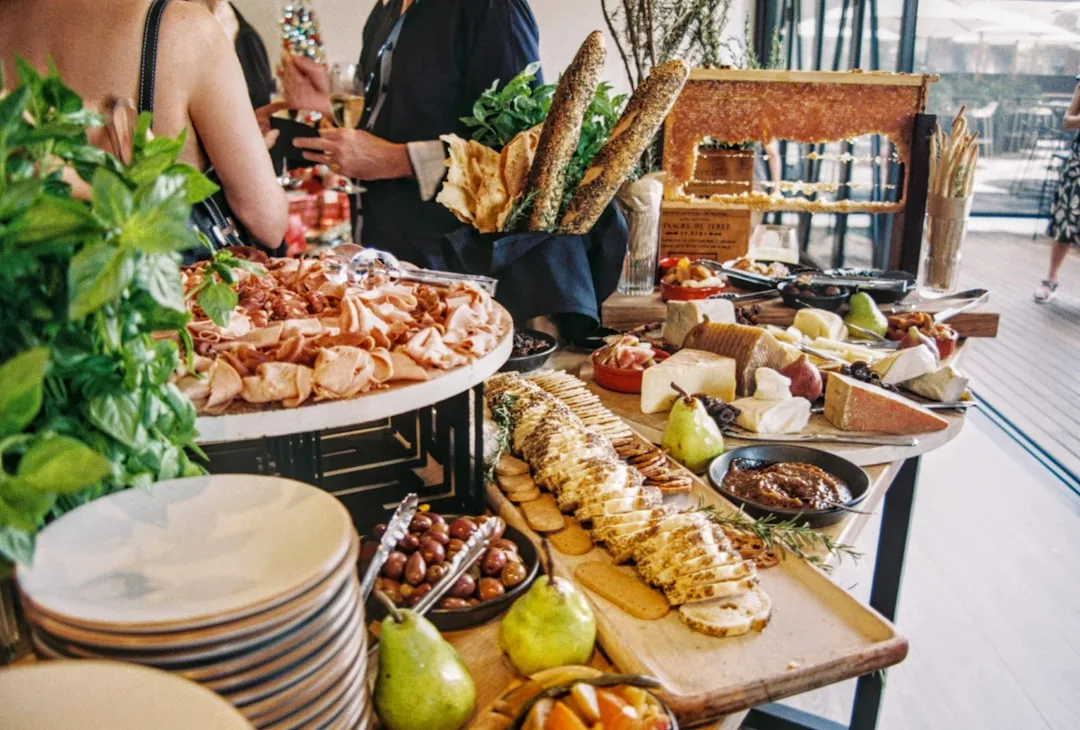
The shift from passive consumption to active participation is reshaping every corporate event. Instead of predetermined plated courses or sprawling buffet lines—where 40% of guests skip slow-moving carving stations—interactive catering stations now dominate mid-size and large corporate gatherings. A 200-person pharmaceutical conference in Boston this June featured four live-action stations: a wood-fired flatbread builder, a sushi roll counter with visible knife work, a braise-and-bread station, and a dessert bar with liquid nitrogen ice cream.
This format cuts down on service staff overhead while increasing perceived value and entertainment. Guests spend 6-8 minutes at each station instead of 90 seconds at a buffet. Chef presence creates conversation anchors—attendees talk to the person building their food, not to a silent server.
| Service Model | Guest Engagement | Average Event Duration |
|---|---|---|
| Traditional Plated | Minimal—eat and listen | 90 minutes dining |
| Buffet Lines | Low—queue frustration, rushed service | 110 minutes with bottlenecks |
| Interactive Stations | High—conversation and participation | 45-60 minutes per station cluster |
| Chef-Led Demo Tables | Highest—education and entertainment | 50+ minutes with learning component |
Companies aren’t just ordering more interactive setups—they’re using them strategically around hybrid employee experiences and team-building moments. A station becomes a temporary community space instead of a transactional food dispenser.
The Allergy-First Menu Design Prevents the Most Common Event Failure
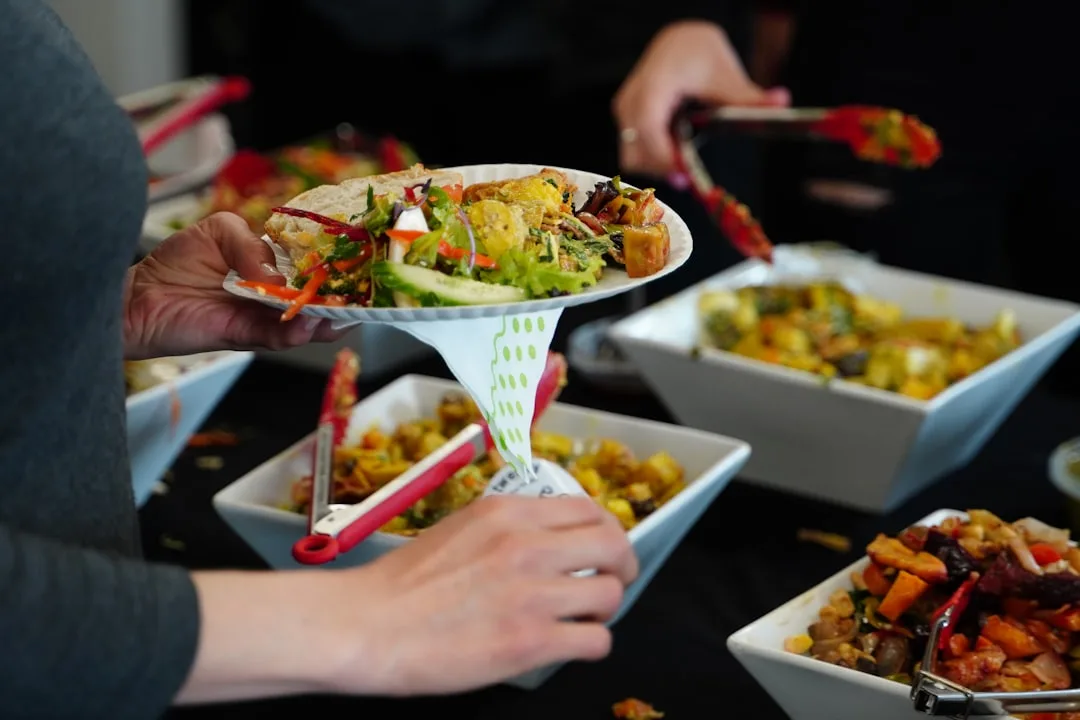
The biggest mistake corporate planners make is treating dietary restrictions as late-stage accommodations instead of foundational menu design. A marketing agency in Denver hosted a 150-person client dinner last month where the salad was gluten-free, the protein was vegan-only, and the actual client attendees—who had no dietary restrictions—had almost nothing substantial to eat. Awkward silence at a $12,000 event.
Leading catering teams now flip this entirely. They design core menu items that work for 80% of common restrictions: naturally gluten-free bases, plant-forward proteins that omnivores also enjoy, and clearly labeled alternatives that feel premium, not apologetic. Levy and Aramark now require catering directors to build three versions of every entrée simultaneously—omnivore, vegetarian, and allergen-aware—all equally visible and equally resourced.
This removes stigma and prevents the “separated tray at a side table” scenario that makes restricted-diet guests feel tokenized. When everyone eats the same polished version of a meal—just with different proteins or components—the event feels intentional rather than reactive.
Beverage Pairing Becomes the Retention Metric Nobody Talks About
Wine, beer, and non-alcoholic pairings have moved from “nice add-on” to core engagement data point. A financial services firm in New York tracked post-event survey responses across three events: one with standard open bar, one with sommelier-selected wine pairings, and one with a craft beverage consultant who curated wine, beer, and zero-proof options with equal sophistication. The paired-beverage events scored 23% higher on “felt valued by the company” metrics.
The psychology is simple: pairing suggests intentionality. It signals that someone thought about the guest experience at a level beyond logistics. Regional craft beverage consultants now charge $1,500-3,500 for 2-3 hour consultation and event management, a cost that most large corporates absorb into existing catering budgets.
Non-alcoholic options are no longer ginger ale and water. Premium zero-proof spirits (brands like Ghia and Athletic Brewing) are now standard on corporate menus, with dedicated pairing suggestions that feel as considered as wine selections.
Sustainability Certification Separates High-Performing Catering Partners
Companies evaluating catering partners in 2026 now screen for third-party certifications: B Corp status, landfill-free waste management, or carbon-neutral logistics. This matters because luxury experiences increasingly demand environmental accountability. A corporate event with 300 guests that generates zero food waste and uses compostable service ware becomes part of the company’s sustainability narrative, not just a meal.
Catering firms that can demonstrate waste diversion rates above 85% now command premium positioning in RFP processes. They’re not cheaper—they’re often 8-12% more expensive—but they’re selected specifically because they align with corporate ESG commitments that employees increasingly expect their employers to honor.
Documentation matters here. Ask catering partners for post-event waste audits, recycling percentages, and supplier environmental certifications. The firms that provide this data transparently are the ones betting on retention, not just transaction.