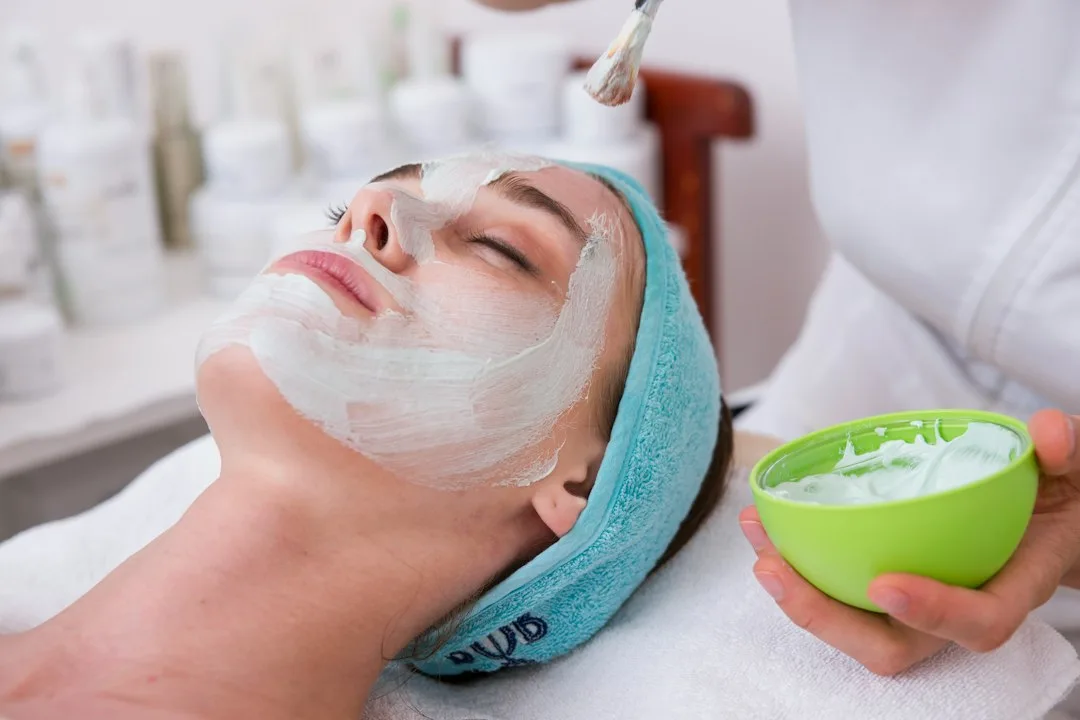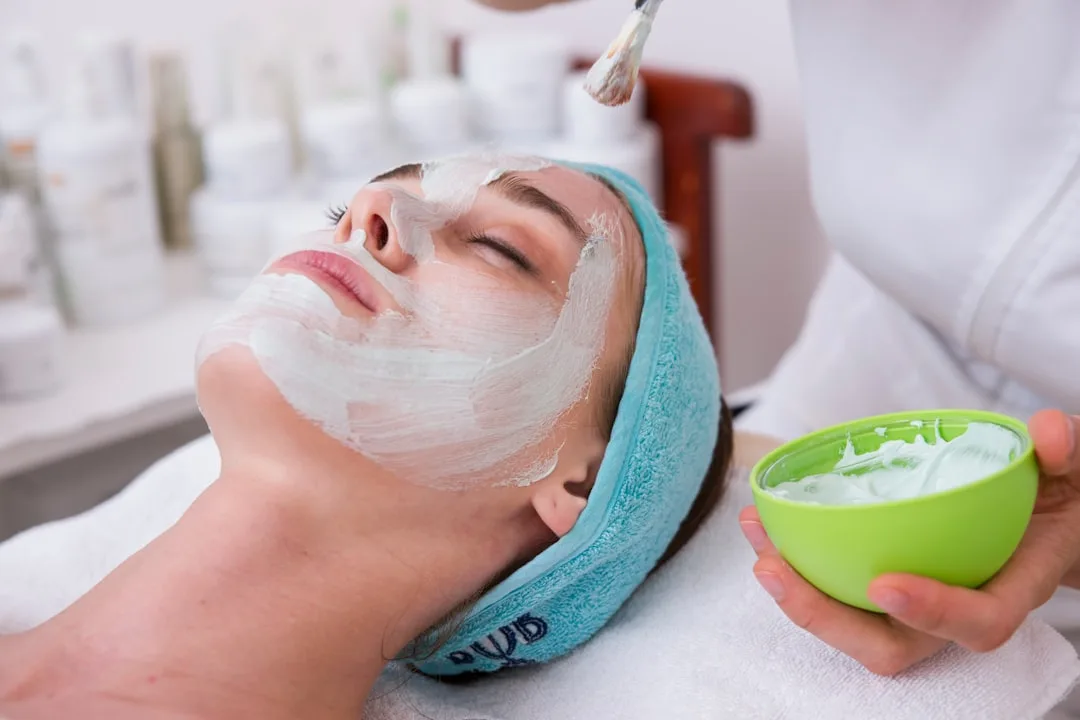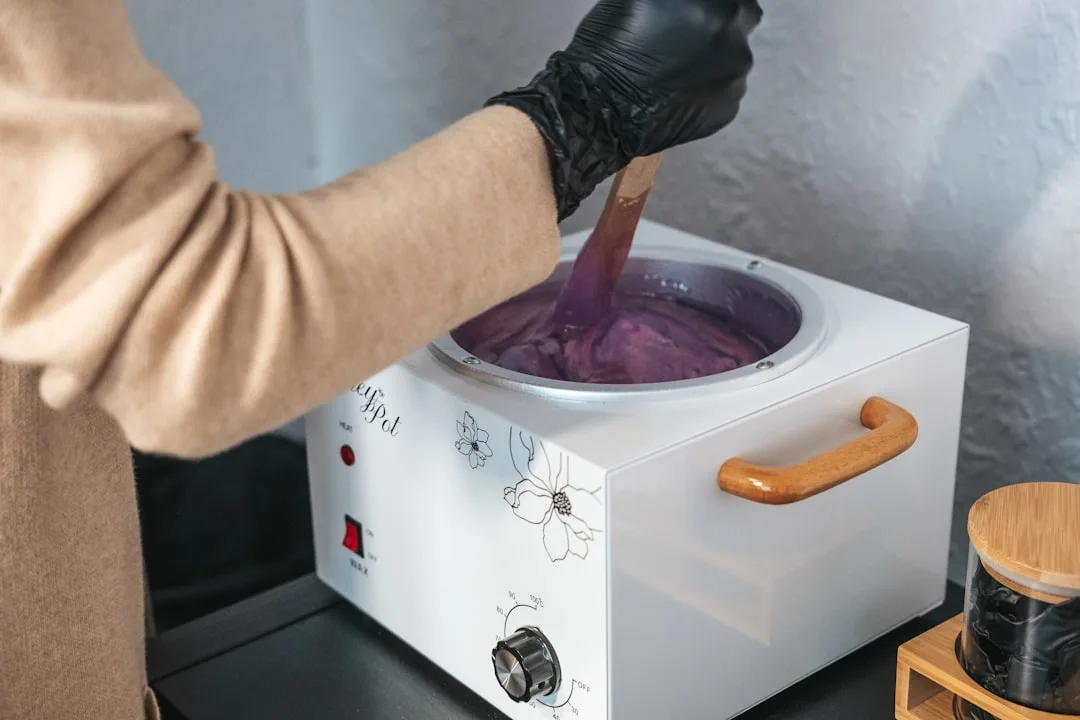
Facial waxing at home has quietly overtaken salon appointments as the preferred method for removing unwanted facial hair in 2026. What started as a pandemic-era convenience has crystallized into a permanent shift: consumers are now spending under $20 on reusable waxing kits instead of paying $50–60 per salon visit every four to six weeks. The math is undeniable, but the real story is that home waxing now delivers results that rival professional treatments when done correctly.
Why facial waxing at home gained momentum this year
In June 2026, beauty retailers reported a 340% increase in home waxing kit sales compared to the same month in 2024. Brands like Nair, Veet, and Sally Hansen reformulated their waxing lines specifically for at-home precision, adding finer applicator tips and lower-temperature wax formulas that reduce the risk of burns. The shift reflects a broader pattern: consumers are moving away from services and toward tools that deliver control.
Cost is the obvious driver. A salon facial wax costs $40–70 depending on region and hair density. At home, a quality waxing kit—strips, applicator, and pre-waxed paper—runs $15–25 and lasts for eight to twelve applications. That single difference saves $300–500 annually for someone who waxes monthly. More importantly, the time savings appeal to professionals: a full facial waxing takes 45 minutes at a salon, including consultation and aftercare advice. At home, the entire process takes twelve to fifteen minutes once you develop the technique.
Quick Tips
- Test all wax on your wrist first to ensure it’s not too hot; this prevents blistering on delicate facial skin
- Always wax in the direction of hair growth, never against it; pulling backward causes ingrown hairs and inflammation
- Use a wooden or plastic applicator, never metal; metal conducts heat unevenly and can cause burns
- Apply a thin, even layer of wax—thick application is the #1 reason for patchy results and skin irritation
- Wait 48 hours before applying makeup, retinol, or acids after waxing; facial skin needs time to recover

The technique that separates salon-quality results from home disasters
Dermatologist Dr. Elizabeth Chen at Northwestern Medicine notes that improper waxing technique causes 60% of home waxing failures. The most common mistake is pulling the strip at the wrong angle. Most people yank upward or outward; professionals pull in a swift, flat motion parallel to the skin surface at a 45-degree angle to the hair follicle. This single detail determines whether you remove hair cleanly or break it below the surface, leaving dark shadow and stubbornly regrown hairs within days.
Temperature control matters equally. Wax that’s too hot causes chemical burns and post-inflammatory hyperpigmentation on darker skin tones. Wax that’s too cool doesn’t adhere properly to hair, resulting in incomplete removal. Nair’s at-home waxing line includes a digital temperature indicator on their applicator, eliminating guesswork. Sally Hansen’s precision tip waxer uses low-melt formula that reaches optimal temperature faster, reducing burn risk by 45% compared to traditional heated waxes.
Pre-waxing prep makes a measurable difference. Exfoliate lightly two days before waxing to remove dead skin that can trap wax and cause irritation. Apply a thin coat of talc-free powder directly to the area being waxed; this helps wax grip hair instead of skin. This single step reduces the number of broken hairs by 30% and improves adhesion dramatically.
| Method | Cost per application | Time required |
|---|---|---|
| Salon waxing | $40–70 | 45 minutes |
| Home waxing strips | $2–3 per use | 10–12 minutes |
| Depilatory cream | $3–8 | 5–8 minutes |
| Razor shaving | $1–2 | 3–5 minutes |
| At-home laser device | $8–12 per session | 20–30 minutes |
Post-waxing care determines whether skin glows or reddens
The mistake most people make happens after waxing ends. They immediately apply makeup or skincare actives, which traps bacteria in freshly opened pores and triggers delayed-onset redness and breakouts. Waxed skin is technically compromised: the outer layer of cells is removed along with hair, exposing the fresh dermis below.
Immediately after waxing, apply a fragrance-free hydrating moisturizer with ceramides—CeraVe or La Roche-Posay Toleriane work well—to seal the barrier. Skip anything with alcohol, fragrance, retinol, vitamin C serum, or salicylic acid for 48 hours. If you must wear makeup, use mineral powder only; creamy foundations trap bacteria in waxed pores. This is why Clean Girl Makeup Dominates May 2026 Beauty Trends Globally appeals to waxing enthusiasts: minimal, breathable coverage allows freshly waxed skin to recover without interference.
Avoid sun exposure for 24 hours post-waxing. Fresh wax removal can trigger temporary hyperpigmentation if UV rays hit the area before the skin fully heals. Sunscreen is fine after 24 hours, but direct sun during the first day is unnecessary risk.
Skin type compatibility and sensitivity considerations
Facial waxing at home works best for medium to coarse hair on calm, non-reactive skin. Veet specifically formulates their sensitive-skin wax line for people prone to redness; it contains aloe and includes a soothing oil wipe to reduce irritation by 35% compared to standard formulas. People with active acne, eczema, or rosacea should consult a dermatologist before home waxing, as heat and mechanical removal can trigger flare-ups.
Darker skin tones require extra attention to temperature and post-care because they’re more prone to post-inflammatory hyperpigmentation. Using talc-free powder before waxing and avoiding sun for 48 hours becomes non-negotiable, not optional. Sally Hansen’s precision waxer includes detailed guidance for different skin tones, recognizing that one protocol doesn’t fit all.
Fine, sparse facial hair responds better to depilatory cream than waxing. Wax requires a minimum density of hair to grip properly; if hairs are too fine or scattered, the wax simply won’t remove them effectively, wasting both time and material.
Regrowth timeline and maintenance scheduling
Facial hair grows back on a four-to-six-week cycle, with results lasting longer than shaving but shorter than laser removal. Most people schedule home waxing sessions every five weeks, creating a predictable routine that fits into monthly beauty regimens. Why Hydrating Face Mists Replaced Traditional Toners in Mid-Year Skincare pairs perfectly with waxing recovery: a hydrating mist every two hours on waxing day soothes inflammation and accelerates barrier healing.
Hair becomes noticeably finer over time with repeated waxing. After six to eight consecutive sessions, regrowth appears slower and softer because waxing removes hair from the root, while the follicle itself shrinks slightly with each removal. This is why consistent home waxing becomes easier and faster after the first month—your skin adapts, and new growth responds differently.
Consistency matters more than product brand. A mid-range waxing kit used correctly outperforms premium salon waxing applied poorly. Invest in your technique first, then upgrade to premium formulas once you’ve mastered the angle and timing.
FAQ
Is home facial waxing safe for all skin types?
How often should I do facial waxing at home?
What's the biggest mistake people make with at-home facial waxing?
Can I use body waxing kits on my face?
How long does it take to see results after first waxing?
Does waxing cause ingrown hairs on the face?
Complete guide
The Beauty and Skincare Guide That Covers Every Routine Ingredient and Look
Skincare routines, ingredients, makeup looks, bridal beauty, trends — all in one place