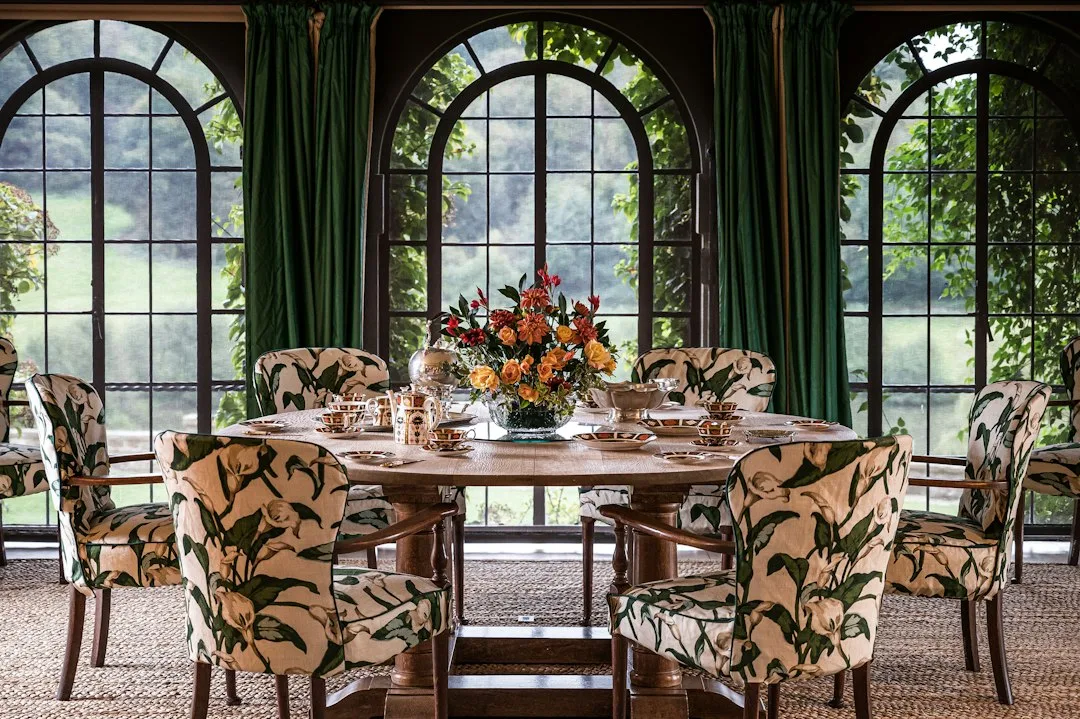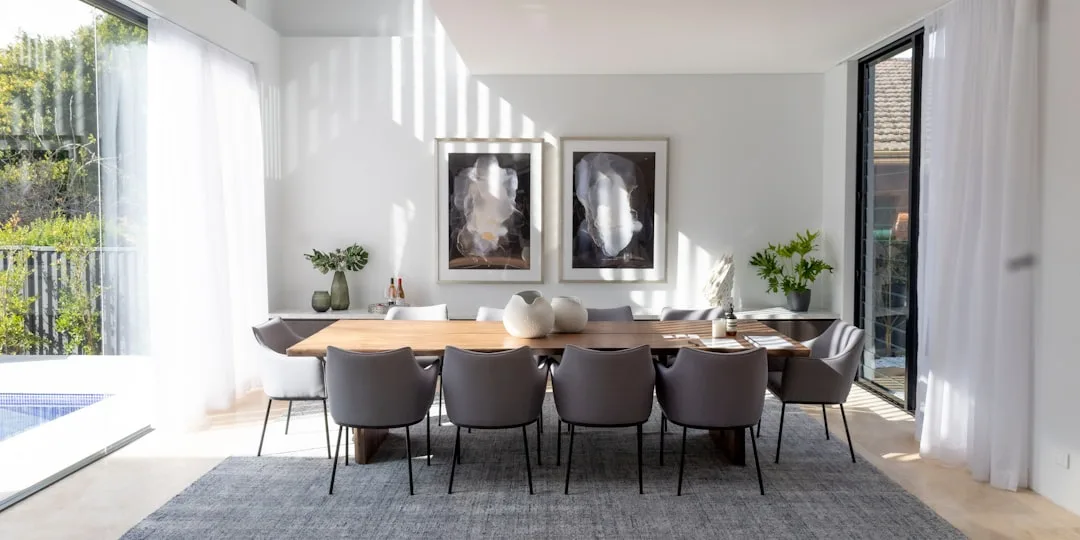
When redesigning your main living spaces, you face a fundamental choice: do you anchor your room around a striking glass coffee table or wood kitchen design? These two approaches—one emphasizing transparency and modern geometry, the other celebrating natural warmth and material texture—shape not just furniture placement but the entire feel of how light, color, and daily life move through your home.
A geometric glass coffee table centerpiece invites air and reflection into a dining or living zone, while a modern wood kitchen design brings organic solidity and tactile richness to your cooking and gathering space. Glass coffee table or wood kitchen works best if you want visual openness and contemporary flair; wood kitchen suits you if you crave warmth, durability, and a timeless blend of form and function.

What each option actually is
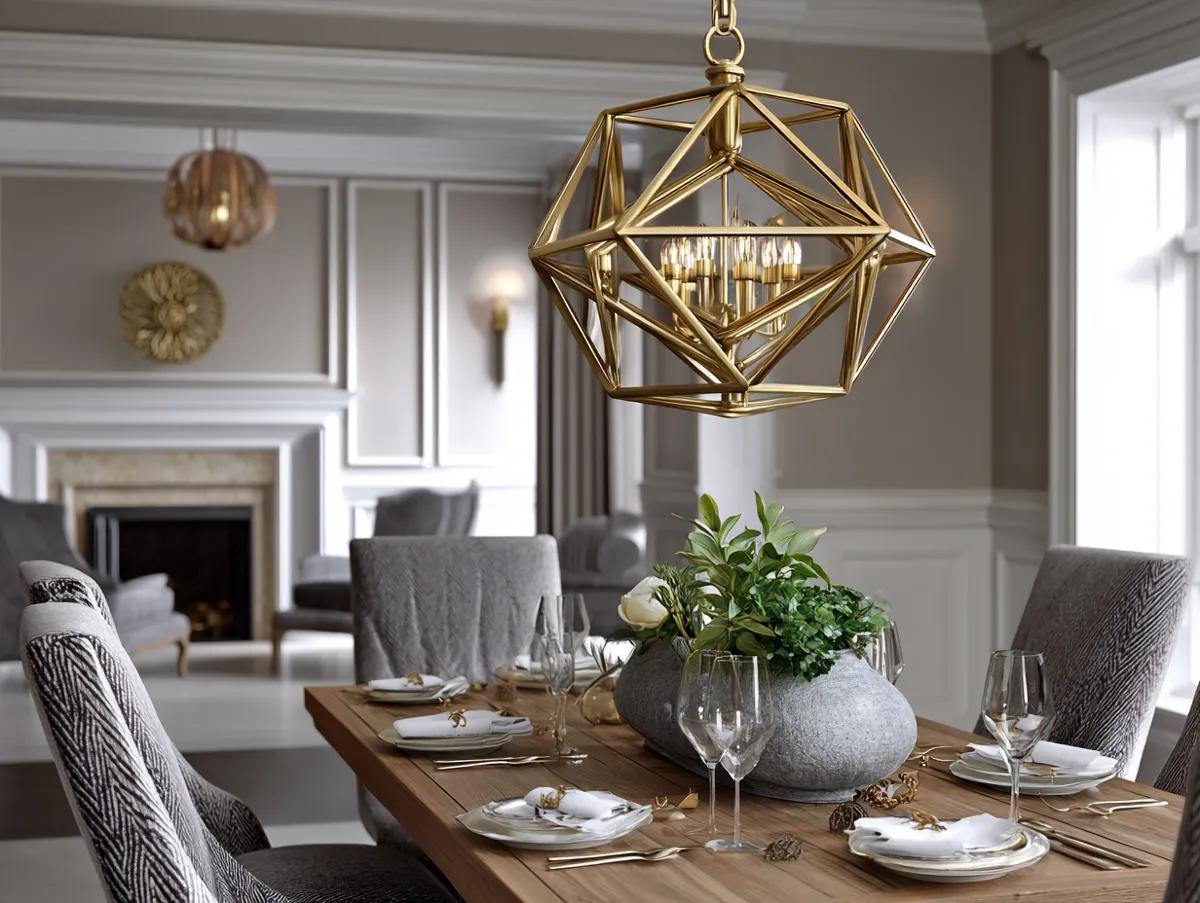
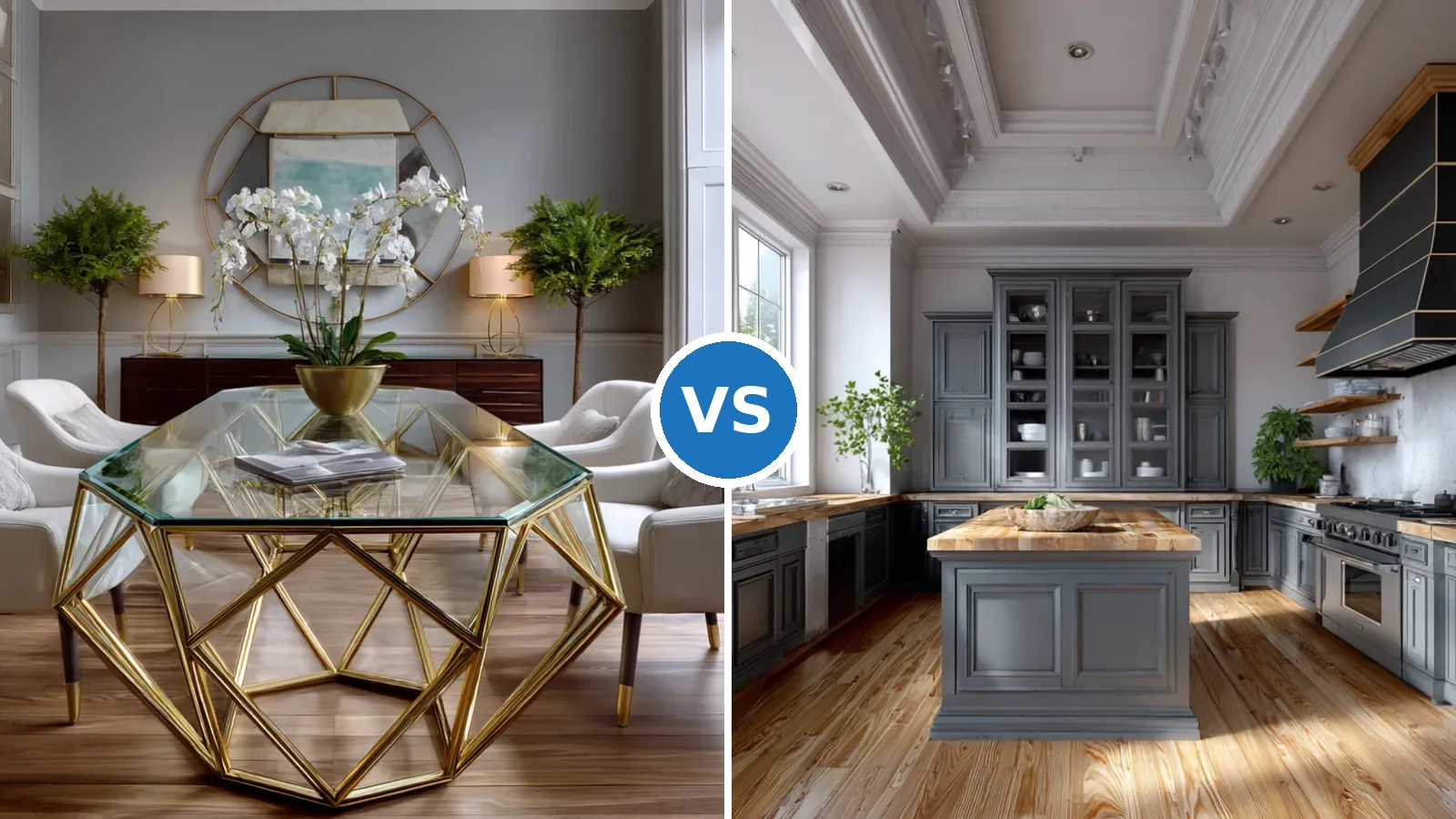
A geometric glass coffee table combines a transparent or translucent glass top with a structured metallic frame—typically stainless steel or gold-finished metal. The geometric design emphasizes clean lines and angular or layered shapes that read as modern sculpture when viewed from above or around the room. Its primary strength is visual lightness: because the top is see-through, the eye travels beneath and beyond the table, making even a small room feel more expansive.
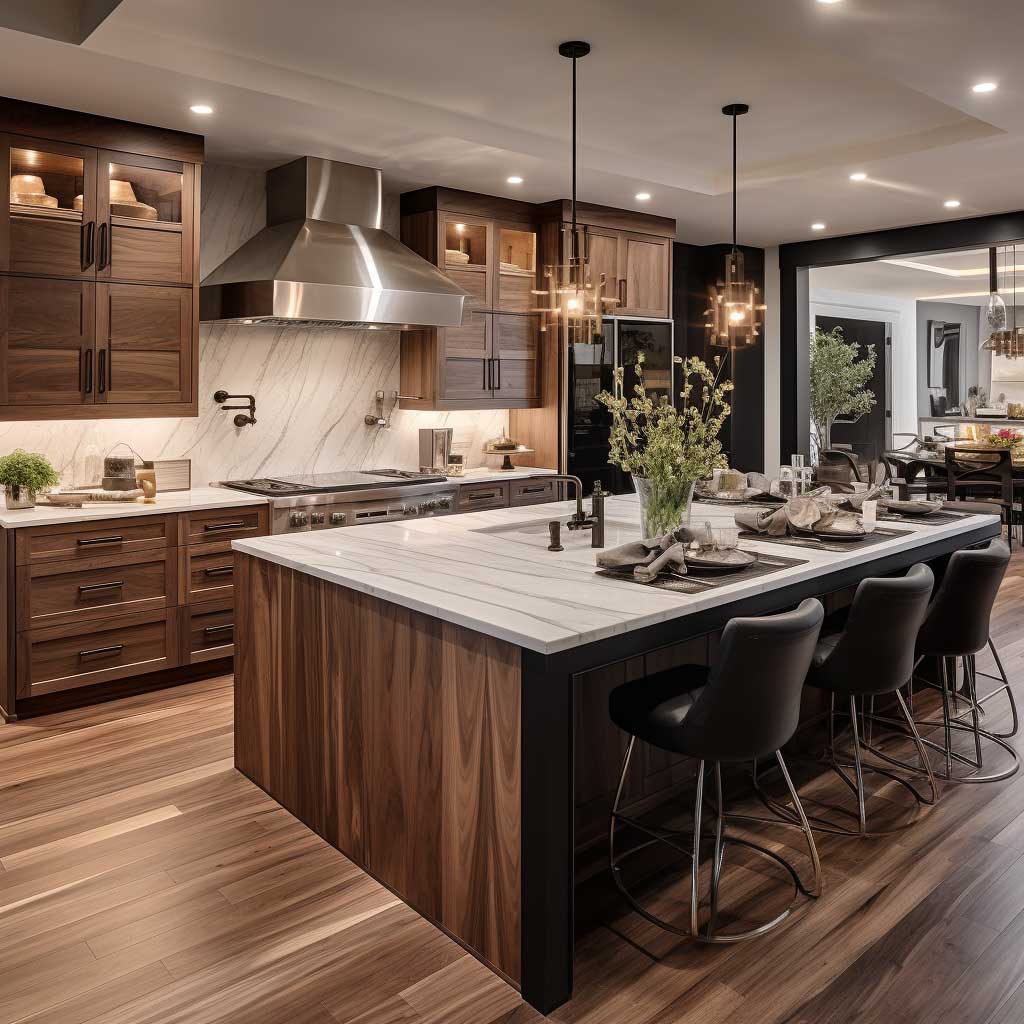
A modern wood kitchen integrates real wood elements—cabinets, countertops, flooring, islands, and accents—with contemporary hardware, appliances, and finishes. The wood brings warmth and natural variation in grain and tone, while sleek handles, stainless steel appliances, and minimalist lines keep the space feeling current rather than rustic. This style balances heritage materials with modern restraint.
Quick Verdict
- Choose glass coffee table if you want to open up a dining or living room visually, prioritize contemporary flair, and do not mind regular cleaning of glass and metal.
- Choose wood kitchen if you cook and entertain frequently, value durability and natural warmth, and want a space that improves in character as it ages.
- Choose glass if your room receives plenty of natural light and your decor leans minimalist or eclectic.
- Choose wood if you want a functional hub that balances style with practicality and serves as the social center of your home.
How glass coffee table or wood compares on style and function
Style-wise, a glass coffee table reads instantly as contemporary and refined. Its transparent surface and geometric metallic frame catch and reflect light, especially sunlight streaming through windows, creating dynamic visual interest throughout the day. The table becomes a focal point not by blocking sight lines but by framing them—drawing attention to what lies beneath and around it. In a room with soft greys and whites, the reflective quality of the metal frame adds a touch of luxury and shimmer.
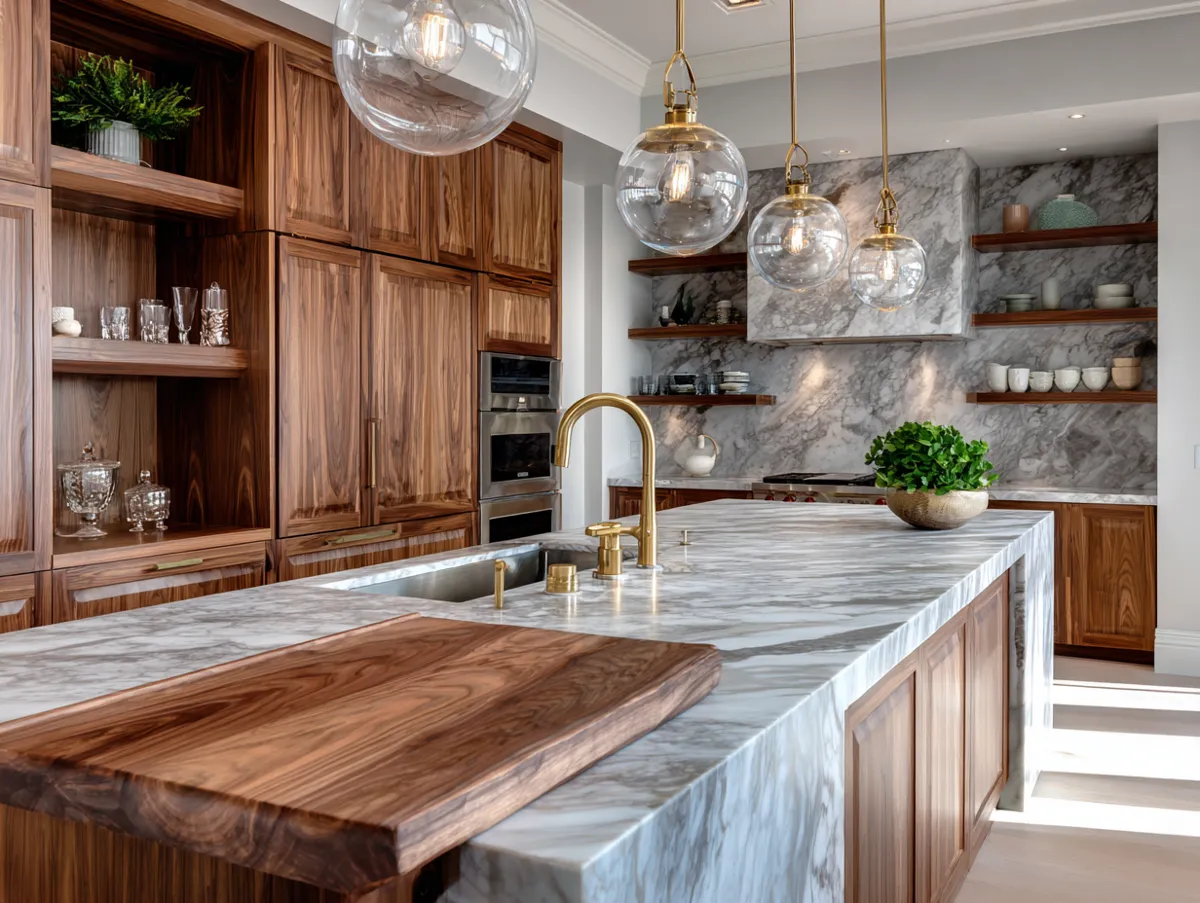
A wood kitchen projects warmth and permanence. The natural wood finish introduces color variation, grain patterns, and texture that feel organic and inviting. When paired with modern hardware—long stainless steel handles or knobs with clean lines—the wood does not read as dated; instead, it anchors the space in comfort while the sleek accents keep it contemporary. The combination creates what designers call a balanced blend: neither cold nor overly nostalgic.
Functionally, a glass coffee table offers ample surface area for centerpieces, books, coasters, and decor, but its transparency means you see everything underneath—clutter is immediately visible. The table anchors a room and sets a formal or sophisticated tone.
A wood kitchen serves multiple roles: storage, work surface, meal preparation, and social gathering. Open shelving with wooden accents, wooden islands, and wooden flooring all maximize both form and purpose. Every wooden element reinforces the sense that you are in the functional heart of your home.
| Criteria | Glass Coffee Table | Wood Kitchen |
|---|---|---|
| Light reflection and spaciousness | Excellent—transparent top bounces light and expands sight lines | Moderate—absorbs some light but creates welcoming ambiance |
| Warmth and tactile appeal | Cool and sleek; appeals to those who like minimalism | Warm and inviting; natural material draws the eye and hand |
| Durability and scratch resistance | Glass is prone to fingerprints and smudges; requires regular cleaning | Wood stands up well to daily wear; develops character with age |
| Storage capacity | Minimal; designed for decorative display only | Extensive; cabinets, drawers, shelves, and islands serve daily needs |
| Design flexibility | Works best in modern, contemporary, or eclectic settings | Adapts to modern, classic, transitional, and mixed-style homes |
| Maintenance routine | Frequent cleaning needed to avoid marks and dust visibility | Occasional dusting and conditioning; resists showing fingerprints |

Where the glass coffee table wins
A geometric glass coffee table excels at making a room feel larger and more open. Because the top is transparent and the frame is slender metal, the table takes up visual weight without blocking sightlines. In a dining room with muted colors—soft greys and whites—the gold or stainless steel frame catches light and adds a subtle luxurious shimmer that lifts the entire space.
The table also wins on style impact per square inch. It functions as sculptural decor, not just furniture. Its geometric design creates visual interest and frames whatever lies beneath or around it. A single statement piece can anchor a room and set a contemporary tone without requiring an overhaul of surrounding elements.
Glass is also infinitely flexible in design context. It pairs well with traditional elements like chandeliers and mirrors, or with modern abstract art. This eclecticism makes it ideal for rooms where you are blending styles deliberately.


Where the wood kitchen wins
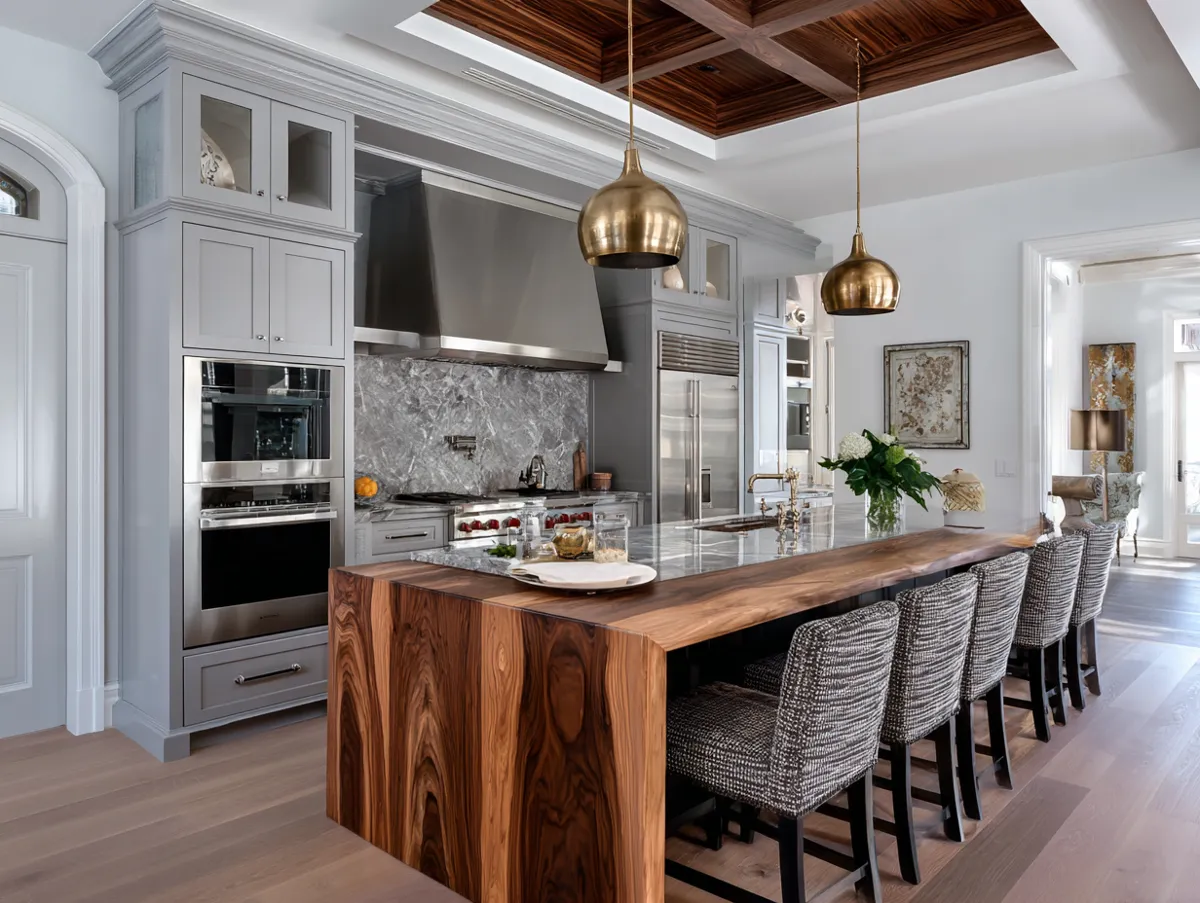
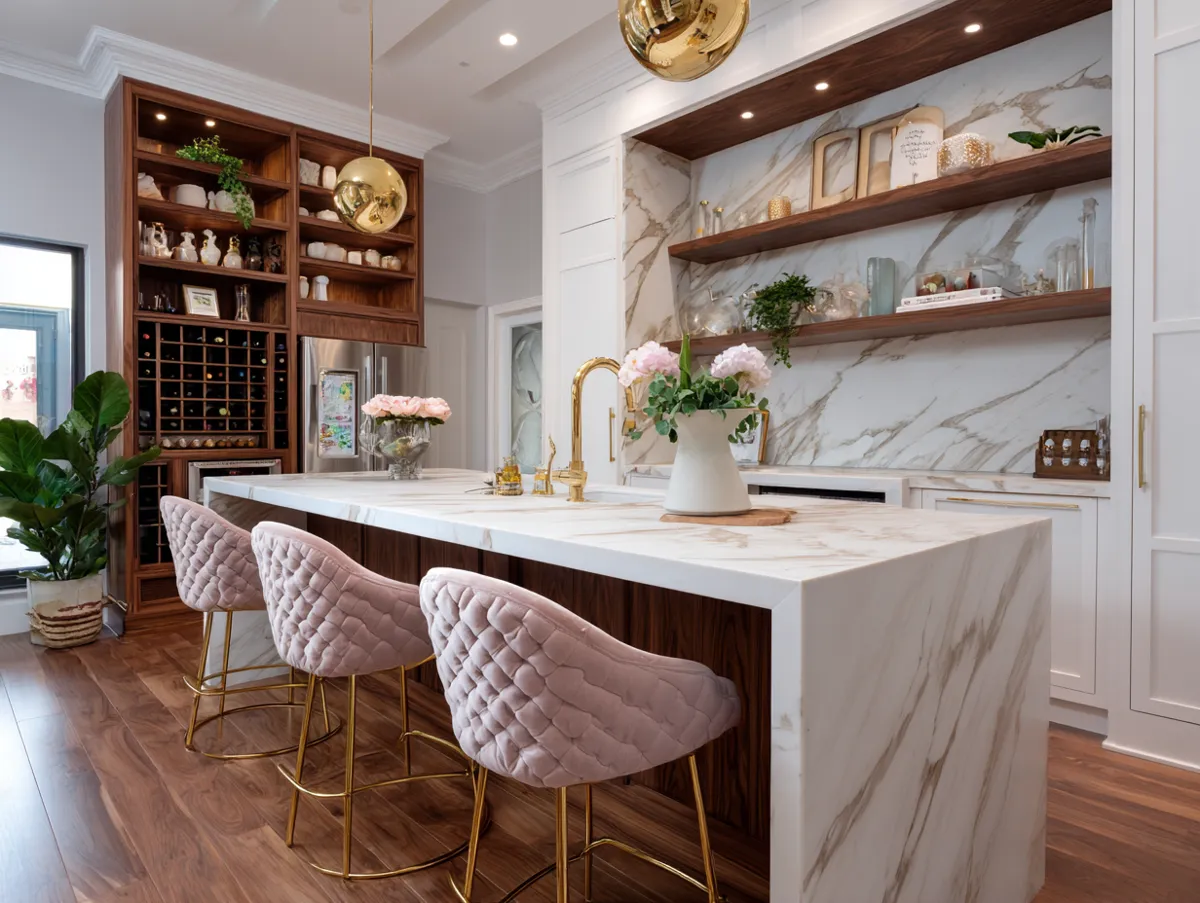
A wood kitchen excels at creating a functional, welcoming hub that serves your daily life. From wooden cabinets with modern hardware to wooden countertops with waterfall edges and wooden islands with sleek pendant lights, every element solves a practical problem while reinforcing a cohesive aesthetic. Storage, work surface, and gathering space blend smoothly.
Wood also wins on durability and functionality in high-traffic zones. A kitchen endures spills, heat, moisture, and constant use—materials need to stand up to practical demands. Wooden cabinets and countertops handle this wear gracefully, developing character and patina. Wood surfaces require occasional dusting and conditioning but resist showing fingerprints, unlike glass.
The warmth factor matters too. A wood kitchen invites people to linger, cook, and gather because the natural material feels approachable and alive. Open shelving with wooden accents and wooden islands create layers of visual and tactile richness that a glass-topped table alone cannot deliver. The kitchen becomes the emotional center of your home, not just a functional zone.
The number one mistake people make when choosing between them
The biggest mistake is treating these options as competing for the same room or function. They do not. A glass coffee table belongs in a dining or living space; a wood kitchen belongs in, well, your kitchen—or an open-plan kitchen-dining hybrid where both could theoretically coexist.
The real error happens when people choose based on one aesthetic feature alone, ignoring context. Someone might buy a glass coffee table because they love the shimmer and geometry, then realize that their home—with dark wood floors, heavy furniture, and soft, warm color schemes—reads better with wood-based anchors. Or someone invests in a full wood kitchen without considering how much daily cleaning and maintenance their lifestyle supports.
The solution: assess the room’s function, light, existing palette, and your maintenance tolerance before deciding. A glass coffee table in a bright, minimalist room with plenty of natural light shines. Wood kitchen elements in a home where cooking and gathering happen daily anchor that space beautifully. Choose the option that matches not just your taste but your daily rhythm and your room’s reality.
Final verdict — which should you choose
If your priority is visual openness, contemporary style, and transforming a single piece into a room-defining statement, a glass coffee table wins. It makes space feel larger, reflects light, and brings sculptural presence to a dining or living zone. Pair it with thoughtfully selected surrounding elements and it anchors your entire room aesthetic.
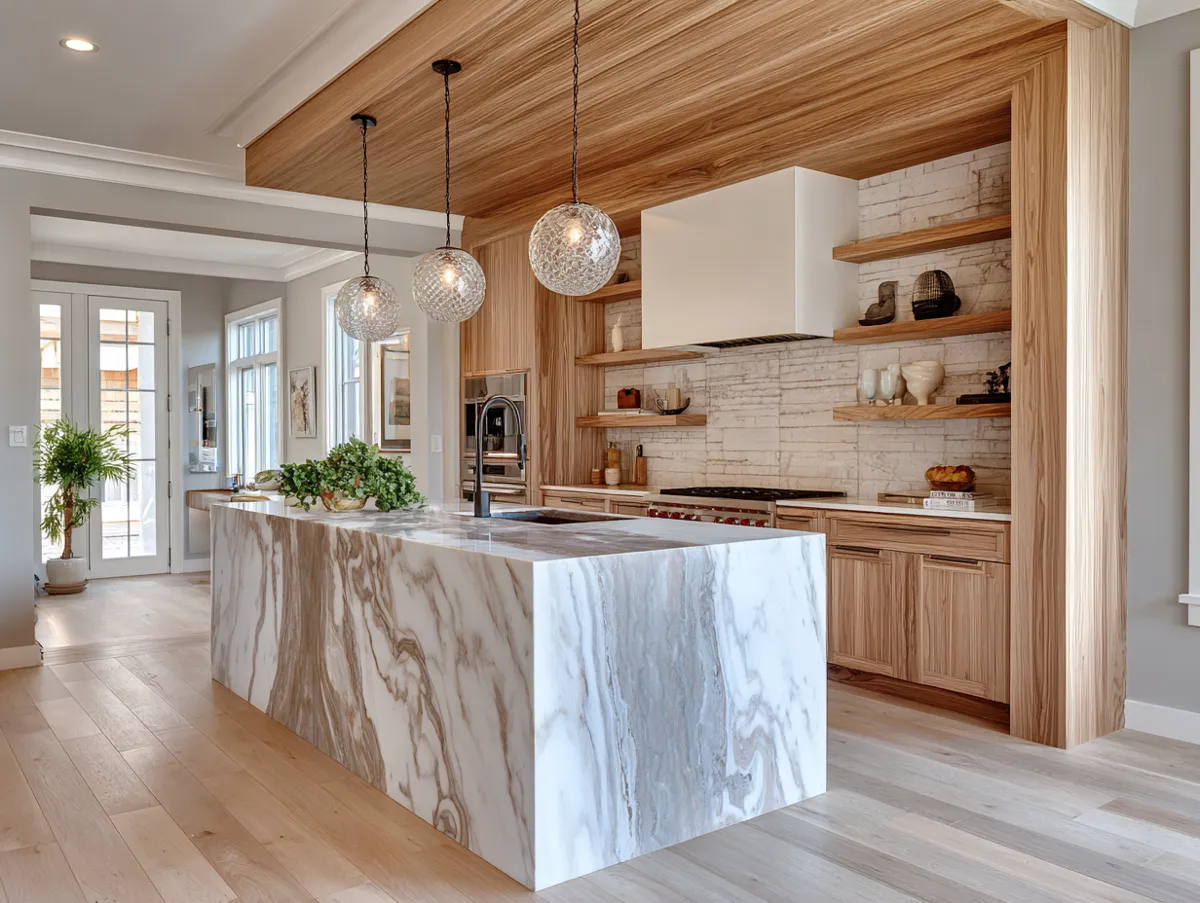
If your priority is creating a functional, warmth-filled kitchen that serves as the heart of your home—a space where cooking, storage, gathering, and daily life intertwine—then wood wins decisively. Its durability, natural beauty, and practicality make it the right choice for a room that must work as hard as it looks good.
In reality, you may choose both: a wood kitchen in your cooking space and a glass coffee table in your dining or living area. Each plays to its strengths in its own room, creating complementary zones of contemporary style and practical warmth throughout your home.