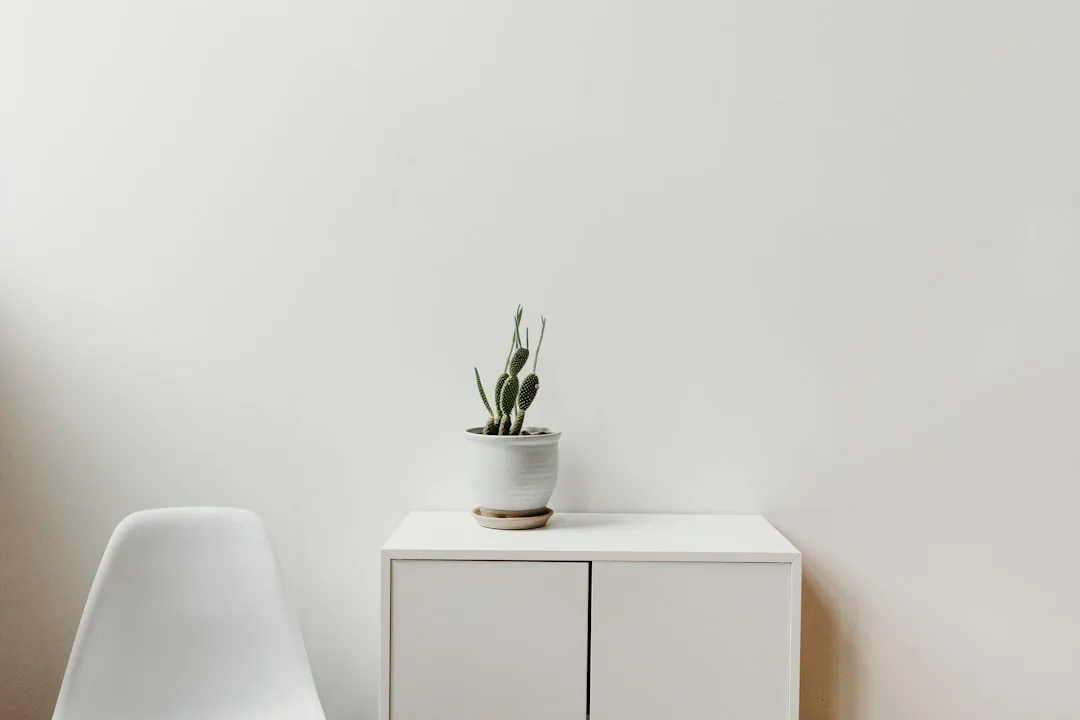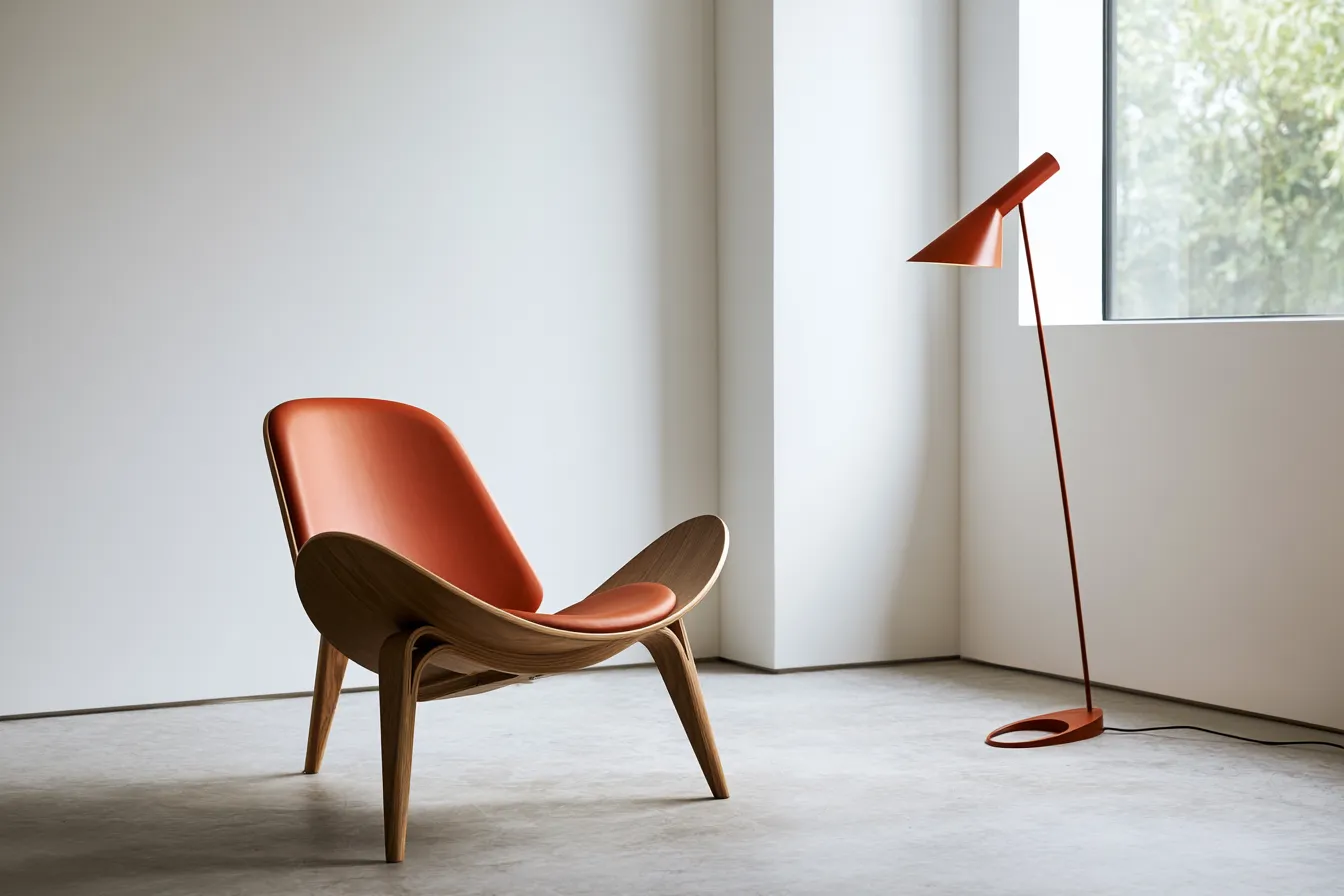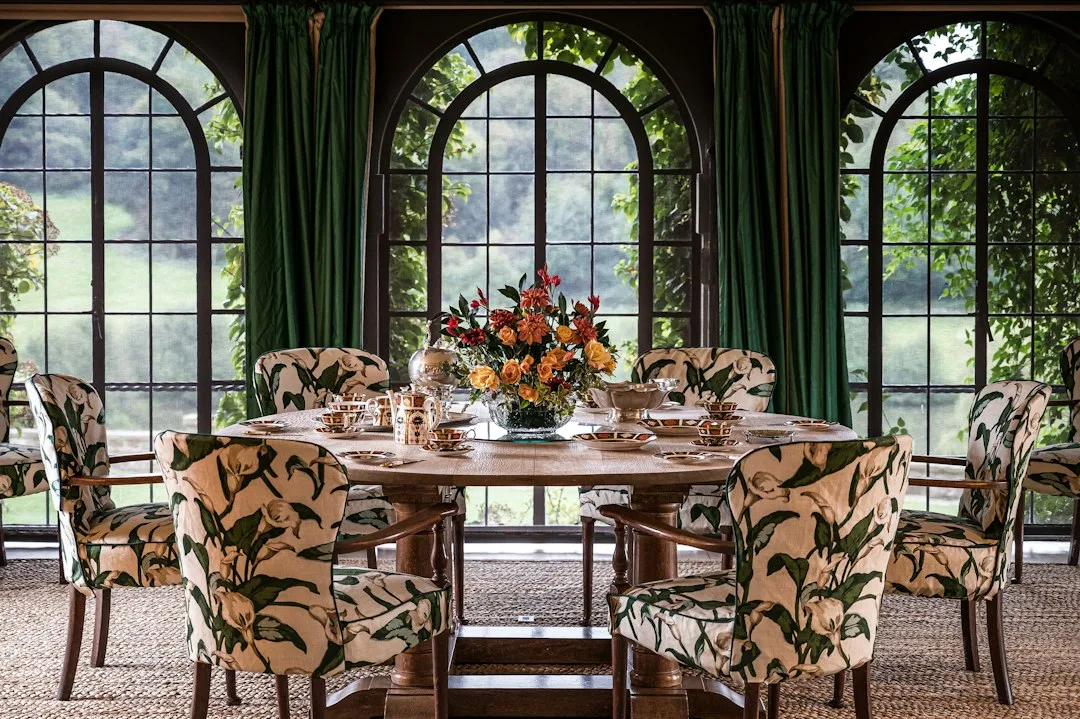
Walk into a newly renovated dining room in 2026 and you will often notice the same surprise: the chairs are lighter than expected, and the seats show a visible weave. Cane dining chairs have moved from sunroom afterthought to a serious choice for designers working with warm, mixed-material interiors. Their open pattern lets light and sightlines through, which matters when a room has to feel calm even with a full table.
Why Cane Dining Chairs Suit Warm Modern Rooms
Carl Hansen & Søn still produces the CH24 Wishbone chair, Hans Wegner’s 1949 design with a seat of woven paper cord that reads almost like cane under soft light. It set the standard for the idea that a woven seat can look refined rather than rustic. Designers keep returning to that contrast.
The reason this matters now is material balance. Plaster walls, oak floors and linen curtains already dominate most 2026 interiors, and a solid upholstered chair can make a room feel heavy. A woven seat adds texture without adding bulk. Texture, not weight.
Quick Tips
- Choose a woven seat when the table is solid wood, so the contrast reads on purpose.
- Keep one woven element per zone so the room does not overload on texture.
- Sit on a sample chair before buying a full set to check seat tension and joint stability.
- Match the weave scale to the table: fine weaves suit slim tables, chunkier weaves suit heavy ones.
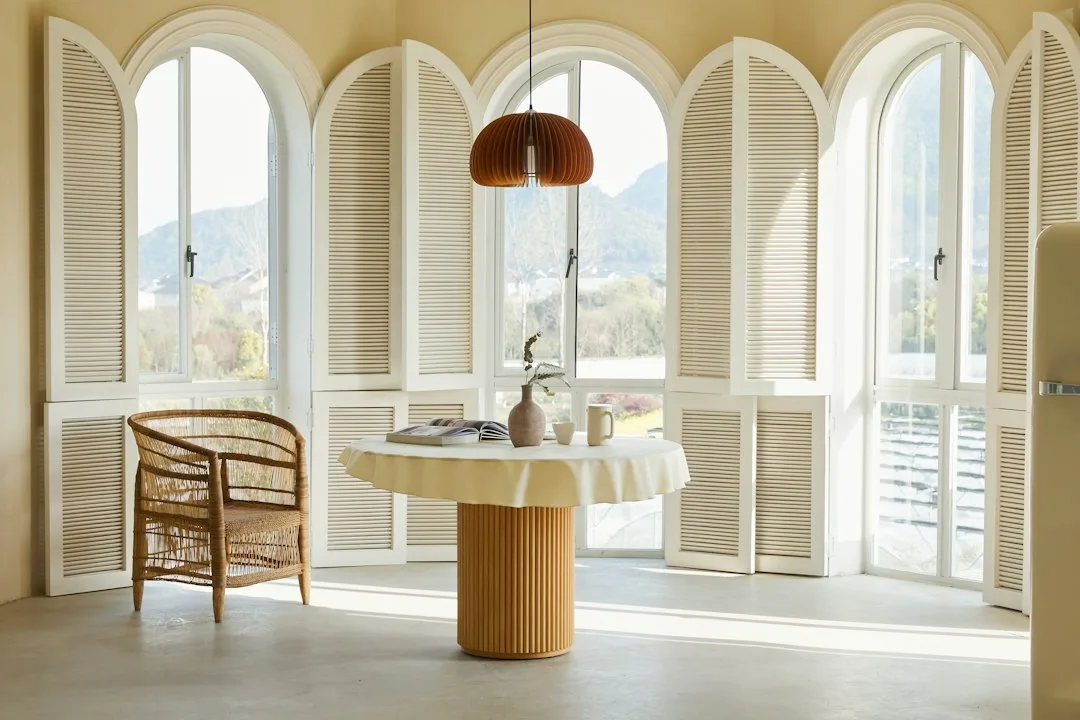
Materials, Weaves and Frames Worth Comparing
Serena & Lily sells rattan and woven pieces with natural frames in tones that range from pale honey to a deeper amber, and that color shift matters more than most buyers expect. Light cane can yellow noticeably under strong sun. A bright south-facing dining room can change the look of a set within a year.
Thonet’s No. 14 bentwood chair, first produced in 1859, remains a reference point for wood frames paired with woven or caned seats. Its curved beech frame carries the load without heavy joints. Restoration Hardware offers rattan-look chairs in a more upholstered, lounge-leaning style. The comparison below shows how the main options differ.
| Feature | Hand-woven cane | Bentwood with woven seat | Upholstered chair |
|---|---|---|---|
| Visual weight | Light and open | Light with curved frame | Heavy and soft |
| Upkeep | Vacuum weave, avoid soaking | Oil wood frame yearly | Spot clean fabric |
| Best room fit | Bright, relaxed dining | Traditional or Japandi | Formal or family dining |
| Sun effect | Yellows over time | Wood ages gently | Fabric may fade |
The Mistake That Makes Woven Seats Look Cheap
The most common error is buying a full set of woven chairs for a dining space that already has three competing textures. Picture a dining room with a rattan pendant, a jute rug, a cane-backed bench and a chunky woven basket on the sideboard. Every surface reads as the same idea, and the room starts to look like a single product line.
The fix is to let the chairs carry the weave while the other pieces stay in plaster, lacquer or stone. Swap the basket for a ceramic vessel and the pendant for a plain linen shade, and the chairs suddenly look intentional. One weave per zone.
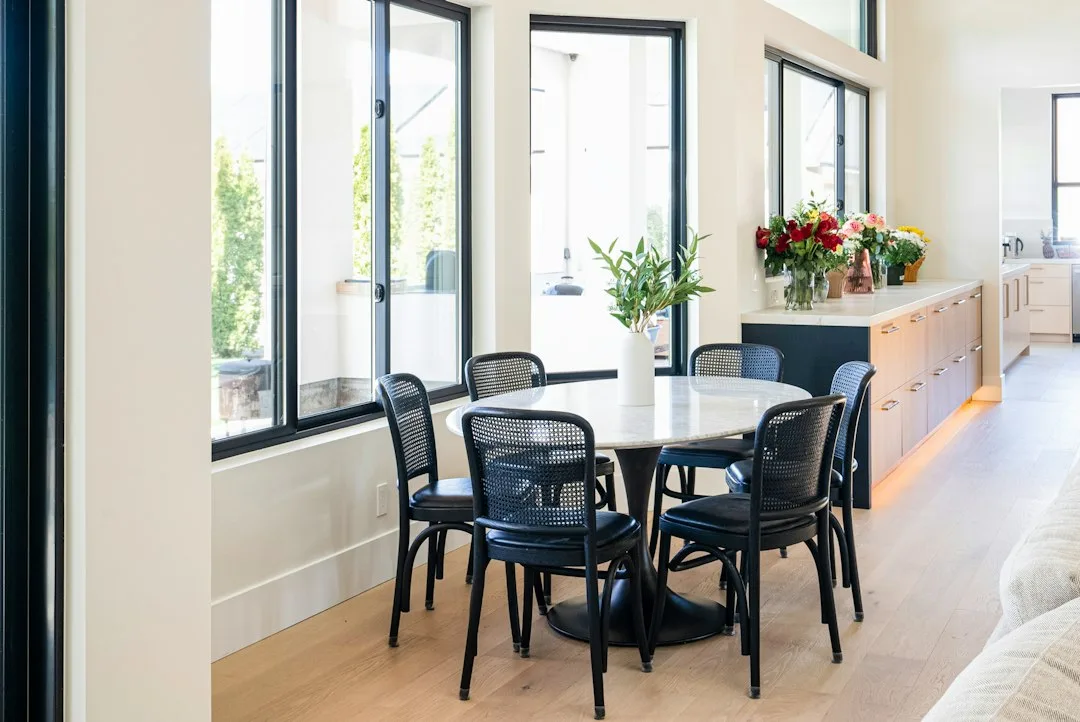
Styling Cane Chairs With Plaster, Brass and Stone
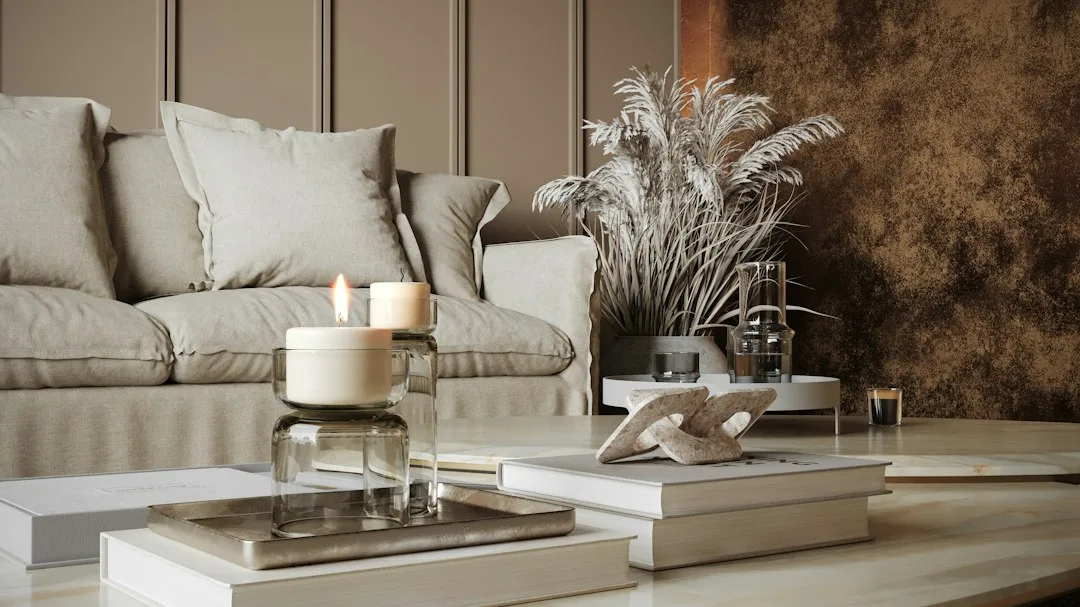
Lime-washed plaster walls and warm brass hardware give woven seats a backdrop that keeps them from tipping into rustic. Pale surfaces bounce light back into the weave, which is why many designers pair the two in north-facing rooms. For a broader take on calm, natural rooms, read How to Build a Beautiful Home with Stylish Interiors by Designing With a Purpose.
Stone tables in honed travertine or pale oak give the chairs a stable base. A matte brass light fitting above the table adds a small metallic note without competing with the texture. Keep the palette in creams, beiges and warm neutrals so the weave stays the focal point.
Keeping Woven Seats Looking Good for Years
Cane needs a dry room and a soft brush or an upholstery vacuum attachment to clear dust from the gaps. Wiping with a barely damp cloth is fine occasionally, but soaking or placing the chairs beside a radiator will split the strands. Dry any spill immediately.
Japandi-leaning homes handle woven pieces best because the calm palette does not compete with the texture. The same reasoning applies to sleeping spaces, as explored in Discovering Japandi Bedroom Design for Zen Interiors. Calm surfaces let natural materials do the work.
Who Should Skip Woven Dining Chairs
Households with young children who eat at the table daily may find cane harder to maintain than a wipeable upholstered or lacquered seat. Rooms with very low humidity or strong direct sun also shorten the life of natural weave. Be honest about the room before you order.
Cane sets vary widely in price. A designer piece from a named maker can sit well into the high hundreds per chair, while a mass-market rattan-look set costs a fraction of that. That gap often means a cheaper set replaces a sturdier one within a few years, so buy one sample first.