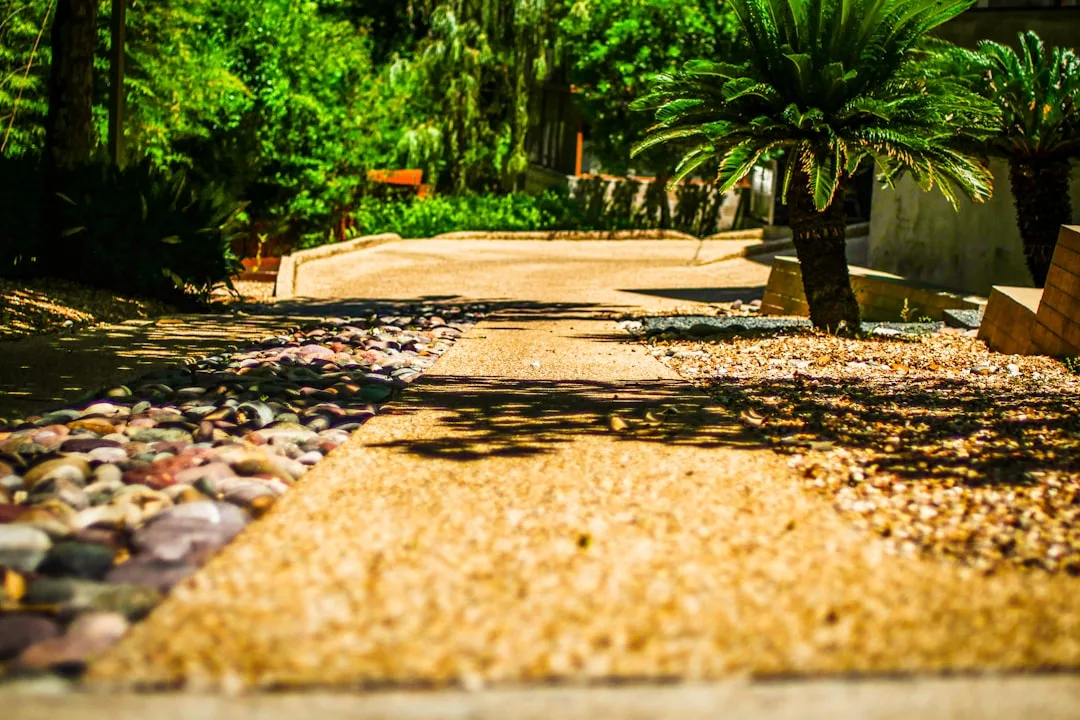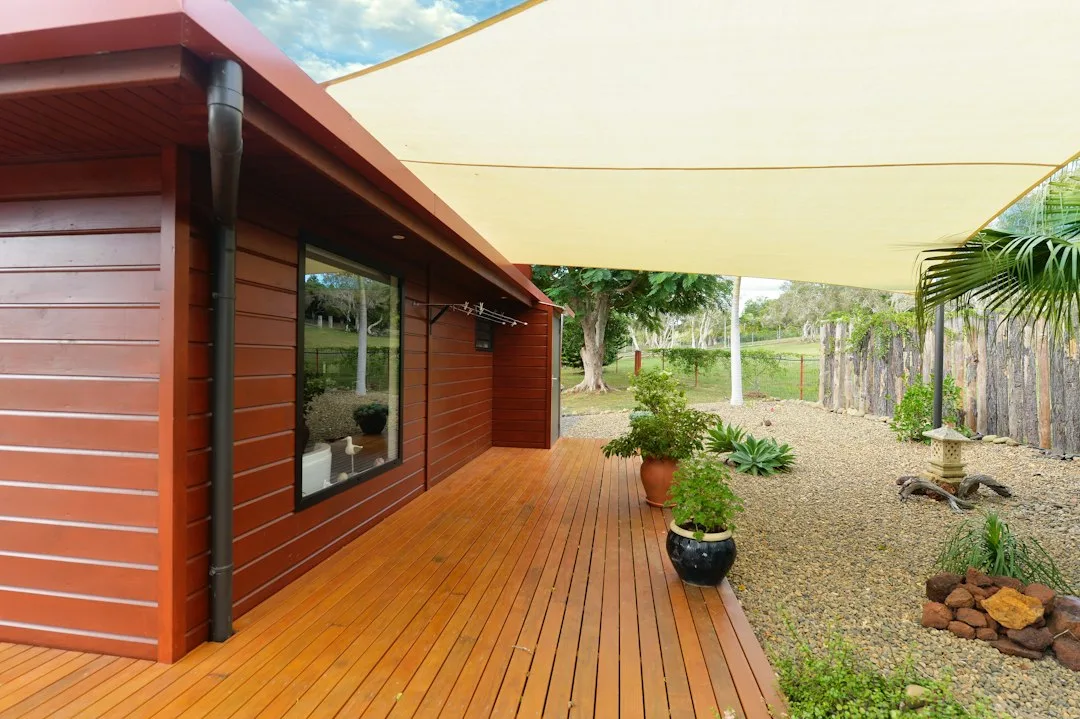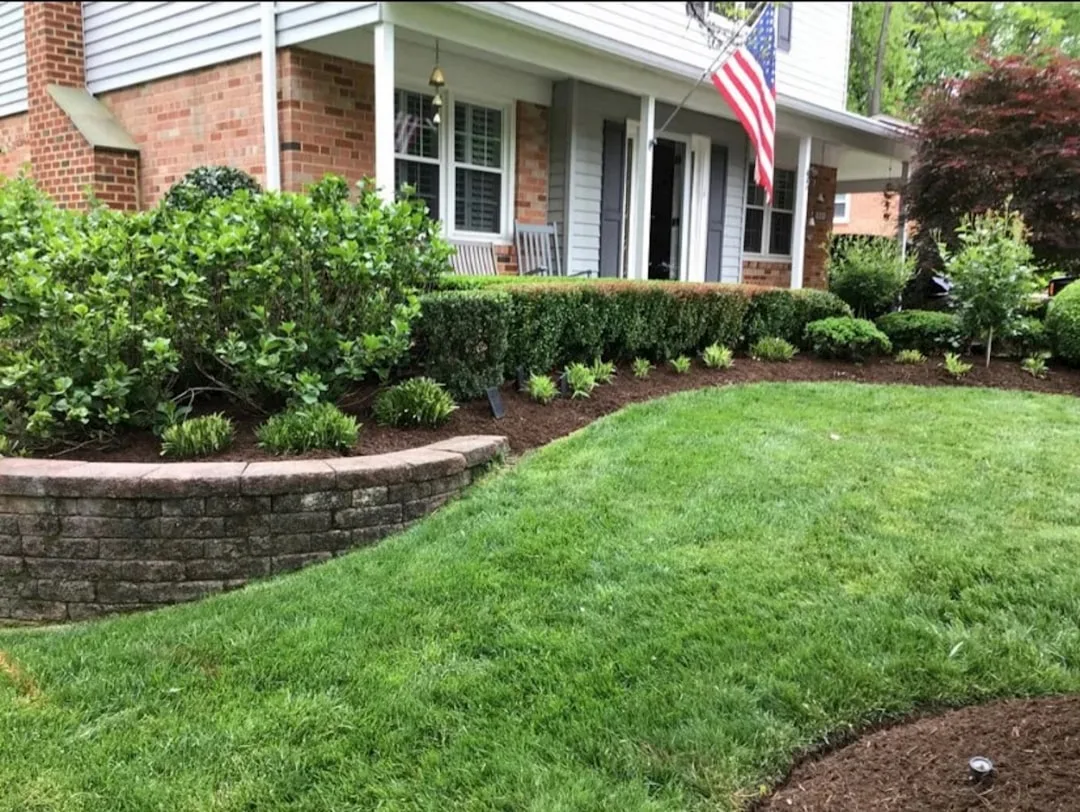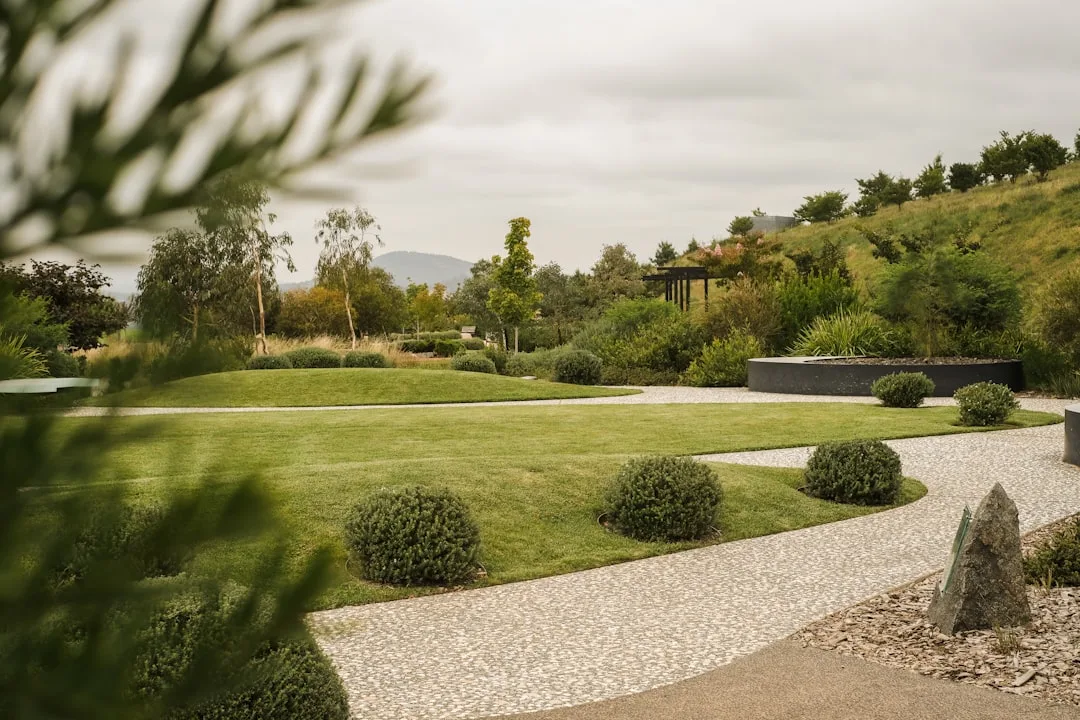
By July 2026, gravel garden pathways have become the defining shift in residential hardscaping—moving away from solid concrete toward permeable, adaptable surfaces that drain water, reduce cost, and soften the visual impact of outdoor spaces. Homeowners are no longer content with rigid gray poured concrete that cracks, requires sealing, and contributes to water runoff during storms. Instead, gravel pathways offer flexibility, warmth, and environmental responsibility in one material choice.
Why Permeable Gravel Outperforms Concrete in Modern Landscapes
The primary reason gravel garden pathways are trending is simple: concrete fails in two critical ways that matter to today’s homeowner. First, concrete requires regular sealing, repairs, and crack-filling—expenses that compound over 10 years. Second, solid surfaces prevent water infiltration, forcing drainage systems to work harder during heavy rain. Gravel, by contrast, allows water to percolate directly into the soil below.
A standard poured concrete pathway 4 inches thick costs roughly $8–12 per square foot installed, plus recurring maintenance. Gravel pathways typically run $2–5 per square foot for material and initial installation, with minimal upkeep beyond occasional raking and top-dressing. That difference compounds fast on larger lots.
Real drainage impact matters too. During a 2-inch rainfall, a concrete pathway sheds 100% of water to surrounding areas, creating puddles and stressing gutters. The same gravel pathway absorbs that water, recharging groundwater and reducing strain on municipal stormwater systems. This shift aligns with climate-responsive landscape design becoming standard across North America.
Quick Tips
- Compact base layers firmly—use a hand tamper or vibrating plate to prevent settling after rain
- Install 6-inch landscape edging to contain gravel and prevent spill into planting beds
- Choose decomposed granite (angular, binds tightly) over river rock (round, shifts easily)
- Top-dress every 18–24 months with fresh gravel to maintain depth and appearance
- Slope pathways slightly (1% grade) to direct water away from structures
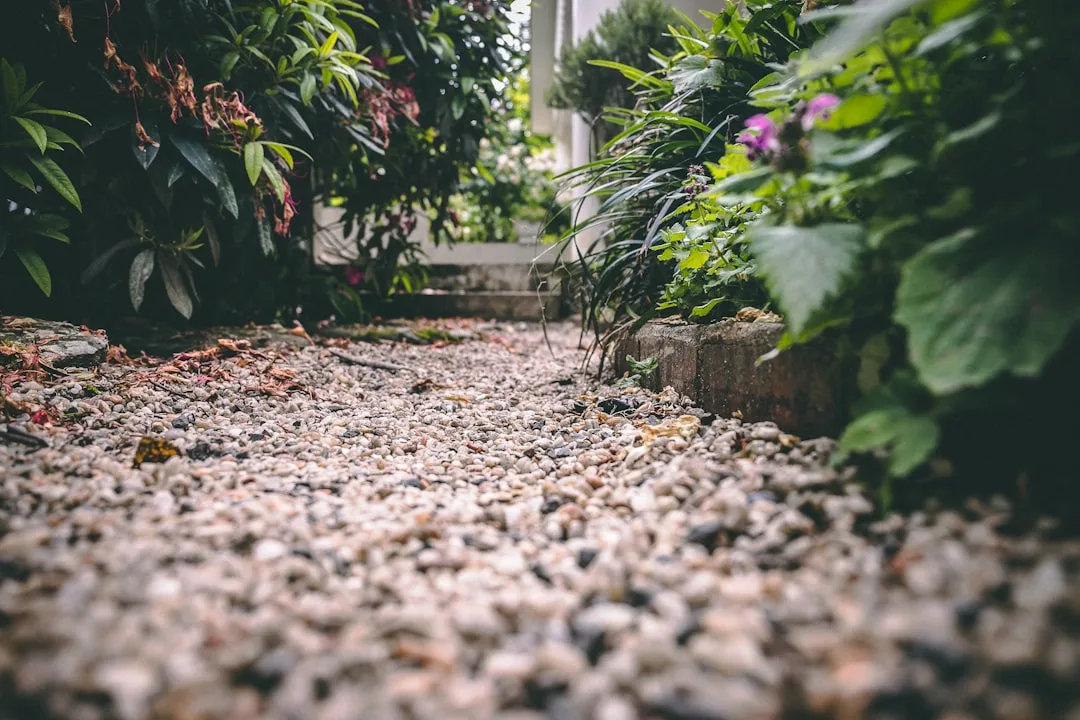
Four Gravel Types and Installation Methods Compared
| Gravel Type | Best For | Stability |
|---|---|---|
| Decomposed Granite | Arid climates, compact pathways | High—binds naturally |
| Pea Gravel | Decorative surfaces, play areas | Low—shifts under pressure |
| Jersey Shore Gravel | Coastal paths, light foot traffic | Medium—shells break over time |
| Crushed Stone (#57) | Base layers, heavy drainage | Very high—interlocks firmly |
| Marble Chips | Luxury finishes, formal gardens | Medium—aesthetic over durability |
The Most Common Installation Mistake Homeowners Make
The number-one failure occurs when homeowners skip the base layer or apply gravel directly to compacted soil. A pathway installed without crushed stone (#57) underneath will shift, settle unevenly, and require complete re-raking within months. Water pools in low spots, weeds germinate in bare patches, and foot traffic creates ruts that look neglected by year two.
Here’s what wrong looks like: A Seattle homeowner installed 3 inches of decomposed granite over grass and topsoil in spring. By summer, foot traffic had pushed gravel down to bare earth in high-traffic zones. Weeds erupted in the exposed soil. Heavy July rain created a drainage swamp around the pathway because water couldn’t percolate through compacted earth beneath. By fall, the path looked abandoned.
The fix is structural discipline. Excavate 6 inches deep, compact the soil, add 2–3 inches of crushed stone, tamp it firm, then top with 2–3 inches of your chosen finish gravel. That three-layer system costs $3–4 per square foot more but lasts 5–7 years without major rework versus 1–2 years of poor installation.
Integrating Gravel Pathways Into Landscape Focal Points
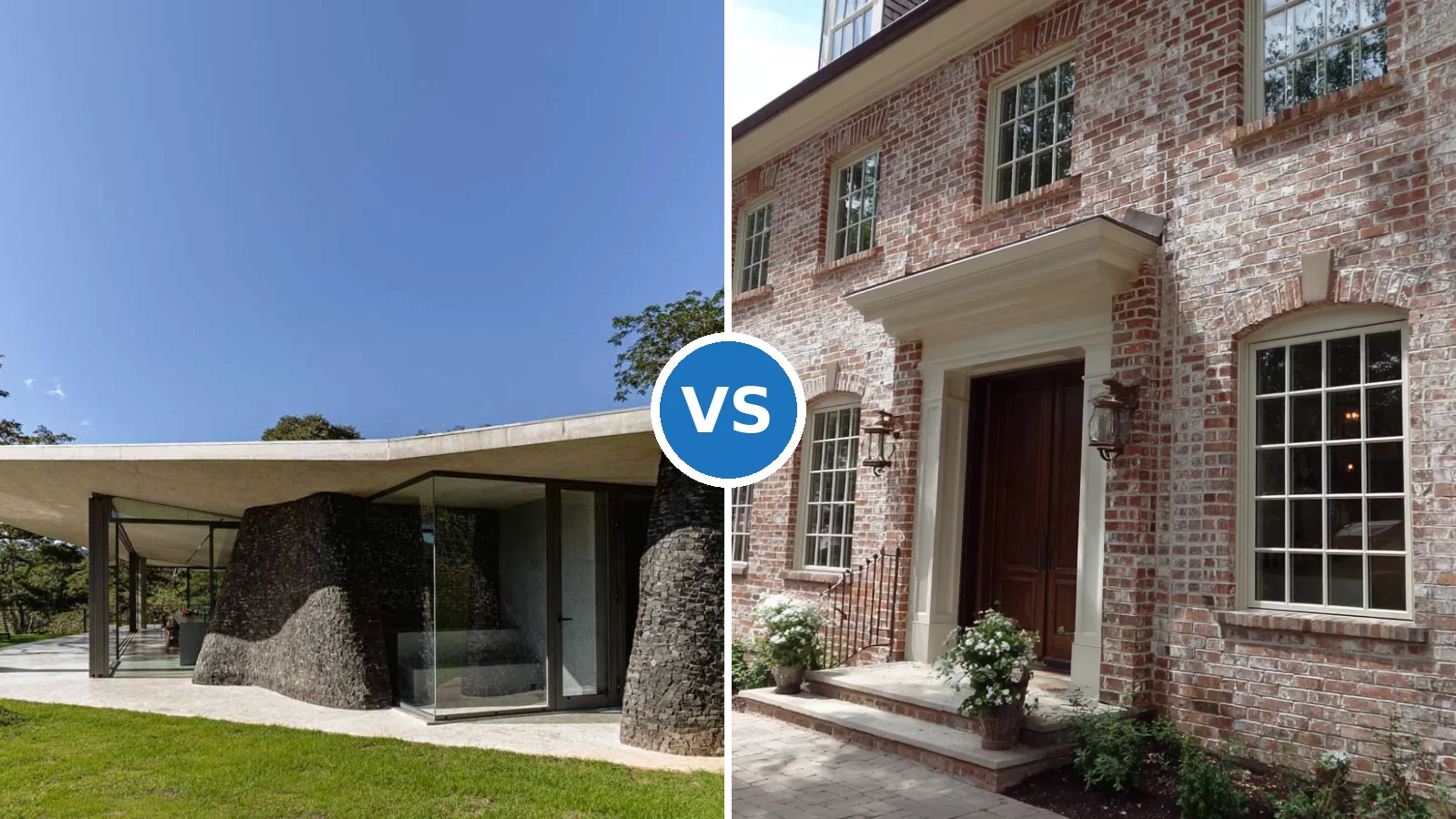
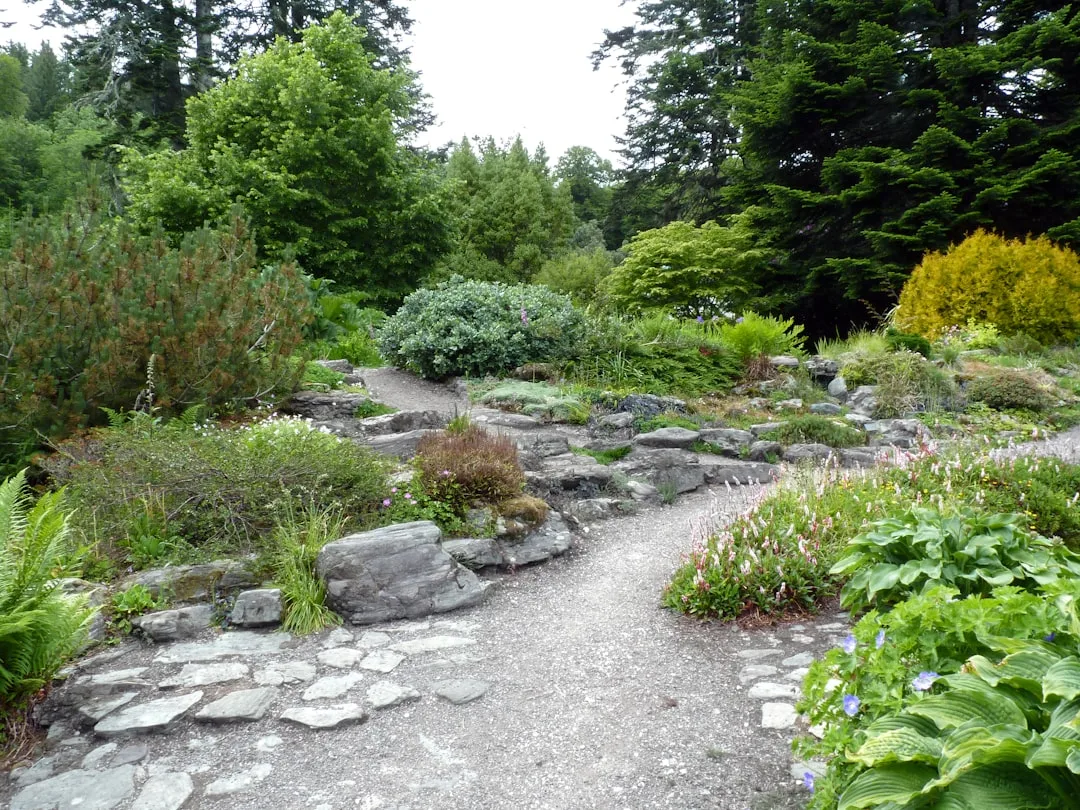
Gravel pathways work best when they connect to intentional focal points—not just meander aimlessly through the yard. Leading a pathway toward a French-style home exterior with specimen trees and architectural detail creates purpose and visual narrative. Without a destination, the pathway reads as unfinished.
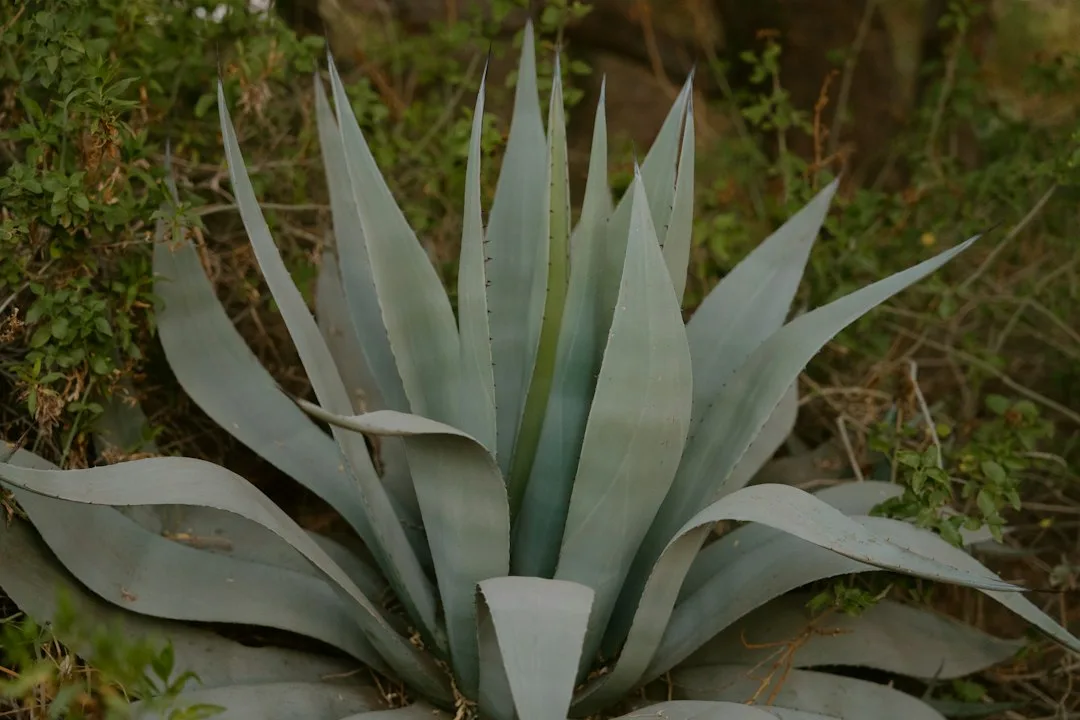
Pair decomposed granite pathways with native plant borders on either side. This approach echoes the existing trend toward native planting over manicured hedges—gravel’s warm, natural tone complements the softer, less formal look. Japanese maple, serviceberry, or ornamental grasses flanking a gravel path create seasonally interesting frames that draw the eye forward.
Stone or timber edging defines boundaries and prevents gravel from migrating into adjacent beds. Metal landscape edging (Corten steel, aluminum) costs $8–15 per linear foot and weathers attractively. Wood edging in cedar or composite runs $5–12 per linear foot, requires annual maintenance, but blends seamlessly with rustic schemes.
Maintenance, Seasonal Care, and Long-Term Cost Benefits
Gravel pathways require minimal upkeep compared to concrete, but that doesn’t mean zero maintenance. Annual spring raking removes accumulated leaf litter and redistributes settled gravel to maintain uniform depth. Late summer weeding—pulling any plantain, dandelion, or crabgrass that takes root in the surface—keeps the pathway looking intentional.
Top-dressing once every 18–24 months with fresh gravel prevents bare patches and maintains visual appeal. A 50-foot pathway 3 feet wide uses roughly 20–25 cubic yards of gravel over its lifetime. Budget $150–300 for new material every two years, compared to concrete sealing at $150–400 every three years plus unexpected repairs.
Winter management differs by climate. In cold regions, gravel pathways tolerate salt and de-icing better than concrete, which can spall and crack. In wet coastal areas, drainage becomes critical—ensure pathways slope slightly and never pool water. In arid zones like Arizona or southern California, gravel pathways are ideal permanent solutions requiring almost no water and minimal upkeep beyond occasional raking.
Matching Gravel Pathways to Your Home's Exterior Palette
Material color and finish matter as much as structure. Decomposed granite ranges from rust-red to golden tan, complementing warm exterior colors. Matching stucco paint color with hardscape materials ensures cohesion across your home’s exterior. A cream or terra-cotta stucco home pairs beautifully with rust-toned decomposed granite, while a gray stone or brick home suits neutral gravel like pea gravel or light-gray crushed stone.
Consider how gravel catches light at different times of day. Darker gravel absorbs heat and shows footprints easily; lighter gravel reflects heat and maintains a cleaner appearance longer in high-traffic zones. This choice depends on your climate and aesthetic preference, but it’s worth factoring into your initial selection.
The trend toward gravel pathways reflects a broader shift: homeowners now value resilience, drainage, and environmental responsibility as much as aesthetics. Gravel delivers on all three, making it the practical choice for landscapes designed to last.