Since spring 2024, water restrictions tightened across 41 U.S. states, and landscape designers are scrapping irrigation-dependent gardens for water-wise native plantings that thrive on rainfall alone. This shift isn’t aesthetic nostalgia—it’s hydraulic necessity. Water-wise native plantings demand 60–80% less supplemental water than conventional landscaping while creating self-sustaining ecosystems that support regional pollinators and soil health. Homeowners who adopted native species over the past 18 months report zero summer brown-out zones, lower utility costs, and landscapes that intensify rather than fade during heat waves.
Why regional native species outperform ornamental hybrids
Native plants evolved over millennia to thrive in your specific climate, soil type, and rainfall pattern. A Texas native such as Engelmann daisy or Esperanza (Tecoma stans) accesses deep soil moisture that shallow-rooted ornamentals cannot reach. In California, plants like California poppy or toyon berry require no summer irrigation once established, yet deliver seasonal color and wildlife value that non-natives simply don’t match.
The Audubon Society’s native plant database tracks 10,000+ regionally suitable species across North America, each tuned to local frost dates, humidity, and nutrient cycles. When you plant against your region—say, installing Japanese maples in the Arizona desert—you’re fighting biology every irrigation cycle. Regional natives win because they’re already calibrated to your exact conditions.
Quick Tips
- Source plants from local native nurseries, not big-box retailers, to ensure regional provenance and disease-free stock
- Plant in fall or early spring when soil moisture is highest, reducing establishment irrigation by half
- Group plants by water need—xeric, mesic, and hydric zones—to avoid overwatering sun lovers or underwatering shade dwellers
- Mulch with 2–3 inches of shredded bark or wood chips to retain soil moisture and suppress weeds naturally
- Skip fertilizer entirely; native plants thrive in poor soil and heavy feeding encourages pest vulnerability
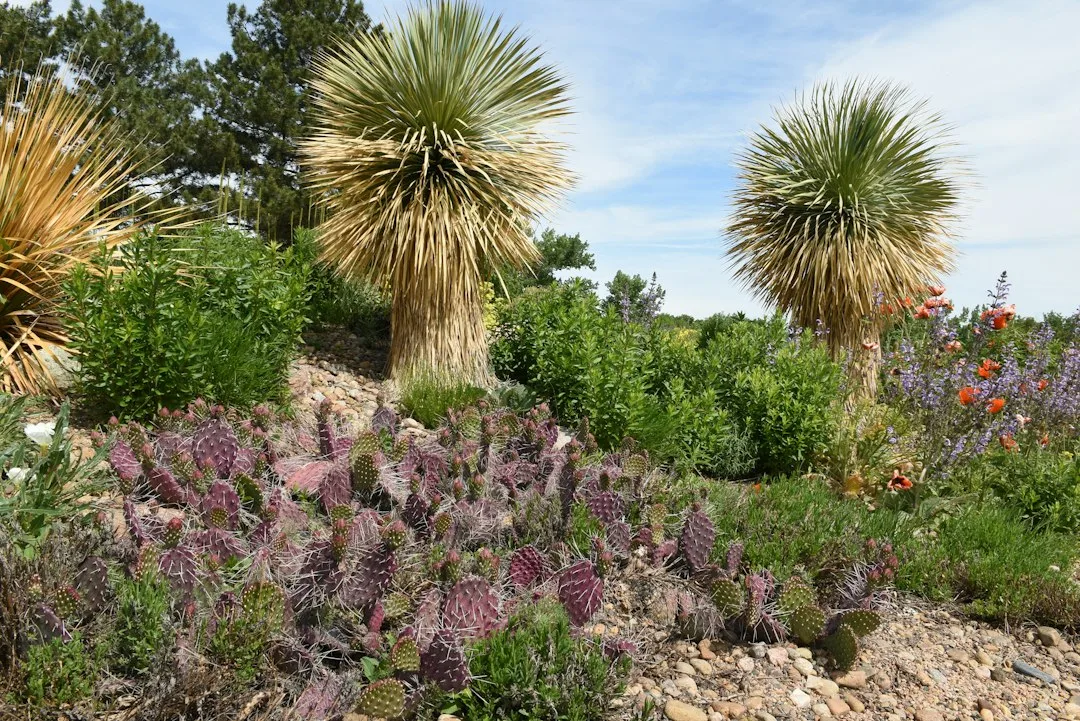
Water-wise native plantings eliminate summer irrigation cycles
Installation of rain gardens with native wetland plants—such as New England aster, Joe-Pye weed, or black-eyed Susan—absorbs stormwater runoff while eliminating standing water and mosquito habitat. These bioswale-style plantings recharge groundwater instead of sending it to storm drains, a strategy now required in Minnesota and coastal states. One homeowner in Portland, Oregon replaced her 4,000-square-foot lawn with native sedge, Oregon grape, and redwood sorrel; her water bill dropped 58% within one year.
Denver, Colorado tested native plantings in pilot neighborhoods and found that landscapes required zero supplemental water after year two—even during drought years. Once root systems establish (typically 12–18 months), native species access deeper soil moisture and tolerate extreme heat without wilting.
| Plant type | Summer water need | Pollinator value |
|---|---|---|
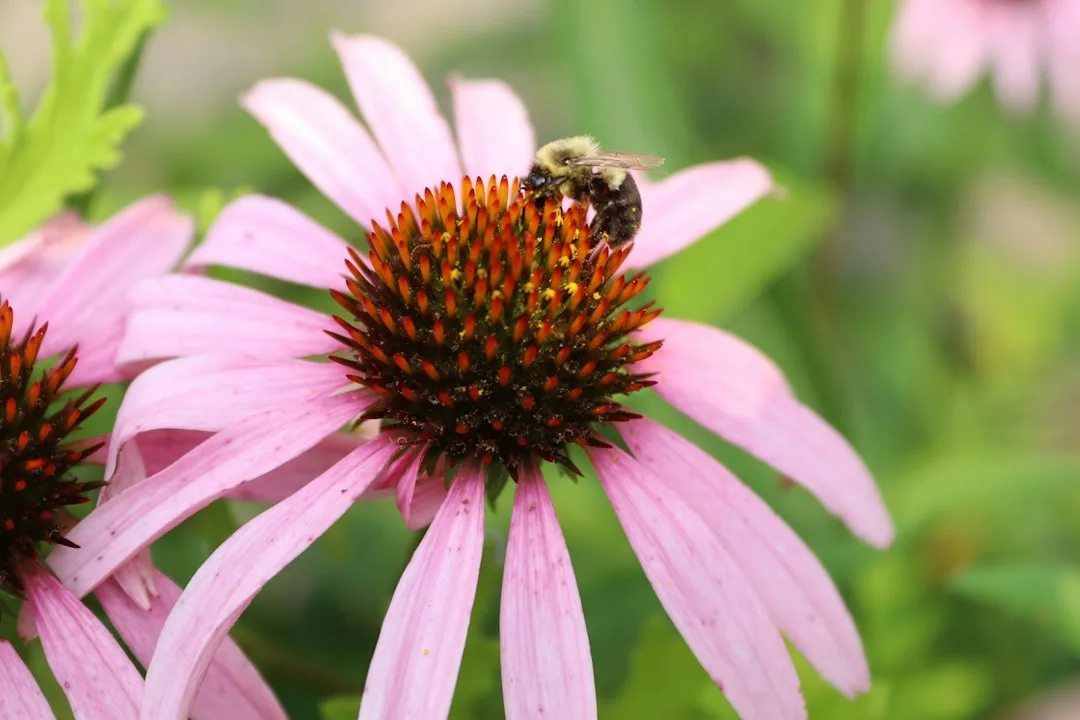
| Native perennials (purple coneflower, bee balm) | Minimal after year 2 | Excellent |
| Ornamental hybrids (hybrid roses, Japanese maples) | Weekly deep watering | Poor |
| Native grasses (switchgrass, little bluestem) | None once rooted | Strong seed/shelter value |
| Conventional lawn turf | 2–3 times weekly in heat | None |
The common failure: planting natives without site preparation
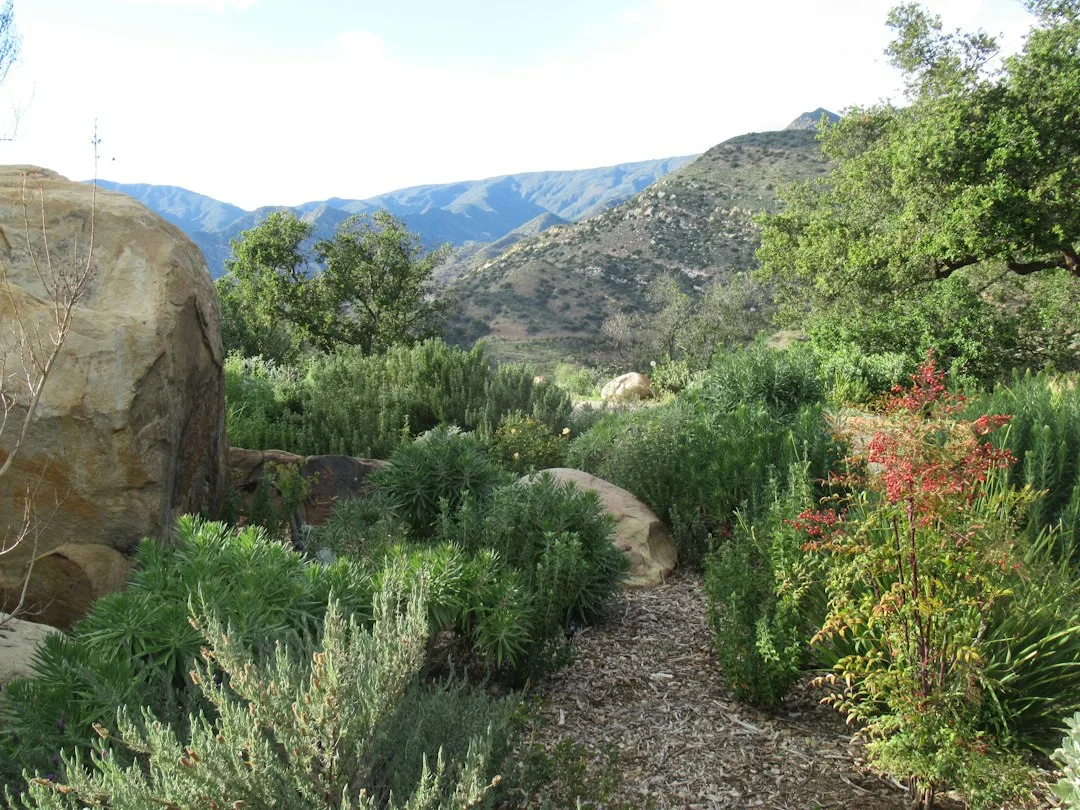
Matching natives to your exact microclimate conditions
Native plants thrive when matched to the specific microclimate of your property, not just your general region. A plant native to the Pacific Northwest might prefer the dry, south-facing slope of a mountain ridge, yet fail in a shaded, boggy valley thirty miles away. Before selecting species, observe your site through at least one full season. Note which areas stay wet after rain, which receive intense afternoon sun, and which remain perpetually shaded. Soil texture matters equally—sandy soils drain quickly and favor different natives than clay-heavy soils that retain moisture.
The microclimate inside your own yard varies dramatically. A northern foundation wall creates shade and cooler temperatures; an exposed southwestern corner becomes a heat and drought zone. Hollows collect cold air and frost. Ridges experience wind exposure. Hardscape materials like south-facing walls and patios radiate stored heat into adjacent planting beds. Mapping these microclimates before installation prevents the frustration of watching carefully chosen natives decline because they’re in the wrong pocket of your property.
Building soil health as your foundation for native success
Native plants establish deeper, more resilient root systems in healthy, living soil than in compacted earth or sterile amended media. Rather than amending poor soil to suit ornamental expectations, work with native species that evolved in your region’s actual soil conditions. This shift in perspective—letting plants match soil rather than changing soil for plants—is central to low-maintenance native landscaping. That said, heavily compacted clay or construction fill needs some intervention. Aerating, adding coarse compost, and introducing mycorrhizal fungi can accelerate native root establishment without creating the rich, soft soil that encourages weak growth.
The relationship between native plants and local soil biology is symbiotic. Native species developed alongside regional mycorrhizal networks, beneficial bacteria, and fungi that improved nutrient availability. When you introduce natives into degraded soil, you’re also restoring the biological community that sustains them. This is why a native planting often looks sparse and struggling in its first year, then suddenly surges in years two and three as soil life recovers. Patience and restraint—resisting the urge to fertilize or over-amend—actually accelerates this process. Your landscape exterior can reflect the same aesthetic philosophy as your home’s style; consider how Warm Beige and Taupe Exterior Paint Colors Pull Houses Into Their Landscapes by allowing the natural textures and tones of native plantings to dominate the visual composition.
Establishing natives without excessive water or mulch dependence
New native plantings require consistent moisture during the first growing season to encourage deep rooting, but the common error is treating natives like conventional ornamentals that need weekly watering indefinitely. A newly planted native should receive deep watering once or twice weekly for the first six to eight weeks, then gradually extend the interval as the root system matures. By the end of the first growing season, most natives should tolerate natural rainfall patterns in their native region without supplemental irrigation. Weaning plants off artificial water encourages them to develop the deep, drought-resistant roots they evolved to produce.
Mulch serves a purpose in native plantings but should be applied sparingly and thoughtfully. A light 1- to 2-inch layer of coarse wood chips moderates soil temperature and reduces weed competition during establishment, but heavy mulch creates a barrier that can rot the base of the plant and prevent seedling establishment. Some native plant communities, particularly those adapted to fire or disturbance, actually depend on bare soil for regeneration. As natives mature and create their own dense canopy, supplemental mulch becomes unnecessary. The goal is a self-sustaining landscape that relies on the plant community itself—not on external inputs—to thrive.