Water-wise native plantings reshape drought landscapes into thriving ecosystems
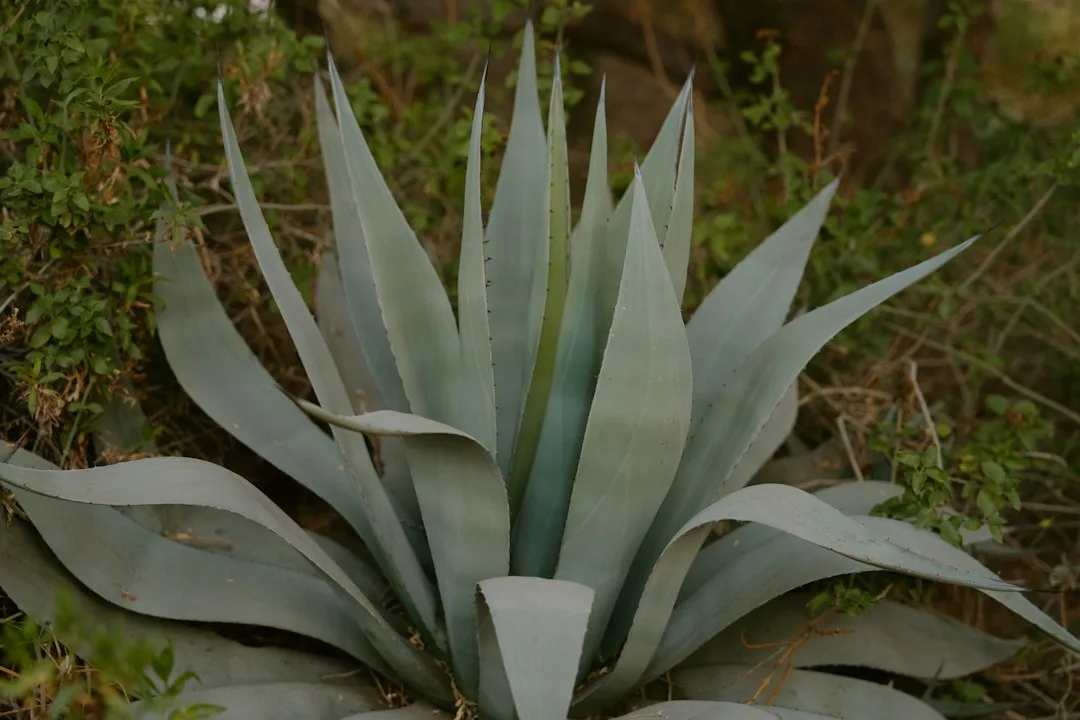
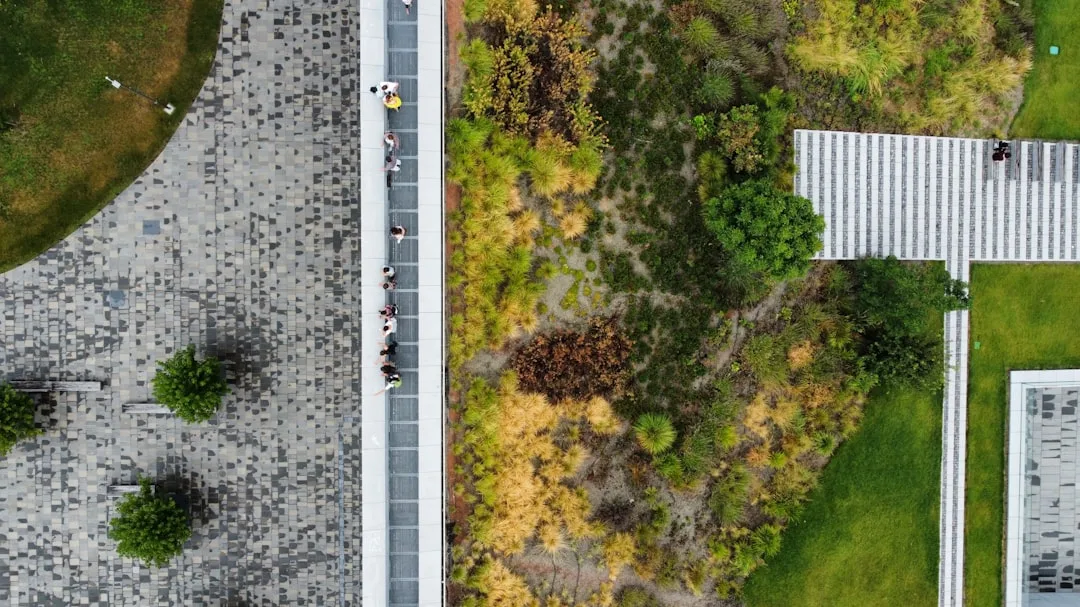
Water-wise native plantings thriving in drought-resistant garden bed

Water-wise native plantings are replacing conventional turf and thirsty ornamentals across residential landscapes. These climate-adapted species require minimal maintenance while building habitat resilience into suburban yards.
Shade Sail Installation Replaces Fixed Structures Across Modern Yards

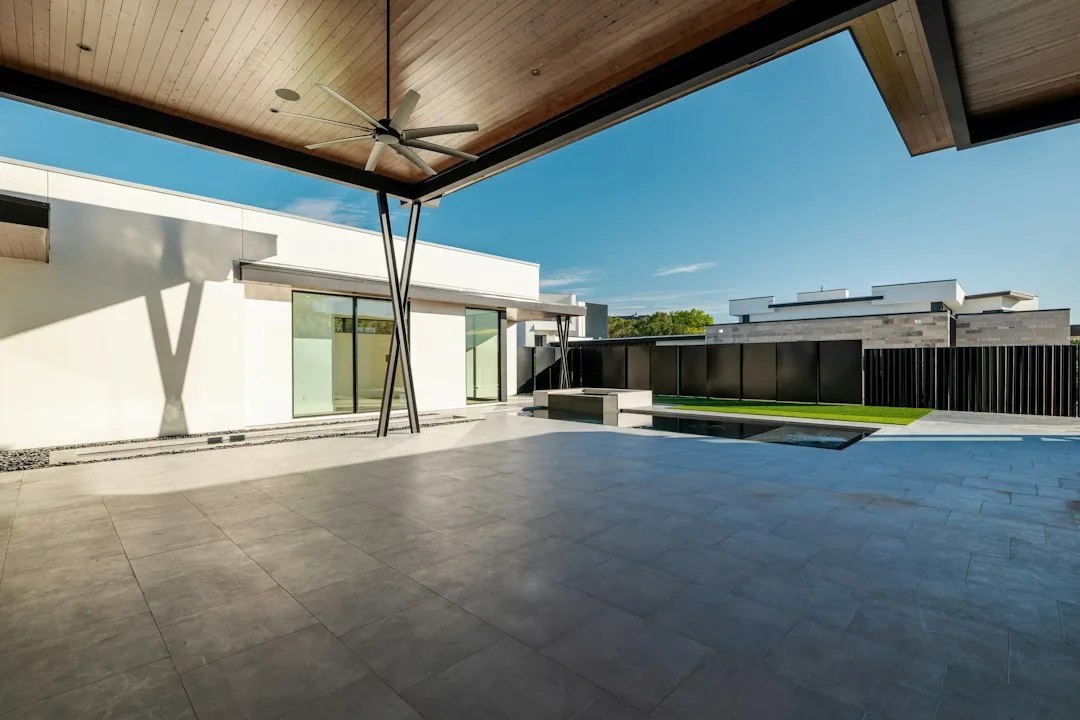
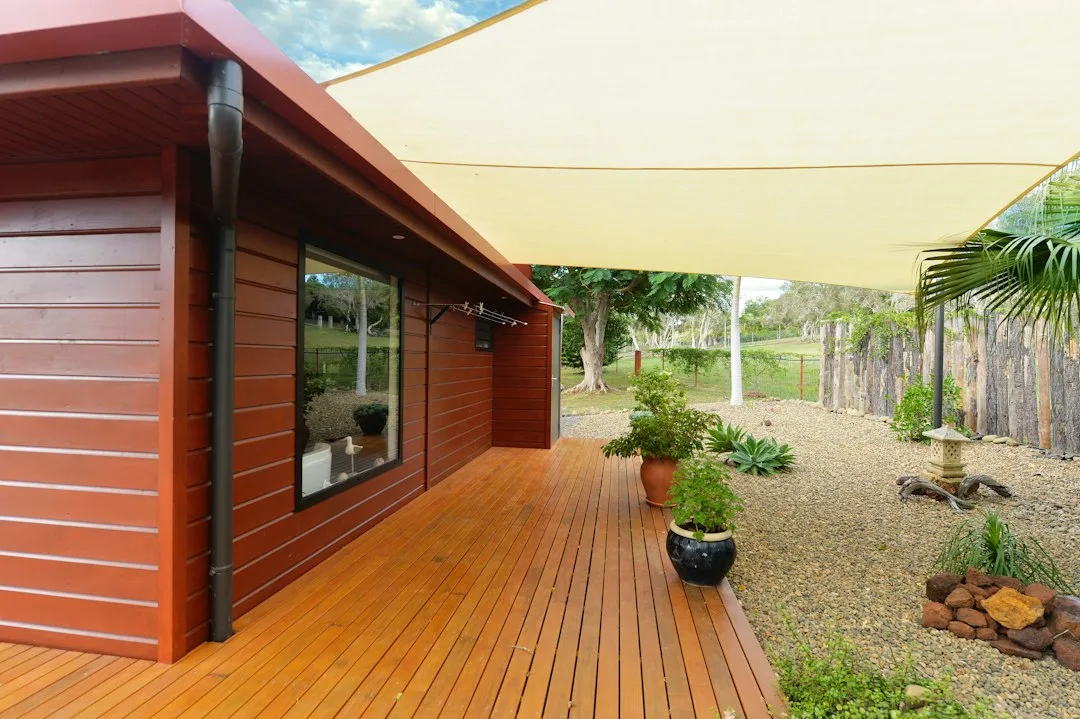
Shade sail installation stretched across residential backyard with multiple anchor points

Shade sail installation has become the preferred alternative to permanent shade structures, offering flexibility, lower installation costs, and cleaner sightlines. These tensioned fabric systems work across diverse yard shapes and climates without the visual weight of fixed frames.

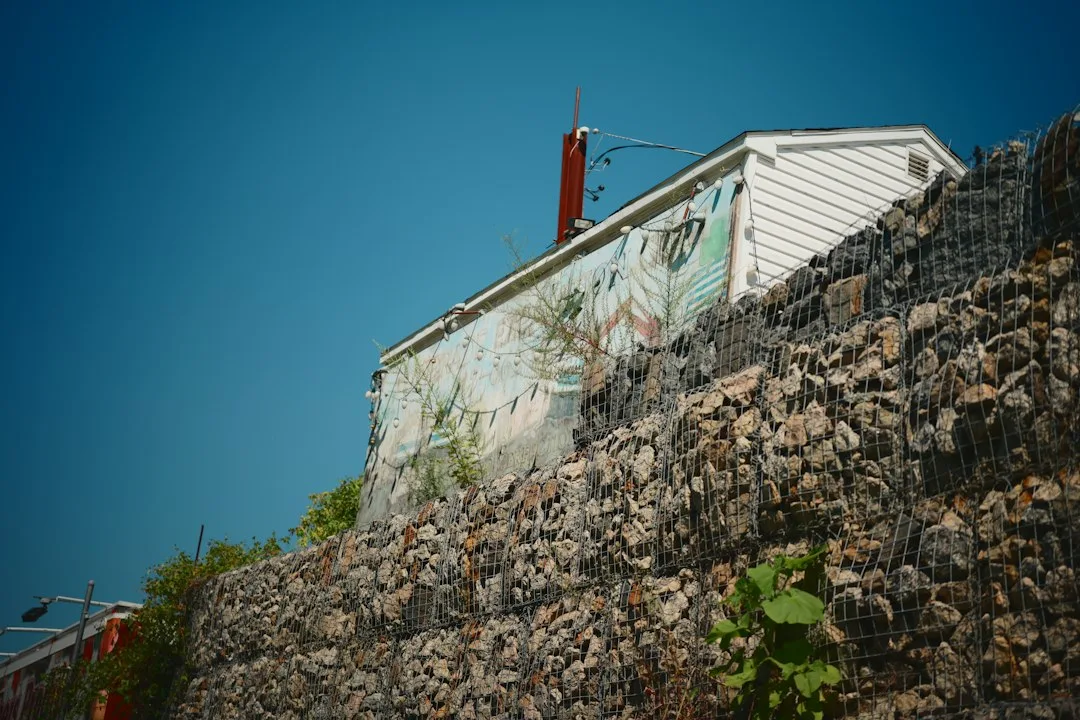
Gabion Wall Landscaping Reshapes Residential Exteriors With Steel and Stone

Modern gabion wall landscaping with stacked steel baskets filled with river stone

Gabion wall landscaping—steel baskets filled with stone, brick, or recycled materials—is replacing conventional retaining walls and fencing across residential properties. This trend combines drainage efficiency, industrial aesthetics, and long-term durability without the labor-intensive upkeep of traditional masonry.

Sloped Lot Landscaping Reshapes Drainage and Usable Yard Space

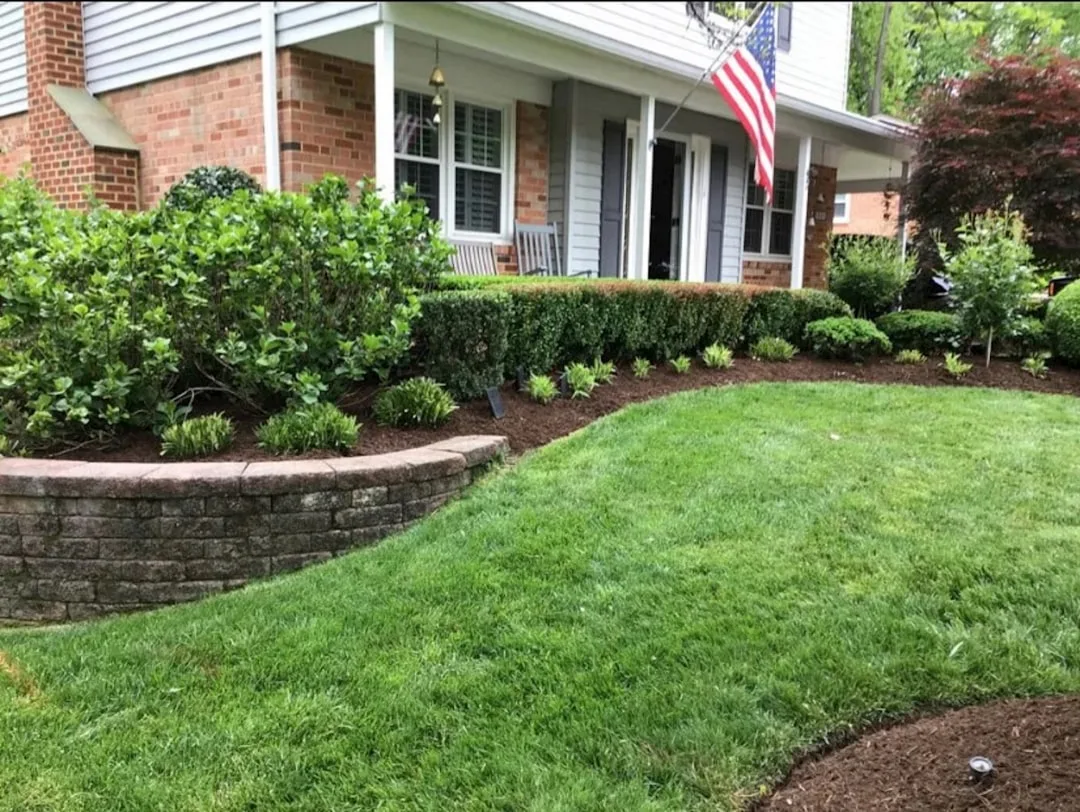
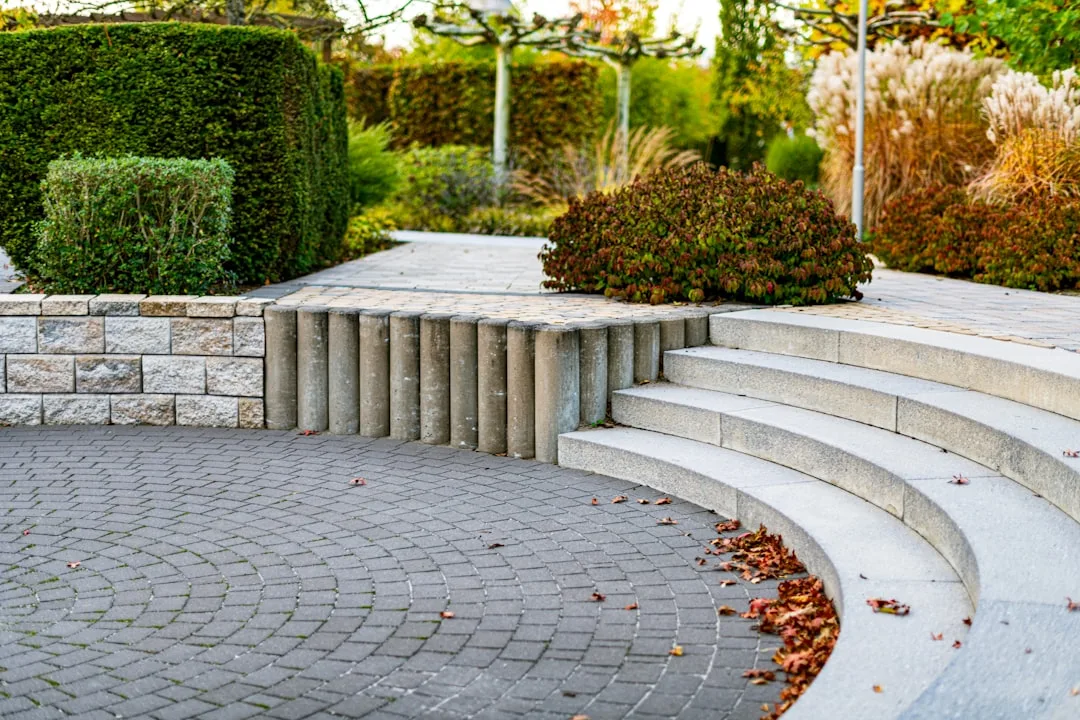
Terraced sloped lot landscaping with stacked stone retaining walls and cascading plantings

Most homeowners with sloped lots see only erosion risk and wasted terrain. Sloped lot landscaping flips that problem into architectural opportunity, using terraced beds, strategic grading, and native plantings to stabilize ground while reclaiming usable outdoor space.

Coastal landscape design brings salt-tolerant beauty to residential gardens

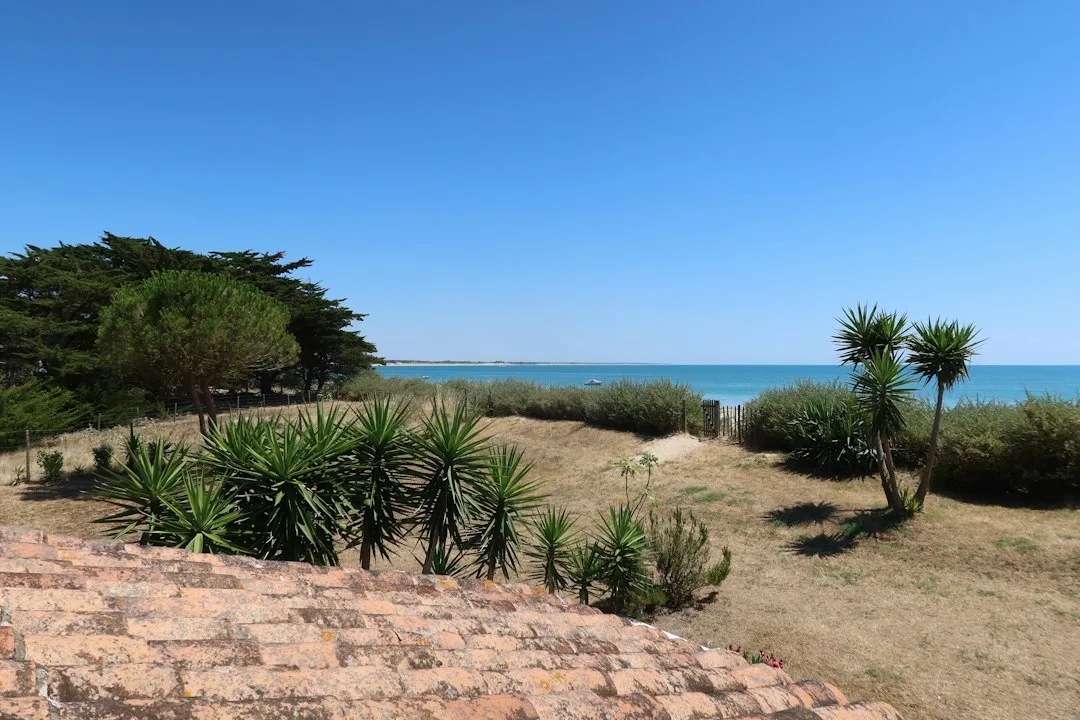
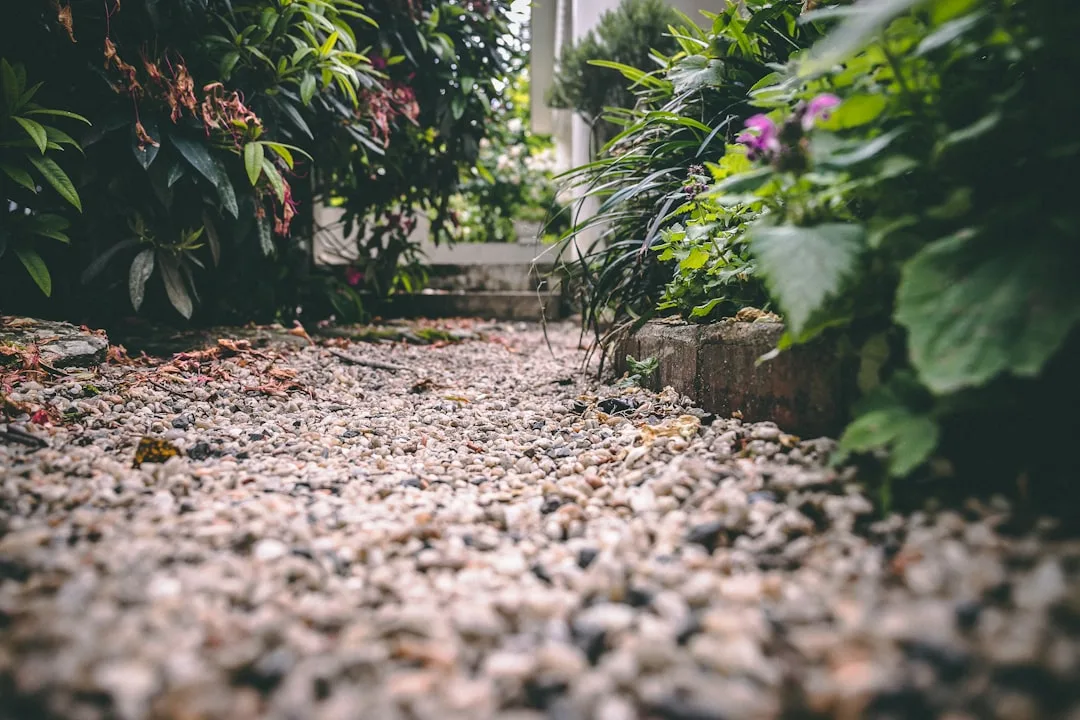
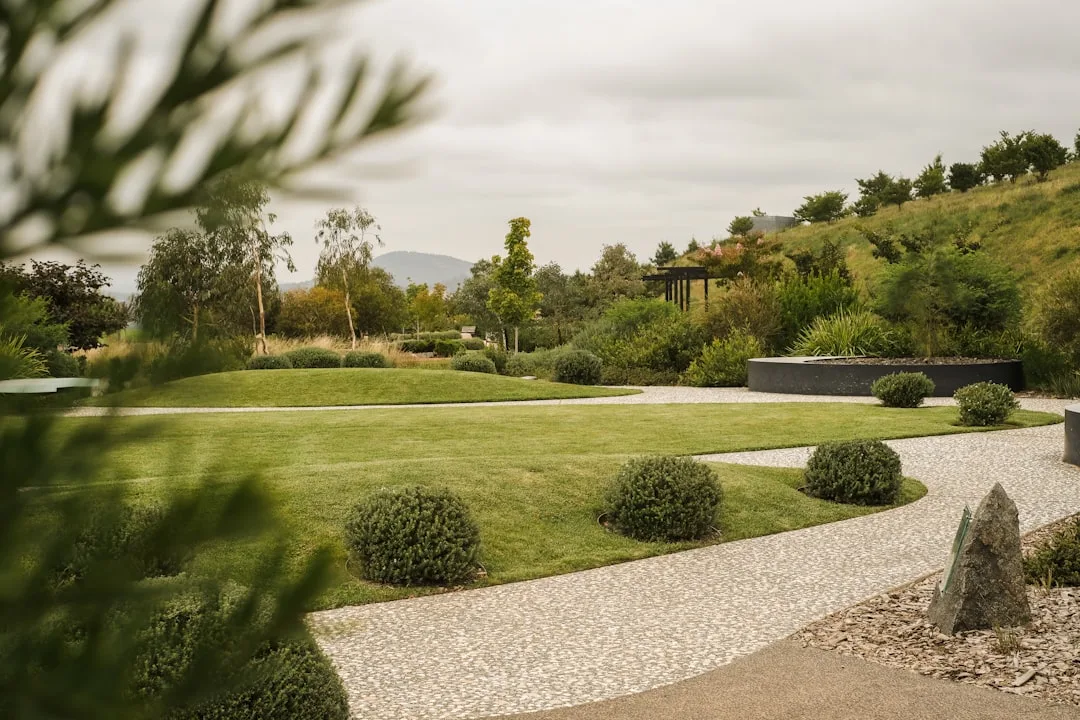
Coastal landscape design featuring salt-tolerant plants and gravel pathways

Coastal landscape design has emerged as the dominant trend for properties within five miles of saltwater or saline environments. By selecting salt-tolerant shrubs, structural grasses, and permeable hardscaping, homeowners eliminate the erosion and plant die-off that plagued traditional gardens in maritime zones.

Raised Garden Beds Are Reshaping Modern Landscape Design in 2026

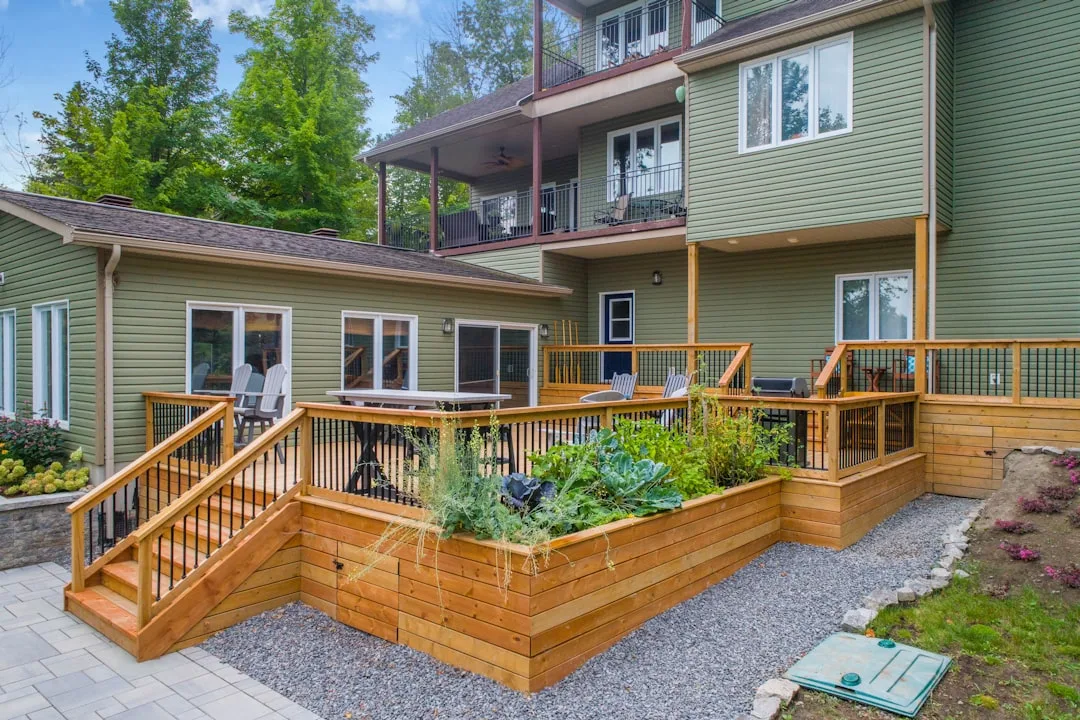
Contemporary raised garden beds with composite frame in residential landscape design

Raised garden beds have become the dominant landscaping choice for 2026, replacing flat in-ground gardens with elevated structures that solve drainage, accessibility, and soil-quality problems simultaneously. This shift reflects a broader move toward functional outdoor spaces that reduce maintenance while delivering measurable growing results.

Corner Garden Edging Defines Modern Landscape Boundaries Without Rigid Geometry

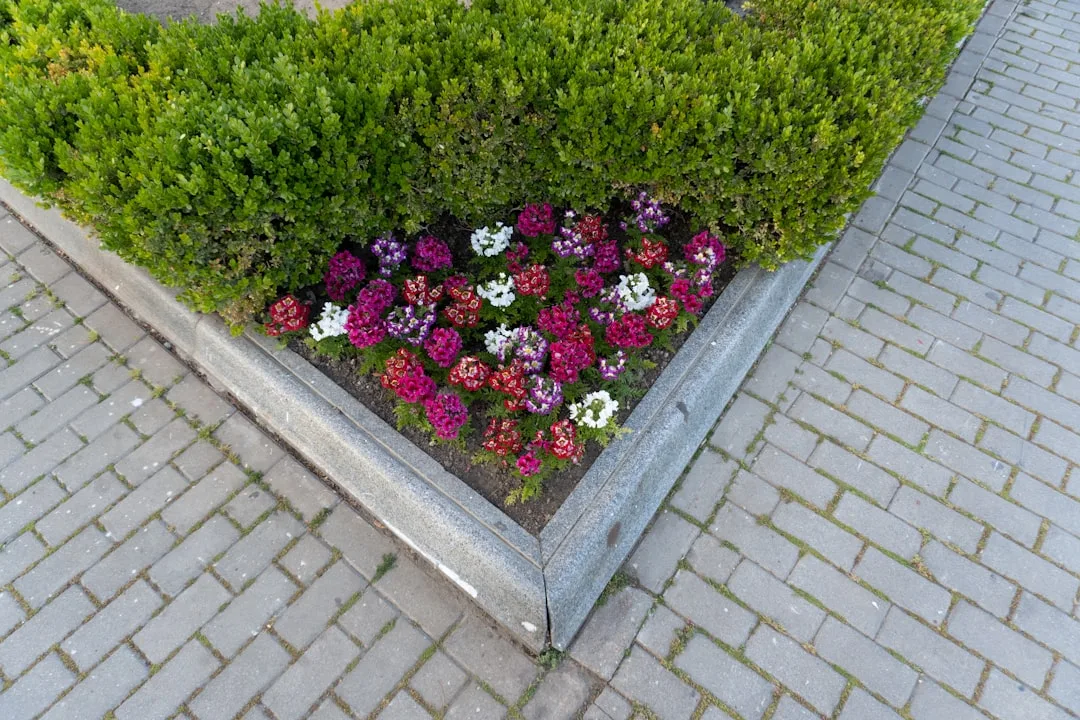
modern curved corner garden edging metal composite contemporary landscape design

Corner garden edging has shifted from rigid 90-degree angles to flowing curves and modular systems that soften landscape transitions. This August 2026 trend prioritizes both aesthetic softness and functional drainage, replacing conventional straight-line borders that feel dated and interrupt sightlines.

Slate Mulch Landscaping Transforms Modern Yards With Texture and Durability

Contemporary landscape featuring dark slate mulch in garden beds with specimen plants

Slate mulch landscaping has emerged as the preferred alternative to traditional bark chips, offering homeowners a durable, visually sophisticated ground cover that requires minimal maintenance. Unlike organic mulches that decompose and need annual replacement, slate mulch provides year-round structure and complements both minimalist and rustic exterior styles.

Shaded courtyard garden design creates outdoor refuge from heat stress

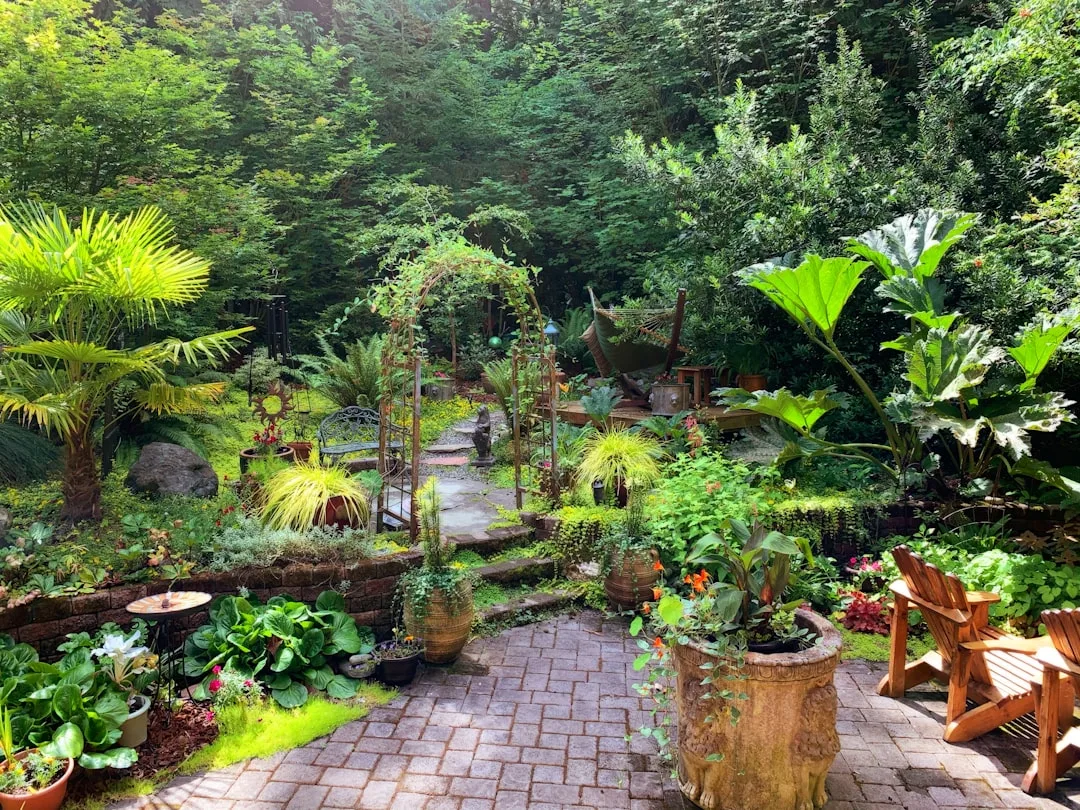
Shaded courtyard garden with pergola shade structure and potted plants

As summer temperatures climb, shaded courtyard gardens have emerged as the fastest-growing landscape solution for 2026. These enclosed outdoor spaces reduce interior cooling demands while creating intimate, usable yards even during peak heat hours.

Living Roof Systems 2026 — Why Bioactive Membranes Revolutionize Residential Drainage

Most homeowners still shovel leaves from gutters every autumn, unaware that their roof drainage is already obsolete. Living roof systems with bioactive membranes have arrived in 2026, replacing the century-old paradigm of separate guttering entirely. These systems integrate vegetation, filtration, and self-healing polymer capsules directly into the roof membrane itself—transforming a flat surface into a … Read more