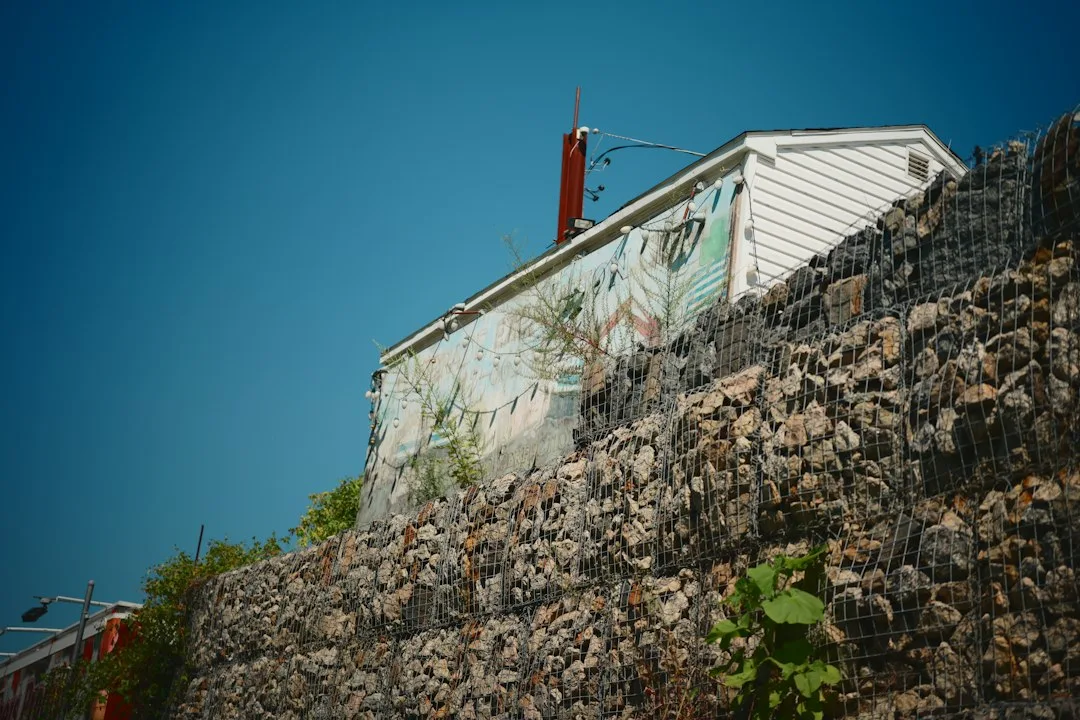
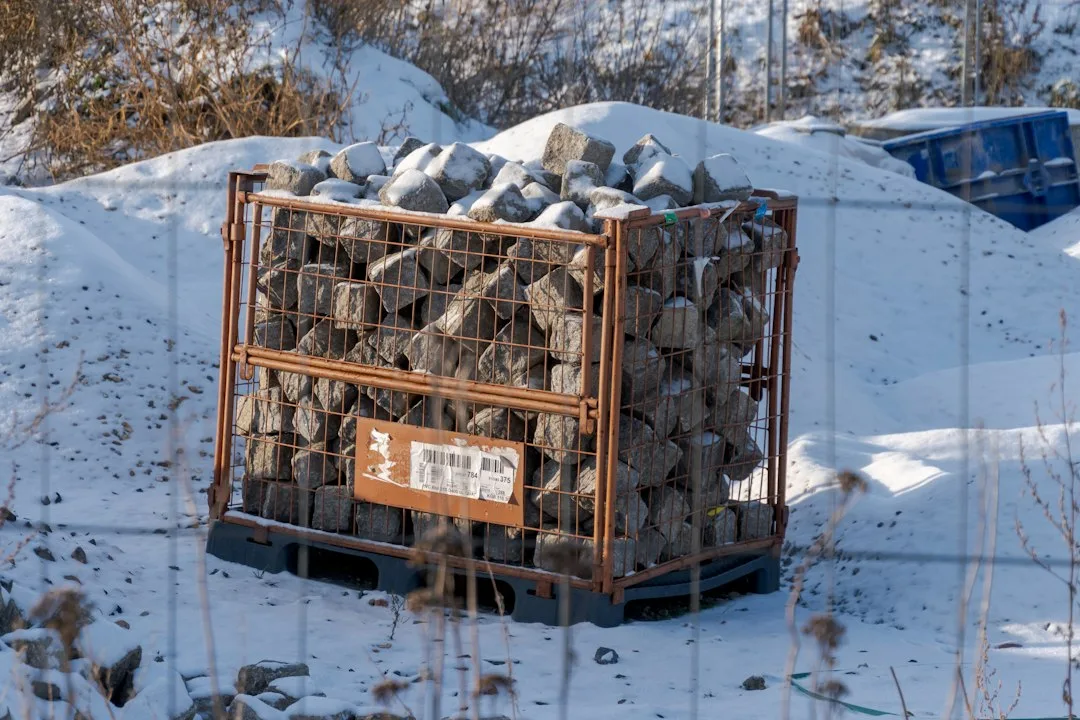
Gabion wall landscaping is replacing traditional wood fences, brick retaining walls, and poured concrete barriers across residential properties from Austin to Seattle. These modular steel-basket structures, filled with stone, brick, or recycled glass, deliver what conventional landscaping cannot: simultaneous drainage, structural support, and design flexibility. A gabion wall allows water to permeate through the fill material rather than pooling behind a solid barrier, which is why engineers and landscape architects now specify them for sloped lots, hillside properties, and areas with seasonal runoff.
The trend accelerated because gabion walls require no concrete footings, minimal site prep, and can be installed by two people in a weekend. They cost less than stacked stone or poured retaining walls of equivalent height, yet deliver the visual weight and permanence homeowners expect.
Why Gabion Wall Landscaping Outperforms Traditional Retaining Structures
Tensar, a geotechnical company that has engineered soil stabilization for 40 years, now markets prefabricated gabion baskets designed for residential slopes as shallow as 20 degrees. The steel wire mesh (typically 2-3mm diameter) is galvanized or PVC-coated to resist rust, and the modular design means you stack baskets vertically to reach any height—4 feet, 8 feet, 12 feet. Each basket is a self-contained unit.
Traditional retaining walls require compacted base layers, concrete footings below frost line, and internal drainage pipes—labor-intensive work that adds $15,000 to $40,000 to a typical hillside project. Gabion walls eliminate the frost-line excavation because stone fill naturally drains and compresses, moving water away from the structure itself rather than creating hydrostatic pressure that cracks concrete or destabilizes mortar joints.
Homeowners also avoid the ongoing expense of repointing, re-sealing, or replacing failed sections. A gabion wall deteriorates slowly and predictably; if a few stones shift after ten years, you simply replace them. Brick and concrete fail catastrophically and require demolition.
Quick Tips
- Use uniform stone size (roughly 4–6 inch diameter) to pack baskets densely and prevent shifting.
- Face gabions with flatter stones oriented outward for a finished appearance; reserve irregular shapes for interior fill.
- Layer contrasting materials—river rock, slate, oxidized steel, or reclaimed brick—to create visual depth without increasing cost.
- Install a geotextile membrane behind the wall to prevent soil from migrating into the stone fill.
- Plan for 10–12% settlement in the first year; avoid placing permanent structures or plantings immediately against the base.
How Stone Fill and Material Selection Drive Visual Impact
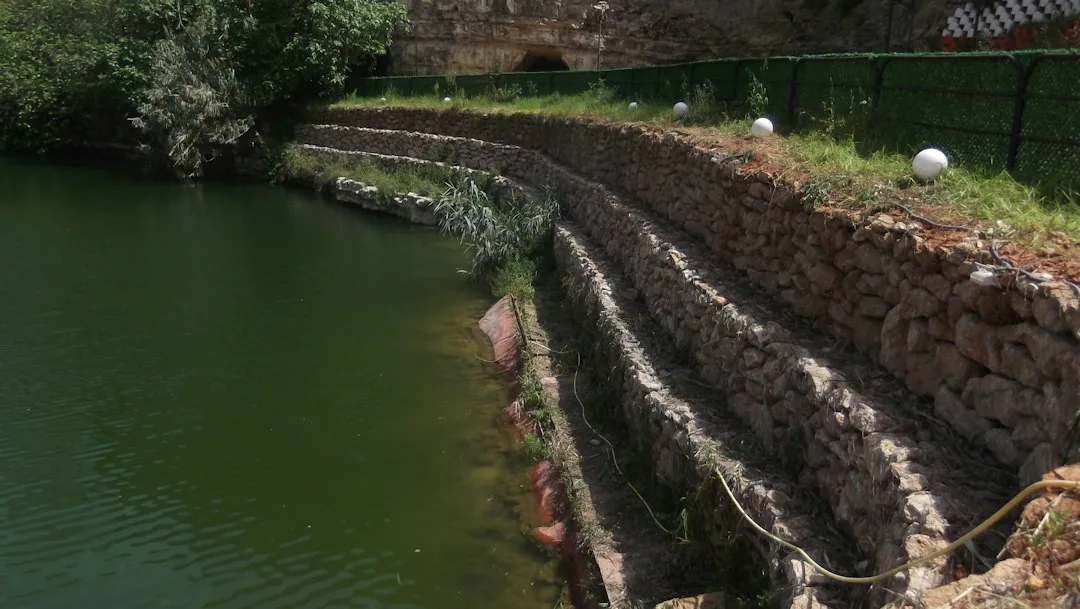
Marshalls, a British hardscape manufacturer that supplies landscape stone across North America, offers three gabion fill categories: local river stone (2–4 inch diameter, rounded), angular quarry stone (3–5 inch, split faces), and reclaimed brick or salvage. The material you choose determines both the structural behavior and the aesthetic personality of the wall.
River stone is the most popular fill because it’s widely available, costs $30–$50 per ton, and compresses predictably. Angular quarry stone locks together more tightly but requires denser packing and leaves visible voids that some owners prefer to hide with a facing layer. Reclaimed brick and salvage create an aged, rustic character that pairs beautifully with Victorian homes or period properties.
| Fill Material | Cost per Ton | Visual Aesthetic |
|---|---|---|
| River Stone (Rounded) | $30–$50 | Organic, modern, water-worn |
| Quarry Stone (Angular) | $40–$65 | Industrial, geometric, tight-packed |
| Oxidized Steel Pieces | $60–$90 | Contemporary, sculptural, rusted patina |
| Reclaimed Brick + Salvage | $50–$75 | Rustic, vintage, period-appropriate |
The Critical Mistake: Undersizing Baskets and Skipping Compaction
The most common installation failure occurs when homeowners or contractors choose small gabion baskets (12 inches deep) for anything taller than 3 feet. Shallow baskets shift under soil pressure because they lack rigidity and compress unevenly. The wall leans, gaps appear at the seams, and within two seasons, stones are spilling onto the patio below.
A 6-foot gabion wall should use baskets 24–30 inches deep, set on a compacted gravel base and filled in 12-inch lifts. After each lift, you compact the fill manually (with a hand tamper or pneumatic compactor) before adding the next layer. Skipping compaction is catastrophic; it permits the wall to settle 3–4 inches in year one instead of the normal ½ inch. Your fence posts become unstable, plantings heave, and the entire structure begins to fail.
Budget 4–6 hours of labor per 100 square feet of wall face if you’re compacting properly. DIY installations that skip this step will require rebuilding within five years.
Design Strategies: Blending Gabion Walls Into Residential Landscapes
Gabion walls work best when layered with plantings, softscape materials, and complementary hardscape colors. A solid 8-foot gabion retaining wall is striking but visually harsh if planted right to the edge with grass. Instead, place specimen shrubs and ornamental grasses at the base to soften the mass and create a transition zone.
Pair gabion walls with warm exterior colors—taupe, warm beige, or soft gray—to create cohesion between the home and the landscape. Warm Beige and Taupe Exterior Paint Colors Pull Houses Into Their Landscapes, and the same principle applies to hardscape. A gabion wall filled with light river stone reads beautifully against warm siding; the same wall with dark slate stone can feel heavy and fortress-like.
Consider also using gabion walls as privacy screens along property lines rather than only as retaining barriers. A 6-foot gabion wall on flat ground creates a modern boundary fence without the enclosed, claustrophobic feeling of solid wood privacy fencing. It drains water away from neighboring properties and requires no maintenance painting or sealing.
Installation, Drainage, and Long-Term Performance
ACE Hardware and landscape suppliers now stock gabion baskets in standard sizes: 3 feet wide, 2 feet tall, and 1 foot deep is the entry-level unit. Larger residential projects use 6-foot-wide baskets, which reduce seams and accelerate installation. Each basket weighs 80–120 pounds empty; when filled with stone, a single unit weighs 1,500–2,500 pounds.
Installation begins with a 4–6-inch compacted gravel base, leveled to slope gently away from the wall. You stack baskets, tying corners and edges with galvanized wire, then fill in sequential lifts and compact. Behind the wall, install a geotextile filter membrane to prevent soil from washing into the stone fill; this extends the drainage life of the wall by preventing silting and compaction.
A properly installed gabion wall requires zero maintenance for 20+ years. Galvanized or PVC-coated wire resists rust in most climates, though in coastal salt-spray zones, use stainless steel baskets (higher cost, superior durability). After 25–30 years, you may replace a few damaged stones or re-tighten corner ties, but the structure itself remains sound. This is why gabion wall landscaping is replacing 40-year-old concrete retaining walls that are now cracked and failing; the initial investment is comparable, but the lifespan is triple.
For French-inspired or cottage-style homes, Create the French Style Home Exterior of Your Dreams by selecting weathered stone fill and allowing ivy or climbing jasmine to soften the upper edge of gabion walls. This blends industrial structure with romantic landscape language.