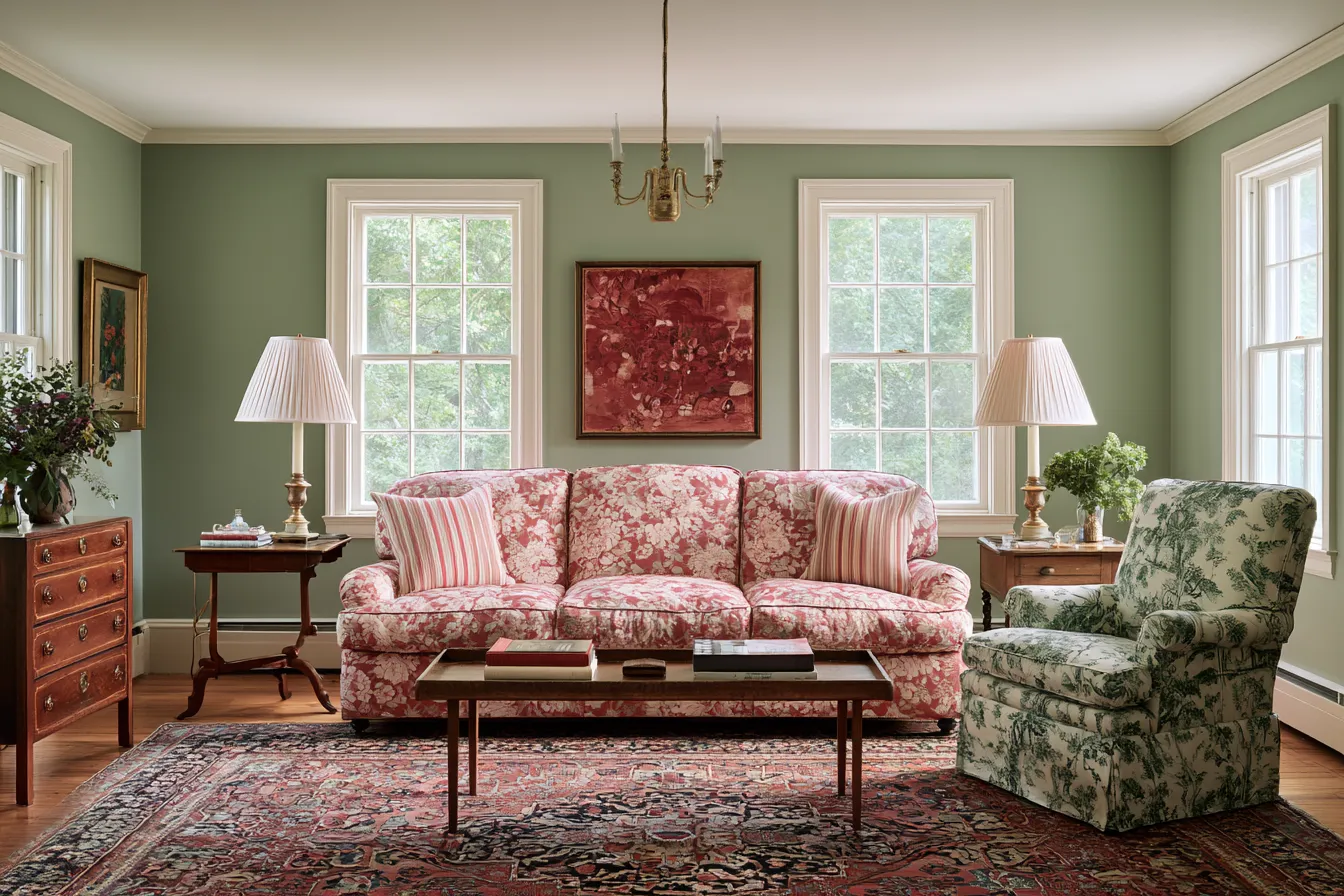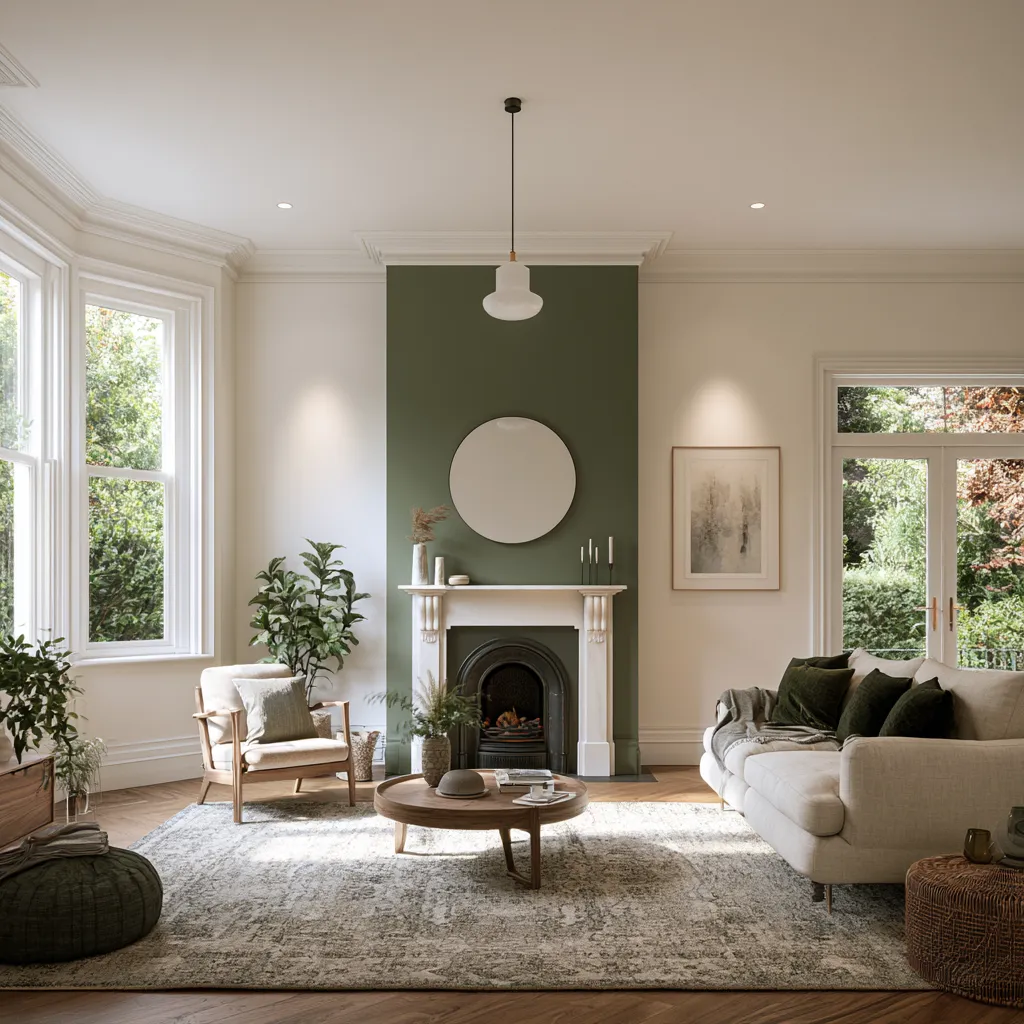
Modern living room wallpaper does more than decorate a wall — it sets the spatial logic of the entire room. The right choice makes furniture look intentional, ceilings feel higher, and square footage feel earned. The wrong one turns a considered space into something that resembles a waiting room from 2011. Understanding how to choose wallpaper for living room settings starts with knowing what each pattern type actually does to a room.
Three styles dominate modern living rooms right now: bold geometric patterns, monochromatic contemporary designs, and textured wallpapers with tactile depth. Each solves a different problem. Geometric patterns inject structure and visual rhythm. Monochromatic designs create cohesion without demanding attention. Textured wallpapers add sensory dimension that paint physically cannot replicate. Quality non-woven wallpaper installed correctly lasts 15 to 25 years — three to five times longer than a repaint cycle — which makes this a decision worth getting right.
The sections below cover each style with specific brand examples, verified prices, and the mistakes most commonly made at each step. Skip the pattern you already know you hate and start with the one that actually fits your room’s dimensions and light.
– Geometric wallpaper creates structure and optical depth — ideal for rooms under 150 sq ft that need to feel larger.
– Monochromatic contemporary wallpaper works in any room; the trick is pairing subtle tone variation with the right lighting.
– Textured wallpaper (grasscloth, raised-ink non-woven) is the only option that looks different in morning versus evening light.
– Graham & Brown geometric double rolls start at $150; Brewster faux grasscloth rolls from $23, covering 56.4 sq ft each.
– Feature wall behind the sofa: always. All four walls in a bold pattern: almost never.
Geometric Patterns Reshape Modern Living Room Wallpaper from Background to Focal Point
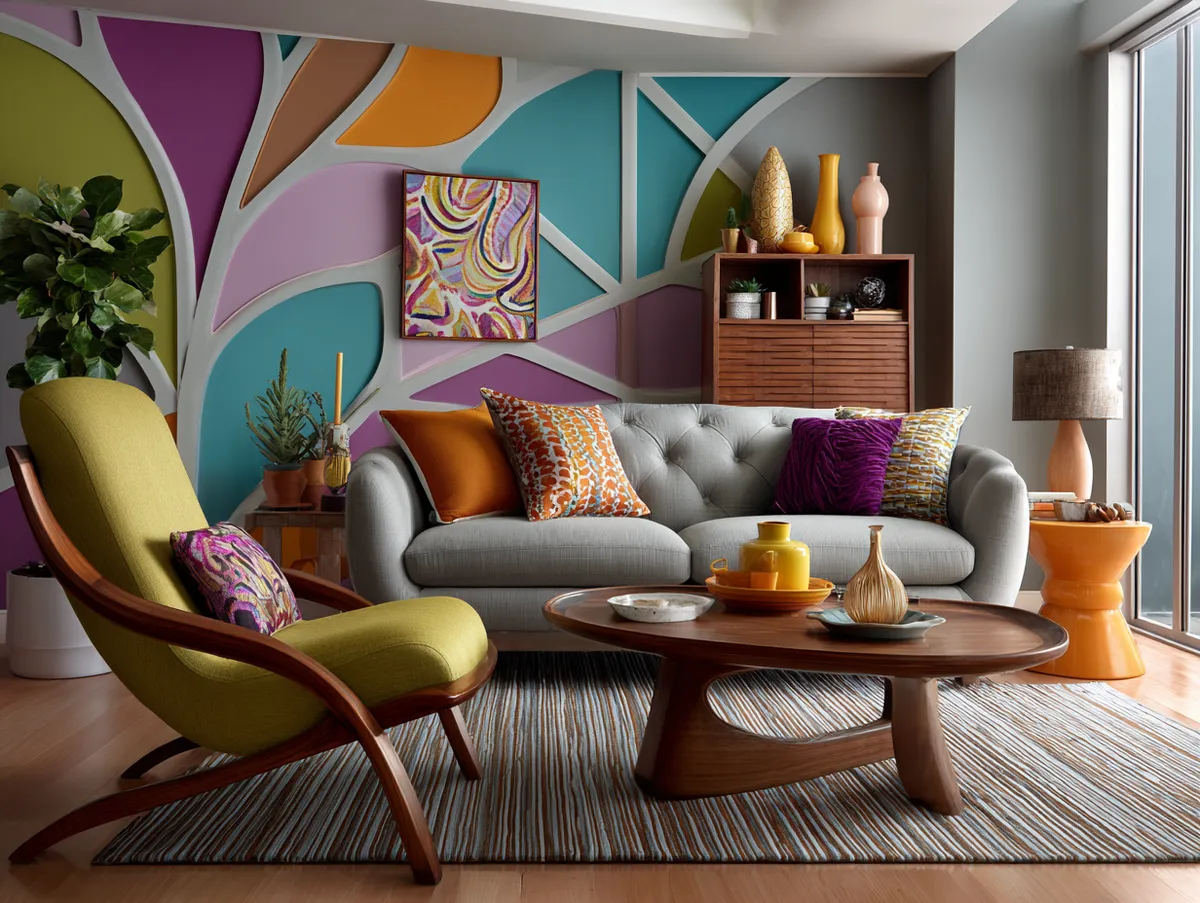
Geometric wallpaper for living rooms works because of a specific visual mechanic — repeating lines and angular forms fool the eye into reading more depth than actually exists. A well-chosen pattern on a single feature wall can make a standard 12-by-14-foot room feel several feet wider. Graham & Brown’s geometric range runs from $150 to $210 per double roll, and their Palais and Harmony lines are consistently the ones that hold up in real living rooms, not just staged photos. The metallic thread in the Palais Navy & Copper adds a layer of shift as light moves through the day — something flat paint never achieves.


Scale is where most people get this wrong. Ask yourself: does this pattern work at arm’s length or only in a photograph? Bold, large-repeat geometric wallpaper needs a room with at least 9-foot ceilings and clear floor space to breathe. Put a 12-inch diamond grid in a room with low ceilings and busy furniture and it reads as chaotic, not modern. Simpler repeating shapes — hexagons, chevrons, fine-line grids — carry more visual weight per square inch and scale better to average living rooms. The trick here is to order a sample, pin it to the actual wall, and look at it across three days in different light before committing.
Color pairing in geometric wallpaper is not about matching — it’s about contrast ratio. Dark elements bring drama; lighter elements in the same design provide visual rest so the pattern doesn’t overwhelm. Rooms where geometric wallpaper reads as sophisticated versus aggressive almost always have this balance present. What doesn’t work: a high-contrast geometric pattern paired with equally high-contrast furniture. One surface leads; the others follow. If the wallpaper carries the room, the sofa should be neutral and the coffee table should be simple.
Papering all four walls in a bold geometric pattern. One feature wall, typically behind the sofa or the media console. The other three stay painted. This is not a stylistic preference — it’s physics. Four walls of a busy geometric pattern close the room in and compete with every object inside it.
Buying based on screen color. Monitor calibration and photographic lighting make every wallpaper look 20% better online. Order the sample. Pin it up. Live with it for three days before placing a roll order.
Ignoring ceiling height. Large-repeat geometric patterns in rooms under 8.5 feet tall make the ceiling feel lower. Match pattern scale to ceiling height first, style preference second.
Contemporary Wallpaper for Living Rooms Does the Most When It Tries the Least
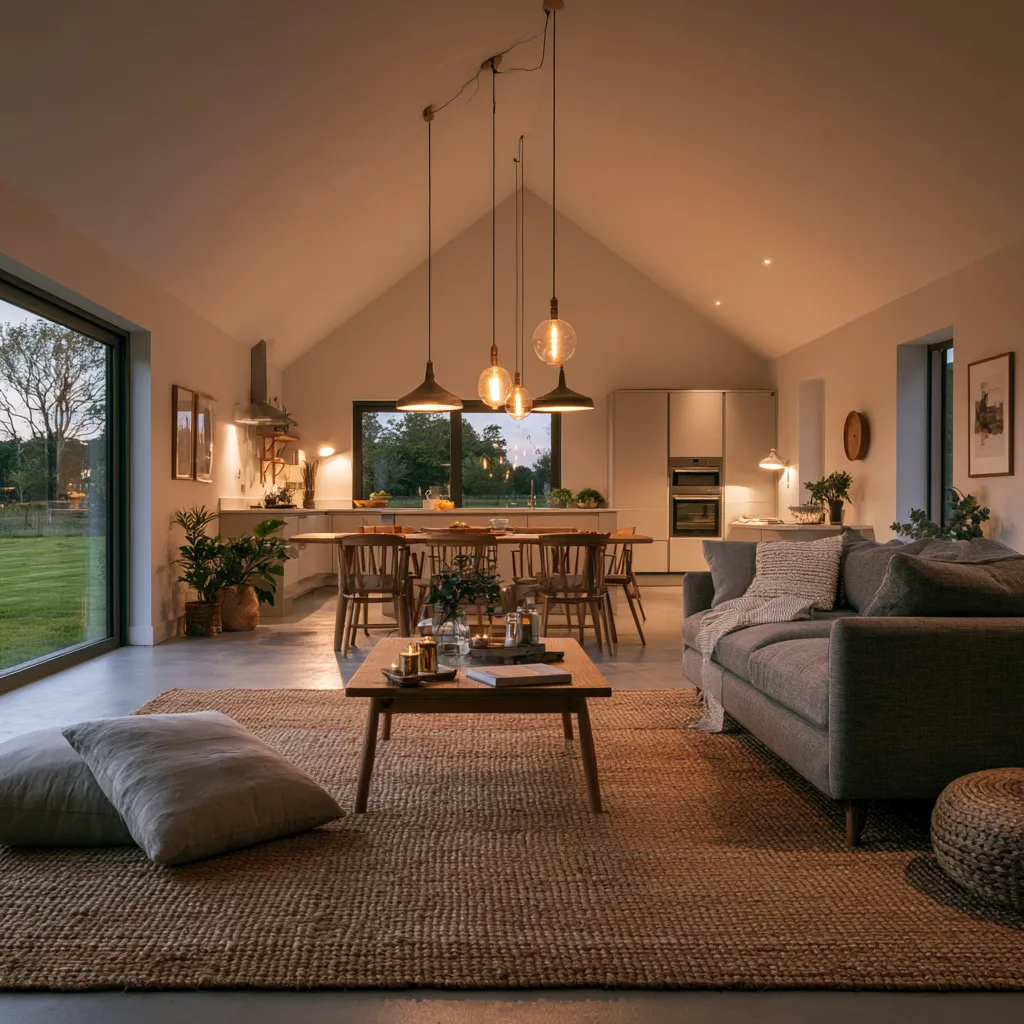
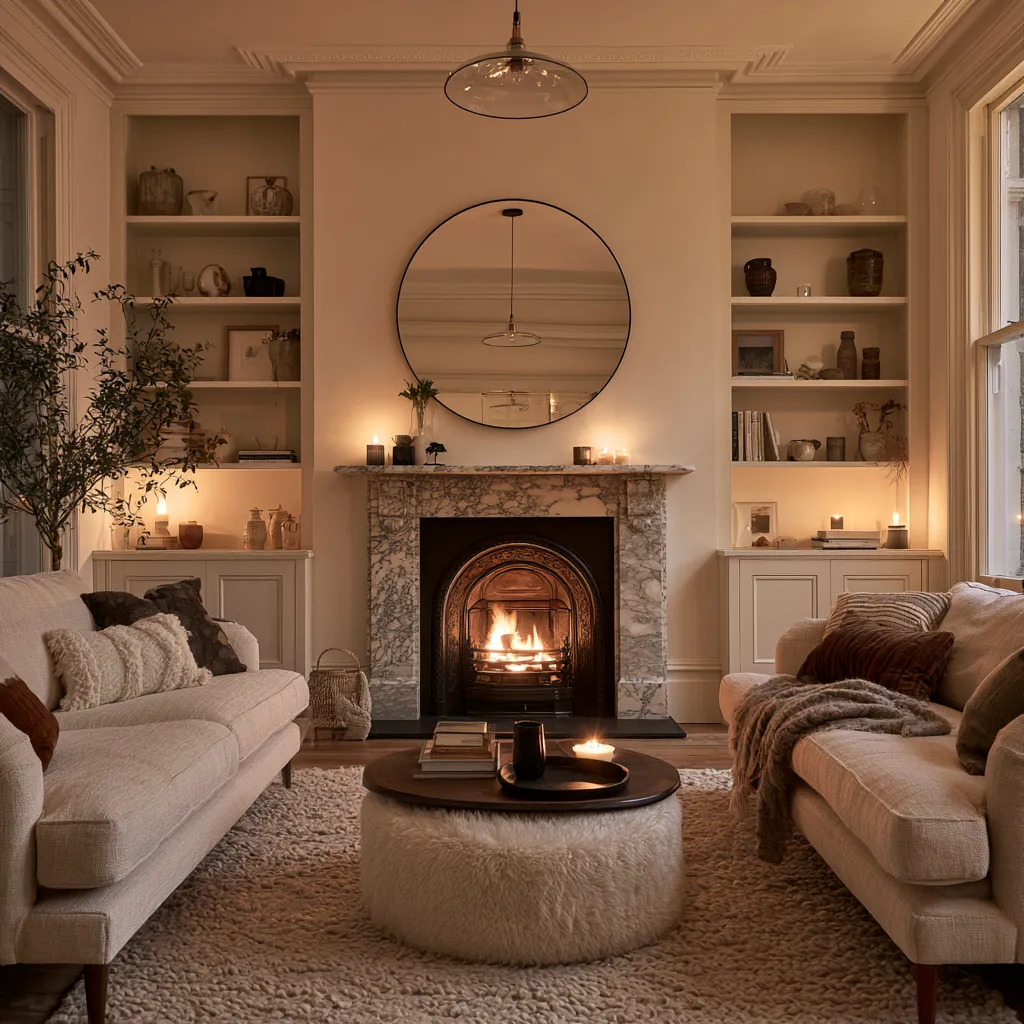
Contemporary wallpaper for living rooms in a monochromatic palette is the most misunderstood category — often dismissed as “boring” by people who haven’t seen it working correctly. The reason it reads as sophisticated rather than bland comes down to tonal variation and texture within a single color family. A soft warm-grey wallpaper with a subtle abstract print or a fine-grain raised texture catches light differently at 8am than it does at 8pm. That shift is the design. Flat paint cannot do this; it has no surface variation to catch.


How does this affect furniture choices? Monochromatic wallpaper functions as a neutral backdrop that doesn’t compete with decor — which means decor actually has to deliver. A slipcovered linen sofa, a walnut side table, a statement floor lamp: each item reads clearly against a tonal wallpaper because the wall isn’t pulling focus. Stylists often recommend this approach for rooms where the furniture is the investment and the walls should support rather than lead. Graham & Brown’s Superfresco Easy range in off-white and warm grey tones runs $35–$45 per roll and has enough surface texture to avoid looking like a painted wall from across the room.
Lighting is the variable most people underestimate in this category. A south-facing room with strong afternoon light will pull out the warmth in an ivory or cream monochromatic wallpaper and create depth naturally. A north-facing room with cool, flat daylight flattens the tonal variation and makes the same wallpaper look washed out. The fix: add warm-white artificial light (2700K bulbs) in a north-facing room, positioned to rake light across the wall surface at an angle. Side lighting — from a floor lamp or wall sconce — activates texture in a way overhead lighting never does. Don’t choose a monochromatic wallpaper based on how it looks under a showroom’s overhead fluorescents.
The version of this that consistently fails: pale monochromatic wallpaper paired with an equally pale sofa, white trim, and light wood floors — all in a room without strong artificial lighting. The effect is a room with no edges and no visual anchor. Add one element of contrast — a dark sofa, a deep-toned rug, or even dark trim on the doors — and the same wallpaper reads as intentional and refined. The contrast does not have to be dramatic; it just has to exist.
Textured Wallpaper Living Room Choices That Actually Change the Feel of the Walls
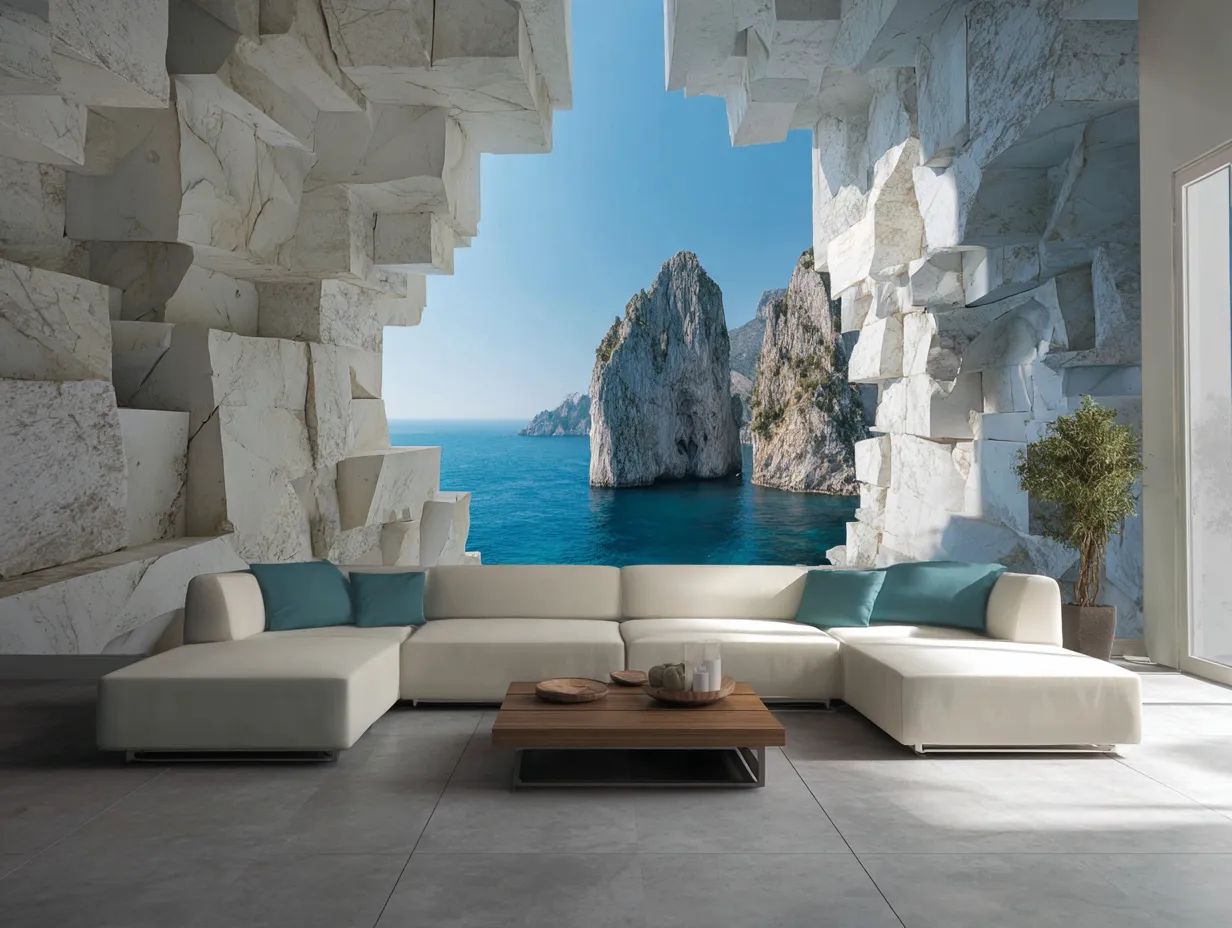
Textured wallpaper in a living room operates on a different register than any pattern-based option. The effect is not primarily visual — it’s spatial. A room with textured walls reads as more considered and finished than the same room with flat paint, even when the colors are identical. Faux grasscloth from Brewster Home Fashions runs $23–$110 per roll depending on the specific line, with each roll covering approximately 56.4 square feet. Their raised-ink faux grasscloth variants give a convincing impression of real woven material without the maintenance complexity of authentic grasscloth, which requires specialist cleaning and cannot tolerate moisture.


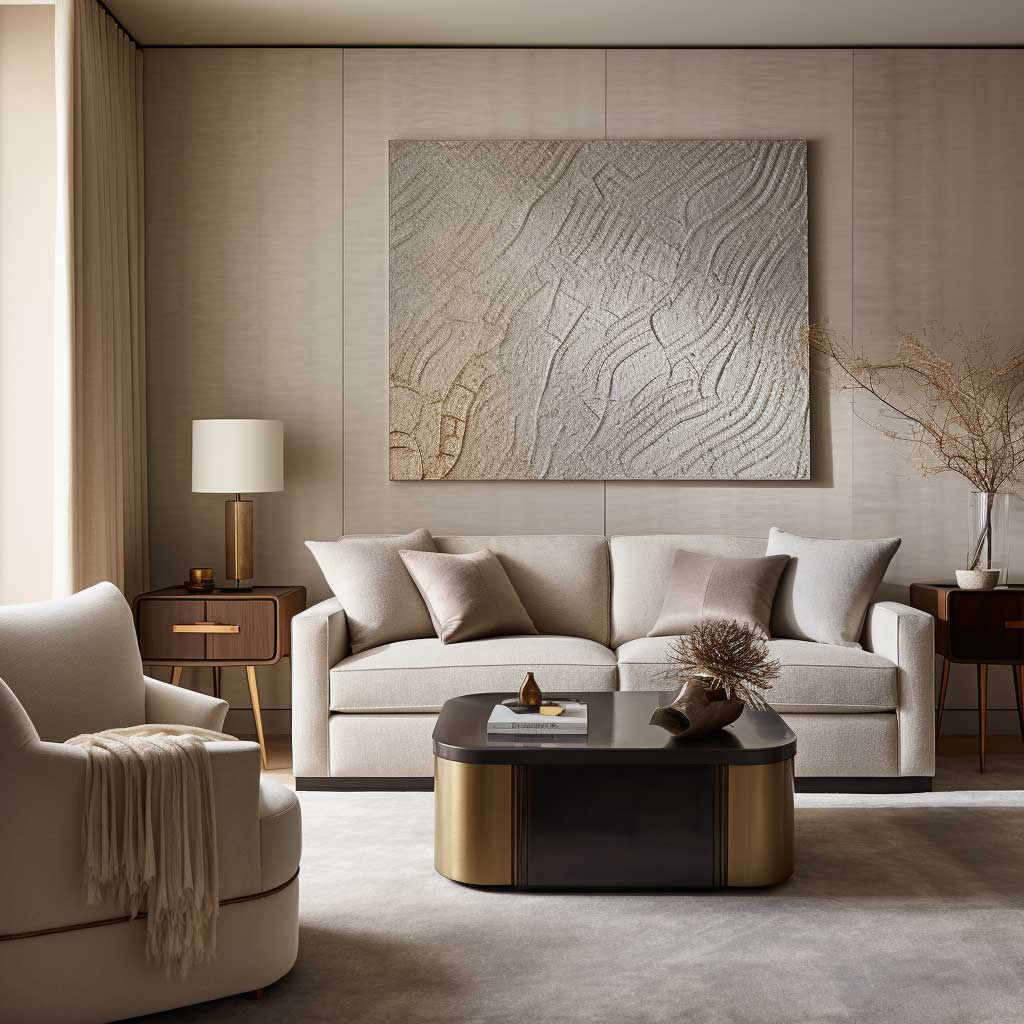
Why does texture change the perceived quality of a room? The same reason velvet furniture reads as more luxurious than flat cotton — surface variation interacts with light in a way that activates the room’s atmosphere as conditions change. Morning light raking across a grasscloth-textured wall reveals the weave in shadow. Lamplight at night creates a warm, layered glow. This dynamic quality is something a painted surface physically cannot produce regardless of color or finish. Stylists describe it as the “quiet luxury” move: nothing shouts, but the room clearly belongs to someone with a point of view.
Practical maintenance is the trade-off worth understanding. Raised and woven textures trap dust more readily than smooth surfaces — a light vacuum with a brush attachment every few weeks prevents build-up in the grooves. Real grasscloth and natural-fiber wallpapers cannot be wiped clean and show water marks permanently, which is why faux grasscloth (non-woven with raised ink) is the practical choice for actual living rooms. It’s washable, strippable, and holds up in moderate-traffic areas far better than the natural version. For more ambitious texture applications — 3D panel systems and dimensional murals — see 3D wallpaper designs for living room walls, which covers brand-by-brand pricing and installation specifics.
The mistake that undercuts textured wallpaper consistently: pairing it with equally textural furniture. A woven grasscloth wall next to a heavily textured bouclé sofa and a shaggy rug creates a room with too many competing surfaces. Textured wallpaper earns its impact against smooth, clean counterparts — a leather sofa, polished concrete floors, a glass side table. The interplay of rough and smooth is what gives the room visual intelligence. Two rough surfaces fighting for attention is just noise.
How to Choose Wallpaper for Living Room Without Buying the Wrong Pattern Twice
Knowing how to choose wallpaper for living room spaces starts with measuring, not browsing. Calculate the square footage of every wall you plan to cover, note ceiling height, and identify which wall receives direct daylight and which stays in shadow most of the day. These three data points eliminate at least half the options before aesthetic preference enters the picture. A dark, dramatic geometric print on a north-facing wall in a small room without artificial lighting will look like a regret within weeks. The same print on a south-facing feature wall in a large room looks like an editorial shoot.
Pattern repeat is the specification most commonly overlooked at the point of purchase. Large-repeat patterns — 18 inches or more — generate significantly more off-cut waste when hanging. A 13-foot wall requires one and a half rolls per drop for an 18-inch repeat, versus just over one roll for a 9-inch repeat. This translates directly to materials cost: a budget-friendly $30 roll with an 18-inch repeat often ends up costing more per installed square foot than a $50 roll with a shorter repeat. Manufacturers list pattern repeat on every product page; check it before ordering. For rooms where budget matters, a free-match (random match) textured wallpaper avoids this entirely.
Samples are the single step that prevents the most expensive mistakes. Screen calibration and photography lighting make every wallpaper look 15–20% brighter and sharper than it appears in a real room. Order the sample, pin it to the actual wall, and observe it across a full day — morning light, afternoon light, artificial evening light. Most quality suppliers offer samples for $1–$5. That five dollars saves the $300 mistake of hanging four rolls of a color that reads completely differently in your specific room. For wider context on what makes a wallpaper choice look expensive versus just busy, classy wallpaper designs for living room breaks down three distinct style directions with prices and common errors for each.
Graham & Brown’s wallpaper FAQ covers paste types, pattern repeat mechanics, and preparation steps in plain language — worth reading before a first installation: Graham & Brown Wallpaper FAQ.
| Style | Best For | Price Range / Roll | Key Risk |
|---|---|---|---|
| Geometric | Feature wall, rooms needing depth | $150–$210 / double roll (Graham & Brown) | Scale too large for ceiling height |
| Monochromatic / Contemporary | Any room; backgrounds for bold furniture | $35–$120 / roll | Reads flat without angled lighting |
| Textured / Grasscloth | Living rooms needing tactile warmth | $23–$110 / roll (Brewster, 56.4 sq ft) | Pairs badly with equally textural furniture |
FINAL THOUGHT
Modern Living Room Wallpaper Pays Off When the Room Stops Fighting It
Geometric, contemporary, textured — three different answers to the same question. The decision belongs to the room’s dimensions, light conditions, and existing furniture, not the trend board. A correctly chosen wallpaper installed on one feature wall outlasts five repaints and makes every piece of furniture in the room look more intentional.
Quality non-woven wallpaper lasts 15–25 years. The sample costs five dollars. Spend it before spending two hundred on rolls that won’t work in your specific light.
Save this post.
Related Topics
FAQ
Which type of wallpaper is best for a living room?
How do I choose wallpaper for a living room?
What is the best wallpaper for a modern living room?
How much wallpaper do I need for a living room?
Contemporary wallpaper for living room — does it date quickly?
Is wallpaper or paint better for a living room?
Complete guide
The Living Room Design Ideas Vault Every Home Needs Right Now
Color, walls, furniture, layouts, styles, smart tech — 300+ ideas in one place