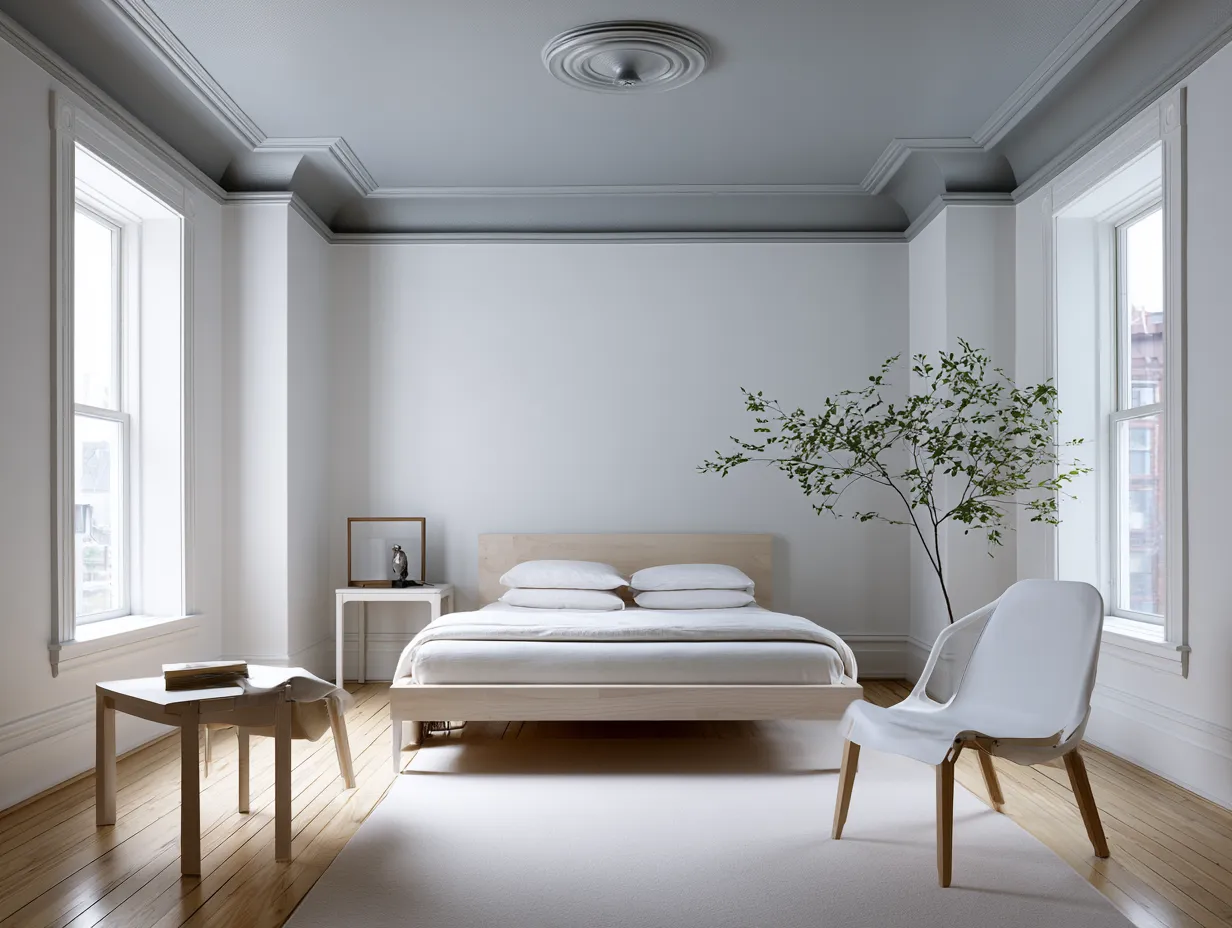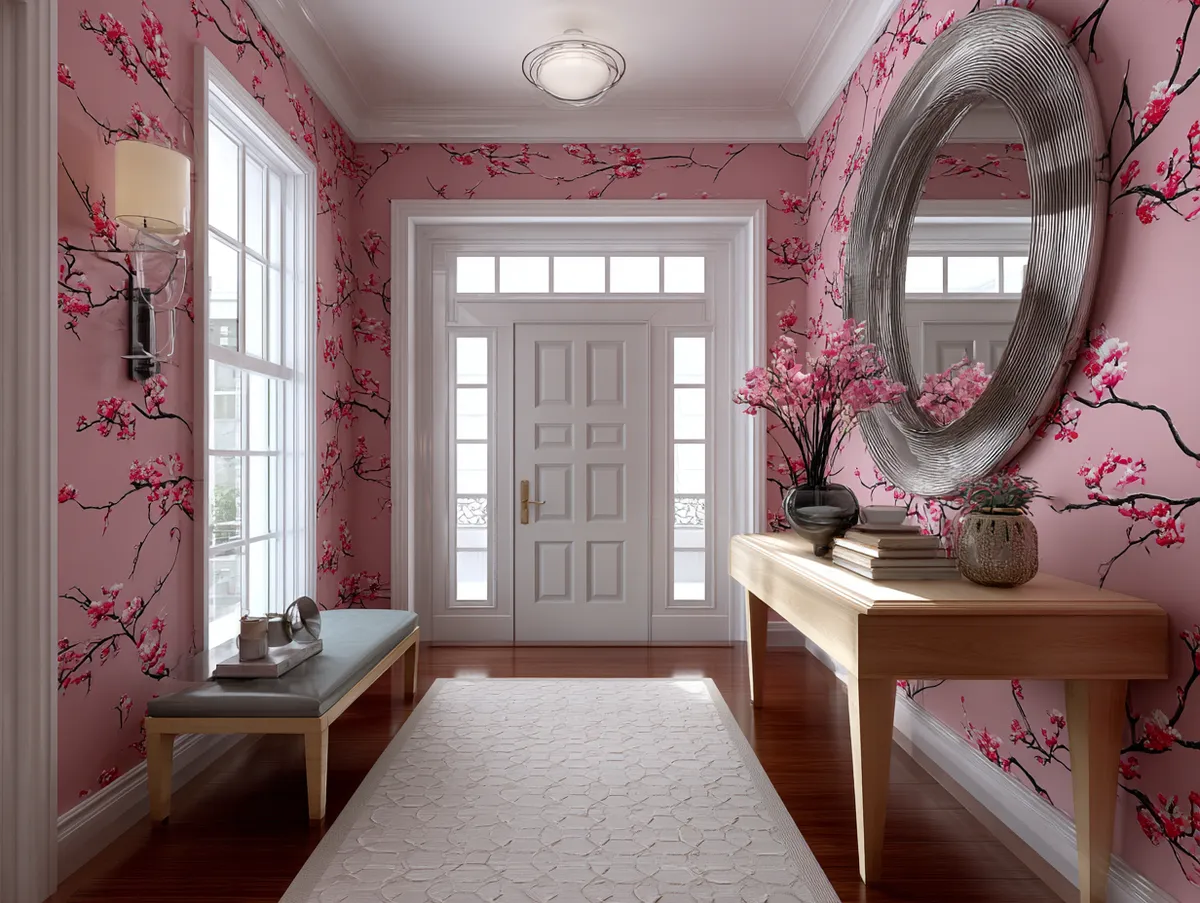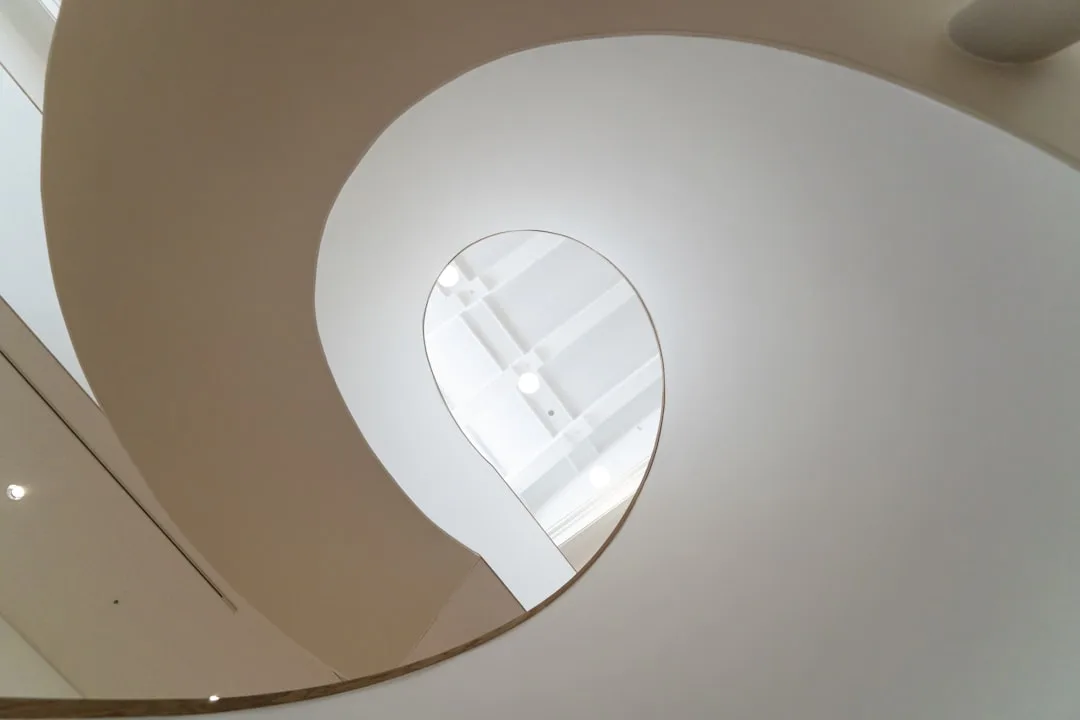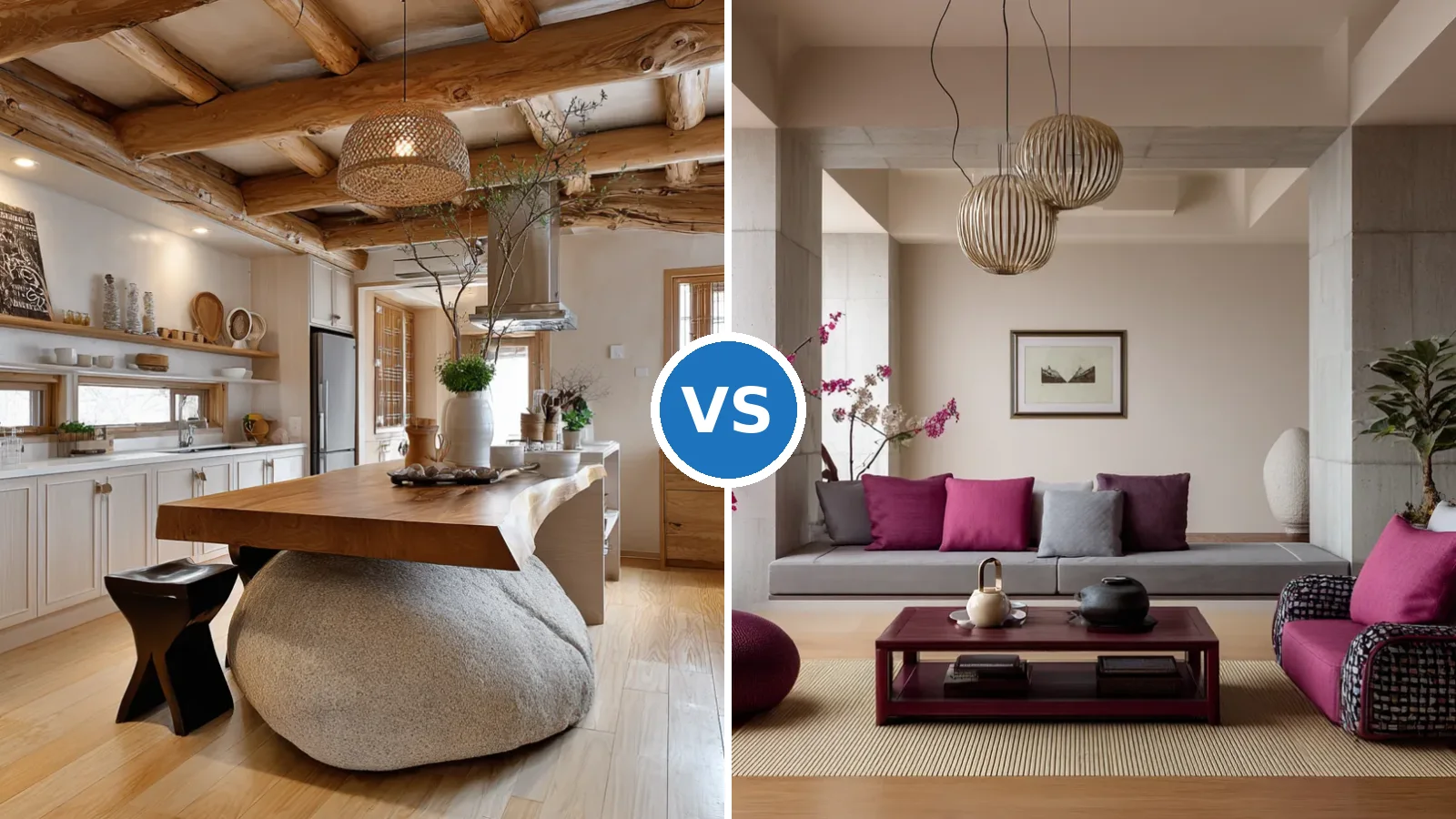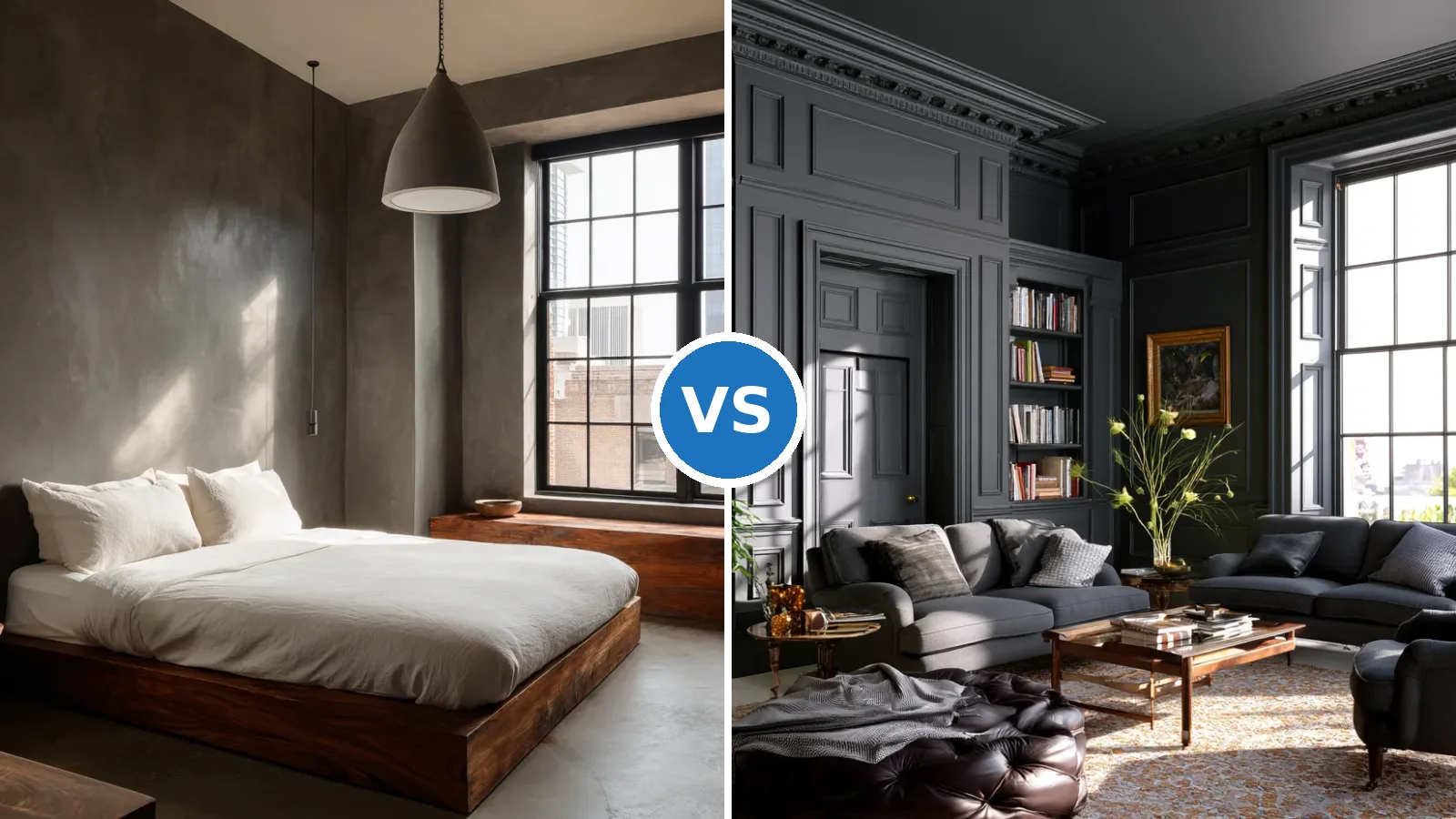
Picture two drawing rooms of the same size. One draws the eye upward with sculpted ceiling layers, while the other lets the walls carry warmth through hand-worked texture. People typing plasterboard vs pop are usually weighing exactly this split. Both approaches can work well, so the real question is where your room needs attention.
Plasterboard in this comparison means the smooth wall board that plaster finishes are now replacing. Pop ceilings suit owners who want drama overhead. Plaster walls suit owners who want texture across large surfaces and a more hand-made feel.

What each option actually is
Quick Verdict
- Choose pop ceiling if you want the room’s drama overhead, with lights built into the layers.
- Choose pop ceiling if your drawing room has standard ceiling height and you want to change how tall it feels.
- Choose plaster walls if you want irregular, hand-worked texture across large wall areas.
- Choose plaster walls if your room has architectural character and good natural light to reveal the surface.
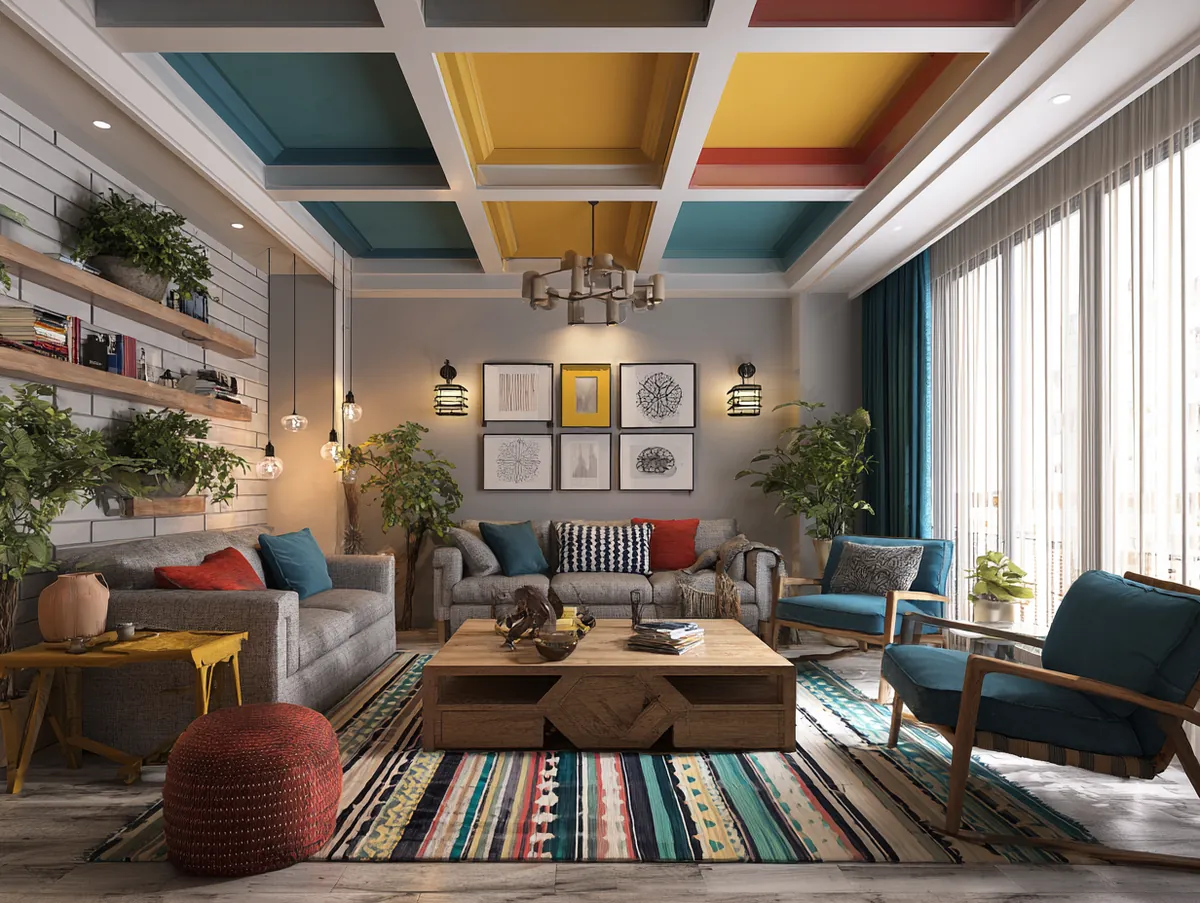
Pop design, as covered in our pop design ideas for drawing rooms, is decorative shaping on ceilings and entrances. Archways, textured ceiling patterns, and multi-layered tiers all fall under that umbrella. Lighting is often built into the forms.
Plaster walls are the rough-luxe finish that has been replacing smooth drywall in high-end homes. The surface is irregular and crafted, and it ranges from lime wash to clay plaster to venetian plaster at the luxury end. Our breakdown of rough-luxe plaster wall finishes explains why designers are moving this way.

Head-to-head on look, cost and placement
| Criteria | Pop Ceiling | Plaster Walls |
|---|---|---|
| Best placement | Ceilings, archways and entrances | Large wall areas, not small accents |
| Effect on room height | Layers can lower a high ceiling or lift a small room | Adds surface depth, not height |
| Visual character | Ripple, geometric, floral or abstract patterns | Irregular, hand-worked, shows the maker’s touch |
| Lighting | Recessed lights, chandeliers or LED strips bring out patterns | Shows its depth best in good natural light |
| Suitable rooms | Standard-height rooms can benefit from layering | Rooms with architectural character and high light |
| Cost clarity | Depends on design scope; our source gives no rate | Lime wash sits near premium paint; full lime costs considerably more |
Look and placement split cleanly. Pop design shapes the overhead plane, while plaster works on the surface texture of the main walls.
Cost is the less predictable part of pop, because it depends on how many layers you add. Plaster costs are easier to compare by finish type. Lime wash sits close to premium paint, while full lime plaster costs considerably more per square foot.


Where pop ceilings win
Pop ceilings win when the room needs a focal point overhead. Ripple and geometric patterns create movement and sharp lines that a wall finish cannot match on the ceiling plane. Lights tucked into the layers add a glow after dark.
They also suit the standard-height drawing room. Layers can bring a high ceiling down to a more intimate scale, or create an illusion of height in a smaller room, depending on how they are shaped.
Customization is broad. Geometric, floral, and abstract motifs all fit within pop design, so the look can match personal taste. That flexibility matters.


Where plaster walls win
Plaster wins on tactile warmth across the main surfaces. Its irregular, hand-worked finish reads as crafted and avoids the blankness of plain drywall. Shadows in the texture give walls depth through the day.
Cost clarity is another strength. Lime wash is comparable to premium paint, which makes it easier to plan a budget. Clay plaster offers a similar hand-worked look.
Plaster also suits rooms with character. High ceilings, good natural light, and architectural detail let the surface look intentional. Clay plaster is one option within the wider plaster range.


The biggest mistake is doubling up at full strength
Here is the error to avoid. An owner in a standard-height drawing room adds a deep layered pop ceiling and then covers every wall in rough plaster. The room ends up competing with itself.
Ceiling shadows, wall texture, and lights all fight for attention. The space feels busy, and the plaster can read as imported rather than intended. Standard rooms with ordinary windows rarely carry both at full intensity.
The fix is to choose one lead texture. Keep the ceiling clean with restrained layering, or keep the walls smooth and let the pop work carry the room. Avoid a thin accent strip of plaster, because the finish needs substantial wall area to look right.

Final verdict on plasterboard vs pop for your room
Choose pop ceiling for overhead drama, a focal point in the upper half of the room, and flexibility in standard-height spaces. Its cost depends on scope, so a detailed quote matters more than a rate.
Choose plaster walls for warm, hand-worked texture on large wall areas, a clearer cost comparison by finish, and rooms with architectural character and good natural light.
If your drawing room is standard-height and plain, start with pop design overhead and keep the walls restrained. If it has high ceilings and strong light, plaster walls may give the stronger signature. Either way, check your ceiling height and light before you commit.