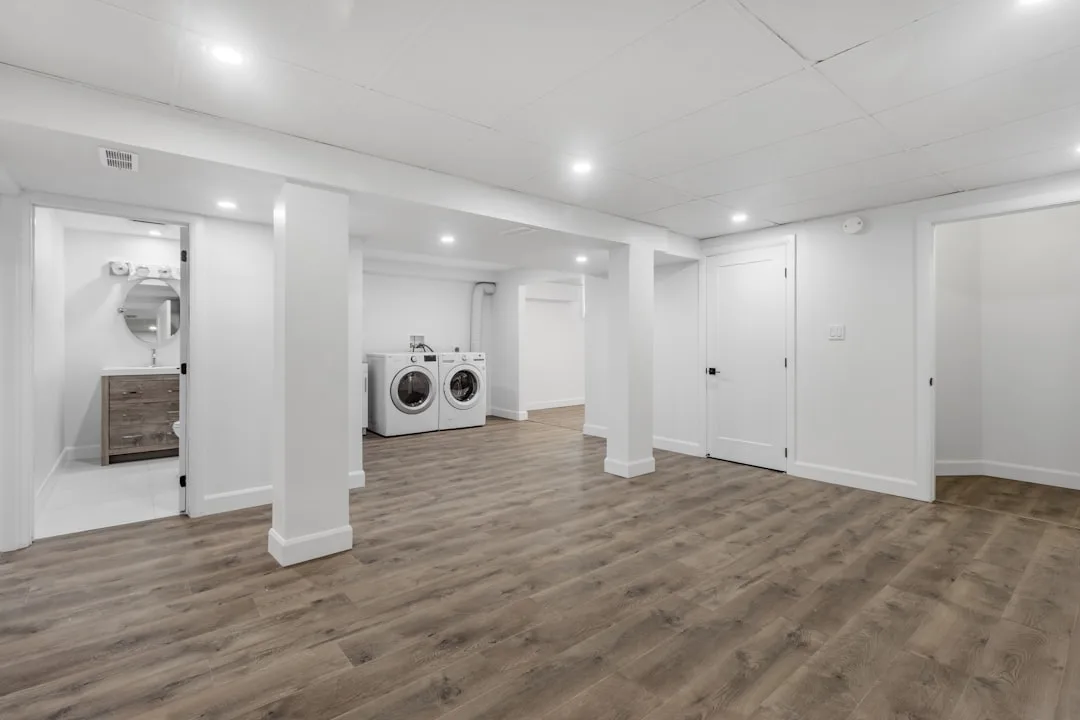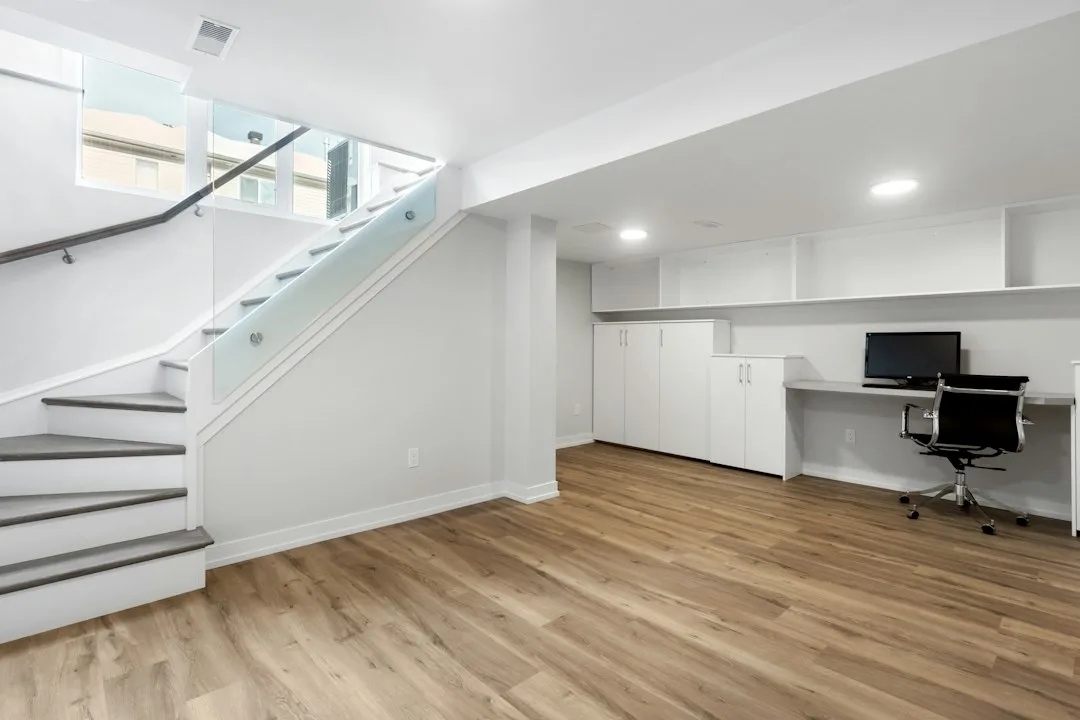
Basement egress windows aren’t an aesthetic upgrade—they’re the regulatory gateway to turning below-grade space into legal finished rooms. According to the International Building Code, any bedroom or habitable space below grade requires a compliant egress window as the sole emergency exit route. Without one, that finished basement family room doesn’t count toward your home’s livable square footage, and you can’t legally market it to buyers.
The trend toward finished basements in 2026 has intensified demand for proper egress installation, not because homeowners suddenly care about codes, but because lenders, appraisers, and insurers now enforce them uniformly. A basement without egress is dead money—attractive but legally invisible.
Why egress windows stopped being optional
The shift happened quietly over the past five years as home appraisers began refusing to count non-compliant basements toward property value. Banks won’t insure unfinished basements with habitable intent, and building inspectors now flag missing egress windows before permit sign-off.
Homes built before 2000 often lack them entirely. Basements finished in those decades used to pass inspection with a single interior door—perfectly legal then, completely non-compliant now. That changed when the 2006 International Building Code standardized egress requirements nationwide.
Here’s what shifted: families realized they needed a real escape route in a basement fire. Smoke descends; interior stairs become unusable in under 60 seconds. An egress window provides a backup.
Quick Tips
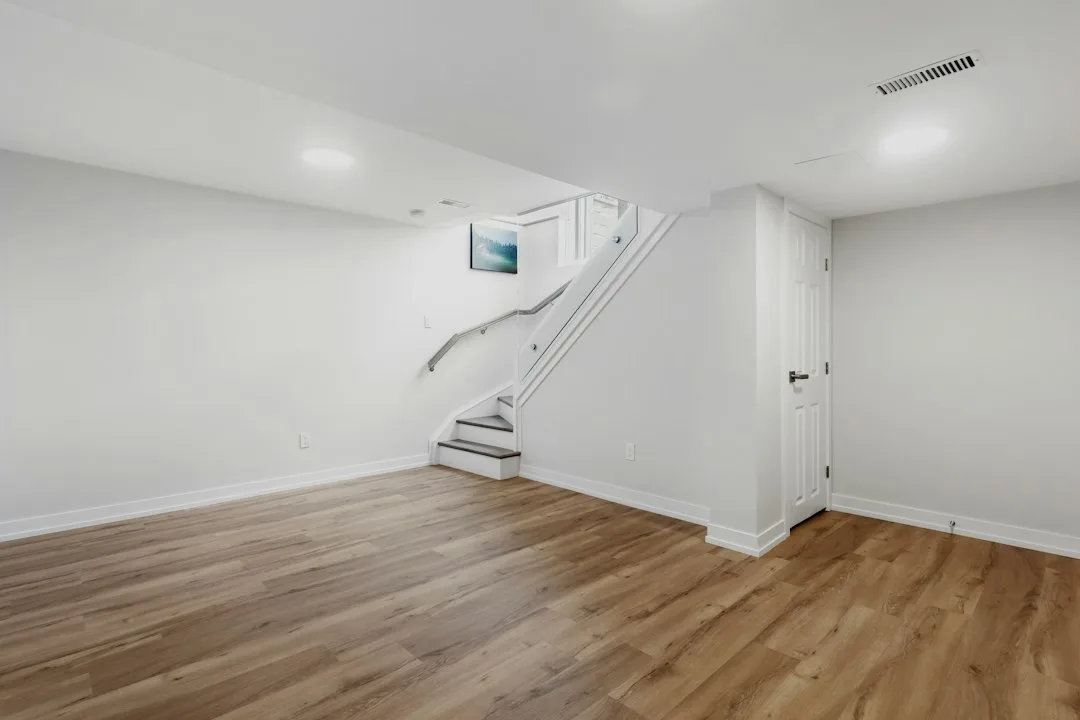
Installation Best Practices for Basement Egress Windows
Proper installation is where many homeowners stumble. The egress window well must be structurally sound, anchored to the foundation, and positioned to allow a clear vertical or near-vertical escape path. A poorly installed well can shift, crack, or fill with water—defeating its entire purpose.
Start by measuring twice. The window opening itself needs to meet code minimums, but the well also requires adequate depth and width. Most contractors recommend pouring a concrete foundation footer beneath the well to prevent settling. Proper grading around the exterior helps water drain away rather than pooling inside the well, which is especially critical in regions with heavy rainfall or high water tables.
Ventilation during and after installation matters too. Ensure the basement interior remains dry before sealing everything up, and consider applying a water-resistant sealant to interior basement walls around the installation zone. This prevents moisture from wicking through cracks and undermining your safety investment.
Maintenance and Inspection Schedules
An egress window sits dormant until an emergency strikes. That’s why regular maintenance is non-negotiable. Debris accumulates in the well—leaves, dirt, snow—and can block the opening or make it harder to climb out under pressure. Inspect the well at least twice yearly, ideally in spring and fall.
Check the removable cover for rust, cracks, or damage. Test that it releases smoothly and doesn’t stick. Look for standing water in the well bottom and verify that the drainage system is functioning. If your home experienced heavy rain, check the well immediately afterward. Clear any sediment or organic matter by hand or with a shop vacuum.
The window frame and latch should operate freely. If the window is painted shut or the mechanism is stiff, clean and lubricate it so it can open quickly in an emergency. Many codes require that egress windows remain unlocked and unobstructed at all times, so if you’ve added security bars or protective grates, verify they meet code requirements for quick release from inside.
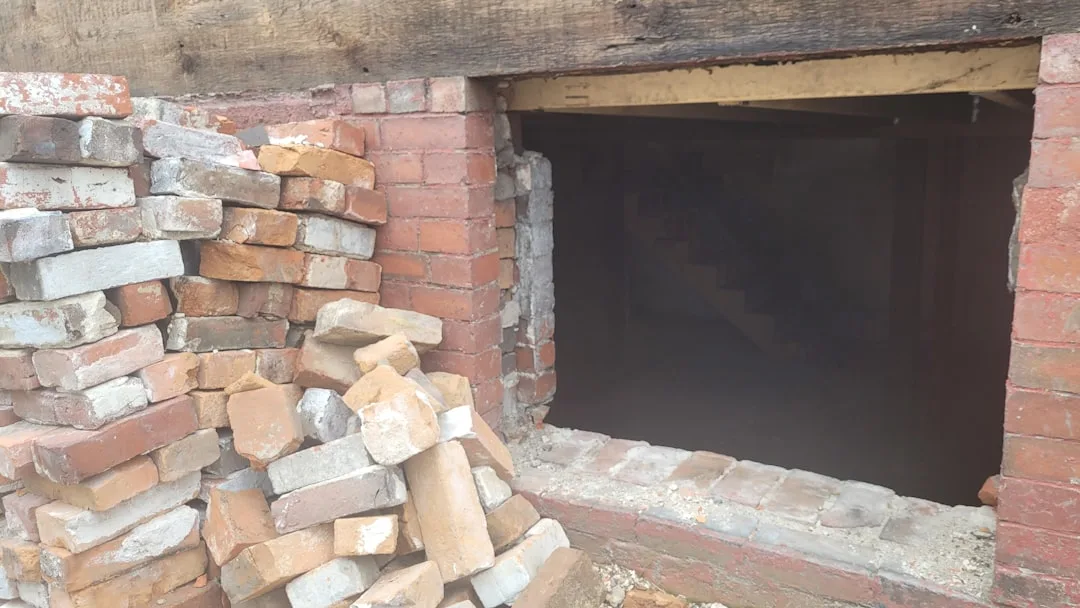
Codes and Legal Requirements by Region
Building codes vary significantly across North America. The International Building Code (IBC) sets baseline standards, but individual states, provinces, and municipalities add their own requirements. Some jurisdictions mandate egress windows for any bedroom, while others require them only if the basement is finished or partially finished.
Before you dig or order materials, contact your local building department. They can tell you whether your basement bedroom or bedroom-to-be legally requires an egress window, what size it must be, and how deep the well can be. Permits are usually required, and inspections will verify the installation meets code. Skipping this step can create problems when you sell your home or file an insurance claim after an emergency.
Working with a licensed contractor who understands local codes reduces the risk of costly mistakes. Many areas now link egress window compliance to fire safety ratings and insurance premiums, making it a financial as well as safety matter.
Cost Considerations and Budget Planning
The total cost of a basement egress window installation ranges widely depending on your location, foundation type, and soil conditions. A basic window unit itself might cost between $300 and $700, but the well, excavation, foundation work, and installation labor can easily double or triple that total.
If your home is undergoing broader improvements, bundling egress work with other basement or Elevating Your Living Space Through Architectural Innovation and Home Improvement projects can save money. Contractor schedules, equipment on-site, and shared labor reduce per-project overhead. Obtaining multiple quotes is wise; you’ll see wide price variations based on soil type, foundation depth, and local labor rates.
Don’t let cost deter you. An egress window is one of the most cost-effective safety upgrades available. It protects lives, satisfies legal requirements, and can increase resale value or lower homeowner’s insurance in some cases.
Family Emergency Preparedness and Egress Training
Installing an egress window is only half the battle. Every household member capable of exiting through it must practice doing so calmly and confidently. Panic freezes decision-making, so familiarity with the escape route saves precious seconds during an actual emergency like a basement fire or natural disaster.
Hold a brief family drill twice a year. Show children how to remove the well cover, open the window, and climb out safely. For elderly family members or those with mobility challenges, discuss alternative positions or assisted exits. If anyone sleeps in a basement room, they should know where the egress window is and how to use it in darkness or with reduced visibility.
Make sure the well cover is always accessible from inside, and keep a sturdy step ladder or climbing aid nearby if the well depth exceeds 10 feet. Post clear signage identifying the egress window room and its purpose. Consider pairing your egress system with Upgrade Your Home with These 3 Improvement Projects like smoke alarms and a fire extinguisher to create a comprehensive basement safety plan.