Every fall weekend, paper lawn bags line the curb, each one stuffed with free mulch headed for the landfill. More homeowners now leave the leaves where they fall, and the habit has moved from wildlife-blog advice into ordinary yard care. It is a tidy-lawn culture colliding with ecology.
The catch is that nobody wants a patio buried in soggy oak leaves. The trick is knowing where leaves belong and where they do not.
Where the Movement Came From
The National Wildlife Federation and the Xerces Society have promoted leaf litter as habitat for years. Their argument is simple: many insects spend winter in the leaves you are about to bag. Luna moth caterpillars pupate in leaf litter, and bumble bee queens tuck themselves under it to overwinter.
Firefly larvae also live in leaf litter and the soil beneath it for much of their multi-year life cycle. Bag the leaves and you remove the nursery. Songbirds then lose the insects they need to feed on in spring.
There is a practical side too. Leaves are free fertilizer, because trees pull minerals up from deep roots and drop them on your lawn each fall. Hauling them away means buying mulch and fertilizer in spring.
Quick Tips
- Mow over leaves once or twice so pieces end up smaller than a quarter.
- Blow or rake leaves off patio surfaces first, because wet leaves stain pavers and get slick.
- Keep a 2-3 inch layer of shredded leaves on planting beds.
- Pull mulch a few inches back from tree trunks and house walls.
- Wait until spring temperatures stay steady before cleaning up beds.
How Leaf Mulch Compares to Bagging and Blowing
Toro’s Recycler mowers use a closed deck and a mulching blade that recuts leaves until they sift down between grass blades. Honda’s HRX series offers a similar mulching setup. Either way, one pass on a dry day can replace an afternoon of raking.
Here is how the main options stack up for a typical suburban yard.
| Method | Effort | Where the leaves end up |
|---|---|---|
| Mulch-mow into lawn | Low | Feeding the turf as they break down |
| Rake onto beds | Medium | Mulch and insect cover |
| Leaf mold bin | Medium | Soil conditioner in a year or two |
| Bag for curb pickup | High | Municipal compost or landfill |
How to Leave the Leaves Without a Messy Patio
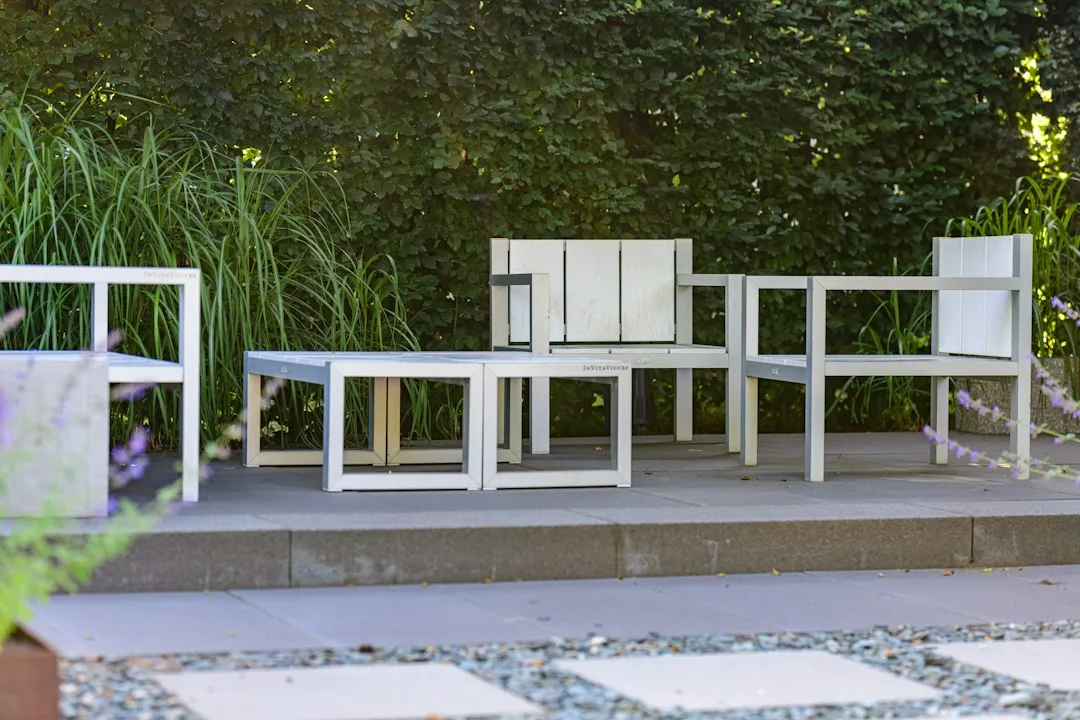
The patio is the one place you should still clear. A fallen leaf on a bluestone or porcelain paver traps moisture and can leave tannin stains. Wet leaves on steps are also a real slip hazard.
Treat the hardscape as a clean zone and everything beyond its edge as habitat. A lightweight Fiskars leaf rake or a cordless blower moves leaves off the surface in minutes. Sweep them straight into adjacent beds.
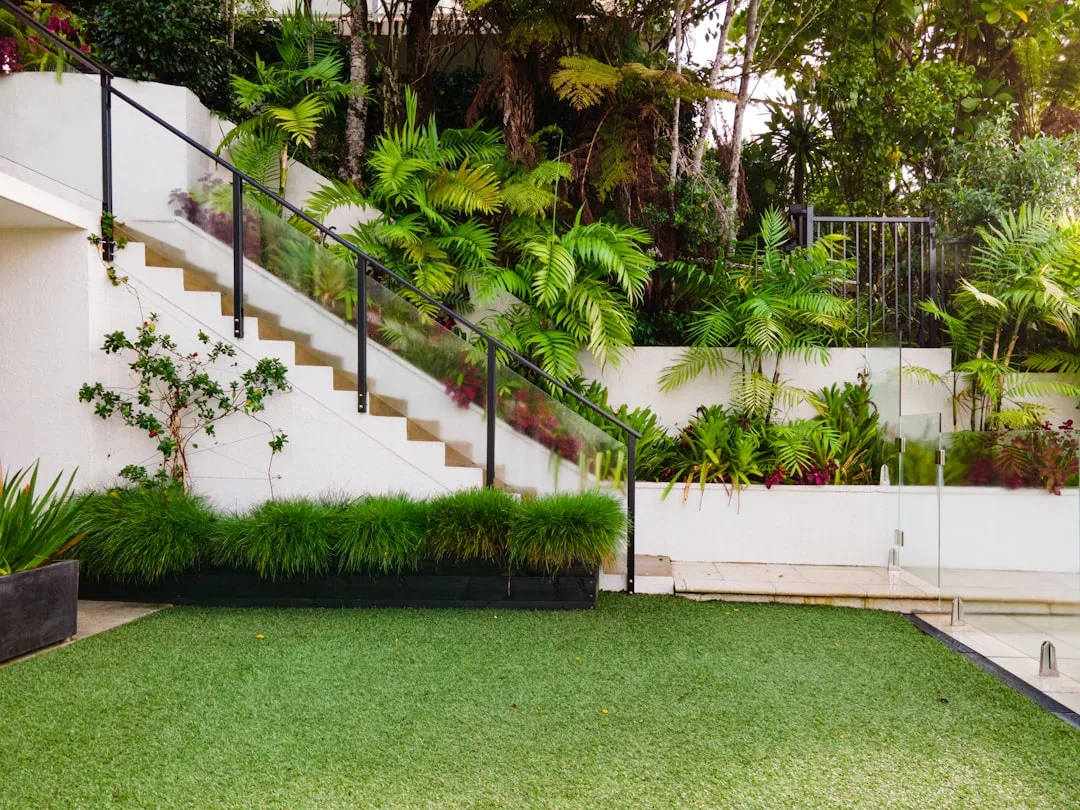
This split also makes the yard look intentional. A crisp patio edge beside a mulched border reads as designed rather than neglected. If you want ideas for framing that edge, the layout in this Beautiful Single Story House with Patio Yard shows how planting beds can sit close to a clean paved surface.
The Biggest Mistake Is Smothering the Lawn
The most common failure is leaving a full blanket of whole leaves across the grass. A 6-inch mat of broad maple or magnolia leaves blocks light and holds water against the crowns. By March you have bare, matted patches.
Here is a concrete example of what not to do. Do not rake an entire yard’s leaves into one thick pile against a fence or around a tree trunk and call it habitat. That pile rots bark, invites rodents, and mats down into a slimy layer that nothing can grow through.
Shred first, then spread thin. Lawn grass should still be visible through the shredded leaves after you mow. Beds can take far more, but keep it to about 2-3 inches.
Leaf Mold Bins and Beds That Put Leaves to Work
If you have more leaves than your beds can absorb, build a bin. Gardener’s Supply Company sells compost bins, but a ring of galvanized wire fencing works just as well. A roll priced in the $30-50 range replaces years of buying bagged soil conditioner.
Leaf mold is what you get when leaves break down slowly through fungi rather than hot composting. Fill the bin, wet the leaves, and leave it alone for a year or two. The result is a dark, crumbly material that holds water well in sandy soil.
Choose a spot out of view but within reach of your beds. A corner behind a hedge or beside a fence is ideal. For a courtyard-style yard where space is tight, a small bin screened by planting works, much like the compact arrangements in this Concrete House Idea With Patio Style Courtyard.
Keeping Patio Edges Sharp Through Winter
Plan a weekly five-minute sweep rather than a single big cleanup. Check drains and gutters near the patio, since leaves clog them first. Standing water on a paved surface freezes and cracks joints.
Leave hollow stems and seed heads standing in beds as well. They shelter native bees and feed finches through January. Cut them back in spring once daytime temperatures hold above about 50 degrees.
Done well, this approach saves hours of bagging and cuts spring mulch costs. It also gives you a patio that looks clean beside beds that work for you.