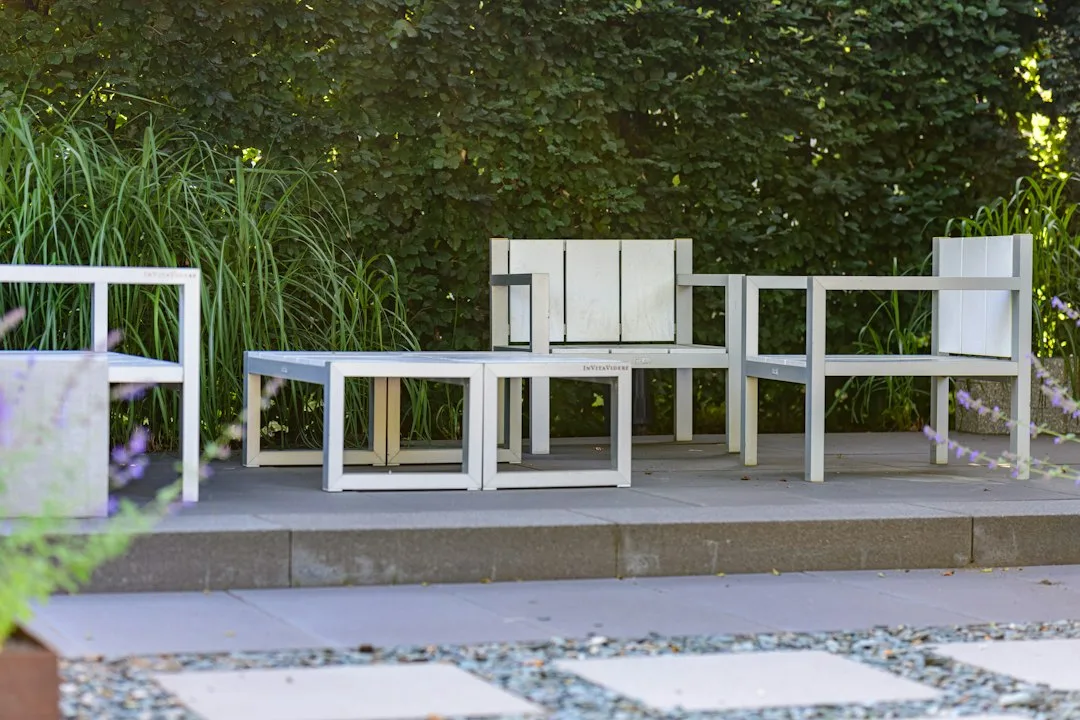
Walk onto almost any designer patio in 2026 and you’ll notice one thing immediately: outdoor patio planters are no longer tucked in corners. They’re front-and-center anchors, doing the work that used to require expensive hardscaping. The shift matters because planters solve a real problem—they add height, structure, and color without permanent installation, drainage headaches, or contractor costs.
This trend isn’t aesthetic nostalgia. It’s practical geometry. A 36-inch tall planter with ornamental grasses instantly frames a patio’s edge, blocks sight lines to a neighbor’s fence, and creates microclimate zones without building a new wall.
Here’s why outdoor patio planters topped the trending list this October: supply chains for large format ceramics and concrete planters stabilized, prices dropped roughly 15–20% from 2024 peaks, and social platforms exploded with planter-forward patio designs that work at every budget level.
The rise of extra-large container gardening
Frontera Furniture and contemporary landscape designers started specifying 24- to 48-inch diameter planters in 2025. What changed this year is scale acceptance. Five years ago, a 40-inch ceramic planter looked overwhelming on a standard 12×16 patio. Now it reads as intentional.
Large containers do three things smaller ones can’t: they hold soil volume for deeper root systems, they command visual weight in low-furniture patios, and they reduce watering frequency (more soil = slower evaporation). A 36-inch glazed ceramic planter in a warm grey holds enough soil to sustain a Japanese maple or multi-stem birch for an entire season without daily attention.
The practical limit is placement. Most designers recommend no more than three statement-size planters per 200 square feet of patio—otherwise the space reads cluttered rather than intentional.
Quick Tips
- Measure patio width before ordering. A 42-inch planter on a 10-foot-wide patio consumes too much visual real estate.
- Use wheeled planter bases (cast iron or powder-coated steel) for anything over 35 inches. They weigh 80+ pounds full.
- Pair odd numbers: three 30-inch planters beats four. Asymmetry feels designed.
- Layer plants: tall ornamental grass, mid-level shrub, trailing ivy. Monoculture planters read sparse.
Material choices reshape planter durability and cost
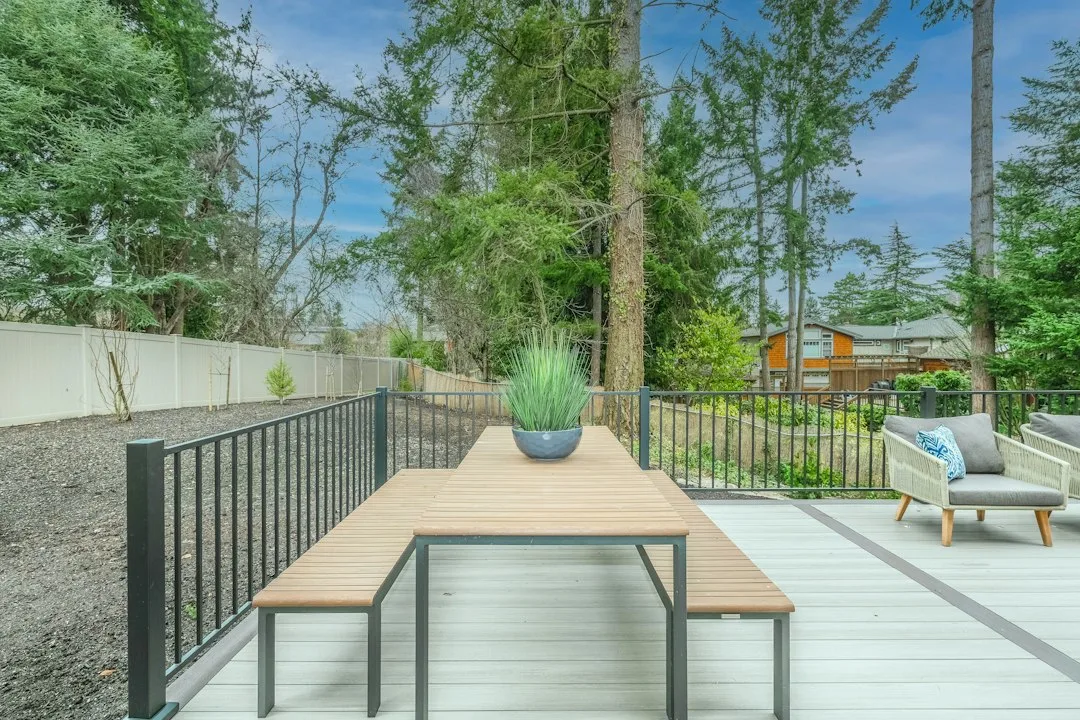
Concrete, terracotta, composite resin, and glazed ceramic each serve different climates and maintenance demands. This year’s breakdown: concrete jumped to 34% of designer specs, composite materials grew 18%, and traditional terracotta settled at 22%.
| Material | Durability in freeze-thaw | Annual maintenance |
|---|---|---|
| Concrete (sealed) | Excellent | Seal every 2–3 years |
| Composite resin | Very good | Minimal (hose down) |
| Glazed ceramic | Good (not unglazed) | Annual inspection for cracks |
| Terracotta (traditional) | Poor in cold climates | Winter storage required |
Concrete planters dominate because they’re affordable to produce at scale, handle freeze-thaw cycles across most US climates, and cost roughly 40–60% less than ceramic equivalents. Campania International and Restoration Hardware both expanded their large-format concrete collections this year specifically for this reason.
Composite resin emerged as the premium play. It weighs 60% less than concrete, drains better due to porous walls, and lasts 15+ years without sealing. The tradeoff: higher upfront cost, but lighter weight means DIY installation.
The mistake most people make: undersizing the planter
Positioning planters for visual balance on hardscape
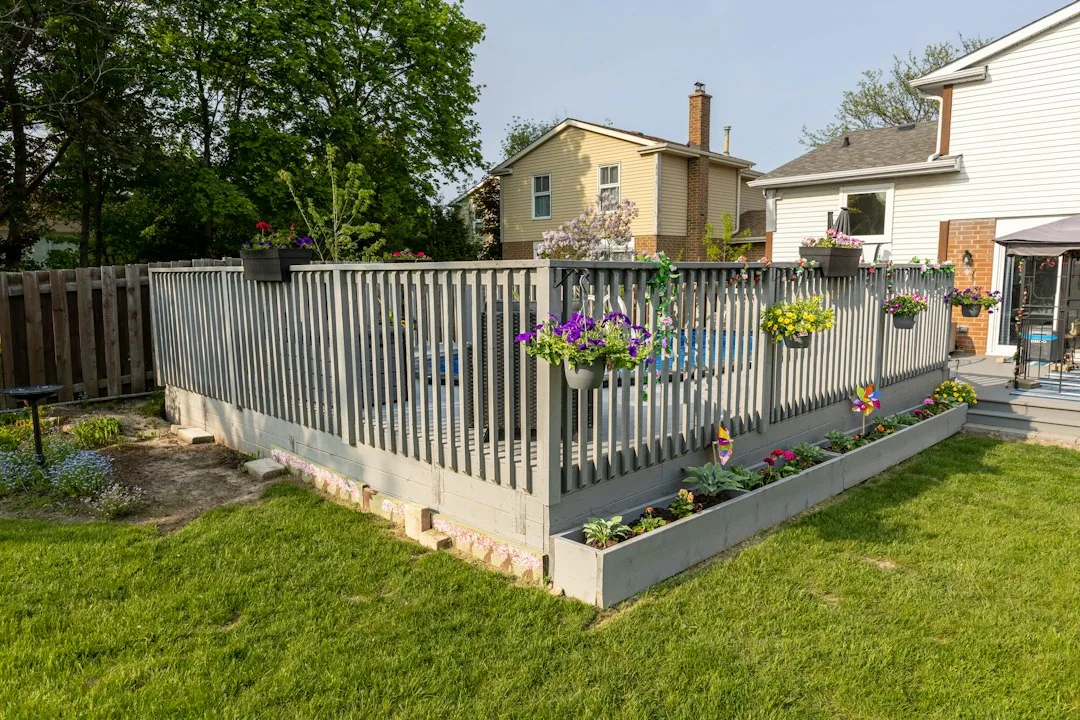
The placement of large planters dictates how the entire patio feels. A single 36-inch planter positioned near the entry creates an anchor point that draws the eye and establishes the outdoor room’s geometry. Pairs flanking a seating area or doorway follow classical symmetry principles that feel intentional rather than random. Odd numbers—three or five planters—work better for informal spaces or Mediterranean-inspired layouts, as they suggest natural planting clusters.
Height variation matters equally. Ground-level planters establish the base layer, waist-high specimens (pedestal or elevated styles) create sightlines that don’t obstruct conversation, and taller structural planters above eye level frame views or soften hard edges of walls and fencing. The Beautiful Single Story House with Patio Yard demonstrates how varied planter heights create visual rhythm across a modest footprint without overwhelming the space.
Drainage systems that prevent root rot and mold
A planter without drainage is a root-rot guarantee. The base needs at least one drainage hole sized for water flow—typically 0.5 to 1 inch in diameter for standard pots. Elevating the planter 1–2 inches off the patio surface with pot feet or shims prevents water pooling underneath and allows air circulation. This small detail prevents mold growth on hardscape and extends the visible lifespan of both the planter and surrounding surfaces.
For large built-in or semi-permanent installations like those shown in this Concrete House Idea With Patio Style Courtyard, interior perforated barriers and gravel layers manage water movement through dense soil. Composite and concrete planters handle moisture differently—composites wick water through porous walls while concrete requires drainage holes. Matching drainage design to material type prevents water damage and keeps plantings healthy across seasons.