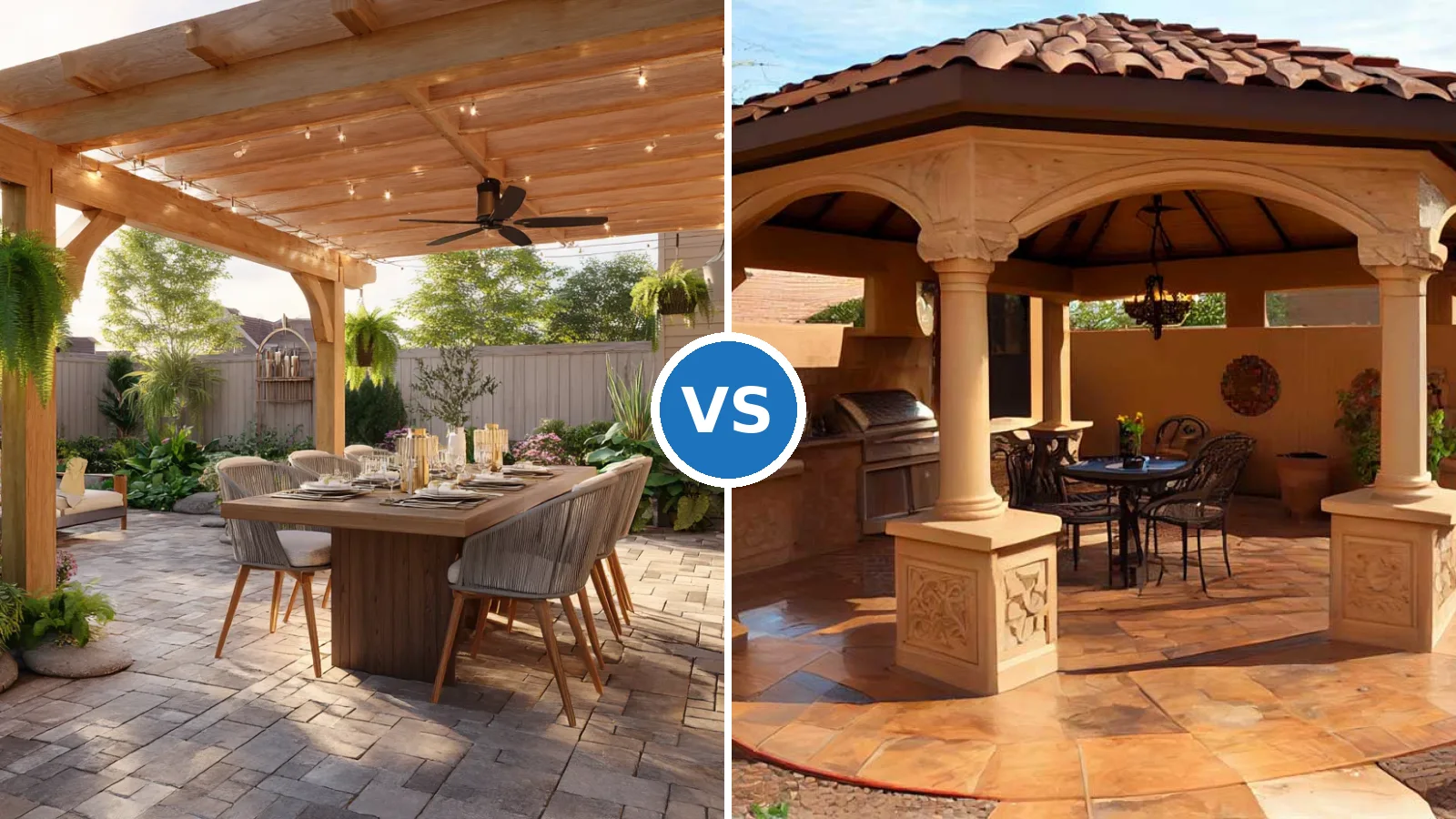
Noise pollution now ranks as the third most common patio complaint behind weather and inadequate seating—yet most homeowners ignore the root cause entirely. Backyard sound barriers are reshaping how people reclaim their outdoor spaces, moving beyond simple fencing into layered acoustic systems that absorb, reflect, and diffuse unwanted noise. This trend exploded in 2026 because suburban yards sit 30-50 feet from streets where traffic, construction, and neighbors create a constant 70-80 decibel hum.
Why dense hedging outperforms solid fencing
A solid vinyl or wooden fence does almost nothing to stop noise—it merely deflects sound upward. Evergreen hedges and bamboo screens, by contrast, absorb sound waves through leaf density and staggered branching.
Laurel hedges planted 8-10 feet tall in a double-row formation reduce noise by 10-15 decibels, matching the performance of expensive acoustic panels. The Landscape Architecture Foundation documented that thick bamboo screens (Bambusa multiplex ‘Golden Goddess’) planted 6 feet apart in offset rows block highway noise measurably better than concrete barriers of the same height. This works because leaves break up sound waves rather than bouncing them.
A single hedge costs $40-80 per running foot installed; a composite acoustic fence runs $120-180 per foot. Hedges also improve air quality and attract pollinators.
Quick Tips
- Plant evergreens 3-4 feet apart in staggered rows for maximum sound absorption
- Add a water feature or ambient music at 50-60 decibels to mask residual noise psychologically
- Combine hedging with a ground-level berm (3-4 foot earthen mound) to block low-frequency traffic rumble
- Choose fast-growing species like Emerald Green Arborvitae (gains 3-4 feet annually) for quicker results
Acoustic panel systems balance function and aesthetics
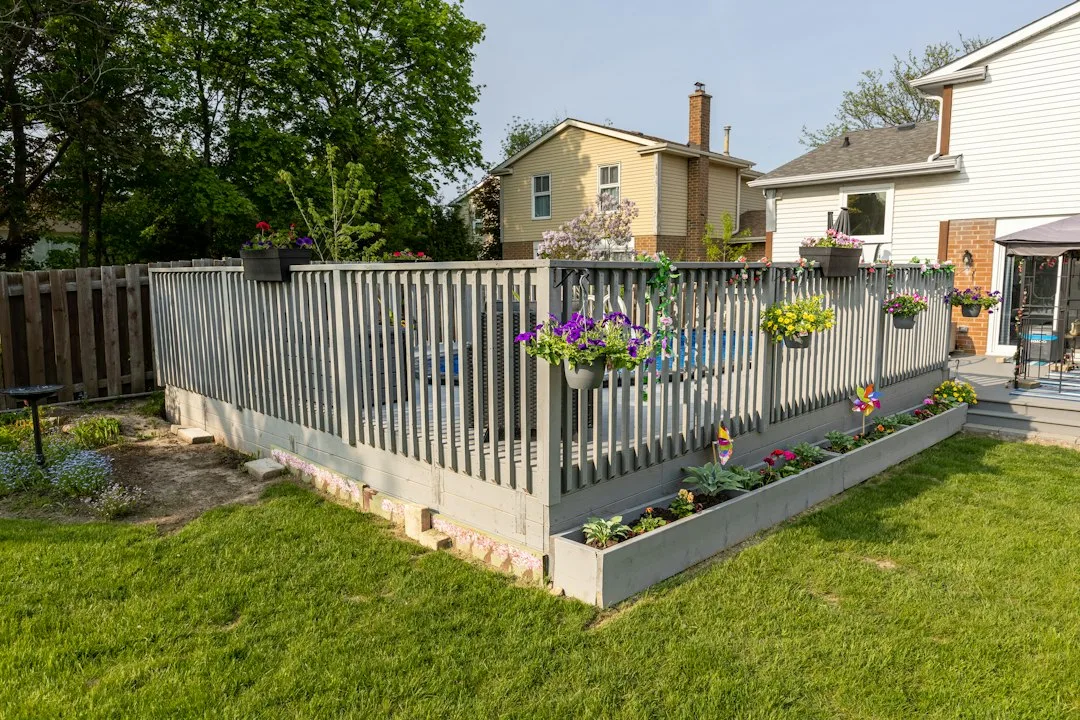
Composite acoustic fence panels—made from recycled plastic and sound-dampening cores—have become the go-to solution for small yards where space for double hedges doesn’t exist. Brands like Acoustifence and ZipperScreen offer modular panel systems that attach to existing posts or stand alone as privacy structures.
These panels reduce noise by 5-8 decibels on their own, but when combined with climbing vines or a living wall of pothos and jasmine, they absorb an additional 3-4 decibels. A 6-foot panel costs roughly $150-250 per section installed; adding plantable trellising adds $40-60 per panel. Concrete House Idea With Patio Style Courtyard demonstrates how integrated acoustic surfaces blend seamlessly with modern material palettes.
The critical advantage over hedges: panels install in days rather than 2-3 years for hedges to mature.
| Sound Barrier Type | Noise Reduction (dB) | Installation Time |
|---|---|---|
| Dense hedge rows (8+ ft) | 10-15 dB | 2-3 years to mature |
| Composite acoustic panels | 5-8 dB | 1-3 days |
| Panels + climbing vines | 8-12 dB | 3-5 days install, 6 months grow |
| Earth berm (3-4 ft) alone | 3-5 dB | 2-4 weeks |
| Hybrid: berm + hedge combo | 12-18 dB | Years + ongoing maintenance |
The biggest mistake: installing barriers on the wrong boundary
Most homeowners build sound barriers on their property line closest to the neighbor—which is backwards. The most effective placement blocks the noise source itself (street, highway, parking lot) at distance, not the neighbor’s side.
A homeowner in Portland installed a 6-foot fence along the east property line because neighbors complained about noise. The actual noise came from a street two properties over to the north, audible only when standing in the patio. After spending $8,000, they heard no reduction.
The fix: a 4-foot berm with 4-foot hedging on the north side reduced noise by 14 decibels in the exact patio zone. Cost half as much, solved the real problem. Always identify the noise vector first using a decibel meter app, then place barriers perpendicular to that direction at maximum distance from the seating area.
Living wall systems elevate sound control with vertical planting
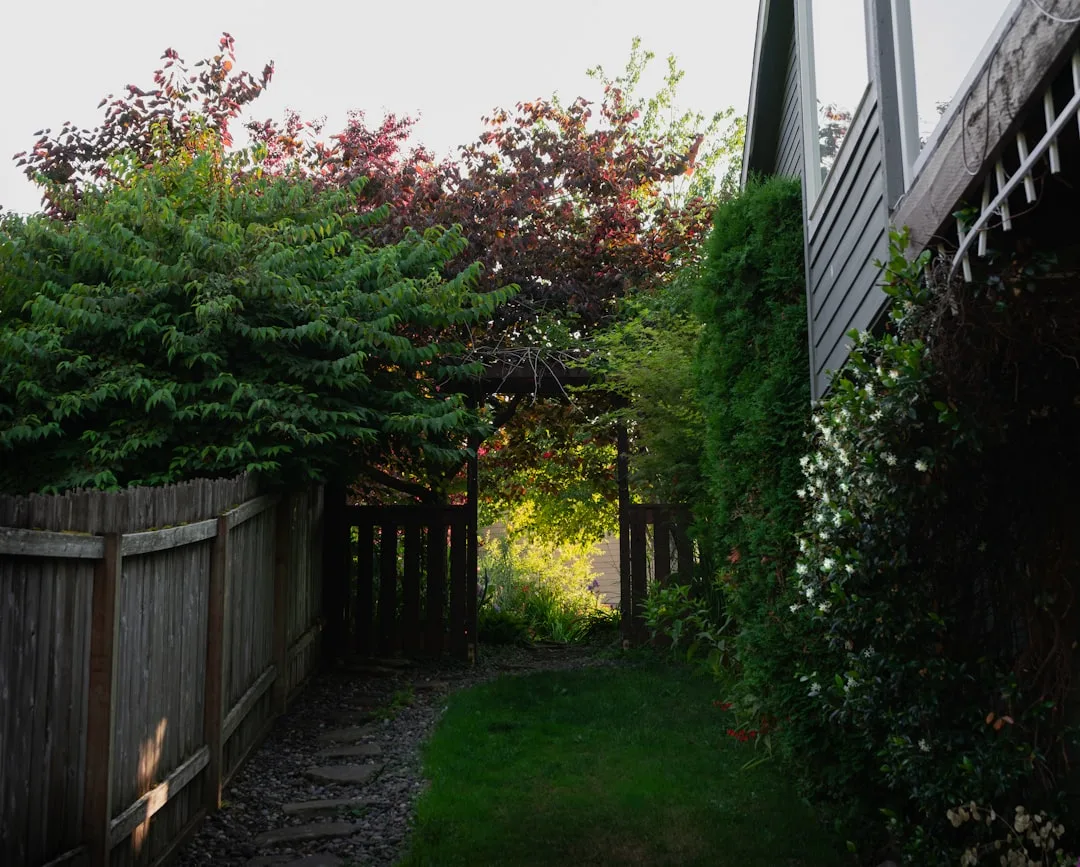
Vertical gardens and modular living wall systems add acoustic absorption while making a visual statement. Brands like Green Wall Growers and Sunbelt Rentals offer felt-backed planter systems that mount to existing fences, capturing water runoff while absorbing mid-to-high frequency noise.
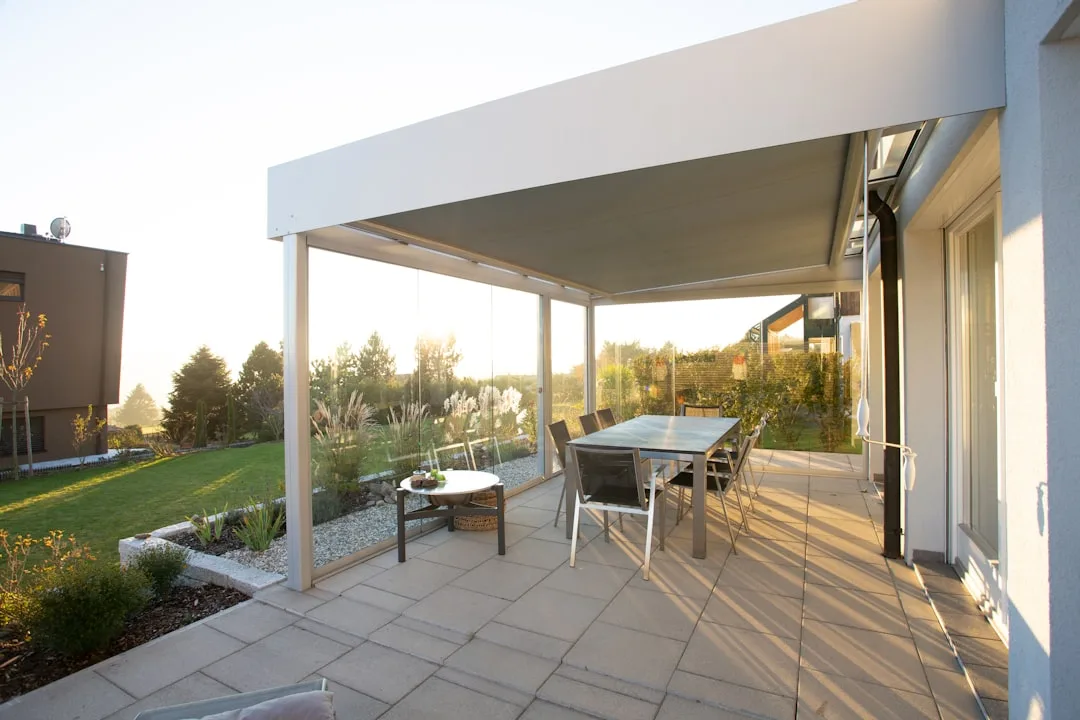
A 4-foot by 8-foot living wall module planted with sedums, pothos, and ornamental grasses reduces noise by 4-6 decibels while adding 15-20 pounds of biomass per square foot. Installation runs $80-120 per square foot including soil, plants, and irrigation. Beautiful Single Story House with Patio Yard showcases how layered vertical elements create acoustic depth.
The psychological benefit matters too—moving vegetation masks low-level hum that rigid barriers leave unchanged, making spaces feel quieter than decibel meters suggest.
Hybrid strategies combine barriers with active sound masking
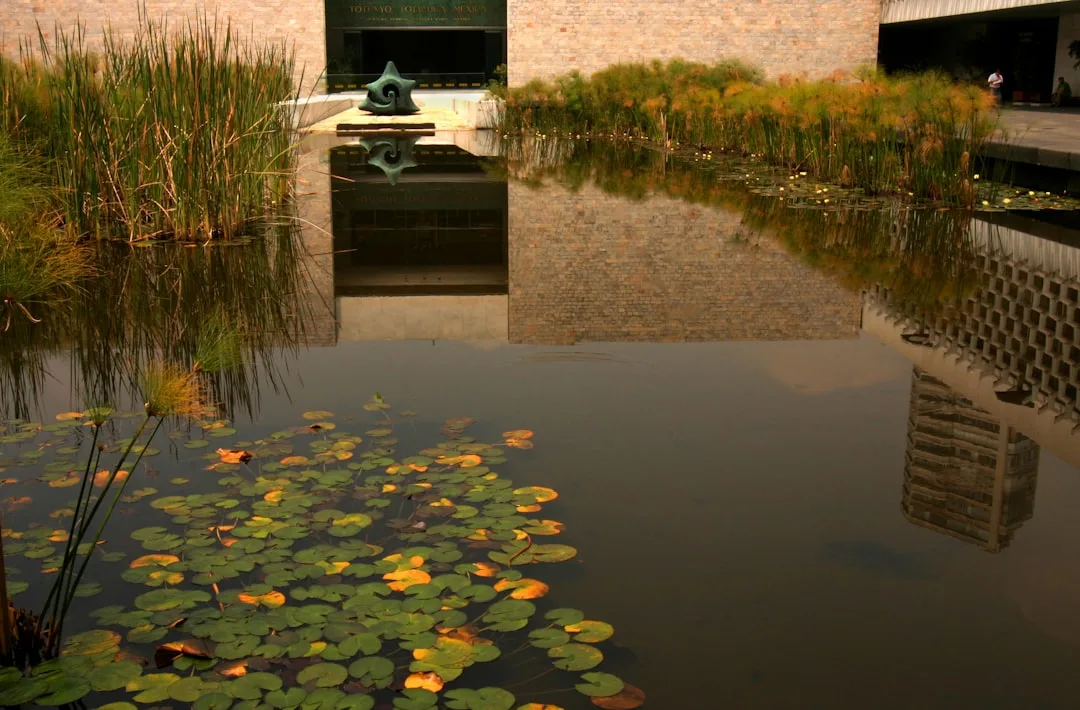
The most effective 2026 installations layer multiple methods: structural barriers (berms, fences), living systems (hedges, vines), and active masking (water features, ambient sound). A 10-foot bamboo screen stops 12 decibels of traffic noise, but adding a small recirculating fountain at 55-60 decibels psychologically masks residual noise completely.
Water features cost $1,500-4,000 installed depending on size. They also reduce perceived stress and increase time spent outdoors by an average of 40 minutes daily, according to landscape research. The investment pays off in actual use rather than just noise reduction.
Suburban yards increasingly demand acoustic solutions as neighborhoods densify. Backyard sound barriers are no longer luxury upgrades—they’re foundational infrastructure for year-round patio enjoyment.