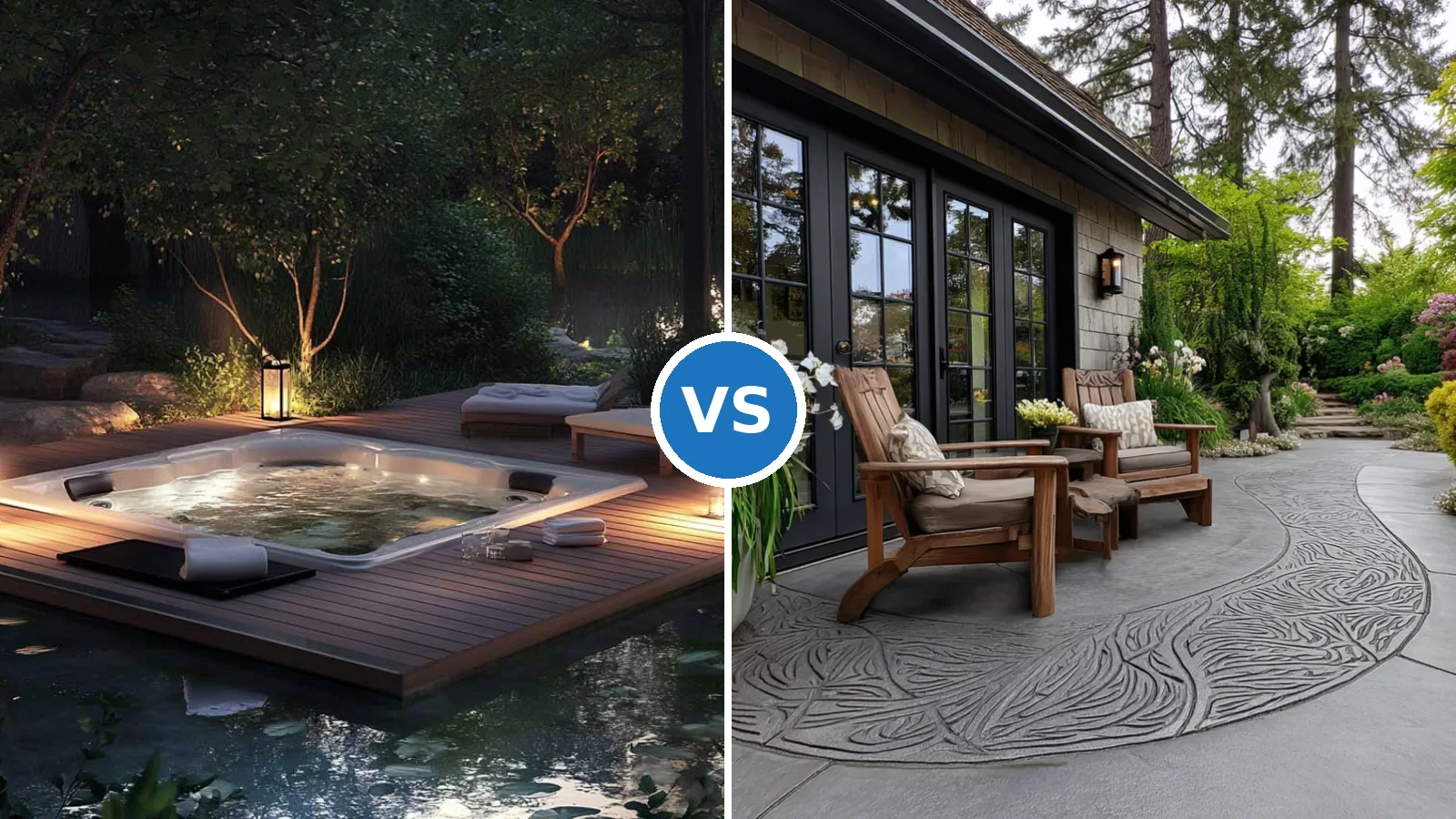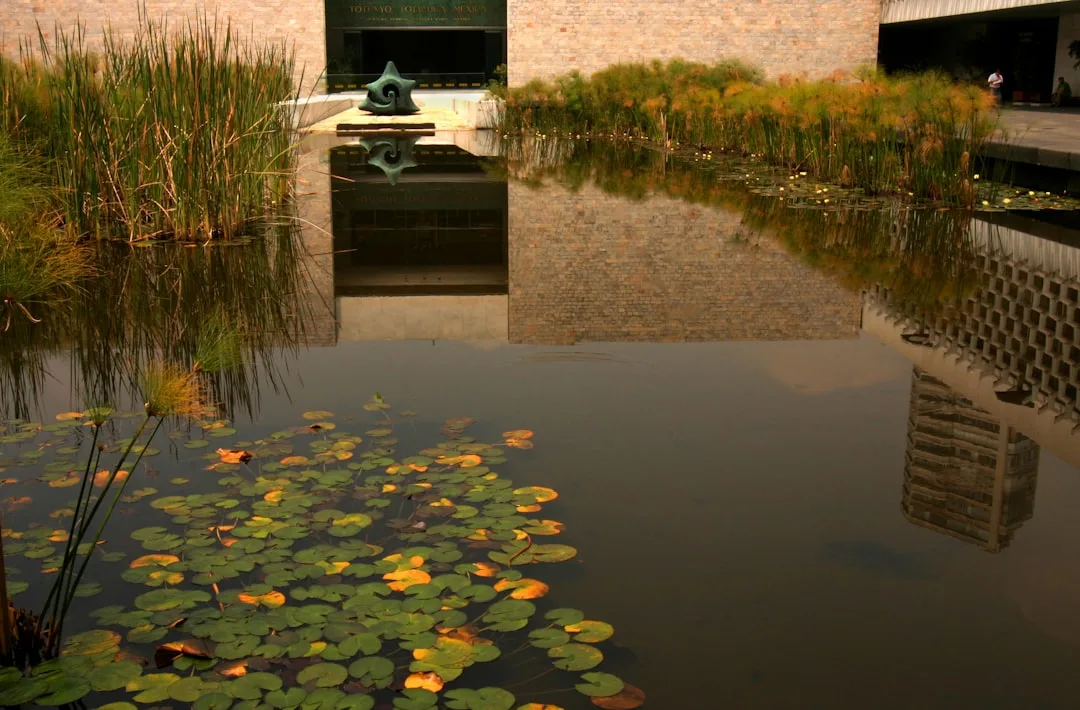
Outdoor patio ponds have moved from novelty luxury to strategic backyard infrastructure in 2026. Homeowners are installing them not for static beauty alone, but for tangible ecosystem function—water cooling, pollinator attraction, and low-maintenance plant integration. The shift reflects a broader design principle: outdoor spaces should work as hard as they look.
Why patio ponds outperform fountains and static basins
A traditional outdoor fountain recirculates the same water endlessly, creating visual interest but little biological benefit. Outdoor patio ponds, by contrast, establish microclimates where water temperature naturally drops by 3-5 degrees Fahrenheit compared to air temperature—measurable comfort gain during peak heat.
Aquascape, the largest water gardening supplier in North America, documented that pond owners report 40% less patio ambient heat stress compared to yards with only hardscape. Moving water oxygenates, preventing the stagnation that ruins traditional basins.
This is why the best outdoor patio ponds function as complete ecosystems. Dragonflies, bees, and beneficial water insects colonize them within weeks, reducing mosquito populations naturally without chemical spray.
Quick Tips
- Start small: 4×6 feet is sufficient for beginner patio ecosystems
- Position on the patio’s eastern edge to catch morning sun without overheating afternoon water
- Add a bog shelf (shallow ledge around 12 inches deep) to separate marginal plants from deep-water species
- Use a small submersible pump rated for 24-hour operation—reliability costs $60-120 one-time, not monthly
- Stock native aquatic plants before fish to establish oxygen balance over 2-3 weeks
Integrating outdoor patio ponds with modern hardscape
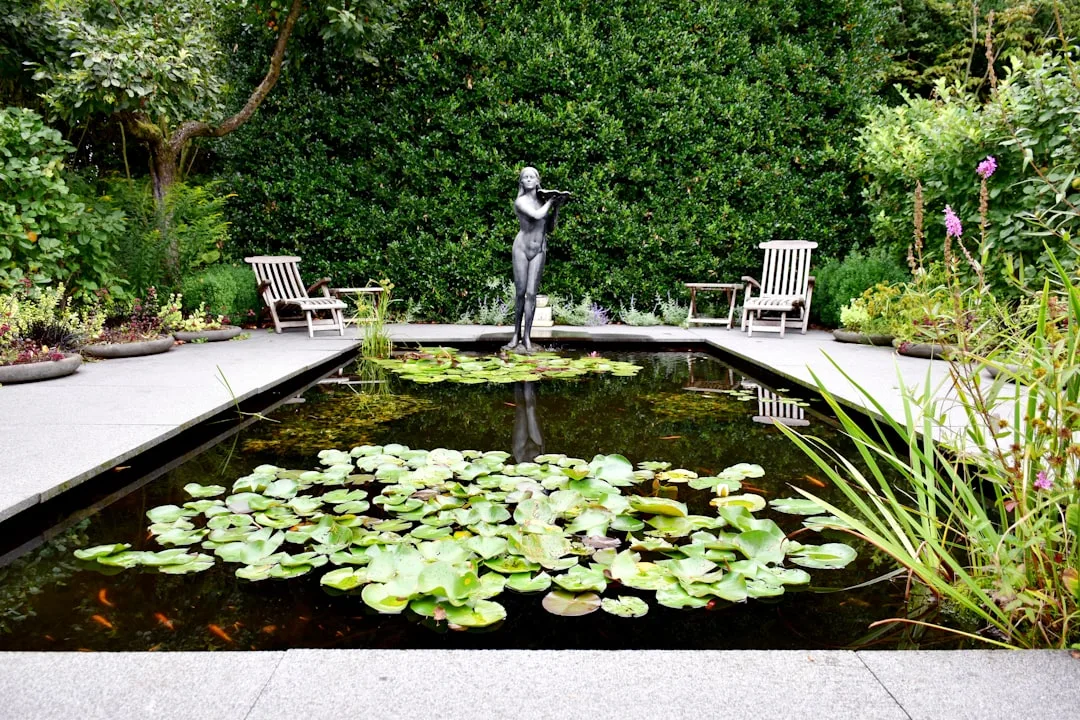
The most cohesive 2026 designs embed ponds directly into patio edging rather than treating them as separate features. Pondless basin systems, popularized by brands like Oase (which manufactures integrated circulation systems for residential ponds), allow raised pond walls to function as bench seating.
Concrete contractor Jason Wheeler of Portland, Oregon documented a case where a 5×8 foot preformed pond basin, sunk 2 feet below grade and surrounded by stamped concrete, created a visual anchor that made a 1,200-square-foot patio feel intentional rather than sprawling. The pond reflected overhead lighting at dusk, effectively enlarging the perceived space.
Material choice matters more than most assume. Rubber liners (EPDM, typically 45 mil thickness) remain flexible in freeze-thaw cycles where rigid concrete ponds develop hairline cracks. A concrete house with patio-style courtyard may feature a hybrid: decorative concrete border with a flexible-lined basin interior.
| Pond Type | Setup Cost Range | Maintenance Intensity |
|---|---|---|
| Preformed rigid (fiberglass) | $600–1,200 | Low; limited depth |
| Flexible rubber liner | $1,000–2,500 | Moderate; customizable depth |
| Pondless recirculating basin | $800–1,800 | Low; no standing water risk |
| Concrete shell (custom) | $2,000–5,000 | High; sealant reapplication |
The biggest mistake: inadequate oxygenation and algae bloom
The most common outdoor patio pond failure occurs when homeowners install a basin, add plants and water, then stop. Within 2-3 weeks, algae blooms turn clear water opaque green—a sign the ecosystem lacks sufficient oxygen-producing circulation or competing plant mass.
One Cincinnati homeowner spent $1,500 on a 6×8 custom pond with no pump or aeration. By July, accumulated sludge and algae forced a complete drain and refill costing an additional $400 in water and disposal. A $150 submersible circulation pump, installed from the start, would have prevented this entirely.
The fix: always pair water volume with active circulation. A general rule is that pond water should turn over (complete circulation) once every 2 hours. For a 500-gallon patio pond, that requires a pump rated 250 gallons per hour minimum.
Native aquatic plants that anchor outdoor patio pond design
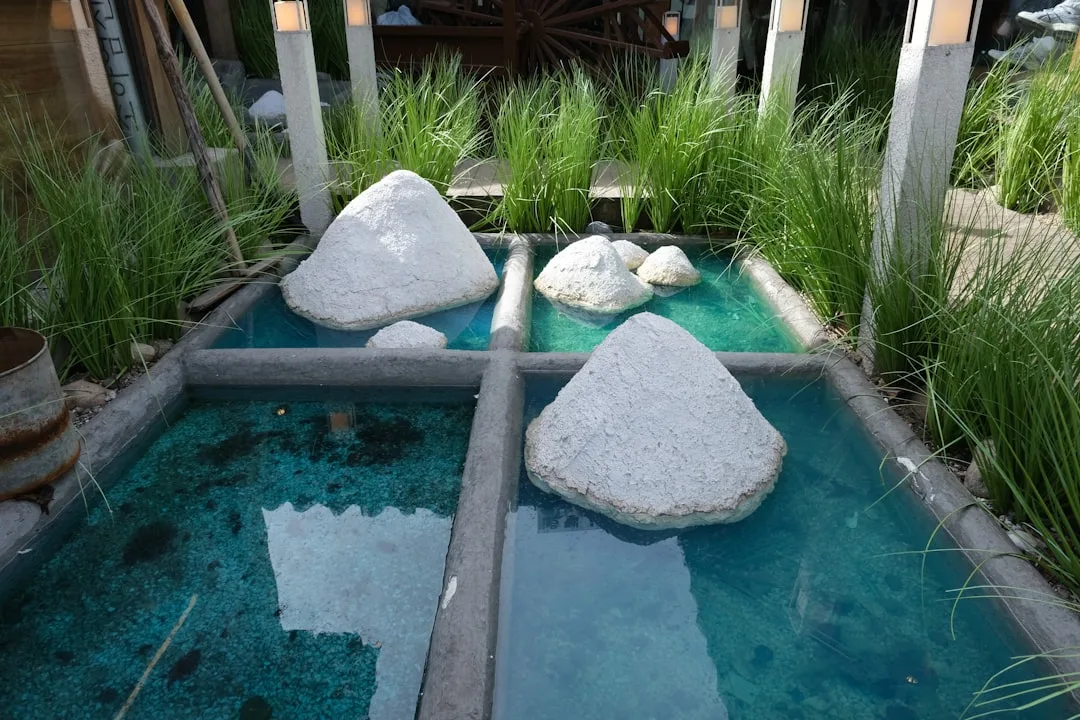
Water lilies dominate older pond aesthetics, but 2026 design leans toward native marginal plants that create height variation and habitat complexity. Pickerelrush, native sedges, and soft rush establish layered plant communities that oxygen-generating submerged oxygenators alone cannot achieve.
The North Carolina Botanical Garden’s water plant collection shows that native species like Pontederia cordata (pickerelrush) require zero fertilizer, handle seasonal dormancy without dying back completely, and produce purple flower spikes that attract native bees. They’re taller than lilies—typically 18-30 inches—creating visual privacy from adjacent patios.
A beautiful single-story house with patio yard gains measurable design weight when the pond’s perimeter features staggered plant heights: submersed (underwater oxygenators), marginal (bog shelf at 6-12 inches), and emergent (18+ inches of architectural foliage).
Year-round filtration and seasonal pond maintenance
Unlike summer-only decorative fountains, outdoor patio ponds demand year-round filtration to prevent debris accumulation and maintain water clarity. Mechanical filters (foam cartridge or bead-based) trap sediment; biological filters (media chambers colonized by beneficial bacteria) convert ammonia from decomposing leaves into less toxic compounds.
Aqua-Tech and Pondscape both manufacture compact filtration units sized for residential patios (typically 200-500 gallons) that integrate into the circulation system. Initial setup involves connecting intake and return lines once; after that, only seasonal cleaning of filter media matters.
In climates with hard freezes, drain lines before November or use deicer units to prevent ice dam formation that stresses pump equipment. A small 75-100 watt pond deicer runs for 3-4 months and costs roughly $30-50 in seasonal electricity—negligible compared to pump repair after freeze damage.
The payoff compounds: a properly maintained patio pond becomes a permanent design asset that strengthens over time as aquatic plants mature and wildlife populations establish. Resale value increases measurably when buyers perceive an outdoor space as a finished ecosystem rather than bare hardscape.