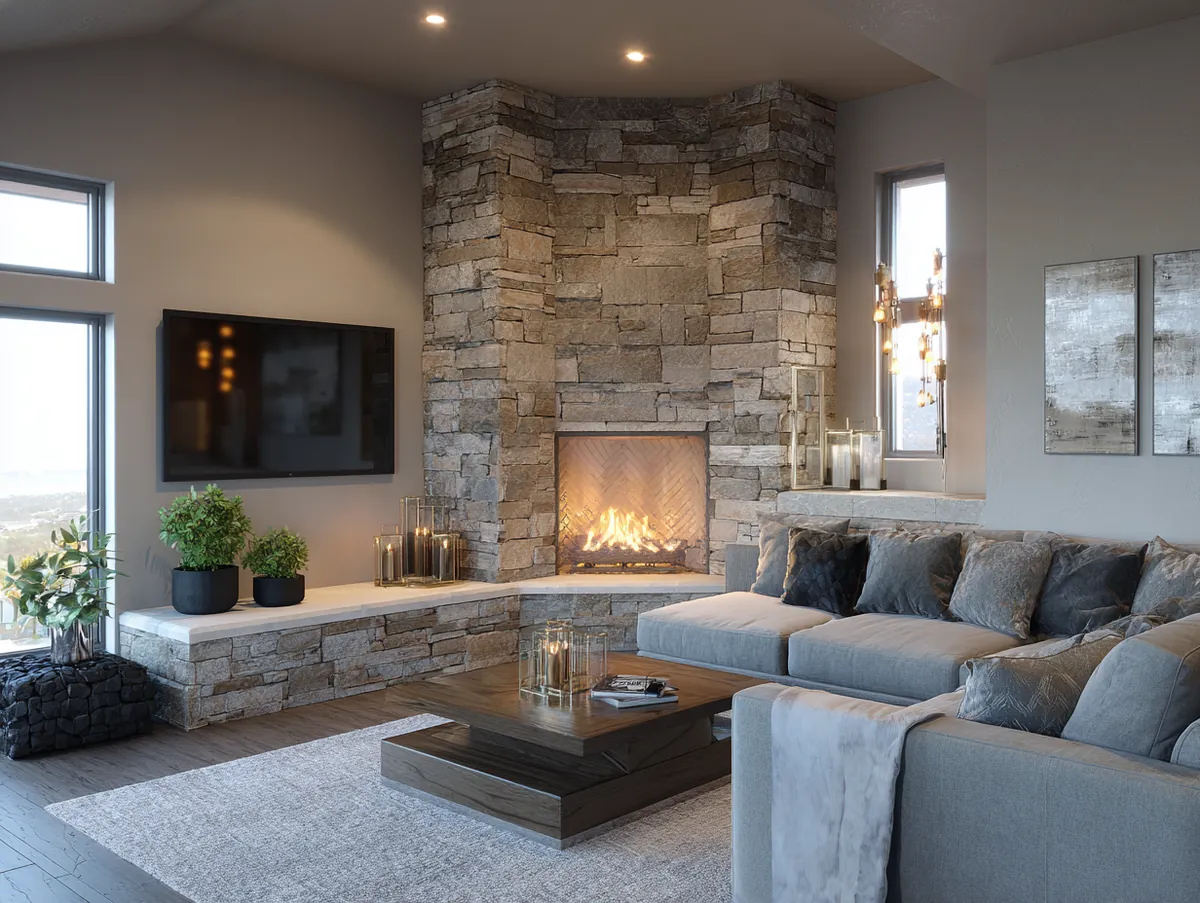
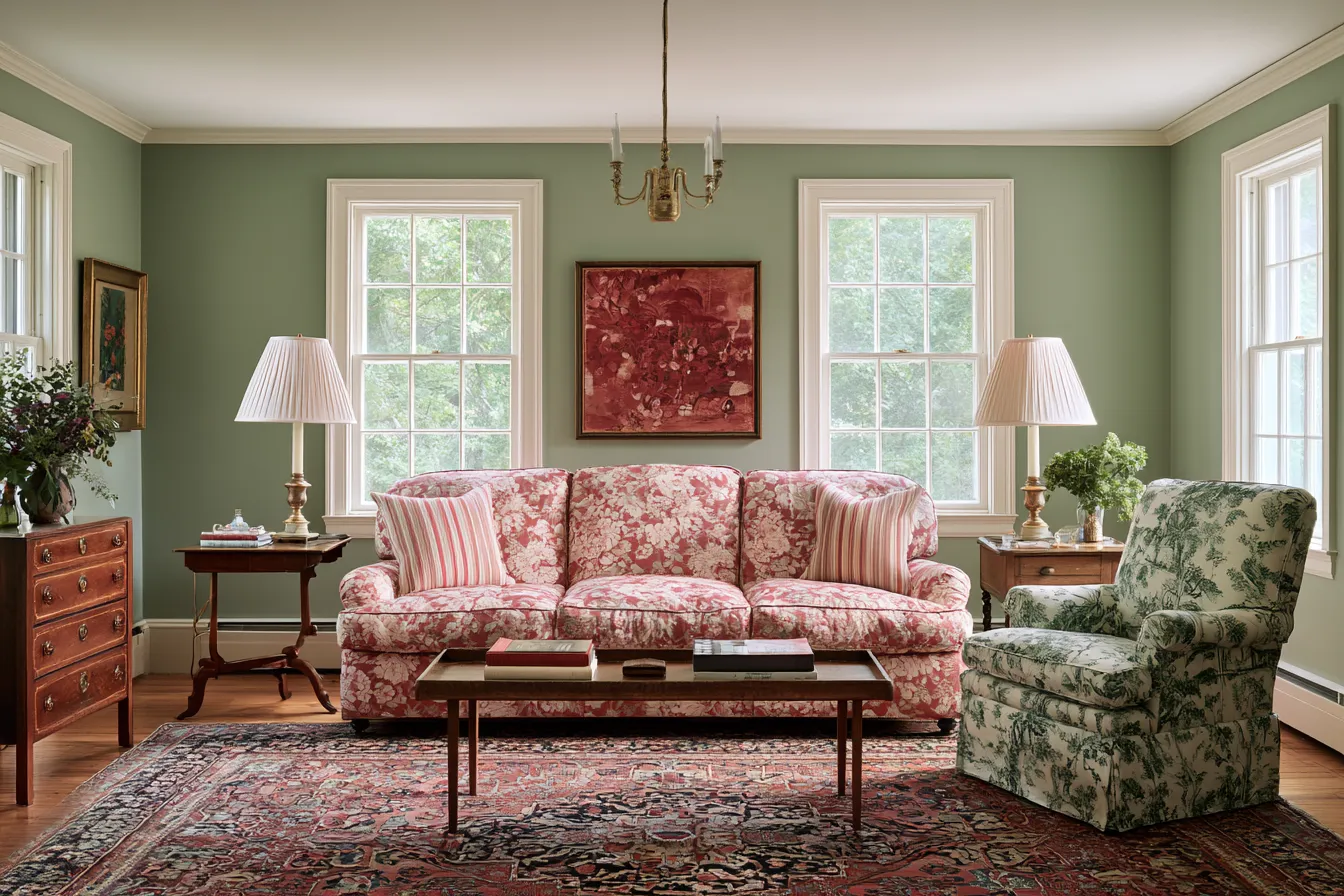
Walk into most living rooms today and the fireplace sits trapped behind a mantel. Stand still for five minutes in a design-forward home, and you’ll realize the fireplace has consumed the entire wall—floor to ceiling, corner to corner, no shelf in sight. Living room fireplace feature walls are no longer a luxury design choice; they’ve become the primary architectural anchor replacing dated mantelpiece styling. This shift happens because a full-wall fireplace treatment absorbs the visual weight that flat paint used to carry alone.
Full-Wall Fireplace Design Reframes Room Hierarchy
The fireplace feature wall trend emerged from a simple observation: traditional mantels compartmentalize a room’s visual language. A ledge breaks the wall, furniture must face it symmetrically, and the eye stops moving. Fireplace feature walls eliminate that static frame by extending material, texture, or color from floor to ceiling. The result transforms the entire room’s proportions, making ceilings feel taller and living spaces feel more intentional.
Design studios like CJH Design and Amber Interiors began pushing floor-to-ceiling fireplace treatments in late 2024, but adoption has accelerated dramatically through mid-2026. The trend works because it absorbs the psychology of color drenching (already proven effective) while anchoring the room’s spatial logic. Fireplace walls are no longer secondary elements—they’re now primary architectural statements that dictate every furniture placement and color choice downstream.
- Extend fireplace material 12–18 inches beyond the actual opening on both sides for visual weight
- Choose texture (stone, plaster, or tile) over paint—flat walls look incomplete beside a fireplace
- Run material to ceiling height, even if fireplace opening stops at 5 feet
- Avoid symmetrical furniture placement; let the wall do the centering work
Material Choices Define Fireplace Wall Impact and Cost
The most popular fireplace feature wall materials in June 2026 divide into three price tiers, each delivering distinct visual outcomes. Stacked stone remains the most expensive option—averaging $8,000–$18,000 installed for a 12-by-14-foot wall. Cultured stone (manufactured stacked stone) cuts that cost by 40–50%, landing around $4,500–$9,000 for the same wall, and it performs identically in photos while requiring no grout maintenance that real stone demands.
Handmade tile, sourced from studios like Heath Ceramics or Clayhaus Ceramics, runs $6,000–$12,000 installed (tiles cost $12–$28 per tile before labor). These tiles create depth and shadow variation that smooth tile cannot match, which is why they’ve replaced minimalist subway applications entirely in high-end living rooms. Plaster finishes—rough-luxe textured walls applied by specialists—cost $3,500–$7,000 and look nearly identical to much more expensive stone when painted in warm greens or grays.
Warm wood cladding or shiplap, applied vertically or in mixed patterns, ranges from $2,500–$6,000 installed and integrates beautifully with the log home interior aesthetic while working in contemporary spaces too. The cheaper the material, the more critical the texture becomes—flat surfaces amplify cost-consciousness, while dimensional materials disguise budget constraints through visual richness.
Color and Texture Coordination Determines Success or Failure
The single biggest mistake homeowners make with fireplace feature walls involves material selection without considering existing wall color. Install a cool gray stacked stone behind warm white walls and the contrast creates visual tension rather than harmony. The fireplace wall must either match the room’s undertone temperature (warm stone with warm walls, cool plaster with cool walls) or create deliberate contrast through saturation instead of temperature shift.
Smoky blue-gray plaster has become the dominant color choice in 2026, paired with either brass fireplace surrounds (like those from Schoolhouse Electric, $240–$580 for trim pieces) or matte black metal frames. This combination works because the gray is darker and more textured than surrounding drywall, creating visual separation without jarring color changes. Warm taupe plaster operates identically in rooms with warm wood furnishings, making the trend adaptable to existing décor rather than forcing complete renovations.
Texture depth matters more than color saturation. A smooth plaster wall painted smoky blue will feel flat compared to rough-luxe plaster in the same color, even though the pigment is identical. This is why material cost and finish quality directly affect perceived luxury—thin applications or flat finishes undermine the entire feature wall concept and waste the budget spent on installation labor.
Fireplace Wall Integration With Furniture Layout Changes Room Function
Living rooms with full-wall fireplace features require furniture arrangement that respects the wall’s new visual weight. Traditional symmetrical seating around a mantel no longer works because the wall itself becomes the anchor rather than the opening. In June 2026, the trending approach uses curved sofas positioned perpendicular to the wall, breaking visual symmetry while allowing sightlines toward the fireplace from multiple angles.
Brass or powder-coated steel fireplace surrounds, like models from Fireplace Doors Online ($1,200–$3,500 depending on opening size) or custom fabrication from local metalworkers, integrate seamlessly with curved furniture because the metal frame creates its own design boundary. The fireplace opening remains functional, but its visual presence diminishes relative to the wall treatment surrounding it. This shift allows larger, more textured walls to carry the room’s design narrative rather than the fire itself.
Floating shelving or built-in cabinetry flanking the fireplace has largely disappeared in 2026, replaced by completely uninterrupted wall material. This emptiness feels intentional rather than sparse because the texture and color absorb visual attention. The absence of shelves also eliminates dust accumulation on décor, aligning with the quiet luxury and minimalist living preferences documented throughout the year.
Professional Installation Prevents Material Waste and Design Collapse
Attempting DIY tile or stone installation on fireplace walls results in misaligned grout lines, uneven material edges around the opening, and visible installation flaws that undermine the entire design investment. Professional masons, tile setters, or plaster specialists cost $60–$120 per hour labor, typically adding 40–60 hours to a full-wall project. This labor cost ($2,400–$7,200) often exceeds material cost for plaster or cladding installations, but hiring qualified installers prevents costly material waste and ensures proper fireplace safety compliance.
Moisture management behind fireplace walls requires vapor barriers and proper ventilation planning—mistakes here cause mold or material deterioration within 18–24 months. Stone and tile naturally resist moisture, while plaster and wood cladding require expert waterproofing. The cheapest fireplace feature wall becomes expensive when moisture damage forces replacement of both material and structural framing.
Pair fireplace feature walls with the Japandi bedroom design philosophy of intentional material choices and minimal ornamentation for maximum impact. This alignment ensures the fireplace wall functions as part of cohesive home design rather than an isolated trend piece that dates visibly within two years.
Complete guide
Furniture Decor Ideas for Every Room in Your Home
Living room, bedroom, dining, kitchen, outdoor — all in one place
Complete guide
The Living Room Design Ideas Vault Every Home Needs Right Now
Color, walls, furniture, layouts, styles, smart tech — 300+ ideas in one place
Complete guide
Stone in Architecture and Design — From Floors to Facades
Cladding, flooring, interiors, kitchens, bathrooms, outdoor — all in one place