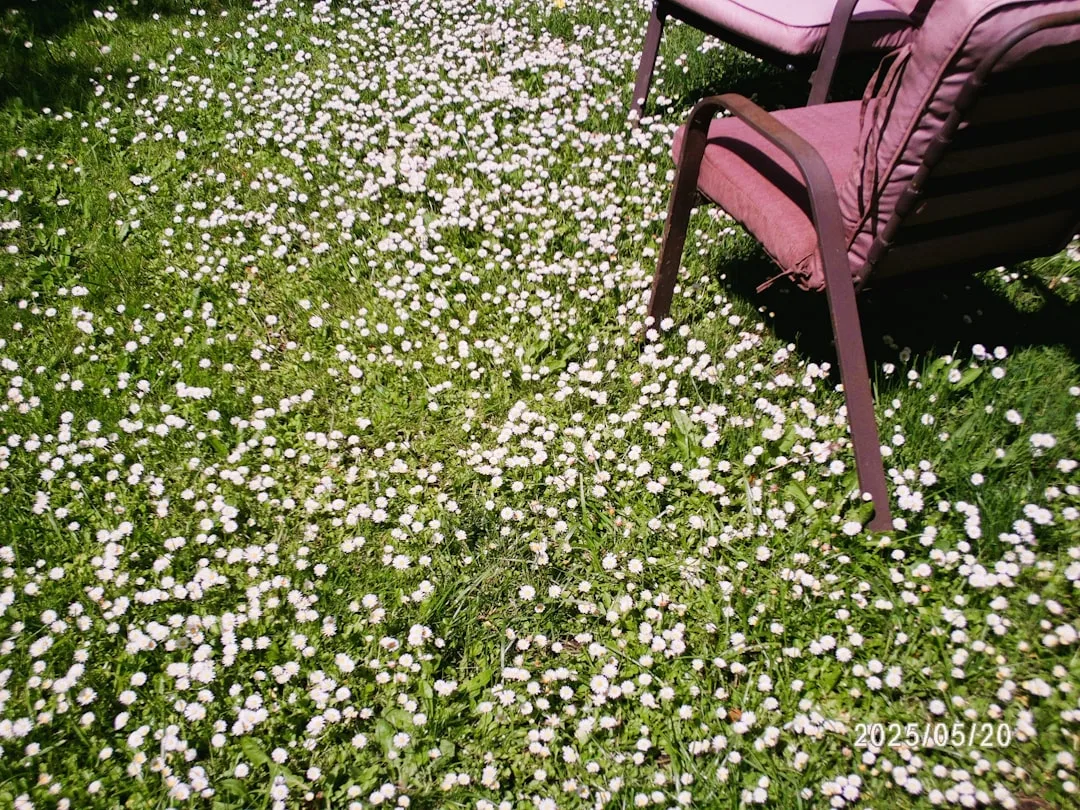
Homeowners are ripping out turf. Not because lawns are disappearing—but because patios no longer need them. Ground cover plants have moved from garden borders into the patio center, replacing expensive hardscaping with living texture that costs less to maintain, handles foot traffic, and actually improves soil over time. This shift happened quietly through 2024 and 2025, but by mid-2026, it’s become the fastest-growing alternative to conventional patios in coastal and arid regions where water scarcity drove initial adoption. Now it’s spreading to temperate zones purely for aesthetics and functionality.
Why Ground Cover Plants Outperform Conventional Patio Materials
Concrete costs $6–$12 per square foot installed; pavers run $10–$25 per square foot. Ground cover plants cost $1–$3 per plant and cover 1–2 square feet each, meaning a 200-square-foot patio runs $100–$600 in plant material versus $1,200–$5,000 in hardscape. That’s a 70–80% cost reduction upfront, and plants appreciate in density and visual value over years, whereas concrete cracks and pavers settle.
More importantly: ground covers eliminate the glare and heat retention of stone or concrete. A patio with thyme or sedum stays 15–20°F cooler on hot days than a sun-exposed concrete deck. Plants also filter stormwater runoff instead of channeling it directly into gutters and storm drains, a feature that’s increasingly valued by municipalities offering stormwater tax credits in states like California and Colorado.
The failure mode here is over-planting without understanding traffic load. Creeping thyme thrives under light foot traffic but fails under constant passage—it compacts and gaps appear within months. Sedums are more durable but require full sun; plant them under shade and they’ll etiolate and collapse. Always audit your patio’s use pattern before selecting species.
- Start with high-traffic zones around seating areas using sedums or creeping phlox—they handle foot traffic without thinning.
- Use landscape fabric or newspaper under plants to suppress weeds during establishment (first 8–12 weeks).
- Space plants 6–12 inches apart depending on mature spread; closer spacing fills faster but costs more initially.
- Water deeply once weekly for the first month, then reduce frequency as roots establish.
- Mulch between plants with pea gravel or sand to define zones and reduce watering needs by 30%.
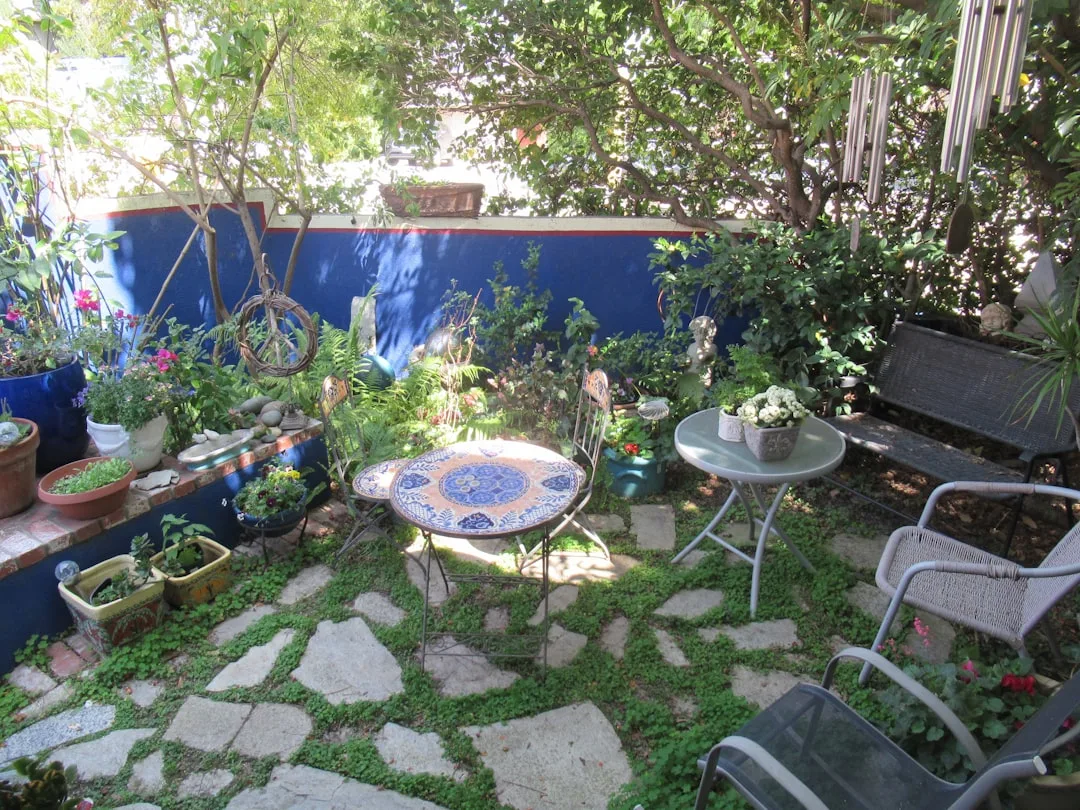
Which Ground Cover Species Dominate 2026 Design
Creeping thyme (Thymus praecox) leads in temperate climates. Brands like Bonnie Plants ($4.99–$7.99 per 4-inch pot) supply major retailers, and cultivars like ‘Elfin’ or ‘Coccineus’ (red-flowering) now appear in Instagram patio features 3× more often than they did in 2023. A 200-square-foot patio requires 600–900 plants at 6-inch spacing; cost runs $3,000–$7,000 at retail, but wholesale nursery purchases drop this to $1,500–$2,500 for serious projects.
Sedums (Sedum album, S. spurium, S. sexangulare) rank second. Their waxy leaves and succulent structure mean they tolerate drought periods of 3–4 weeks without visible decline, critical in water-restricted regions. Costa Farms and Proven Winners now offer mixed groundcover collections specifically branded for patio use, priced $15–$25 per 6-plant pack. A 200-square-foot patio uses 3–4 packs at closer spacing (4–6 inches), totaling $45–$100 in plant material.
Creeping phlox (Phlox subulata) works best in cooler climates and part-shade settings. It flowers densely in spring (April–May in most zones), adding seasonal color that hardscaping can’t replicate. Native cultivars like ‘Tamaongalii’ resist powdery mildew better than older hybrids, reducing fungicide needs by 60% over a growing season.
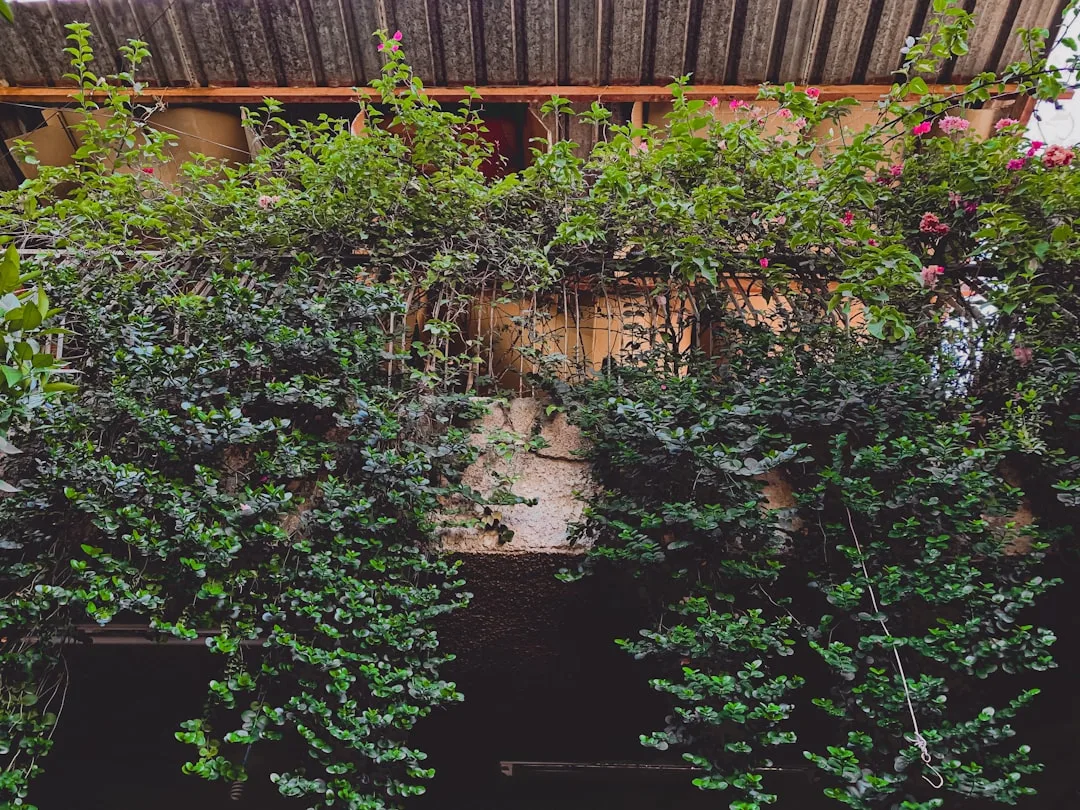
Installation and Spacing for Patio Success
The 2026 standard is 6–8 inch spacing for high-traffic zones and 4–6 inches for lower-use borders. Tighter spacing fills within 8–12 weeks; looser spacing requires 4–6 months to achieve visual cohesion but cuts initial plant costs by 40%. Most landscape firms charge $800–$1,500 labor to prepare, plant, and mulch a 200-square-foot ground cover patio; DIY installation saves this entirely but demands 2–3 weekends and a commitment to consistent watering during establishment.
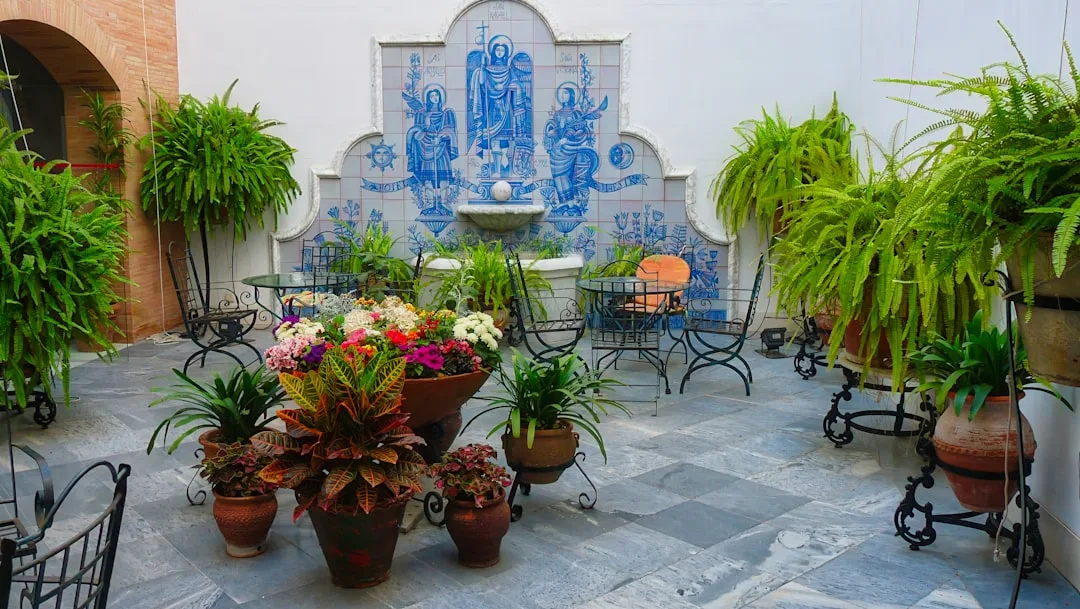
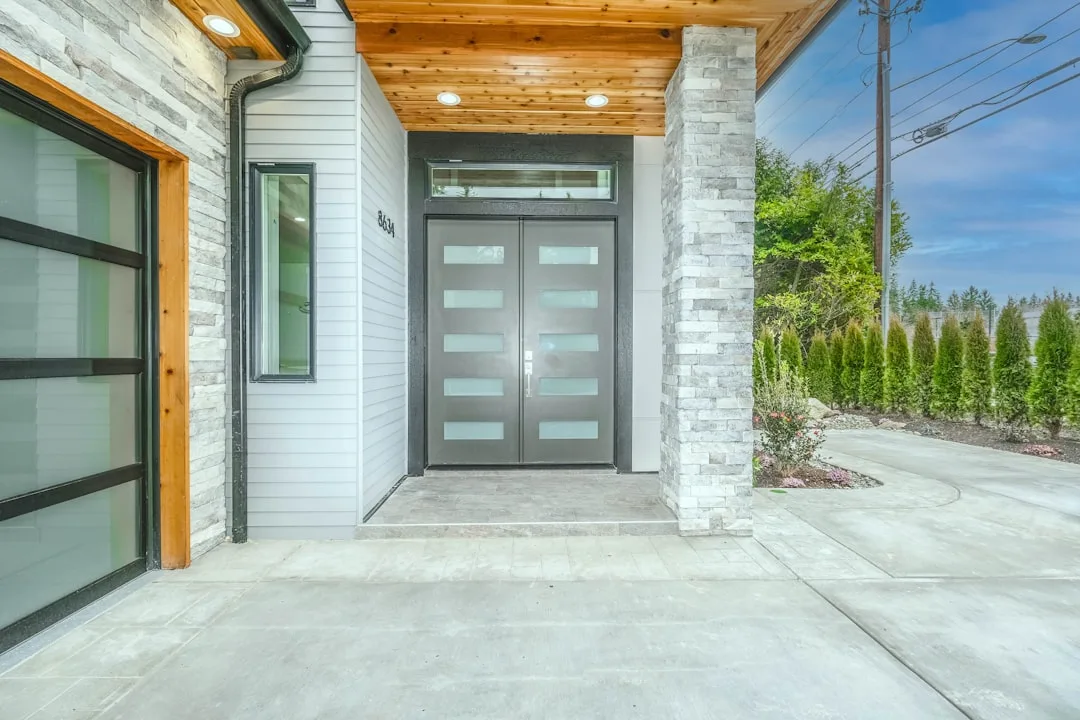
Soil preparation is non-negotiable. Ground covers perform in zones 4–10 soils that drain within 24 hours of rain. If your patio sits in clay or compacted soil, amend with 2–3 inches of compost or aged bark before planting. This adds $150–$300 in material but prevents replanting losses that cost 2–3× more to remedy. Refer to Concrete House Idea With Patio Style Courtyard for integrated hardscape and planting strategies.
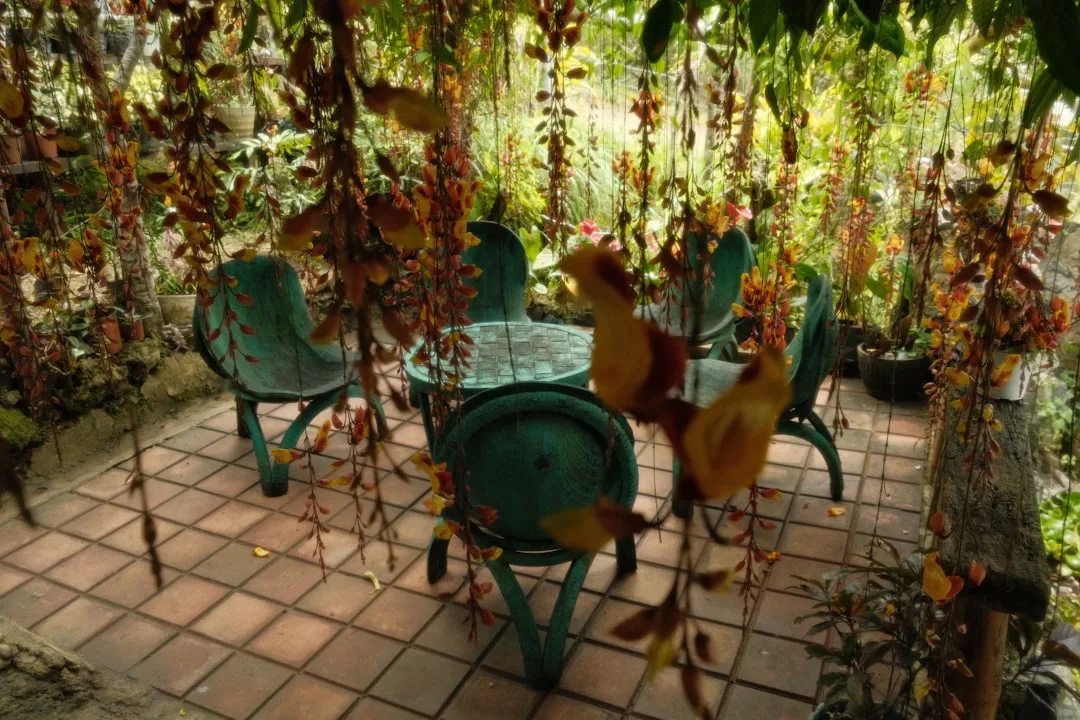
Regional Trends and Climate-Specific Choices
Pacific Northwest designers favor mixed sedum and creeping thyme blends that tolerate 35–50 inches of annual rainfall. California and Southwest practices lean heavily on native groundcovers like California fuchsia (Epilobium canum) or desert marigold (Baileya multiradiata), which require zero supplemental watering after establishment. These natives cost 20–30% less at local nurseries and create aesthetic continuity with surrounding landscape, a principle now driving sustainable patio design in water-conscious markets.
Southeast and Mid-Atlantic regions are discovering creeping phlox and native sedges as dense alternatives to traditional turf. Sedge species like Pennsylvania sedge (Carex pennsylvanica) tolerate partial shade and mowing, creating a hybrid zone between full patio and lawn. This flexibility appeals to homeowners uncertain about committing fully to non-traditional surfaces, and sedge-based patios have grown 45% year-over-year in markets like Nashville and Charlotte.
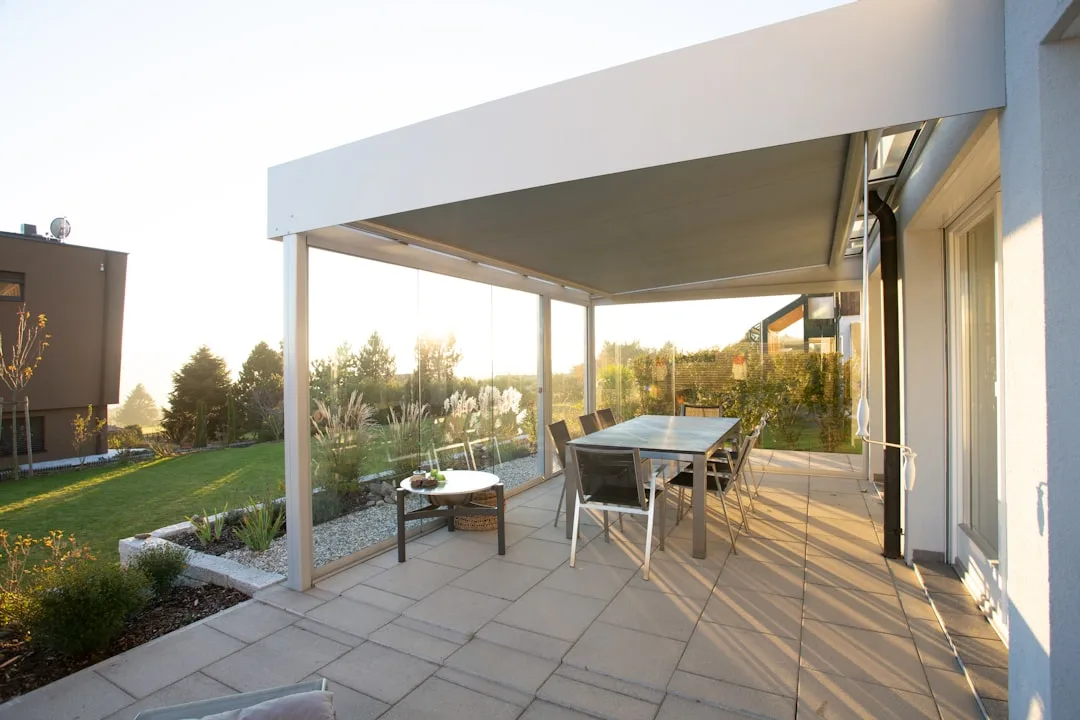
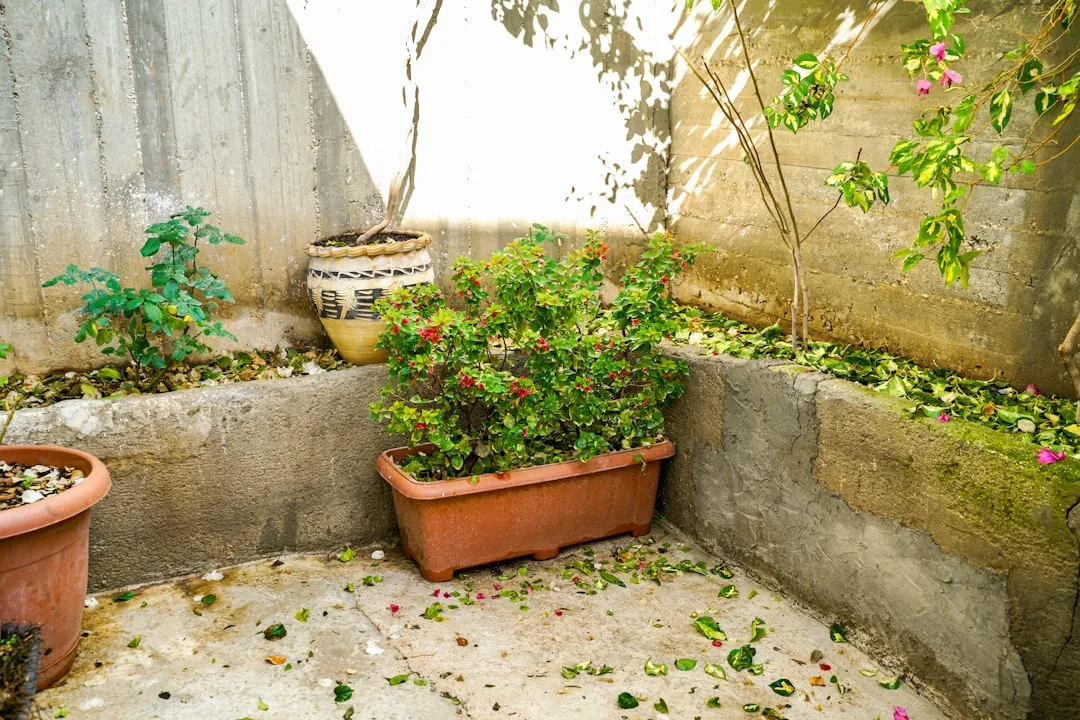
Northeast installations, particularly in Boston and New York City, favor cold-hardy thyme cultivars and groundcovers in containers integrated into hardscaping. This modular approach—mixing 4–6 inch pots of creeping thyme around a Beautiful Single Story House with Patio Yard—allows seasonal swaps and reduces establishment risk on difficult urban soils. Cost runs $200–$400 per 100 square feet, but flexibility justifies the premium for renters and new homeowners testing before permanent investment.
Maintenance Reality and Long-Term Economics
Ground cover patios require 1–2 hours monthly maintenance versus 0.5 hours for hardscape patios. Deadheading (removing spent flowers), trimming edges, and occasional weeding are the main tasks. Over a 10-year lifespan, this totals 120–240 hours—roughly $1,200–$2,400 in labor if outsourced at $10–$15 per hour (local handyperson rates). Hardscape patios, by contrast, require crack repair, resealing, and eventual replacement, which can run $2,000–$6,000 every 15 years, offsetting ground cover labor costs significantly.
Water costs are minimal after year one. Establishment watering (months 1–3) uses 1–1.5 inches weekly, roughly $15–$30 for the season depending on regional water rates. Once established, most ground covers need supplemental watering only during drought periods exceeding 3–4 weeks. Mulching reduces water demand by 30–50%, making a $150 mulch investment recoup itself within one season through lower utility bills.
By June 2026, ground cover patio adoption reflects a 20-year shift in how homeowners value outdoor space: durability and cost matter less than resilience, seasonality, and connection to living systems. Ground covers deliver all three, which is why they’ve moved from the garden’s edge into its center.
Complete guide
The Minimalist Style Guide That Covers Every Room, Surface and Outfit
Interiors, exteriors, kitchens, bedrooms, fashion, hair — all in one place
Complete guide
Exterior Decor Ideas Every Homeowner Should Know
Facade trim, moldings, patio design, garden, hardscape, outdoor living — all in one place
Complete guide
Stone in Architecture and Design — From Floors to Facades
Cladding, flooring, interiors, kitchens, bathrooms, outdoor — all in one place