Ornamental grasses landscape design has moved from accent planting into the center of residential garden strategy. Landscape architects across North America report that ornamental grass installations have doubled year-over-year since 2024, driven by homeowners seeking low-maintenance alternatives to traditional lawn and the visual drama these plants deliver across all seasons.
Why Ornamental Grasses Outperform Traditional Turf
The shift away from conventional monoculture lawn reflects a hard reality: most homeowners spend $250–$400 annually on turf maintenance through mowing, watering, fertilizer, and weed control. Ornamental grasses eliminate nearly all of that cost after establishment.
A mature ornamental grass planting requires one cutting per year—in late winter—and minimal supplemental water once root systems establish. Varieties like Miscanthus x giganteus, Panicum virgatum (switchgrass), and Festuca glauca (blue fescue) actively thrive in marginal soil conditions and deliver visual interest that turf cannot match.
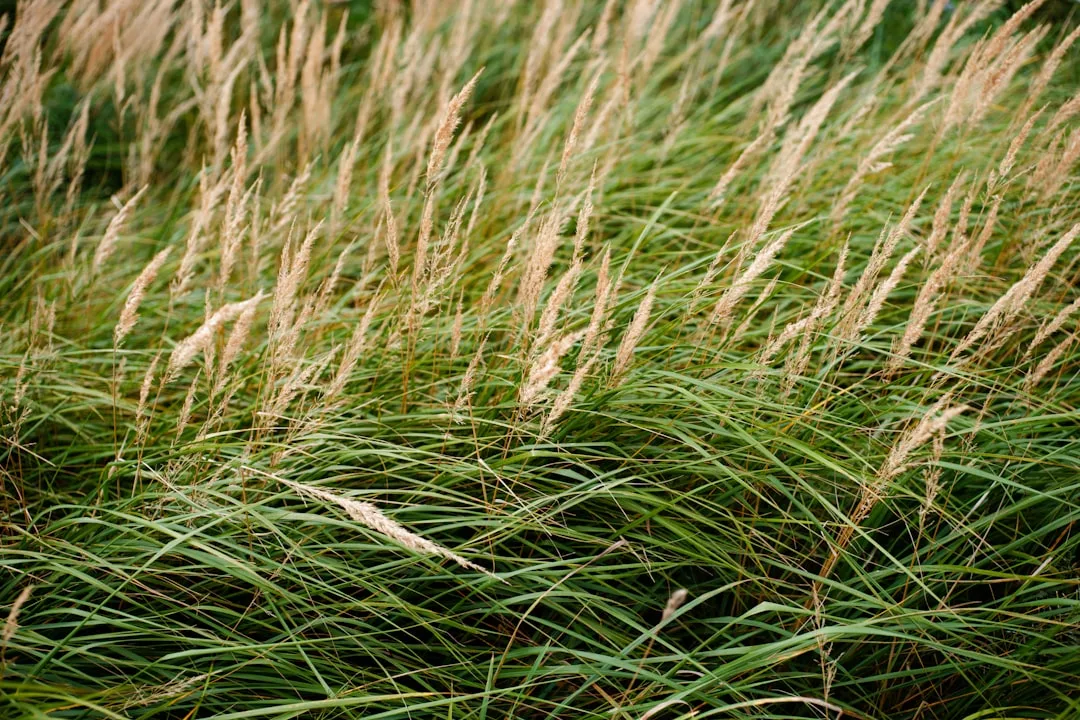
More critically, ornamental grasses provide structural form year-round. Summer foliage creates height and movement; autumn seed heads turn bronze, burgundy, or gold; and winter stems remain upright and sculptural after frost.
Quick Tips
- Plant in autumn or early spring when soil moisture is highest; avoid midsummer planting stress
- Space plants according to mature width (8–36 inches depending on species) to prevent overcrowding
- Cut back dormant foliage in late February or early March before new growth emerges
- Group grasses by water need—xeric varieties (fescue, bouteloua) separate from moisture-tolerant species (miscanthus)
- Use ornamental grasses as focal points at garden corners or as backdrops for perennial borders
Specific Grass Varieties Anchor Modern Landscape Design
Karl Foerster feather reed grass (Calamagrostis acutiflora) has become the de facto standard for vertical accent planting. The variety grows 4–5 feet tall, produces rigid upright stems, and tolerates both clay and sandy soils without amendment.
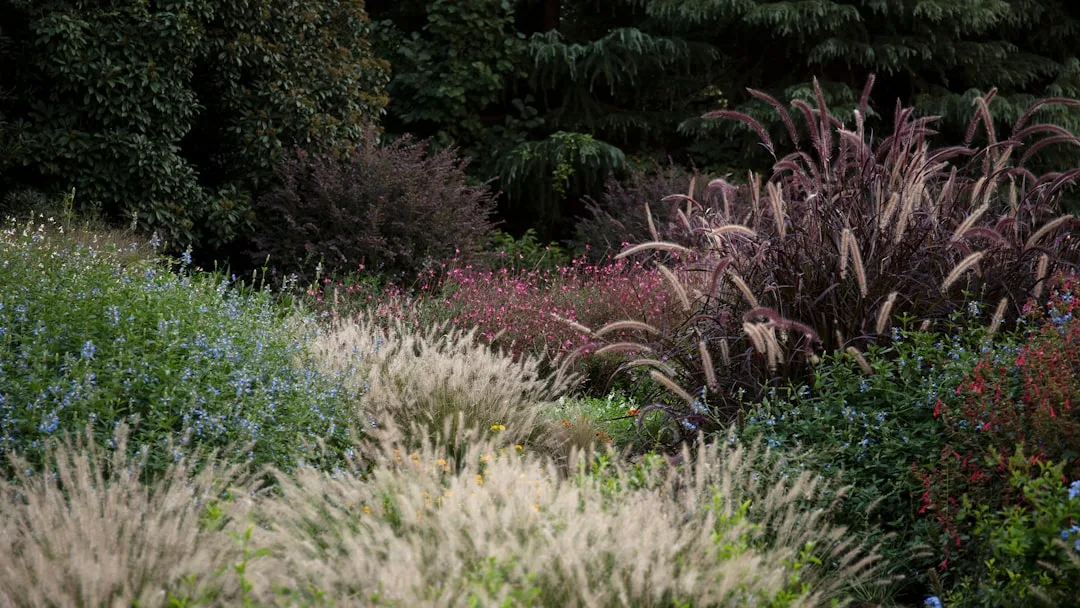
Pennisetum setaceum (fountain grass) delivers softer movement and deep burgundy foliage in warm climates; the 3–4 foot mounding habit works as specimen planting or mass installation. Panicum virgatum ‘Shenandoah’ adds similar texture with native hardiness across USDA zones 4–9, making it adaptable to most residential geographies.
For compact spaces, Festuca glauca cultivars like ‘Elijah Blue’ offer dense 12-inch mounds with powdery blue coloring that complements hardscape materials and acts as ground-level transition between specimen trees and paving. Carex oshimensis ‘Evergold’ (Japanese sedge) provides evergreen structure in shade conditions where warm-season grasses struggle.
| Grass Variety | Mature Height | Water Need |
|---|---|---|
| Karl Foerster feather reed | 4–5 feet | Moderate |
| Pennisetum setaceum | 3–4 feet | Low |
| Panicum virgatum ‘Shenandoah’ | 3–5 feet | Low–Moderate |
| Festuca glauca ‘Elijah Blue’ | 12 inches | Low |
The Mistake That Derails Ornamental Grass Plantings
The most common failure occurs when homeowners plant ornamental grasses in existing turf lawn without removing the sod layer underneath. The established grass roots compete aggressively for moisture and nutrients; the new grass plants struggle, thin out within 18 months, and the installation appears sparse or diseased.
Proper installation requires digging holes 8–12 inches deeper than the root ball and removing all existing turf, roots, and rhizomes. Adding 2–3 inches of compost into the backfill breaks up compacted soil and ensures the new grass root system can establish without fighting incumbent vegetation.
A second critical error is overwatering established plantings. Ornamental grasses evolved in open prairie and steppe environments where root systems reach deep for moisture. Daily or frequent irrigation during establishment (weeks 1–4) is essential, but after six weeks, supplemental water should stop entirely unless the region experiences severe drought.
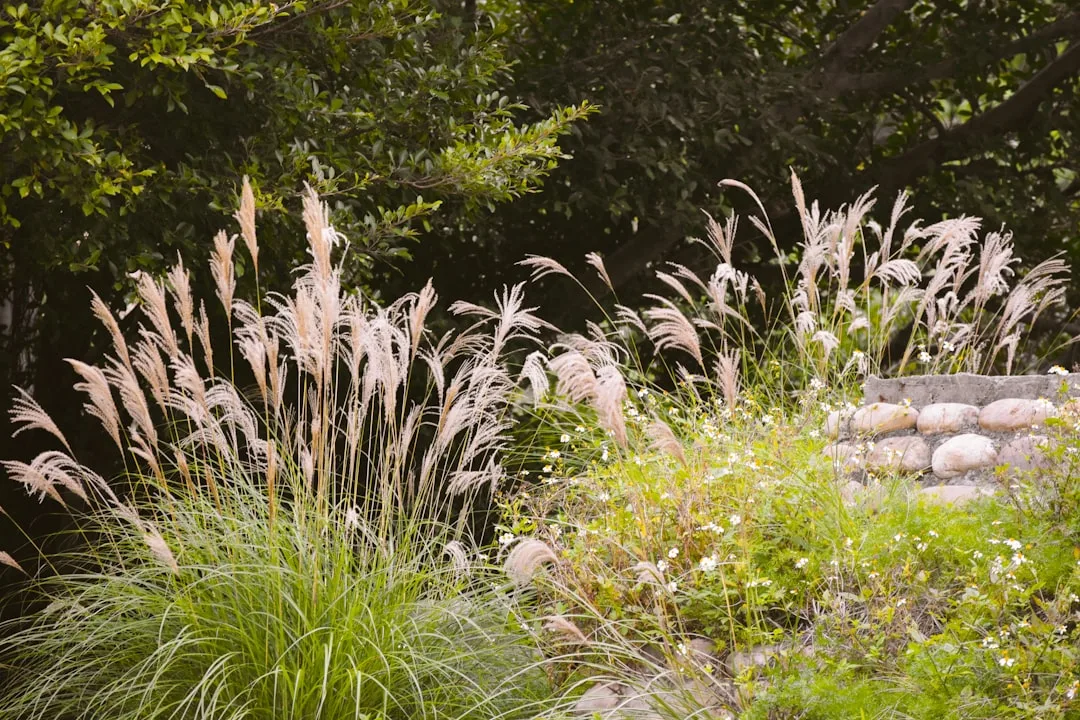
Integrating Grasses Into Hardscape and Focal Point Design
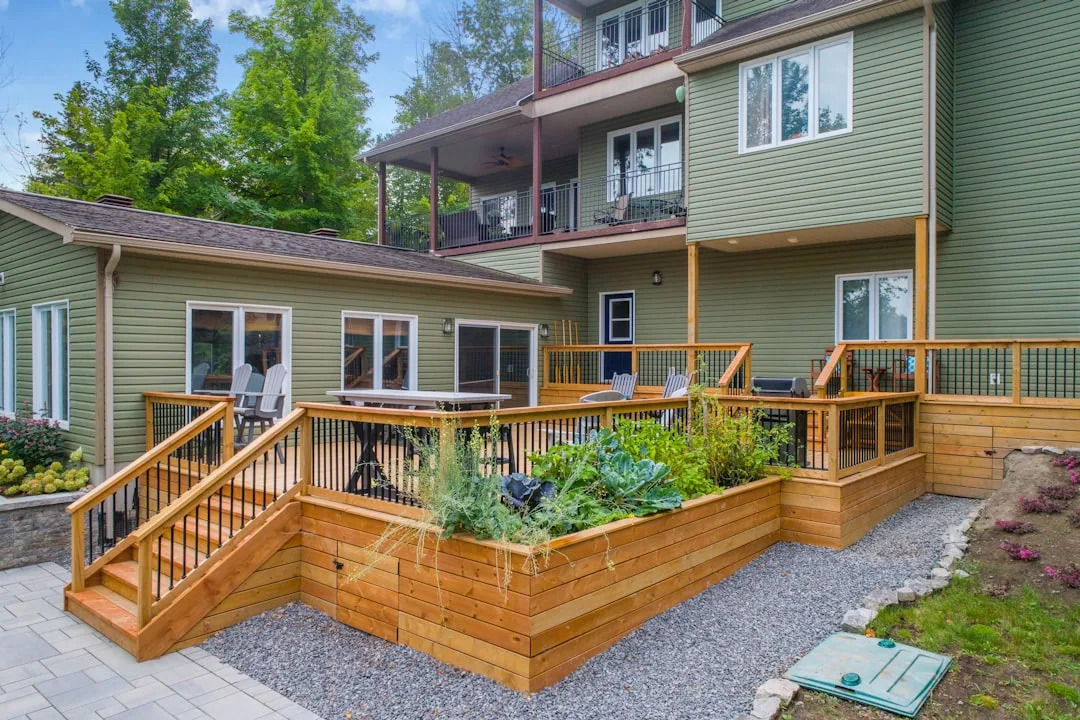
Ornamental grasses frame architecture and paving more effectively than shrub hedging. Planting Karl Foerster feather reed grass 12–18 inches from house foundations softens severe siding lines and creates a graduated visual transition between built structure and garden space.
Along pathways and garden edges, ornamental grasses serve the role traditionally filled by hedging but with three times less pruning labor. Spacing them 24 inches apart creates a rhythm of movement that guides the eye through the landscape while maintaining sightlines—the translucent quality of grass foliage doesn’t block views the way dense shrubs do.
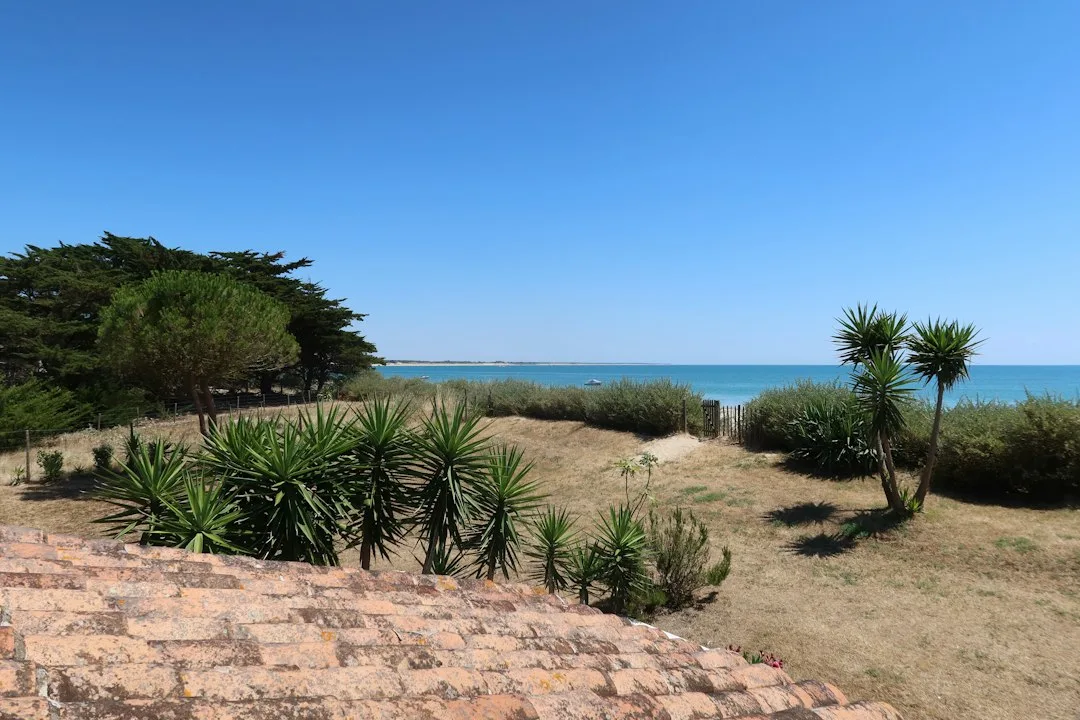
For French-style landscape architecture, ornamental grasses paired with stone edging and specimen perennials echo the romantic meadow aesthetic without requiring the estate-level maintenance that traditional French gardens demand.
Ornamental Grasses Solve Water and Ecological Challenges
The shift toward ornamental grass planting directly addresses two environmental pressures. Residential lawn consumes 9 billion gallons of supplemental water annually across North America; ornamental grass requires 40–60% less water once established, shifting landscape design toward conservation without aesthetic sacrifice.
Native grass species like Bouteloua curtipendula (side oats grama) and Schizachyrium scoparium (little bluestem) provide habitat structure for ground-nesting birds and pollinator species that struggle in monoculture turf. Regional landscape designers increasingly specify native warm-season grass blends as core landscape elements rather than temporary habitat filler.
For homeowners prioritizing visual drama with resource responsibility, ornamental grasses deliver. Work with regional native plant nurseries to source varieties suited to your climate zone and soil type—this single decision cuts establishment failure rates from 30% down to 5–8%.
Selection and Sourcing Ornamental Grass Materials
Specialty native plant nurseries like Prairie Nursery and High Country Gardens stock ornamental grass varieties with full botanical documentation and climate-zone confirmation. Big-box retailers often carry limited selections and provide minimal growing guidance, leading to misplaced species and failure.
When sourcing, inspect root systems—healthy ornamental grass plugs show white lateral roots and established crowns, not mushy or blackened tissue. A mature 2-year plant in a 1-gallon container establishes faster than smaller plugs and delivers immediate visual impact.
Budget $15–$35 per plant depending on size and variety, and space plantings 18–36 inches apart depending on mature spread. A 200-square-foot garden bed typically requires 8–12 specimen plants plus groundcover grasses—a total material investment around $200–$300, one-tenth the cost of professional lawn installation.