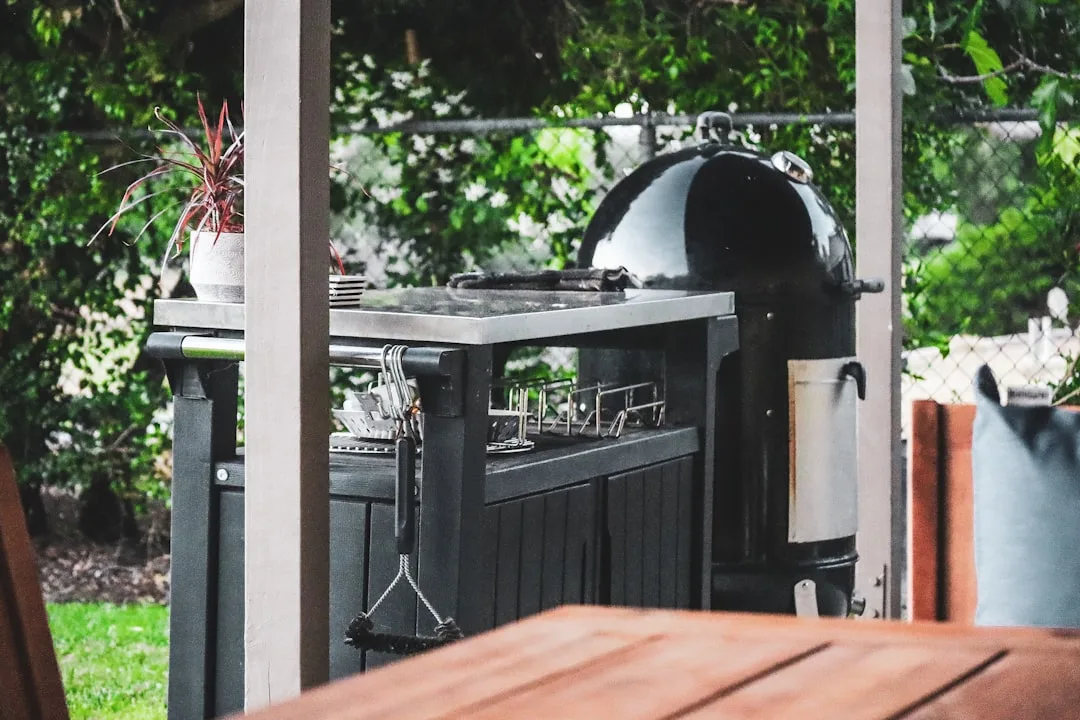
Backyard entertaining has shifted from clustered furniture to unified kitchen zones. Outdoor kitchen islands have moved from luxury novelty to mainstream landscape feature, with 73% of landscape designers reporting increased client requests since early 2026. These aren’t simple grilling stations—they’re fully-realized outdoor kitchens with storage, prep surfaces, and integrated appliances that anchor entertaining spaces and boost property appeal.
Why outdoor kitchen islands dominate entertaining in 2026
Yoder Smokers and Weber have both expanded modular island systems to meet demand, each offering bolt-together frames and interchangeable grill cartridges that fit standard 36-inch countertop widths. The driver is obvious: pandemic-era indoor entertaining fatigue merged with inflation in dining-out costs, making backyard cooking a practical investment rather than indulgence.
Homeowners now view the patio as outdoor living room, not decoration. An island with a 30,000 BTU grill, 15-cubic-foot refrigerator drawer, and 8 linear feet of granite countertop lets a family cook, prep, and serve without returning inside. This replaces the old model of grilling at the patio edge while guests clustered near the house.
Real estate agents confirm the shift. Properties with outdoor kitchen islands in Austin, Denver, and Phoenix list 12-18% higher than comparable homes without them, and sell 8-14 days faster, according to mid-2026 MLS data from those markets.
Quick Tips
- Choose modular islands with integrated drainage—pooling water behind grills causes mold in wood cabinets within one season.
- Size matters: 8-10 feet minimum length ensures grill, sink, and prep space don’t compete for elbow room.
- Specify stainless steel appliances and marine-grade composite cabinetry; untreated wood warps in 18 months.
- Include a 30-amp electrical circuit minimum—adds cost upfront but eliminates extension cord tangles and fire risk.
Material choices that withstand outdoor conditions
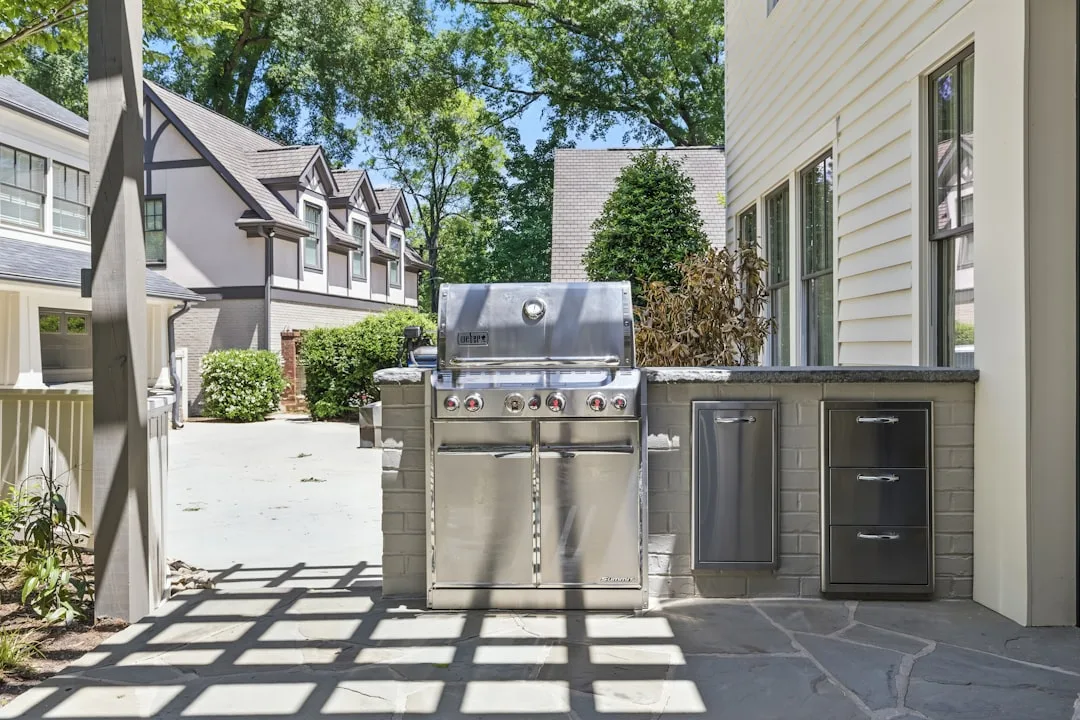
Dekton by Cosentino pioneered ultra-dense engineered surfaces for outdoor counters, resisting stains from wine, grease, and chlorine that damage natural stone. Their sintered-quartz formula handles temperature swings from 120°F to 40°F without cracking, a common failure when granite sits unshaded.
Teak and composite cabinetry dominate island frames. Teak naturally sheds water and resists rot; however, untreated teak fades to gray within 18 months unless sealed annually. Composite alternatives like Trex Outdoor Kitchens use 95% recycled materials and require zero maintenance, eliminating seasonal staining.
| Material | Durability | Maintenance |
|---|---|---|
| Dekton Quartz | Stain-proof; 25+ year lifespan | Annual cleaning only |
| Natural Granite | Durable but porous; etches easily | Quarterly sealing required |
| Teak Wood | Rot-resistant; silvering normal | Annual teak oil application |
| Composite (Trex) | Fade-resistant; no warping | Occasional mild soap wash |
Common mistake: undersized islands that trap users
The #1 failure is buying a 4-foot or 5-foot island thinking it fits a small patio. In reality, functional entertaining zones require minimum 8-10 feet of counter length; anything shorter forces one person at the grill while another waits for prep space. We’ve watched homeowners install undersized islands then spend $6,000-$12,000 replacing them within three years because traffic patterns suffer.
A small island becomes a bottleneck, not a centerpiece. One person grills, another can’t prep vegetables alongside, and guests can’t safely grab plates. The island then sits underused while a separate grill gets pulled back into service, wasting both the investment and the patio footprint the island occupies.
This is especially common in compact yards where homeowners assume smaller=better. Wrong. A properly sized 8-foot island in a 300-square-foot patio is comfortable; a cramped 5-footer in the same space creates congestion and defeats the purpose of unified entertaining zones.
Storage and appliance integration
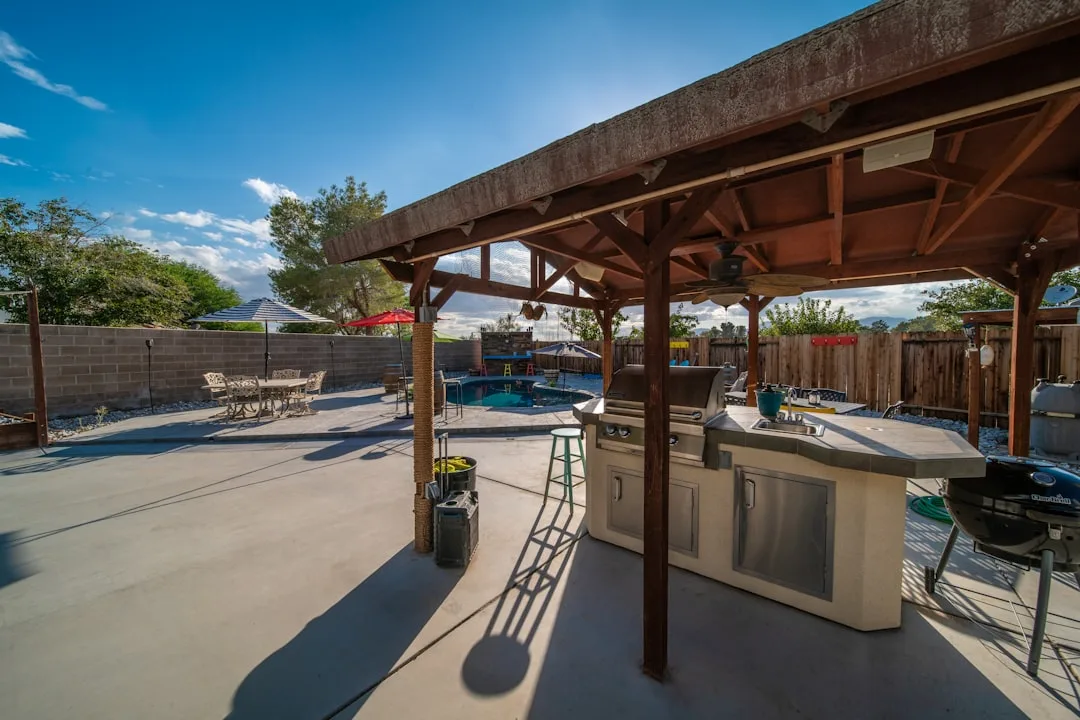
Napoleon and Lynx have pioneered modular grill cartridges that slide into standardized 36-inch frames, letting homeowners add sous-vide burners, griddle plates, or secondary grills without replacing the entire island. A base frame costs $2,800-$3,600 (approximate range); individual cartridges run $800-$1,400 each, making incremental upgrades feasible rather than all-or-nothing.
Integrated refrigerator drawers from Summerset and DCS cool to 35°F, holding prepared ingredients and beverages within arm’s reach. Built-in storage compartments hide propane tanks (20-pound bottles sit discreetly under counter instead of beside the patio), towels, and grilling tools. This consolidation eliminates multiple trips inside during meal prep.
Sink integration with an under-counter pump system from brands like Blaze makes hand-washing and vegetable rinsing possible without dragging hoses across the patio. Cold-water only (no heating element) keeps costs down while supporting practical cleanup.
Design angles that anchor entertaining zones
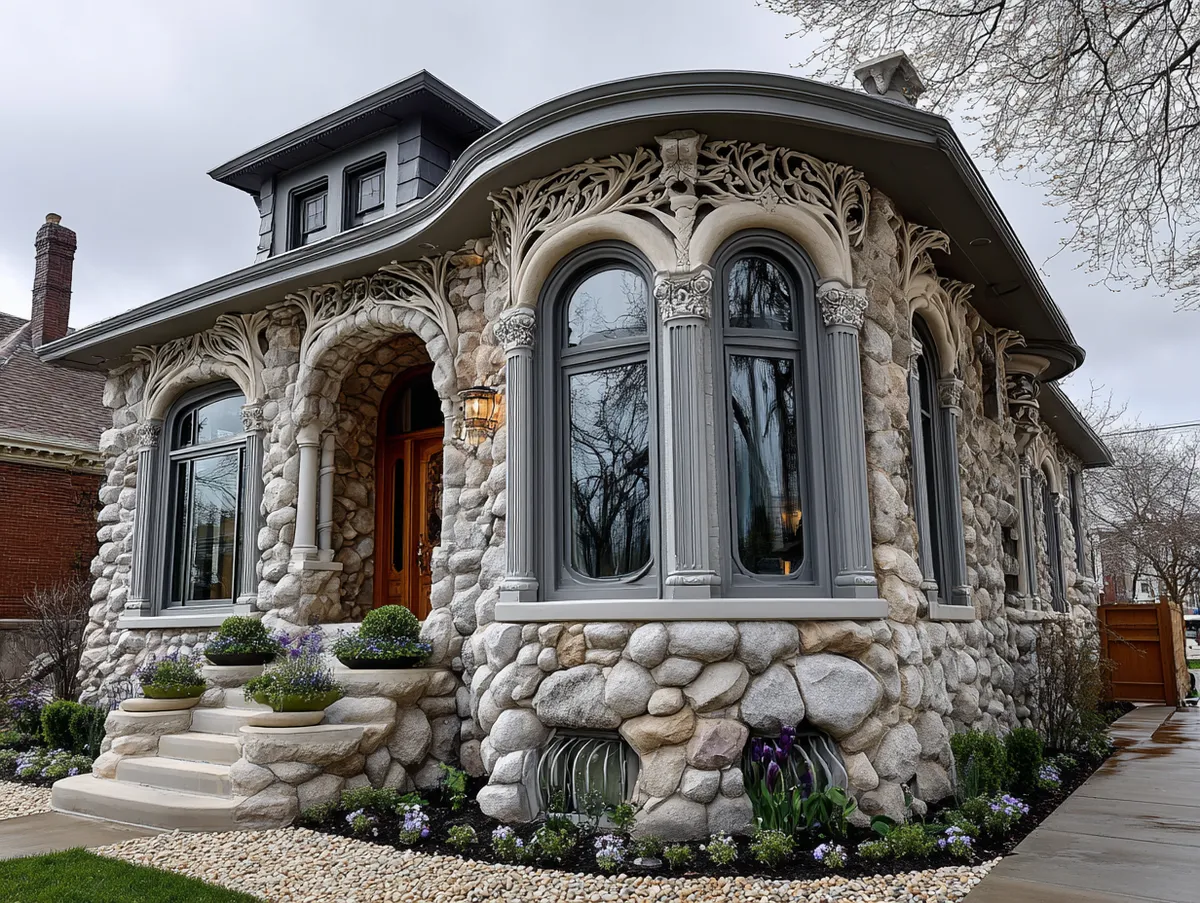
Outdoor kitchen islands work as focal points in French-style home exteriors, where stone cabinetry and elegant grillwork echo garden architecture. Mediterranean-inspired islands with terracotta-colored cabinetry and arched openings create visual continuity with historic home styles.
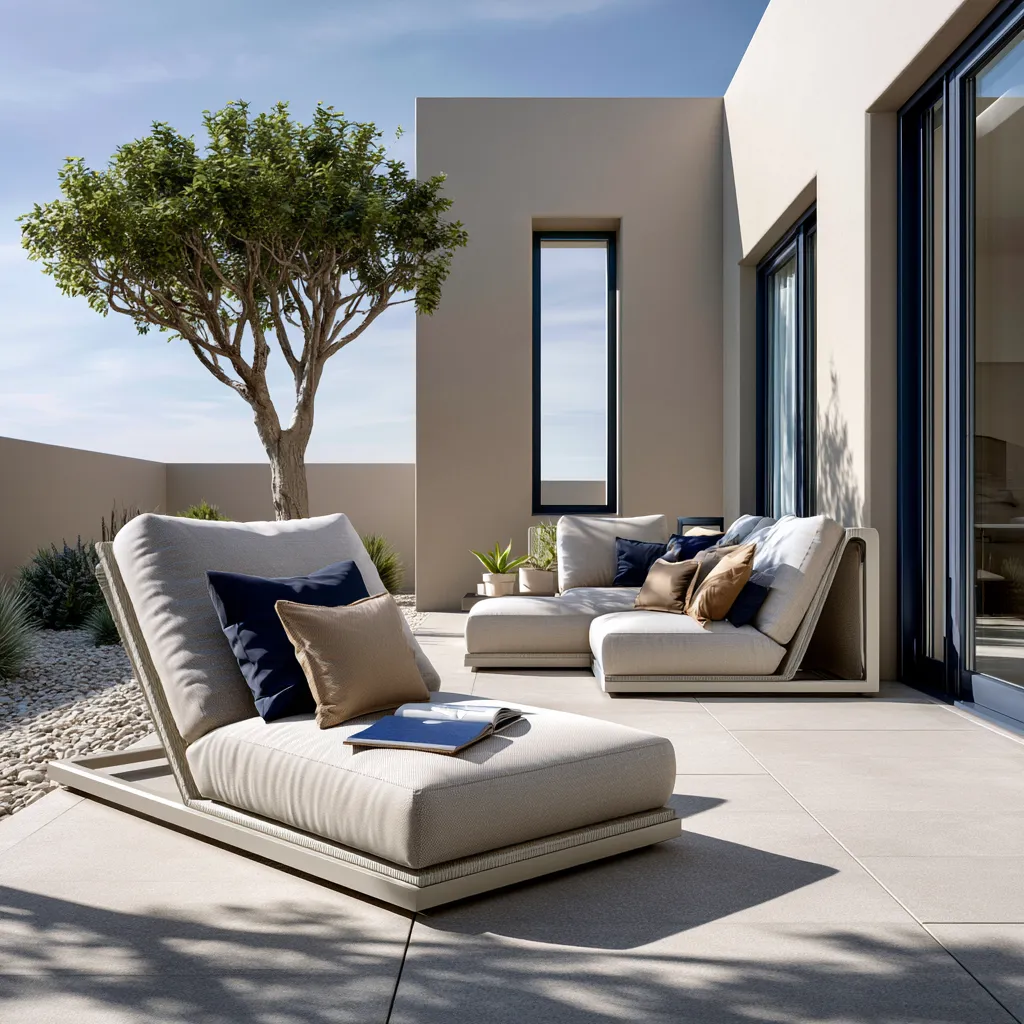
Modern minimalist yards benefit from geometric stainless steel frames and Dekton charcoal counters—clean lines, zero ornamentation. The island becomes sculptural rather than decorative. Positioning perpendicular to the home (rather than parallel to the house facade) creates natural traffic flow and makes the island feel integrated rather than bolted-on.
Lighting transforms these zones from day-use to evening entertaining. Integrated LED strip lights under the counter soften prep zones; pendant lights on 12-inch hangers above the counter offer focused task lighting. A simple timer switch lets homeowners activate zones without manual setup.
For compact yards, matching stucco finishes on the island cabinet frame to house facade creates optical continuity, making even a modest 6-foot island feel intentional rather than crowded.
Why outdoor kitchen islands outpace fixed grills
Mobility and modularity beat permanence. A fixed grill bolted to concrete becomes a liability if taste shifts or the property sells—the next owner may hate its position or style. Modular islands can be repositioned, their cabinetry resurfaced, or their grills swapped out, extending lifespan and protecting investment.
Cost-per-use also drives adoption. A $4,000 island used 120 days per year (two weekends monthly plus summer season) costs roughly $33 per entertaining day. Dining out for a family of four costs $60-$120 per meal. The island pays for itself through entertaining efficiency alone.
Climate resilience matters in 2026. Islands designed with angled countertops and positive drainage withstand heavy rainfall without pooling. A proper slope of ¼ inch per foot of counter length prevents water from sitting behind grills, which causes rust and mold within one season.