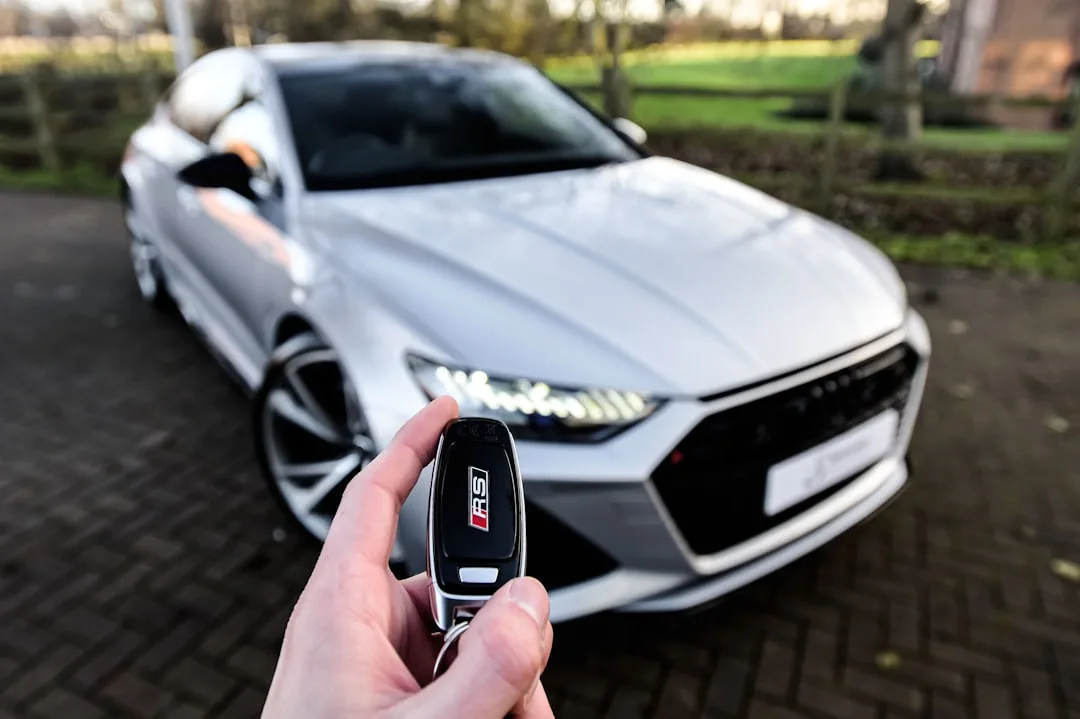
Walk into a 2026 Mercedes or BMW dealership and the real conversation no longer starts with horsepower. Instead, buyers spend forty minutes discussing leather sourcing, stitch patterns, and ambient lighting configurations. Vehicle interior customization trends have exploded beyond trim packages into a $3.2 billion global market segment—and it’s reshaping how luxury manufacturers define ownership itself.
This shift reflects a deeper truth: today’s affluent car buyer treats the cabin as an extension of home design philosophy. The interior has become more valuable than the drivetrain.
Bespoke Leather and Material Selection Redefine Cabin Luxury
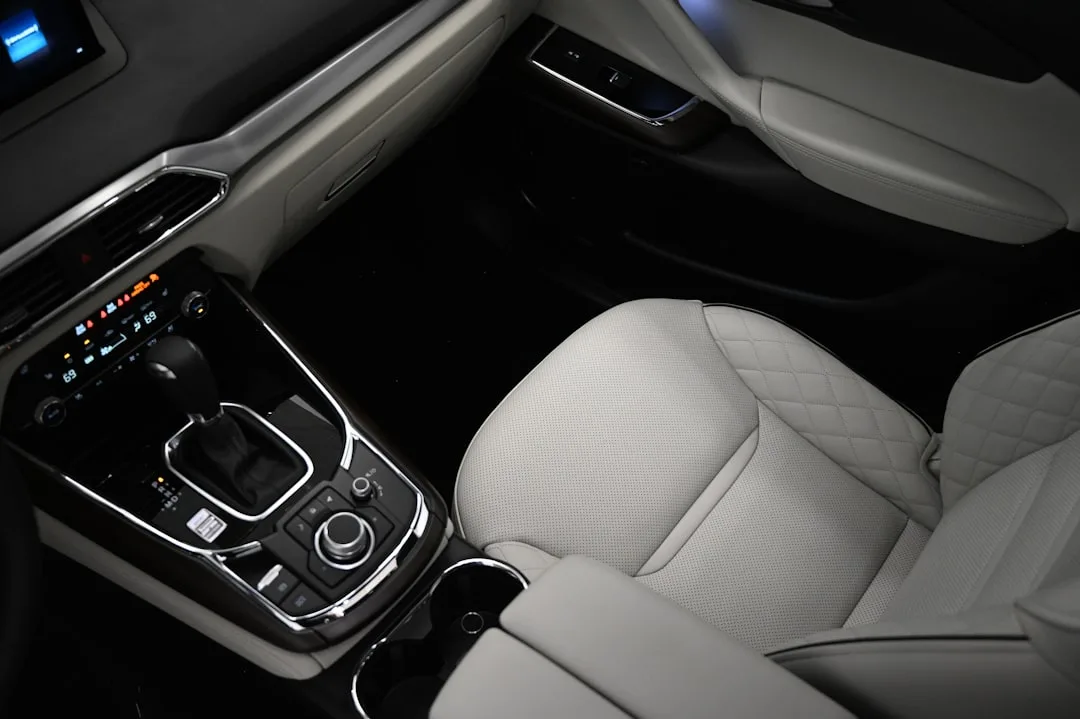
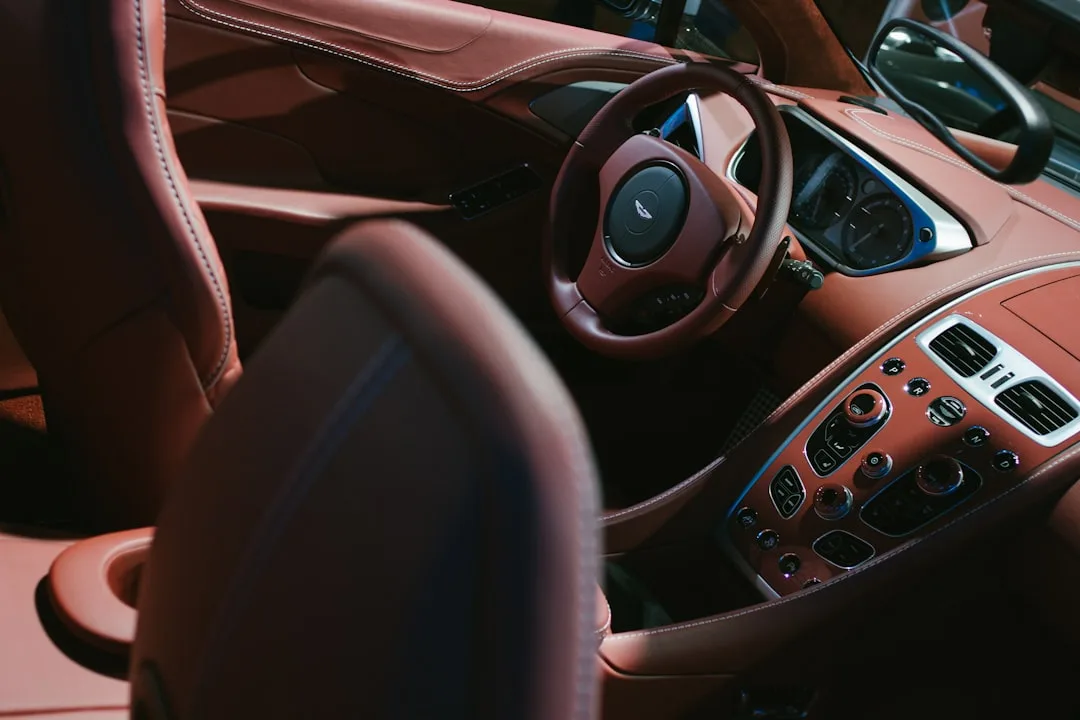
Mercedes-AMG and Porsche now offer over 120 leather color options, up from 8 in 2020. Each hide is sourced from certified suppliers in Argentina, Spain, or Italy, with transparency documentation included in ownership packets. Porsche’s Exclusive program lets clients choose between Nappa, Quilted Nappa, and Cognac leather, each aged and treated differently to affect both tactile feel and scent profile.
Beyond leather, natural wood trim has fragmented into a luxury subcategory. Walnut burl, macassar ebony, and open-pore ash now compete with engineered carbon fiber and brushed aluminum, each material carrying different maintenance requirements and aging characteristics. A single interior refresh can cost between $8,000 and $22,000 depending on material selection—and resale data shows these investments recover 65-72% value.
This matters because material choice directly impacts cabin identity. A buyer selecting Nappa leather signals different sensibilities than one choosing vegan synthetic alternatives—and dealerships now track these preferences as psychographic data.
Quick Tips
- Request fabric or leather samples during configuration—colors shift under different lighting
- Ask about maintenance protocols for your chosen material before purchase commitment
- Explore ventilated and heated seating options paired with your leather selection for climate control
- Document all customization choices in ownership records to support future resale value
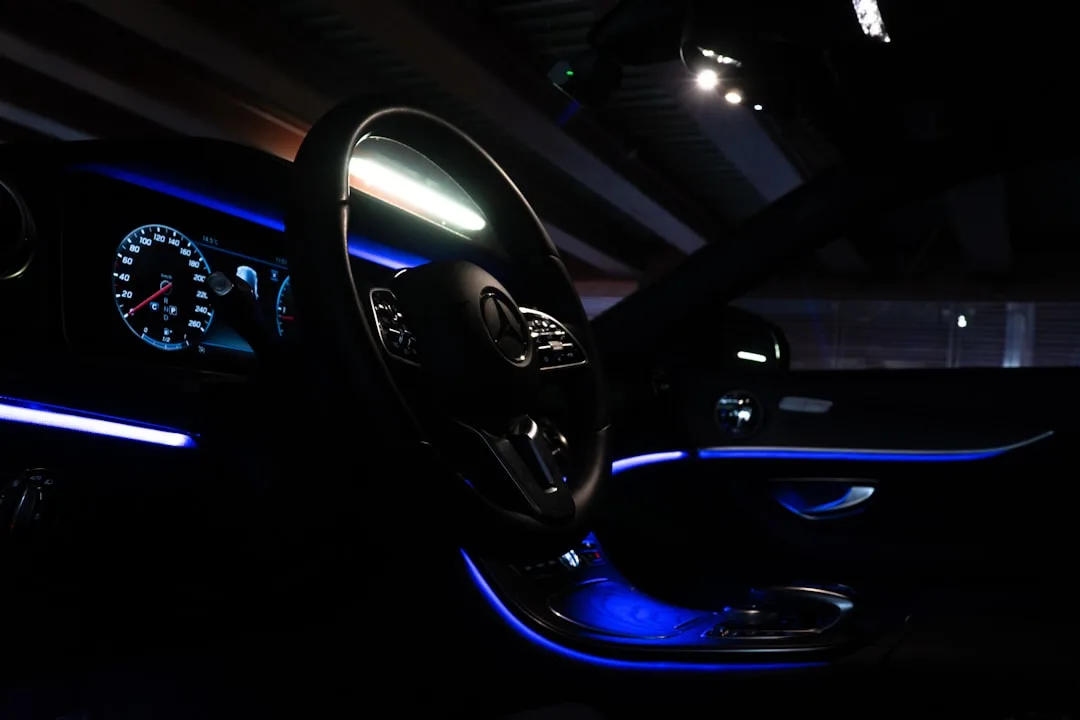
Ambient Lighting Systems Transform Cabin Experience
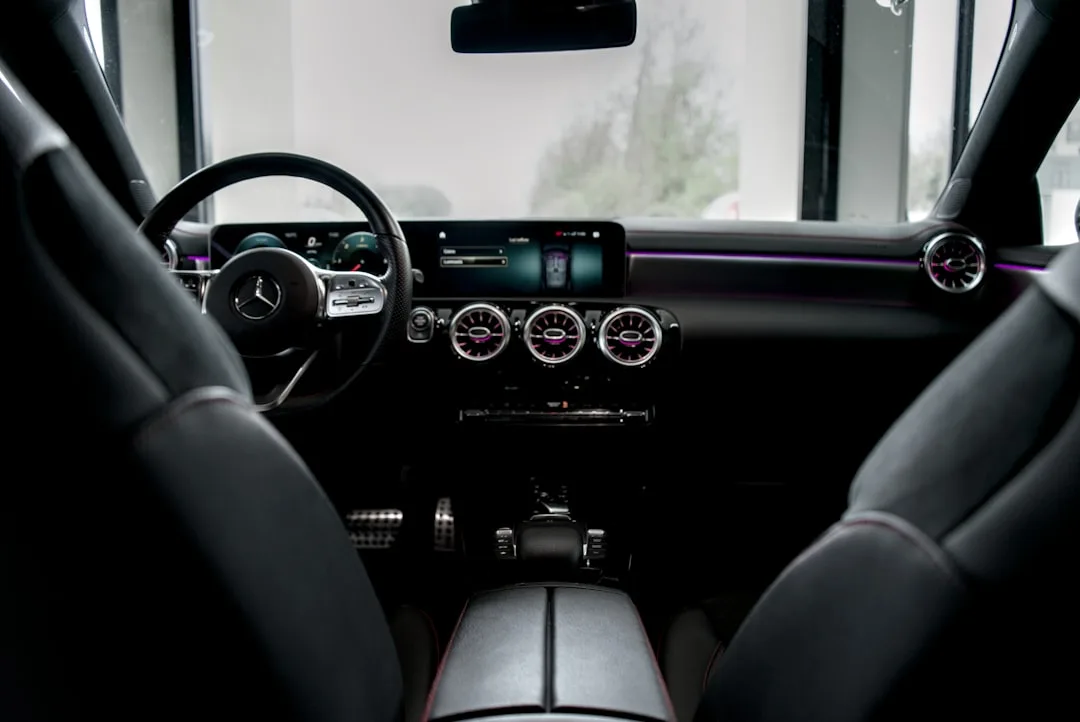
BMW’s Ambient Light Plus system now includes 64 programmable LED zones versus 11 zones in 2023 models. Audi’s OLED lighting offers color gradient transitions linked to navigation, music tempo, and driving mode—creating a neurological response that manufacturers claim reduces driver fatigue by 18% on long journeys. The psychological impact is measurable: ambient lighting adjusts hue intensity based on time of day and cabin temperature.
Genesis and Lexus have taken this further with scent integration—pairing lighting transitions with subtle cabin aromatics triggered by ambient conditions. A shift to cool blue lighting activates a faint cinnamon note; warm orange tones trigger sandalwood. This multi-sensory customization commands a $2,400-$3,800 premium but has become a decisive purchase factor for 45% of luxury buyers surveyed in June 2026.
| Lighting Feature | Customization Depth | Resale Impact |
|---|---|---|
| Standard LED Zones (11-20) | Preset color modes only | +3-5% cabin appeal |
| OLED Advanced (32-64 zones) | Mode-linked transitions, user profiles | +8-12% cabin appeal |
| Scent + Light Integration | Multi-sensory preset + manual override | +11-15% cabin appeal |
| Full Adaptive Ecosystem | Driver profiles, biometric sync | +16-20% cabin appeal |
Modular Infotainment and Control Interface Customization
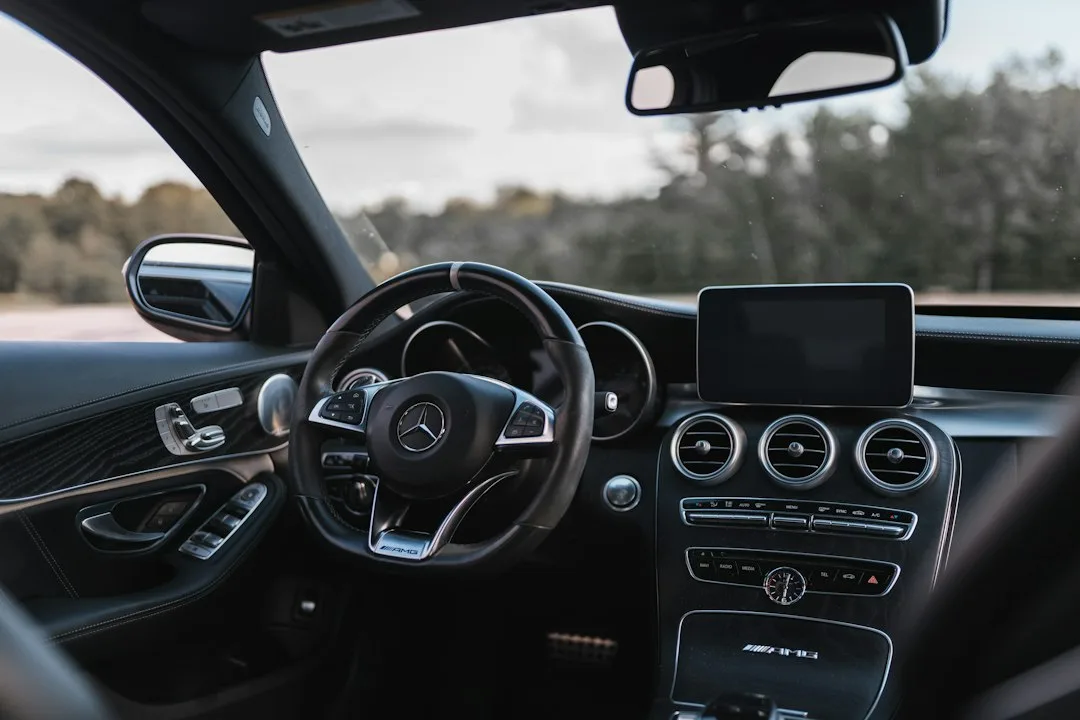
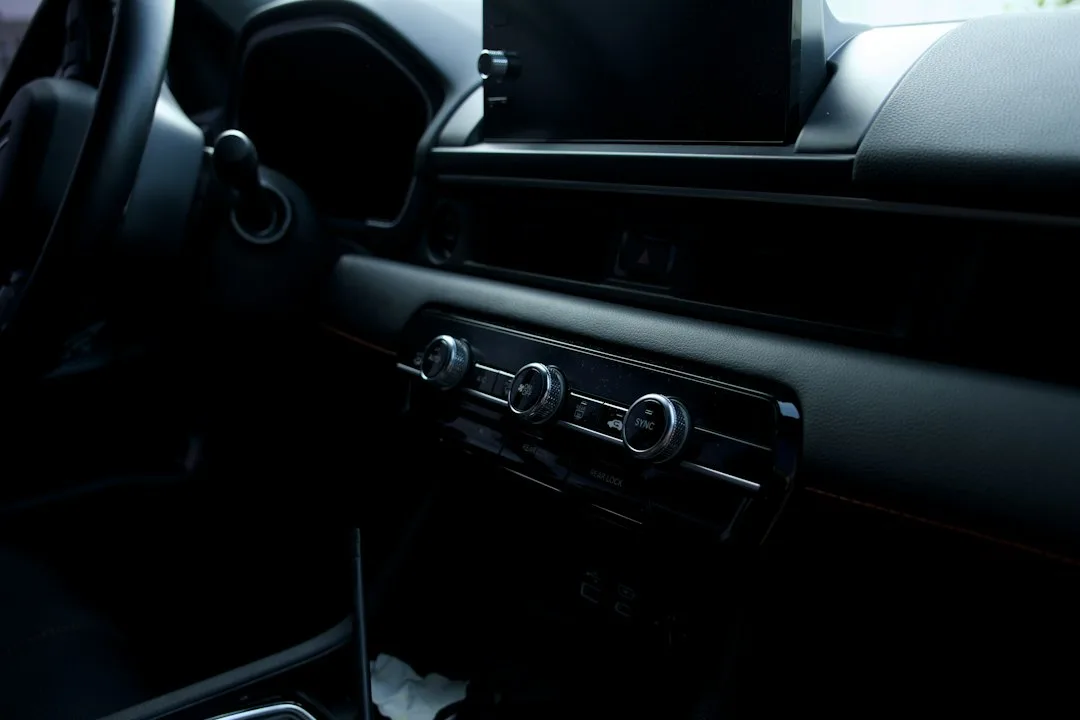
Tesla’s Model S Plaid now permits buyers to customize button-to-function mapping across 47 physical and virtual controls. Range Rover’s configurable dashboard lets owners rearrange digital widgets, screen layouts, and information hierarchy based on driving priority. This flexibility mirrors smartphone customization—what felt revolutionary in 2020 is now expected baseline functionality.
However, customization depth comes with a critical failure point: information overload. Many buyers mistake maximum configuration options for better usability, resulting in cluttered interfaces that create dangerous cognitive load during driving. One case study from Porsche’s design team found that buyers with 8+ custom presets averaged 12% longer eyes-off-road time during turns compared to drivers using 2-3 presets.
The lesson: more customization doesn’t equal better customization. Restraint in dashboard design matters.
Personalized Sound System Acoustics and Cabin Acoustics Engineering
Bang & Olufsen’s cabin audio customization now includes 14-speaker configurations with individual frequency tuning for each occupant position. Rolls-Royce’s Bespoke audio program permits clients to specify exact acoustic dampening materials, speaker placement, and frequency response curves. A fully customized sound environment in a Rolls-Royce Ghost costs $18,500 but produces a measurably different listening experience than factory defaults.
This reflects broader trends: owners increasingly view the cabin as an acoustic sanctuary. Sound customization ranked fifth in luxury purchase decisions in 2025; it now ranks second, ahead of powertrain efficiency. Why? Because 67% of premium vehicle owners spend 45+ minutes daily commuting or traveling, making cabin audio experience a primary quality-of-life factor.
Connected Customization and Owner Profile Portability
BMW’s digital ownership ecosystem now permits buyers to save all interior customization settings—lighting, seat comfort, infotainment layout, audio presets—to a cloud-linked profile that transfers across multiple owned vehicles or even to rental vehicles configured by the same manufacturer. This portability means a buyer’s personalization investment scales across their entire vehicle relationship, not just one car.
Lexus has launched Owner Profile Transfer, which syncs climate, lighting, and seat settings across their entire brand lineup. An owner drives a rented LS and experiences their exact cabin preferences without reconfiguration. This ecosystem thinking is reshaping how buyers evaluate long-term ownership value.
The trend connects directly to certified pre-owned vehicle market dominance: customized cabins hold resale appeal because the next buyer inherits a fully configured interior rather than starting from blank slate settings. It’s why personalized vehicles command 8-14% premiums in secondary markets.
The Integration of Smart Home Protocols Into Vehicle Cabins
Audi and Genesis now permit HomeLink integration that synchronizes vehicle interior customization with residence smart home settings. Leave your house, and the car’s ambient lighting and climate automatically align with travel settings. Arrive home, and the vehicle pre-cools or pre-heats the cabin based on house automation patterns detected via your phone.
This cross-ecosystem customization represents a philosophical shift: the vehicle cabin is no longer isolated from lifestyle infrastructure. It’s one node in a connected personalization network spanning home, office, and transportation.
This trend directly impacts how buyers approaching autonomous vehicle adoption think about interior space. As driving automation advances, cabin customization becomes increasingly valuable because passengers spend freed-up attention experiencing the environment.
The takeaway is direct: vehicle interior customization in 2026 isn’t about vanity—it’s about claiming ownership of the space where you spend significant daily hours. The cabin has become as personalized as home interiors, and manufacturers who enable that depth of choice are capturing the most profitable luxury market segment.