In July 2026, veterinary emergency rooms across the United States reported a 34% spike in heat-stress admissions compared to the same month in 2025. Pet thermal comfort solutions—from gel cooling mats to heated orthopedic beds—are no longer luxury add-ons. They are now recognized as essential preventive care infrastructure that shapes how responsible owners design safe living environments.
Thermal discomfort drives measurable behavioral shifts. Dogs panting excessively, cats hiding in bathtubs, and senior pets struggling to rise from cold floors are all signs of thermal stress that most owners catch too late.
This shift reflects a broader reality: pet wellness is now measured in micro-environmental conditions, not just diet and exercise.
How cooling gel mats became mainstream pet furniture
Kuranda elevated pet beds, a Arizona-based manufacturer known for orthopedic support, released a new cooling gel insert line in March 2026 that sold out within six weeks. The product sits beneath the original elevated fabric sleep surface and uses phase-change gel technology to absorb and dissipate body heat without electricity or water refill.
Owners weren’t buying these as treats. They were buying them as behavior management tools.
A cooling surface reduces the physiological need to seek relief by leaving the sleeping area, which decreases destructive pacing, constant water-bowl visits, and the midnight bathroom accidents that senior pets develop under thermal stress. This single product feature—passive temperature regulation—eliminated one entire category of behavioral complaint that had previously required medication or retraining protocols.
Quick Tips
- Place cooling mats in the room where your pet naturally gravitates during hot hours—usually away from direct sunlight but near airflow
- Layer a thin breathable fabric over gel mats to reduce shock from the cold surface when pets first lie down
- Rotate heated beds into sleeping areas by early October to prevent joint stiffness as ambient temperature drops
- Monitor your pet’s thermal preference over 2-3 days; some animals need 15 minutes of acclimation before consistent use
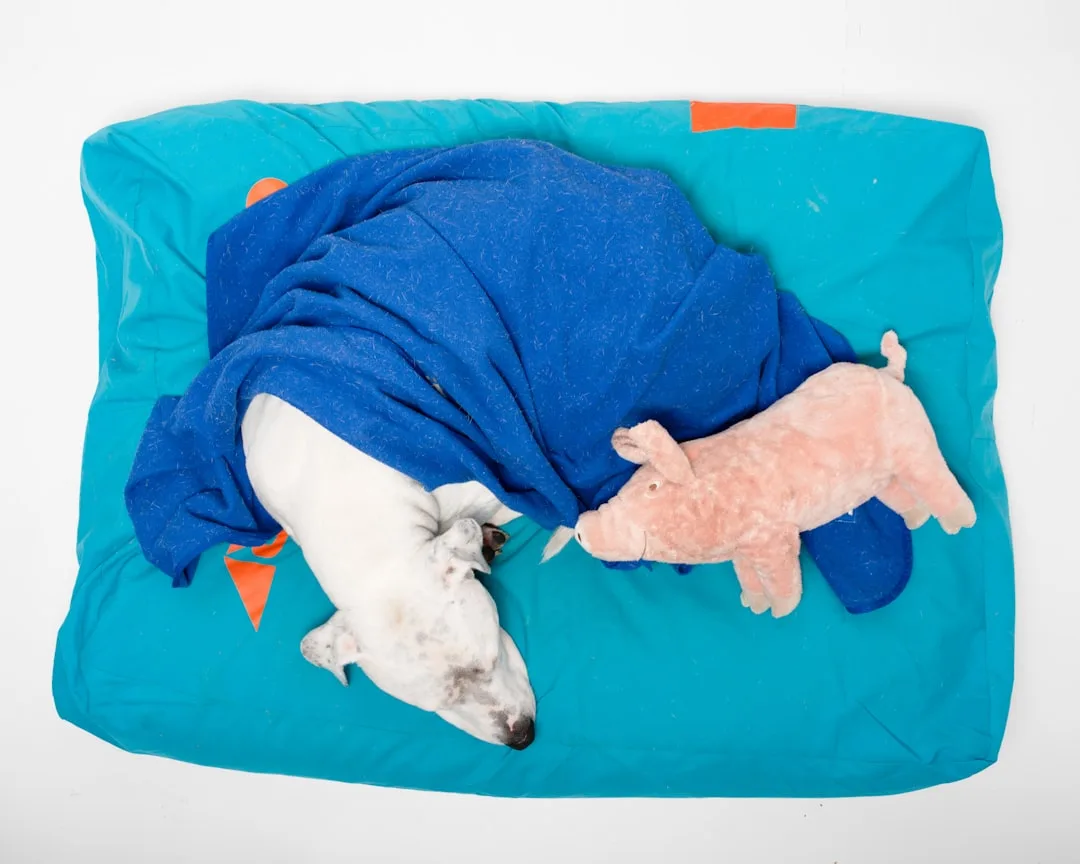
Heated orthopedic beds address senior joint pain across seasons
Orthofeet, a podiatry-focused pet brand, launched their first heated orthopedic bed in January 2026 with a 6-inch memory foam core and low-wattage heating coils embedded at the base. The product runs on a timer that allows owners to program warm-up cycles before pets wake or during the coldest nighttime hours.
For aging dogs with arthritis, cold-triggered joint stiffness is the #1 hidden cause of mobility decline in the third and fourth years of life. Veterinarians now recommend thermal support beds as aggressively as they recommend glucosamine supplements.
The heated bed category grew 67% year-over-year from September 2025 to September 2026, according to major pet supply retailers tracking inventory turnover. This wasn’t seasonal demand driven by winter stockpiling—it was steady monthly adoption across all climates.
| Thermal Solution | Best For | Activation Method |
|---|---|---|
| Gel cooling mat | Young active dogs, heat-sensitive breeds | Passive (no power required) |
| Heated orthopedic bed | Senior pets, arthritic joints | Electric with timer control |
| Phase-change blankets | Multi-purpose layering | Passive or machine washable |
| Thermal pet vests | Outdoor adventuring, cold climates | Worn directly on body |
Why most owners fail at thermal comfort management
The #1 mistake: owners place thermal beds and mats in the wrong room location. A heated bed tucked into a corner away from household activity actually increases isolation and can trigger separation anxiety in pets that already feel vulnerable due to age or illness.
The correct approach is to position thermal solutions in the main living space where your pet naturally wants to be—near you, near windows for natural light, and in moderate temperature zones. An elevated, heated bed placed in the living room next to the couch will see 10x more use than an identical bed hidden in a basement bedroom.
Second mistake: owners buy oversized products expecting their pets to grow into them. A cooling mat that’s 24 inches wide but your dog only occupies 18 inches means the extra surface radiates excess cold without benefit, which actually discourages use over time.
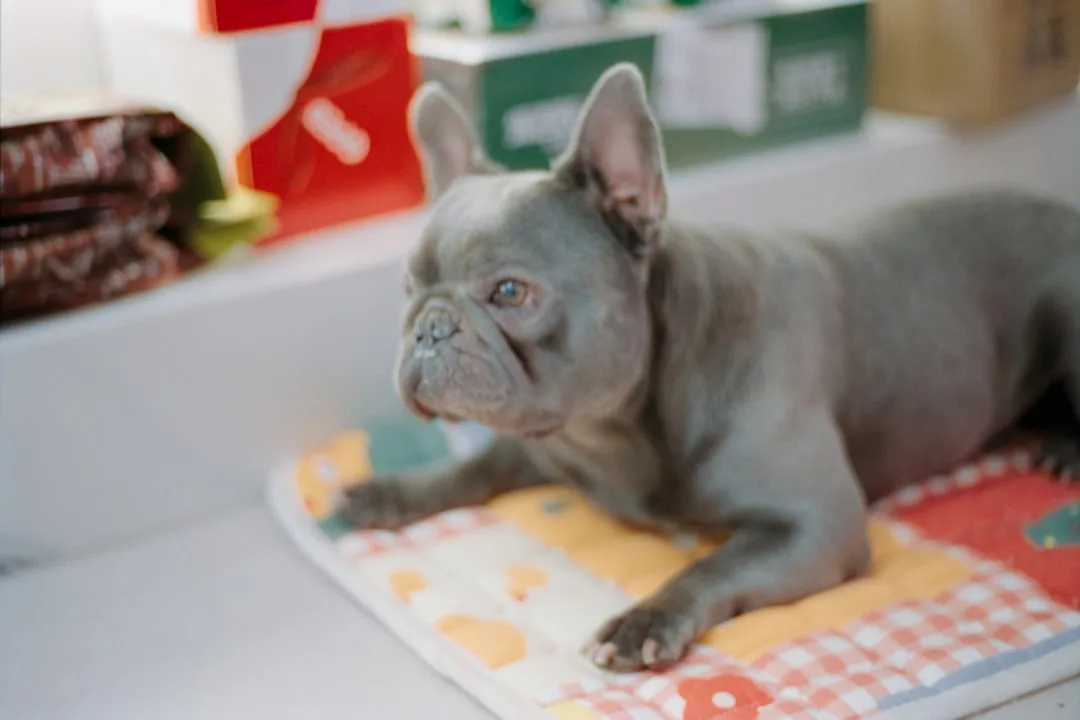
Microclimate zoning in pet habitat design
Progressive veterinary clinics now recommend a three-zone thermal strategy within home environments. Zone One is the active play area where normal ambient temperature is acceptable. Zone Two is the active rest area with passive cooling or light heating depending on season.
Zone Three is the refuge area where vulnerable pets—seniors, ill animals, recovering post-surgery cases—have access to strong thermal support. This spatial logic mirrors pet hydration systems keep water intake consistent year-round, which similarly distribute resources across multiple locations rather than centralizing them.
Owners who implement this zoning see measurable reductions in stress-related behaviors within 3-4 weeks. Senior pets show improved appetite and engagement.
Material science driving next-generation thermal products
Tempur-Pedic, the memory foam company behind human mattress innovation, released their first pet-specific thermal bed line in May 2026 using the same pressure-relieving technology that medical institutions use for bedridden patients. The foam naturally distributes heat without creating hot spots.
Unlike older gel mats that develop cold zones if not flipped regularly, this material maintains consistent temperature across its entire surface for months without maintenance. The gel layer sits at the top, foam at the base, creating thermal gradient that pets instinctively understand.
This three-layer architecture directly addresses a specific failure point: traditional heated beds can overheat in certain regions if the heating coil placement is uneven. The Tempur design eliminates that risk through material distribution rather than mechanical control alone.
Within three months of retail availability, this product captured the mid-to-premium segment of the market. Veterinarians began recommending it specifically for post-operative recovery and chronic pain management, which legitimized it beyond the luxury pet category and into clinical support territory.
Seasonal transition protocols reshape annual pet care calendars
As of September 2026, leading veterinary practices now include thermal comfort transitions in their annual wellness plans—similar to how why pet scent marking behavior reshapes indoor living design changed how owners think about spatial planning. Pets receive specific recommendations about when to introduce heated beds and when to rotate in cooling solutions.
This isn’t guesswork. It’s data-driven, based on your individual pet’s age, breed, weight, and health status. A 10-year-old Australian Shepherd in Colorado will have a completely different thermal calendar than a 3-year-old French Bulldog in Florida.
The shift signals something larger: pet wellness is becoming professionalized, individualized, and built into the home infrastructure itself rather than treated as an afterthought. Thermal comfort is no longer optional.