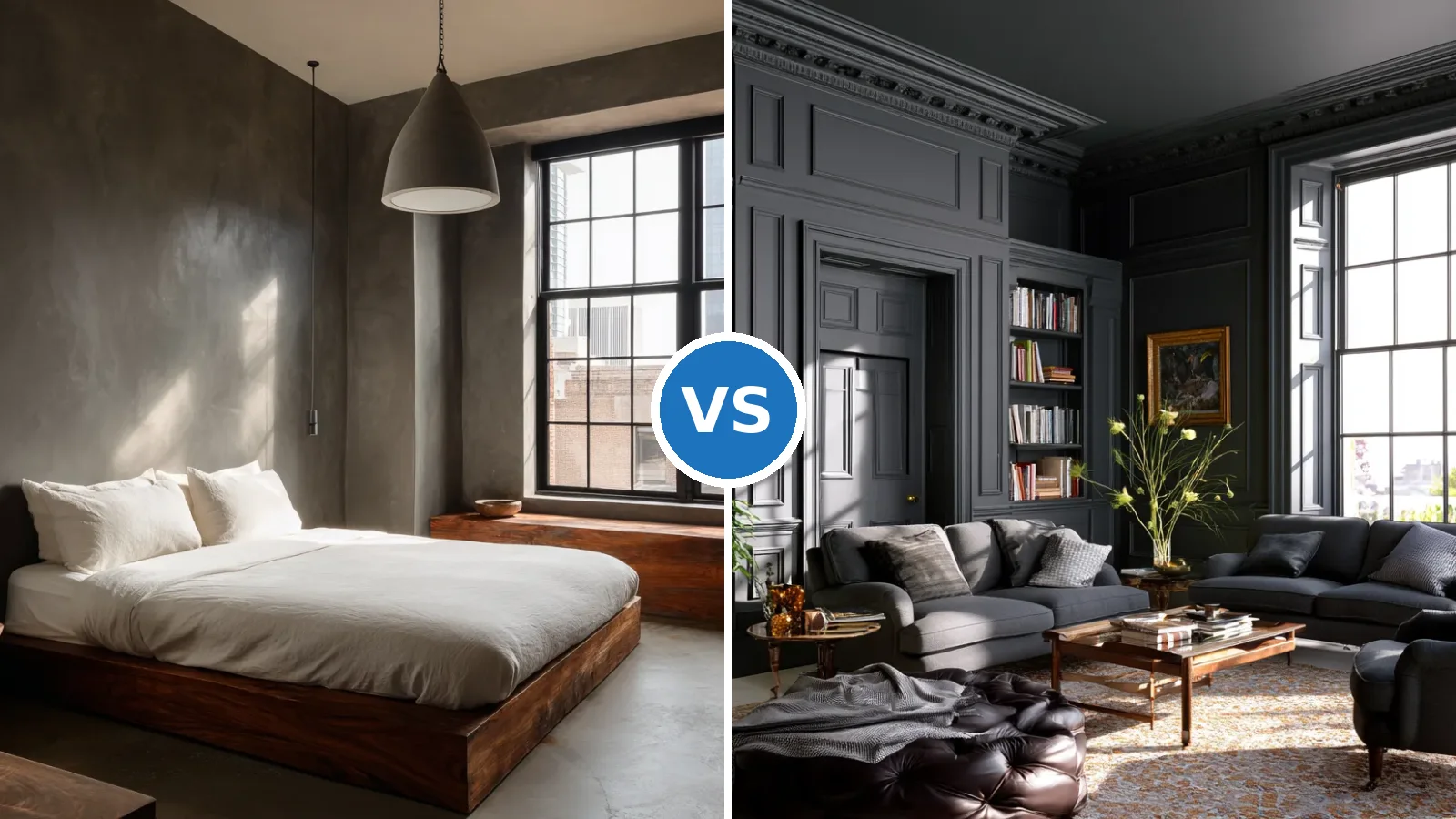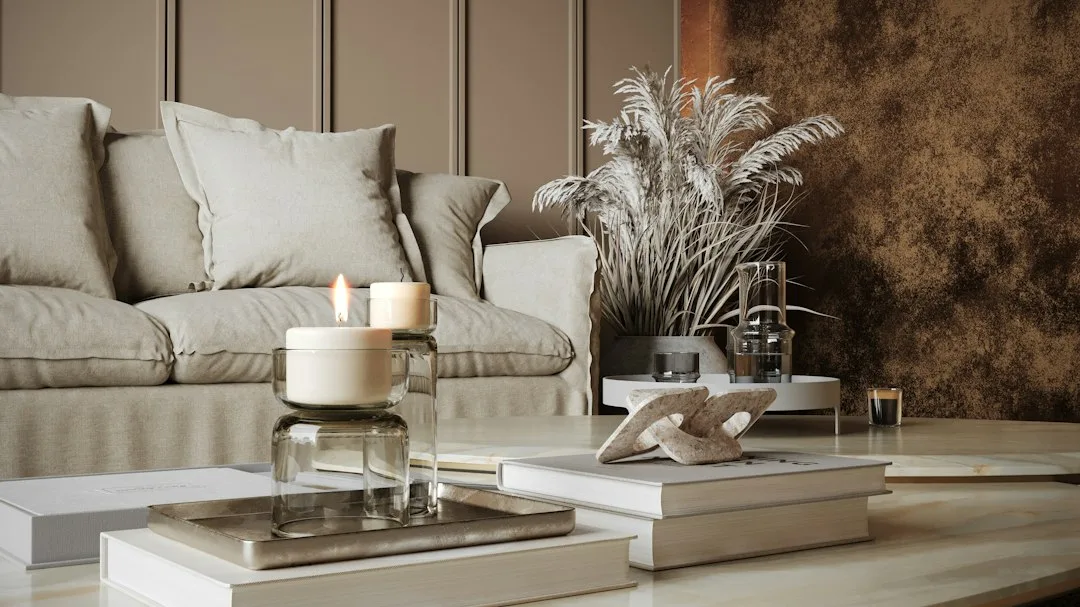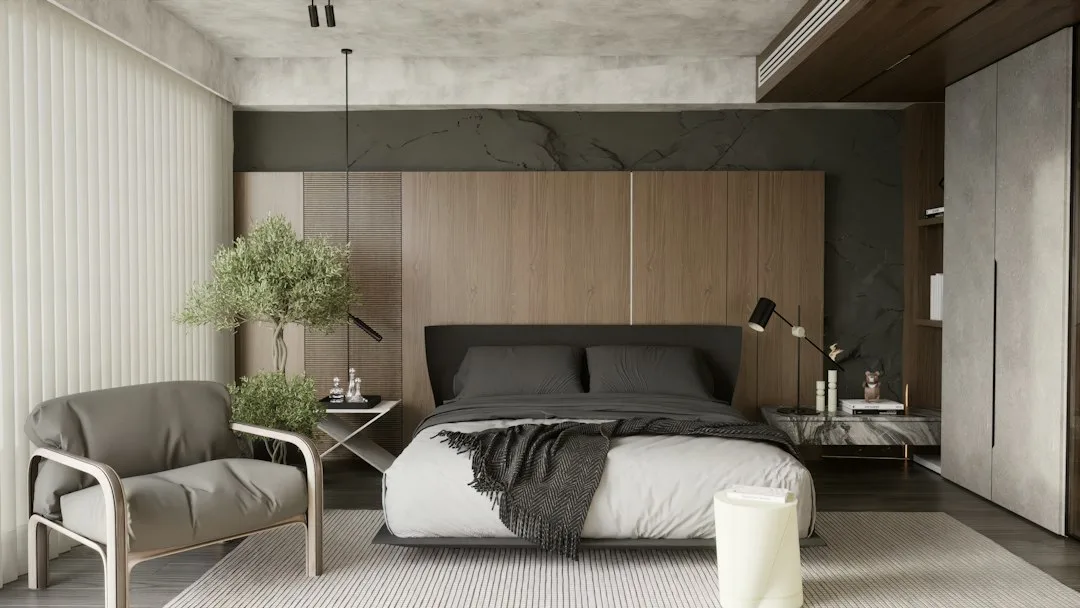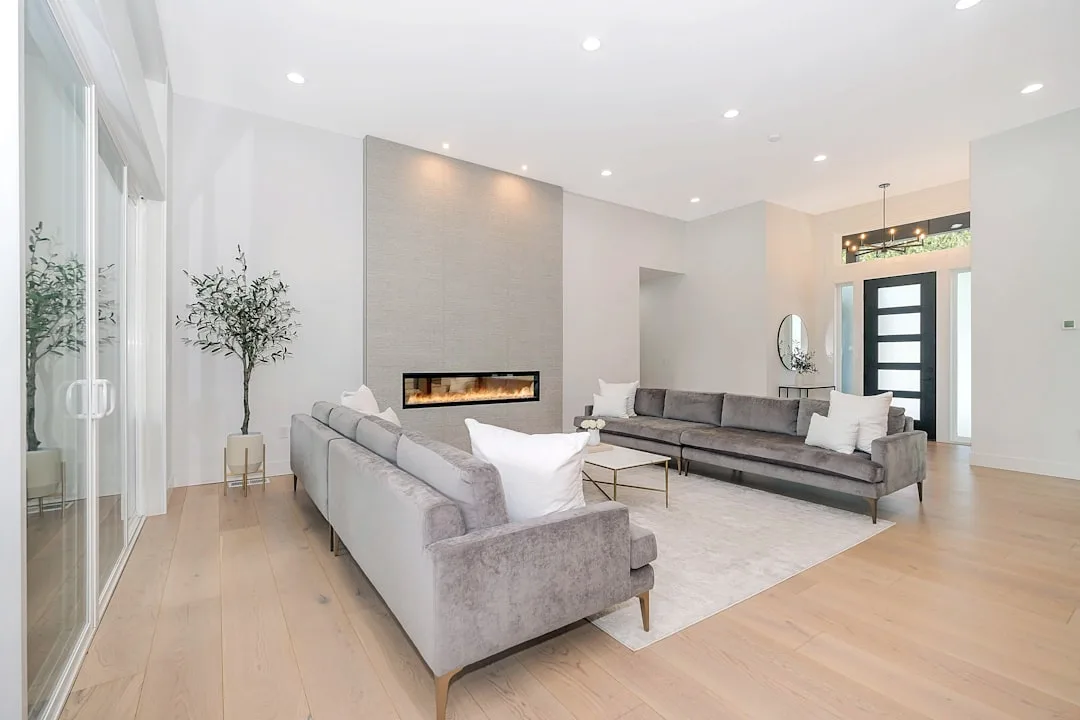
Porcelain tile accent walls have moved from niche luxury installations into mainstream residential design over the past 18 months, driven by homeowners who demand surfaces that actually perform under real-world conditions. Unlike wallpaper, paint, or plaster, porcelain delivers moisture resistance, permanent color stability, and pattern depth that photographs beautifully without degrading. The shift reflects a broader interior design philosophy: accent walls should earn their visual weight through functional excellence.
Why porcelain outperforms traditional accent wall materials
Porcelain tile offers zero water absorption—the defining advantage over ceramic and stone alternatives. When Daltile released their 24-inch format porcelain slabs in 2025, designers immediately began testing them vertically because the material handles humidity swings, temperature fluctuations, and direct water splash without warping, staining, or requiring sealant maintenance.
A standard painted accent wall demands repainting every 3-5 years in kitchens and bathrooms due to moisture and grease buildup. A porcelain tile accent wall installed with quality epoxy grout requires only periodic neutral-pH cleaning—no refresh cycles, no color fading, no mold risk behind plaster finishes.
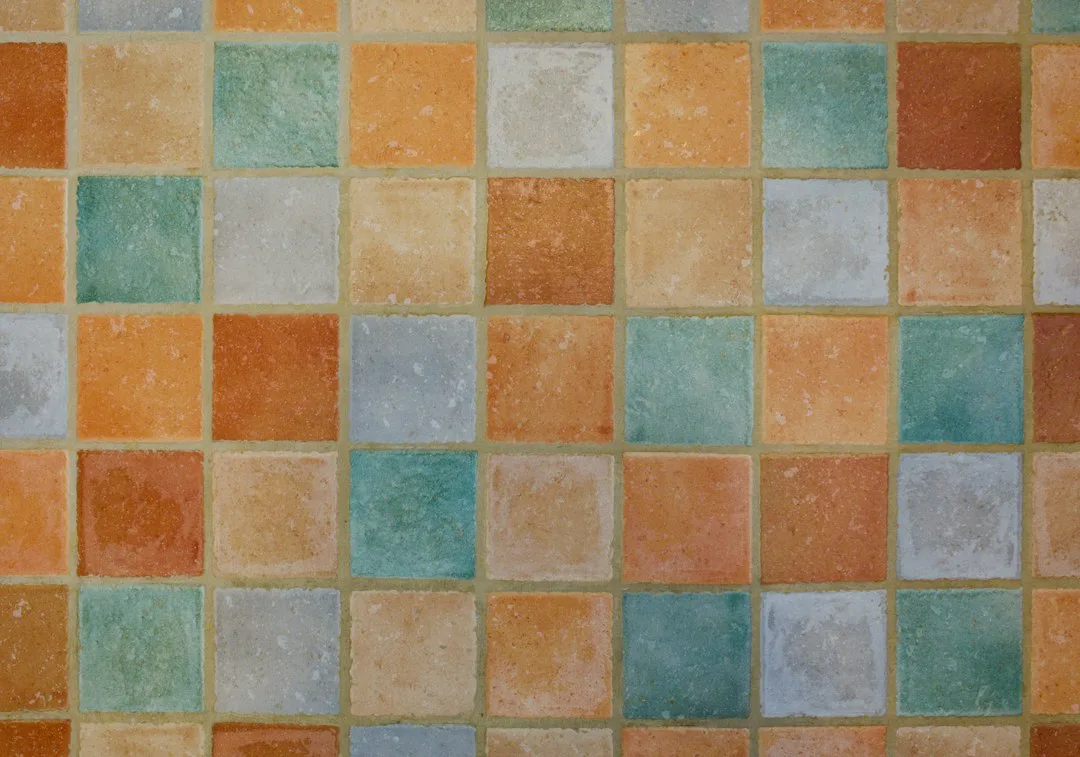
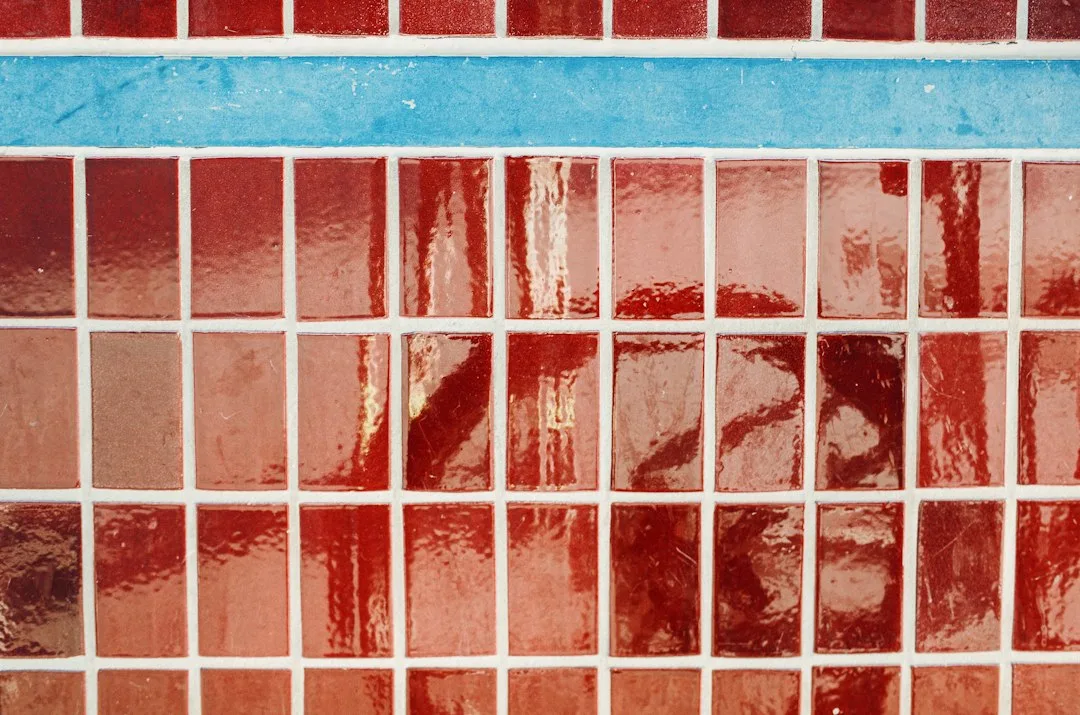
Pattern options now rival wallpaper variety. Manufacturers including Crossville, MSI Surfaces, and Emser produce geometric, botanical, terrazzo-inspired, and solid colorway porcelain tiles in finishes ranging from matte (hiding fingerprints) to polished (creating depth through light reflection).
Quick Tips
- Start with matte-finish porcelain in wet zones (bathrooms, kitchens)—polished surfaces become slippery when wet
- Use epoxy grout, not cement-based, for zero porosity and stain resistance
- Install tiles vertically only on walls rated for permanent water exposure; in living rooms, moisture isn’t a concern
- Budget 20-30% more than wallpaper or paint for material and installation labor
- Pair large-format tiles (12×24 or larger) with minimal grout lines to emphasize pattern and scale
Installation methods defining the 2026 accent wall
Full-wall coverage in porcelain tile now employs five distinct approaches, each suited to different room types and design objectives. Understanding the difference prevents costly rework and ensures the wall performs as intended.
| Installation Method | Best Use Case | Moisture Tolerance |
|---|---|---|
| Floor-to-ceiling coverage | Bathrooms, showers, kitchens | Full water exposure safe |
| Wainscot (3-4 feet high) | Bathroom walls, kitchen islands | Splash zone protection |
| Single-wall focal point | Living rooms, bedrooms, entryways | No moisture risk needed |
| Fireplace surround | Living room focal walls | Heat and dust resistant |
| Recessed alcove accent | Bedrooms, shelving backdrops | Protected from direct moisture |
Wainscot-height porcelain (36-48 inches) has become the dominant choice in bathrooms because it protects the damage zone—where splashing, humidity condensation, and cleaning chemical exposure actually occur—without overwhelming smaller rooms with floor-to-ceiling tile.
Large-format slabs (18×36 inches or 24×48 inches) minimize visible grout lines and create a unified visual field that reads as intentional pattern rather than fragmented mosaic. The aesthetic shift matters: five thin grout lines read as functional; 30 visible grout joints read as busy.
The critical mistake: installing porcelain tile on unsuitable substrates
The single most common failure occurs when porcelain tiles are applied directly to drywall without waterproofing or moisture barriers. Within 18-24 months, drywall behind the tile absorbs ambient moisture, begins degrading, and creates soft spots where tile adhesive fails.
A concrete example: a homeowner installed a full bathroom wall with beautiful 12×24 Daltile porcelain in February 2025. By August, tiles began popping loose in clusters near the shower. The installer had skipped cement board and waterproof membrane installation, applying tiles directly to painted drywall. Remediation required removing all tile, installing cement board, waterproofing, and retiling—tripling the original labor cost.
Correct substrate preparation requires moisture-resistant cement board (never drywall), waterproof membrane, and proper drainage behind the tile. This preparation layer adds 48-72 hours to installation but prevents catastrophic failure.
Pattern selection and scale matching room proportion
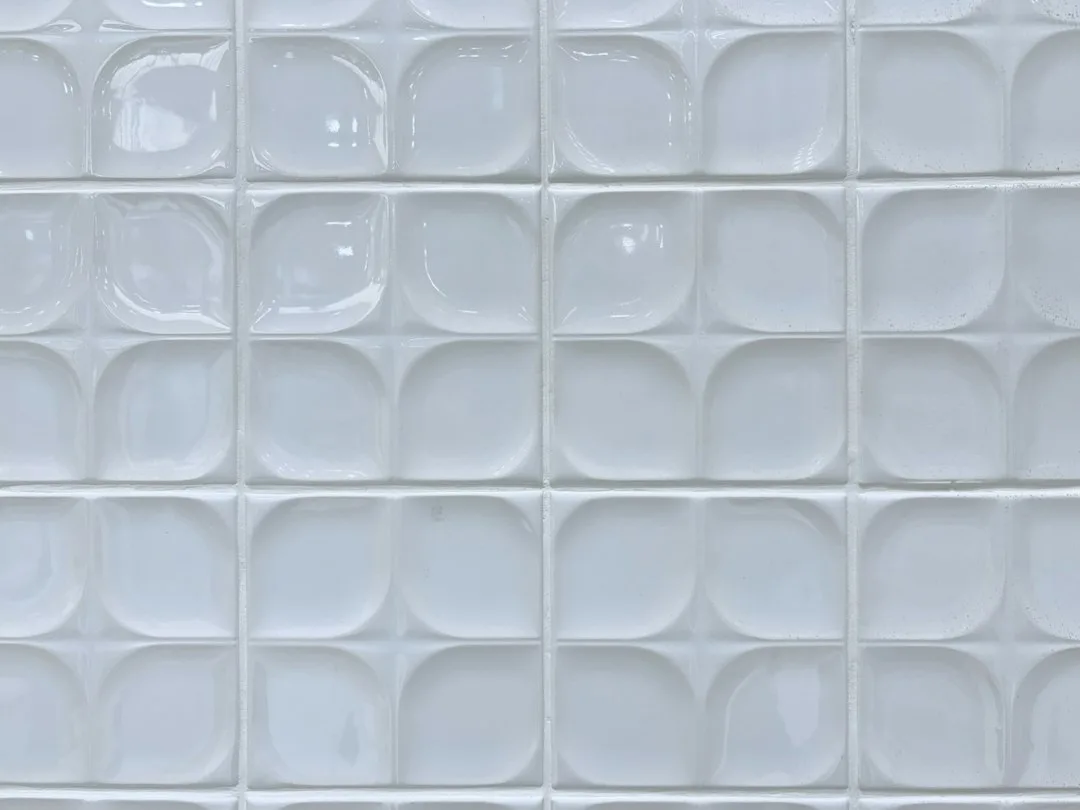
Porcelain manufacturers released 47 new pattern collections between January and September 2026, expanding from traditional marble veining into botanical prints, geometric tessellations, and abstract organic forms. The pattern density directly impacts how the accent wall reads in completed space.
Rooms under 100 square feet benefit from minimal or scattered pattern—large areas of solid color with accent details—because dense geometric pattern can feel claustrophobic in tight quarters. Conversely, open-plan kitchens (300+ square feet) can anchor pattern-heavy tiles because the visual mass distributes across a larger spatial field.
When designing with purpose, match tile scale to wall height: a 9-foot ceiling supports 12×24 or larger formats; 8-foot ceilings work better with 12×12 or 12×18 to avoid awkward partial-tile cuts at the ceiling line.
Color grout versus color-matching grout: the finish question
Epoxy grout choice fundamentally alters how the installed tile reads. Neutral grout (gray, taupe, white) recedes, allowing the tile pattern to dominate visual hierarchy.
Contrasting grout (charcoal on light tiles, light on dark tiles) emphasizes the grid, creating a geometric secondary pattern that competes with the primary tile design. Both approaches are valid; the distinction matters for intent.
Unsanded epoxy grout is mandatory for joints under 1/8 inch. Sanded epoxy handles wider joints (1/8 to 1/2 inch) and resists sagging during curing on vertical surfaces. This technical detail prevents grout from slumping and creating uneven lines.
Why porcelain tile accent walls will dominate through 2027
Three factors secure porcelain’s trajectory: the durability advantage compounds over years (painted walls degrade; porcelain improves with age as patina develops), design software now includes photorealistic porcelain renderings (allowing clients to preview installations accurately), and labor costs for tile installation have stabilized as installer skill pools expanded.
The accent wall itself has evolved. It no longer exists to add color contrast or soften spaces—it now serves as a functional, beautiful, permanent surface that earns its presence through performance. Porcelain tile delivers on that promise in ways wallpaper, paint, and plaster cannot match.
For anyone considering a long-term accent wall investment, porcelain tile represents the choice that stops asking your wall to prove its value after five years and starts proving it every single day.