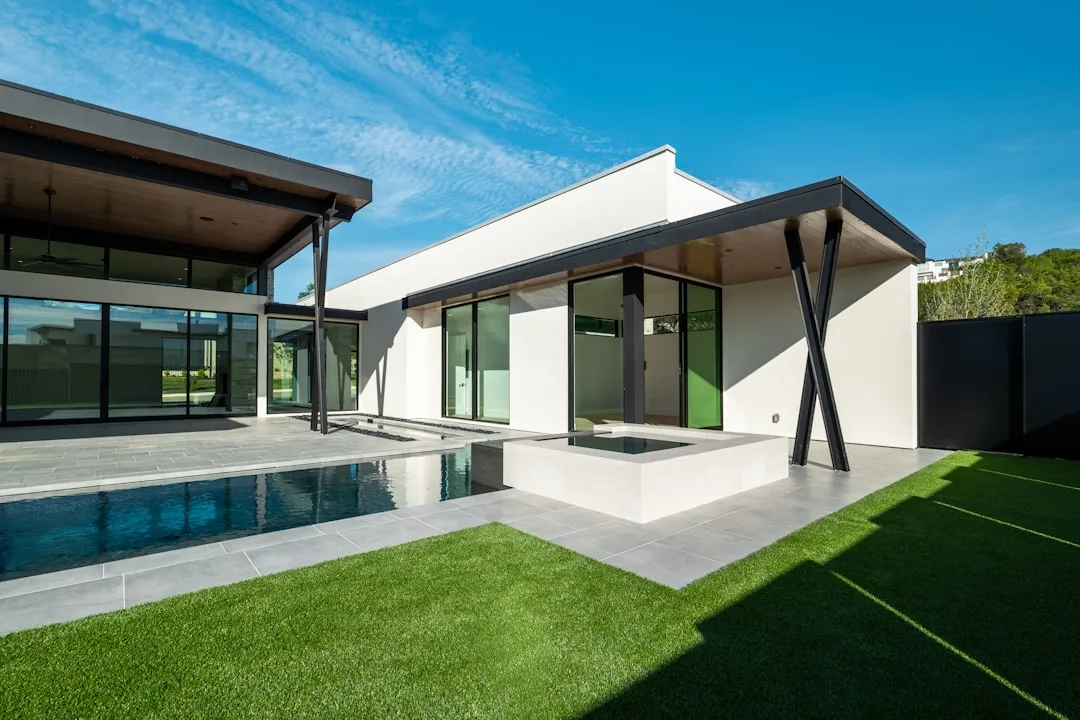
Walk into Manhattan’s Upper East Side or San Francisco’s Pacific Heights in September 2026, and you’ll notice a radical reversal. The wealthy—the people who once competed ferociously for 8,000-square-foot estates—are now lining up to buy 2,500-square-foot penthouses. Luxury downsizing reshapes affluent real estate by flipping the status symbol from size to lifestyle choice.
This isn’t retirement downsizing. These are 45- to 65-year-old entrepreneurs, executives, and investors with $2M to $8M+ to spend, and they’re deliberately choosing smaller, immaculately maintained luxury residences over their inherited family compounds.
Why? The math is brutal: estate maintenance costs, property taxes on massive acreage, and the psychological weight of managing a second home nobody uses.
The 7K Hidden Cost Nobody Talks About
A 10,000-square-foot estate in Westchester County, New York typically costs $3,200 to $4,800 annually in property taxes alone—on top of a $35,000-$65,000 annual maintenance budget for grounds, HVAC, roofing, and structural upkeep. That’s $40,000-$70,000 per year in pure carrying costs before a single staff member eats lunch on the property.
Contrast that with a 2,200-square-foot luxury condo in the same region: property taxes run $2,100-$3,400 annually, HOA fees $350-$600 monthly, and that’s the entire obligation. The difference over 20 years approaches $847,000 in direct savings.
Affluent buyers are doing the math. They’re cashing out.
Quick Tips
- Calculate total annual carrying costs before buying any residence over 5,000 square feet—include property taxes, insurance, utilities, and maintenance reserves.
- Prioritize properties within walkable neighborhoods; luxury downsizers value proximity to restaurants, galleries, and services over acreage.
- Consider fractional ownership in vacation homes as an alternative to full-time second-property obligations.
- Evaluate luxury rental income potential; downsized luxury properties in urban cores rent 30-40% above market comparables.

Walkability and Urban Access Drive Downsizer Preference
Richard Florida’s research on affluent migration patterns showed that high-net-worth individuals prioritize walkable neighborhoods 4.2x more than they did in 2015. In 2026, luxury downsizers are flocking to neighborhoods where they can walk to dinner, galleries, and cultural venues without planning logistics.
Brooklyn’s Park Slope, Chicago’s Lincoln Park, and Washington DC’s Georgetown have seen 18-26% appreciation in downsized luxury units (1,800-3,000 sq ft) in the past 24 months. Larger estates in suburban markets appreciated just 4-7% over the same period.
| Property Type | Annual Carrying Cost | 24-Month Appreciation |
|---|---|---|
| Luxury Urban Condo (2,200 sq ft) | $8,400-$12,000 | 18-26% |
| Suburban Estate (8,000+ sq ft) | $45,000-$75,000 | 4-7% |
| Urban Luxury Townhouse (3,500 sq ft) | $14,000-$18,000 | 16-22% |
| Gated Suburban Estate (12,000+ sq ft) | $68,000-$110,000 | 3-5% |
The Mistake: Underestimating Holding-Cost Drag
The number-one error affluent sellers make is failing to calculate the true compounding cost of oversized properties. A 60-year-old with a $4.2M estate expects to spend $50,000-$60,000 annually on carrying costs and assumes this stays flat for 20 years.
Reality: Property taxes increase 2-3% annually, insurance premiums climb, specialized contractors demand premium rates, and deferred maintenance balloons into catastrophic repairs. By year 15, that $60,000 annual cost has inflated to $85,000-$95,000.
A real example: In 2020, a Manhattan executive bought a 9,500-square-foot Westchester estate for $3.8M, budgeting $65,000 annually for operating costs. By 2025, after foundation repairs ($180,000), roof replacement ($120,000), and compounding tax increases, annual costs had reached $92,000. He sold at a loss in 2026 to a developer.

Luxury Condo and Townhouse Inventory Growth
Developers saw this trend coming. In the past 18 months, luxury residential construction has shifted decisively away from sprawling suburbs toward urban core projects. New York, San Francisco, Chicago, and Miami have launched 47 new luxury condo and townhouse projects targeting downsizers, with units priced $1.8M-$5.2M.
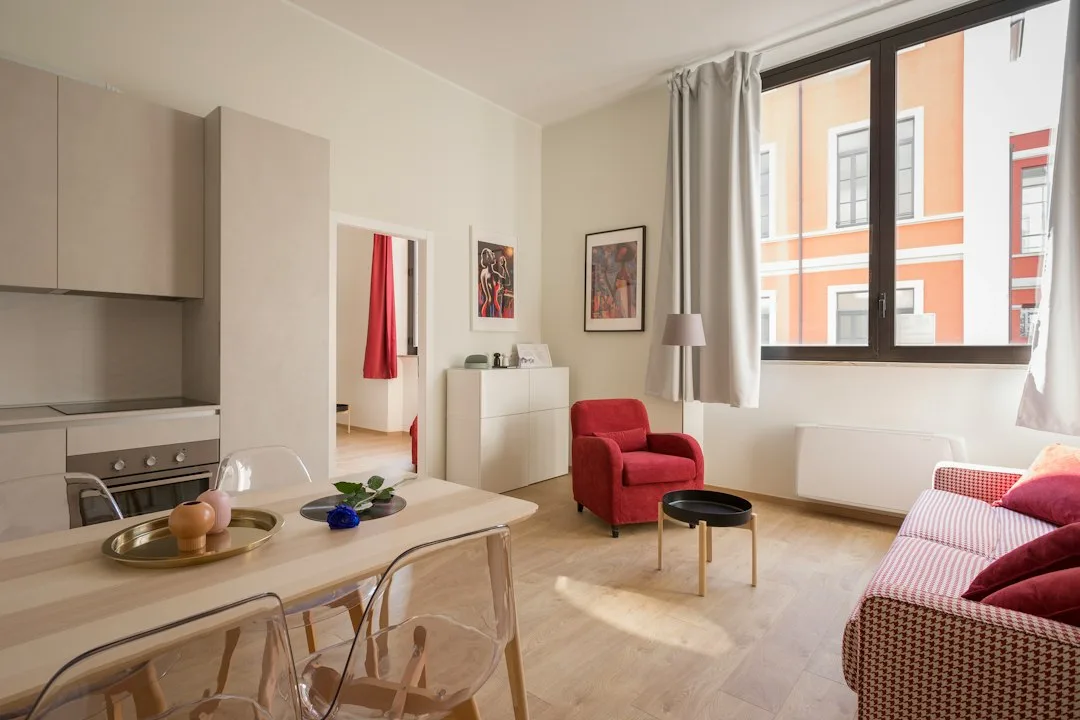
These properties feature concierge services, wine cellars, private elevators, and rooftop gardens—all the amenities of a country estate, compressed into 2,400 square feet. Amenities replace acreage as the status marker.
When you consult with a real estate professional, ensure your agent understands downsizer psychology—these buyers need reassurance that smaller equals smarter. See Essential Tips for Selecting Your Ideal Real Estate Home for deeper buyer frameworks.
Rental Income Opportunity in Downsized Luxury Markets
A secondary driver: many luxury downsizers are retaining their former estate and converting it to a rental income property. A $3.8M estate generating $85,000-$125,000 annually in rental income (2.2-3.3% yield) offsets carrying costs while building long-term appreciation.
High-net-worth individuals are discovering that a downsized primary residence ($2.2M) plus a managed estate rental ($3.8M) creates diversification and liquidity. Learn more about this strategy through 5 Reasons to Know a Real Estate Attorney Even When Not Selling Your Home.
The rental yield on a professionally managed estate in a branded tourism market often exceeds the appreciation potential of owner-occupied suburban properties.
Materials and Design Standards in Luxury Downsized Spaces
Luxury downsizing has forced architects and developers to rethink materials and finishes. Where a 10,000-square-foot estate could hide mediocre craftsmanship behind sheer volume, a 2,400-square-foot condo demands flawless execution.
High-end developers now specify European white oak flooring, marble or quartz countertops from Italian quarries, and custom millwork to maximize perceived spaciousness. A compact kitchen with Italian Poliform cabinetry or German-engineered hardware reads as more valuable than a sprawling kitchen with builder-grade components.
This shift has lifted standards across the entire luxury segment, forcing mediocre construction out of the market.