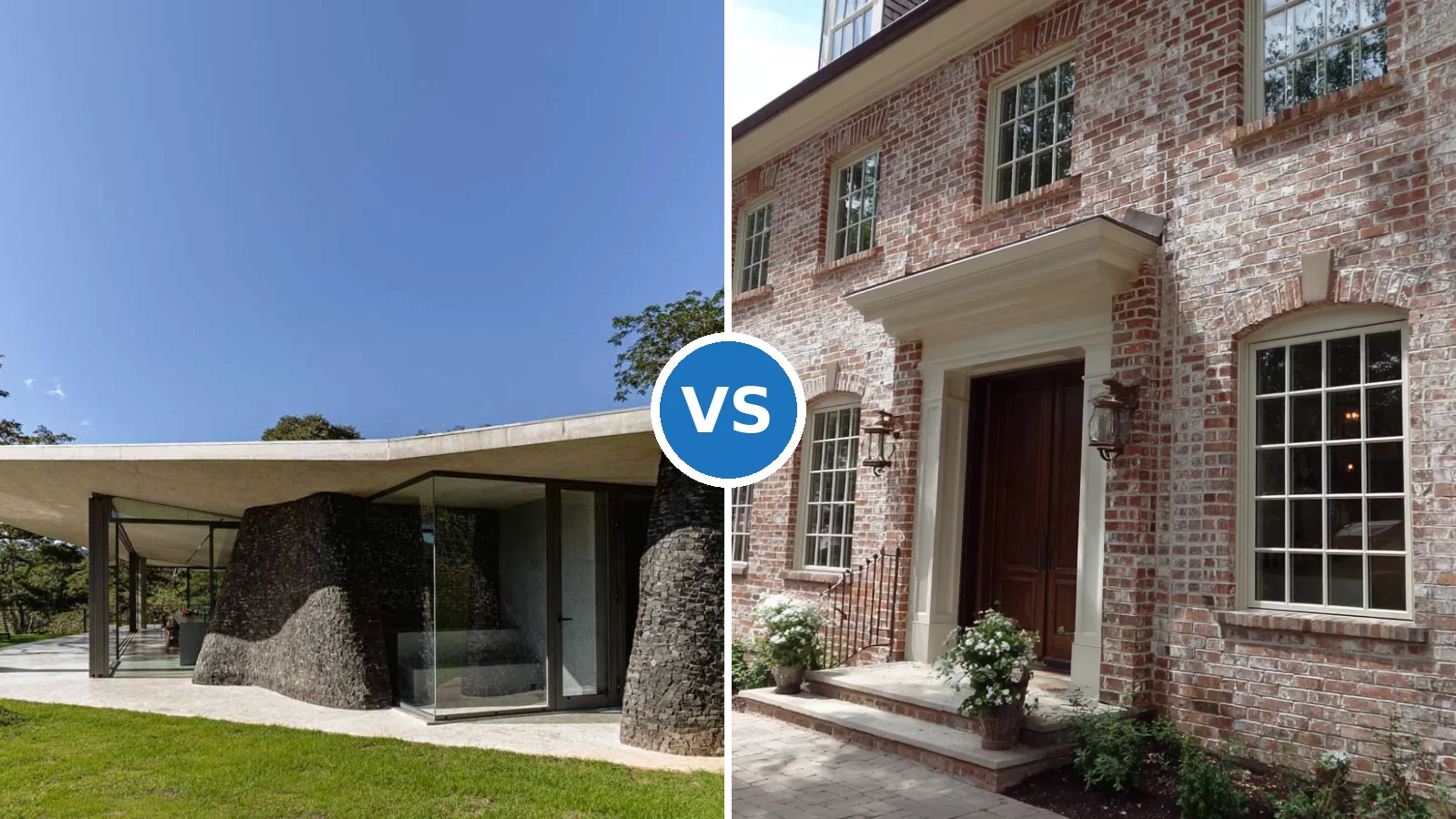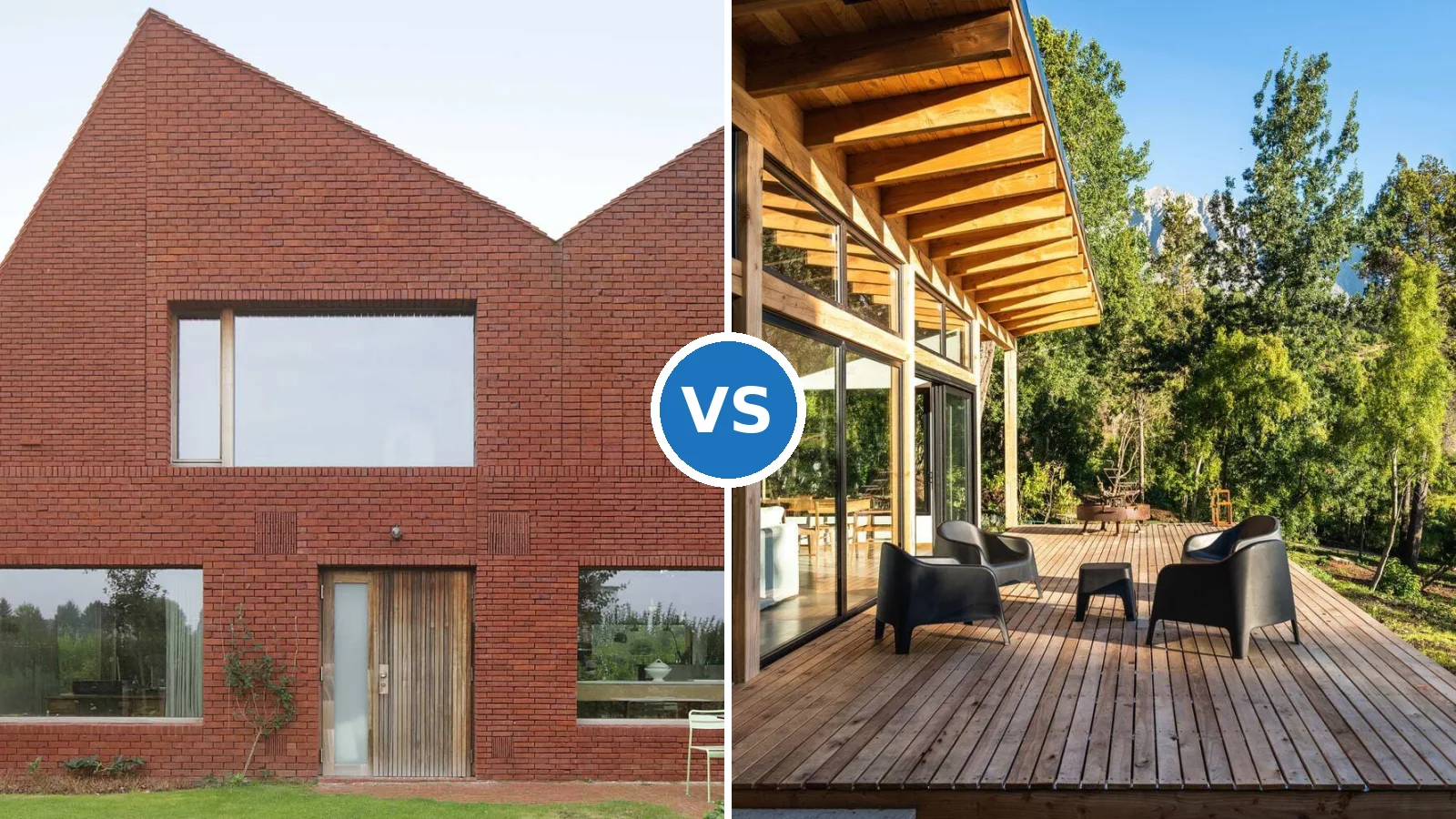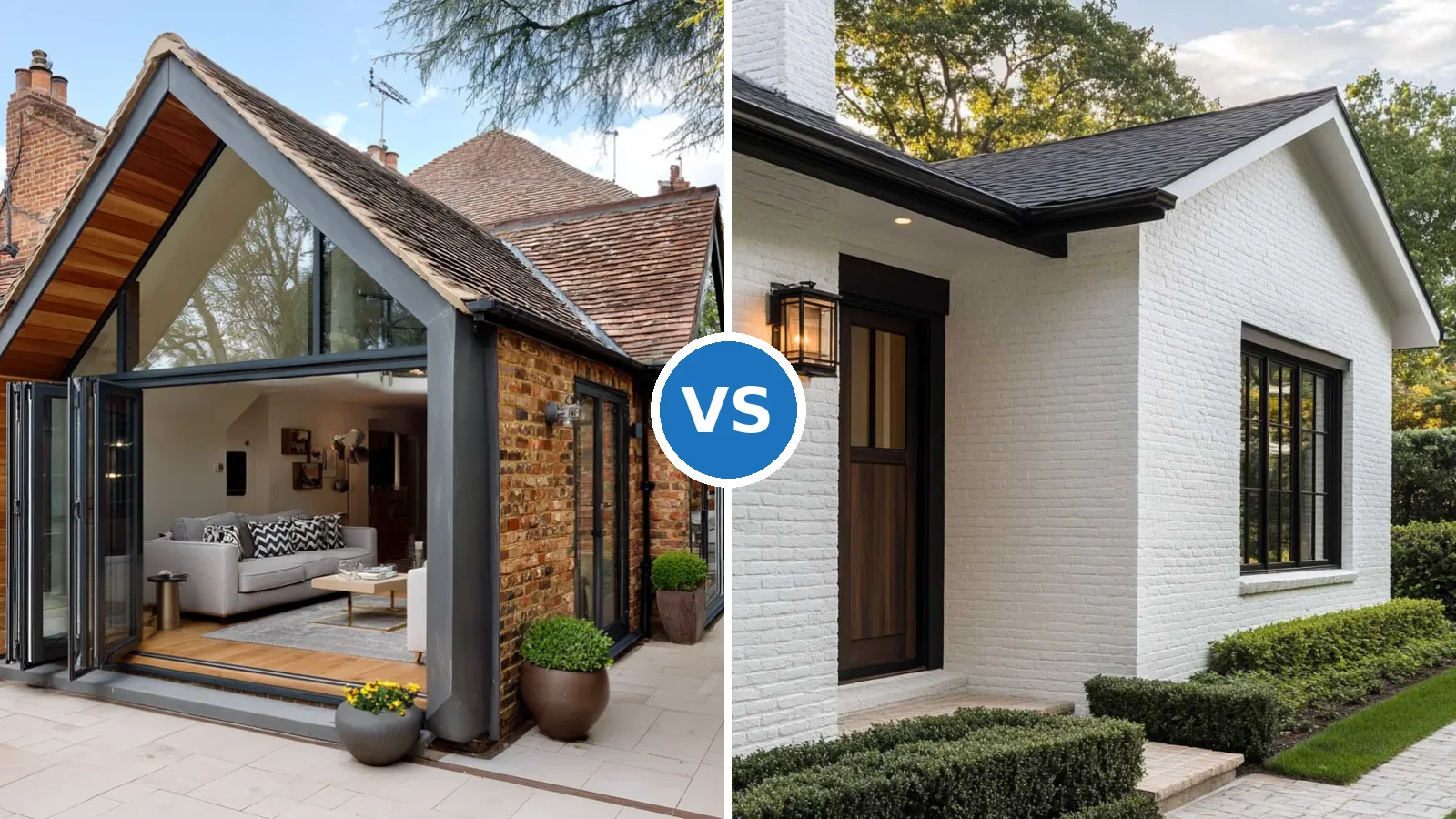
You’re standing in your living room thinking about making it bigger. But bigger how—by pushing outward with a modern steel frame addition, or by anchoring your current walls with rich brick character? When choosing between a steel frame extension vs brick accents, the decision hinges on what you actually want your home to say and how you want to live in it.
A steel frame extension reaches outward: it adds square footage, brings in light, and speaks a language of contemporary design. Brick accents stay put: they deepen the warmth of what you already have, add texture and history, and settle into the bones of your home. Steel suits someone who needs more room and wants a clean, customizable look. Brick suits someone who wants to invest in the soul of their space.

What steel frame and brick accents actually deliver
Steel frame house extensions are structural systems made from steel that grow your home outward. They come in various shapes and sizes, can be customized to fit almost any space—even tight or unconventional footprints—and provide a strong structural foundation. The lightweight nature of modern steel materials means construction can happen faster than traditional methods, and you gain open-plan flexibility with large window placements.
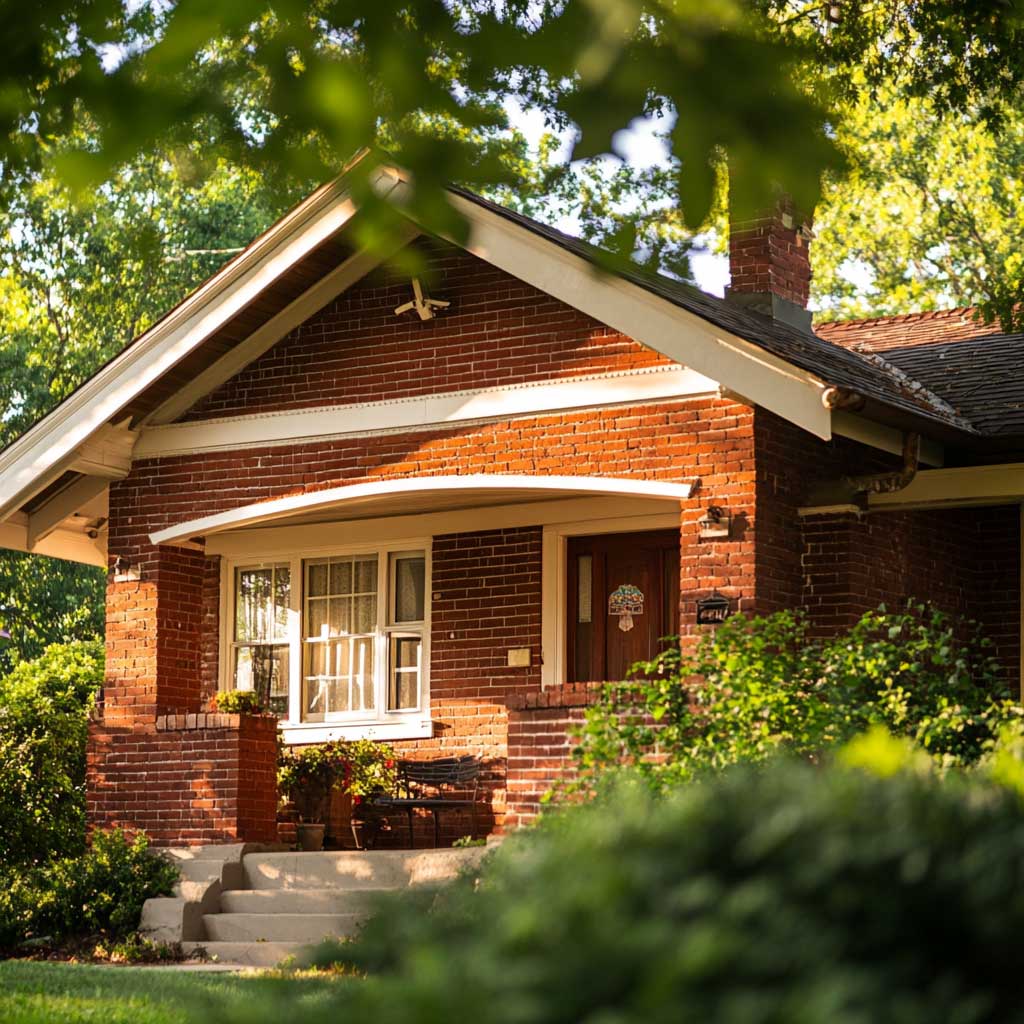
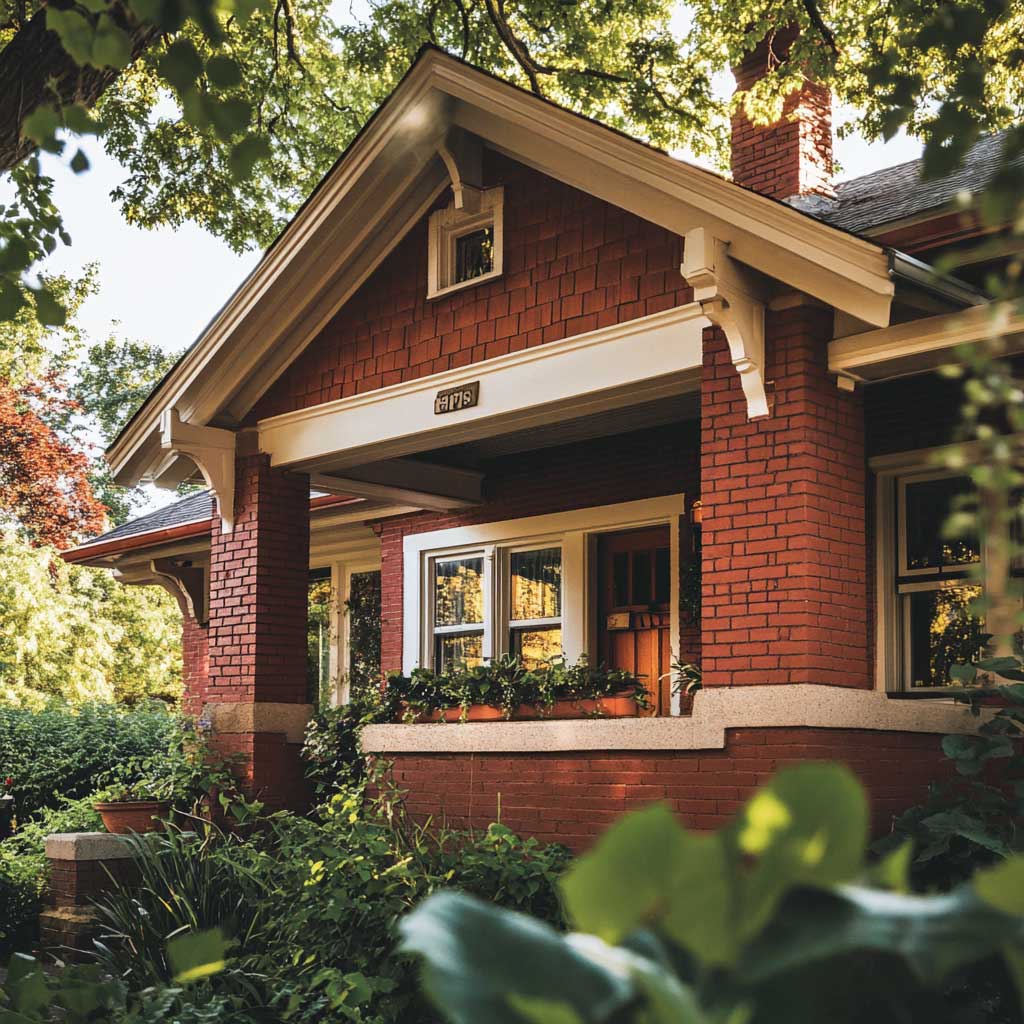
Brick accents enhance your existing exterior by adding partial features, full walls, or intricate detailing. They don’t expand your home; they deepen its presence. Warm red brick, textured brown-and-tan patterns, and crisp white brick each bring different moods—from classic rural charm to contemporary sophistication. Brick’s natural color variations and layered appearance create depth and visual interest over time.
Quick Verdict
- Choose steel frame extension if you need more space, want a modern aesthetic, and value design flexibility and faster construction.
- Choose brick accents if you want to deepen your home’s character, prefer timeless elegance, and are willing to invest in craftsmanship.
- Choose steel if your home lacks open, airy living zones.
- Choose brick if your exterior feels plain or disconnected from its surroundings.
Steel frame extension vs brick on what matters most
Visual impact: Steel extensions offer sleek lines, modern shapes, and a clean aesthetic that feels contemporary and airy. Brick brings warmth, texture, and a sense of permanence that deepens with age and weather.
Durability: Steel is exceptionally strong and built to last, resisting structural stress. Brick is also incredibly durable and weather-resistant, capable of withstanding elements for decades while maintaining its beauty. Both are long-term investments.
Customization: Steel allows for experimental design—you choose materials, finishes, colors, and layouts. Brick patterns can vary (running bond, intricate layouts), but your options are bounded by brick traditions and craftsmanship.
Cost level: Steel frame extensions offer better value than traditional wood frames because of durability and cost-efficiency. Brick detailing requires skilled labor and careful placement, reflecting a commitment to quality, so it carries a craftsmanship premium.
| Criteria | Steel Frame Extension | Brick Accents |
|---|---|---|
| Primary function | Adds new living space outward | Enhances existing exterior inward |
| Structural role | Expands footprint and square footage | Reinforces aesthetic and character |
| Design flexibility | Highly customizable in shape and size | Limited to brick patterns and placement |
| Modern vs. traditional | Contemporary and experimental | Classic and timeless |
| Installation speed | Faster than traditional extensions | Requires skilled hands and precision |
| Maintenance demands | Lower upkeep; standard home maintenance | Minimal maintenance; ages beautifully with weathering |

Where steel frame extension wins
Steel frame extensions win when you genuinely need more square footage. They solve the problem of a cramped kitchen, a missing bedroom, or a home office squeezed into a corner. You get functional, beautiful space—not just decoration.
They also win on design experimentation. You’re not bound by brick’s centuries of tradition; you can create shapes and palettes that match your personal style. Large windows, open-plan layouts, and contemporary color schemes become natural.
For homes in unconventional spaces or with odd angles, steel’s lightweight and customizable nature means you can build where masonry might fail or cost far more. That’s a real advantage.


Where brick accents win
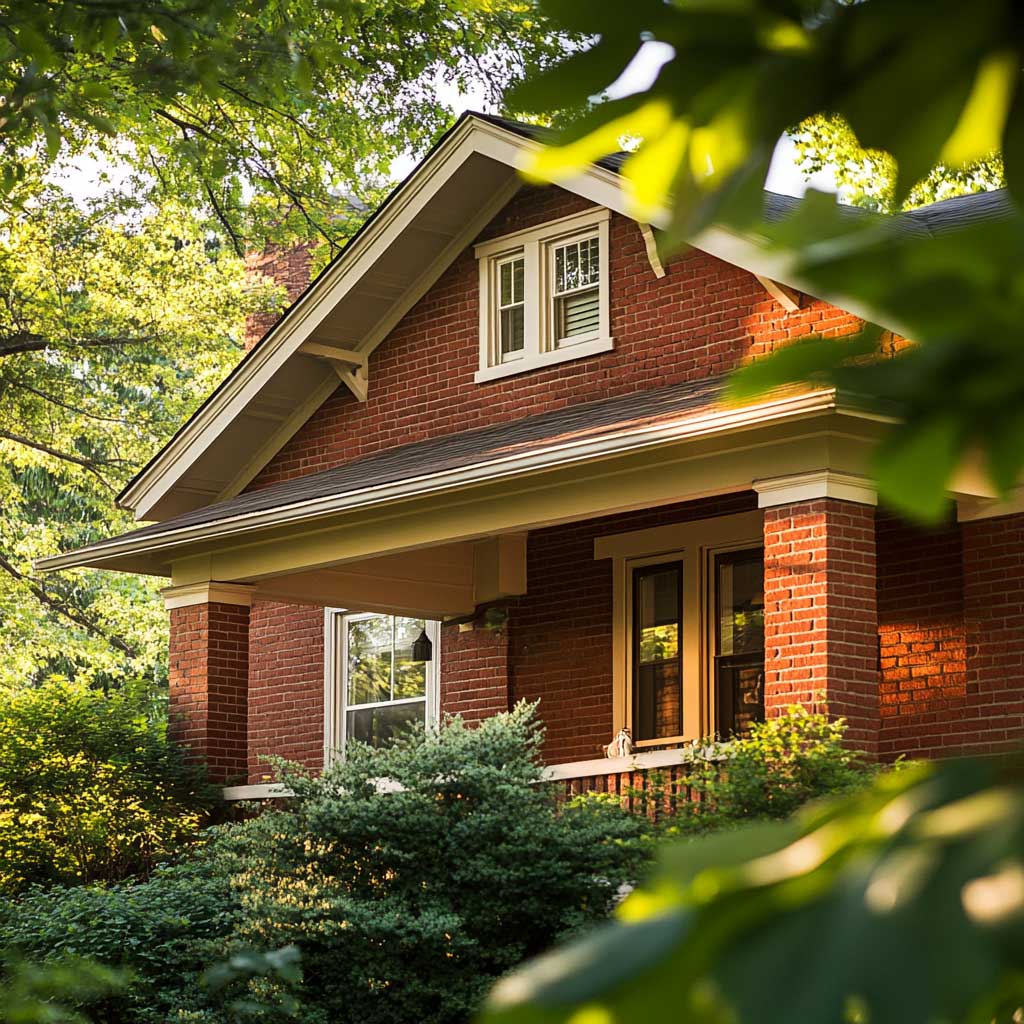
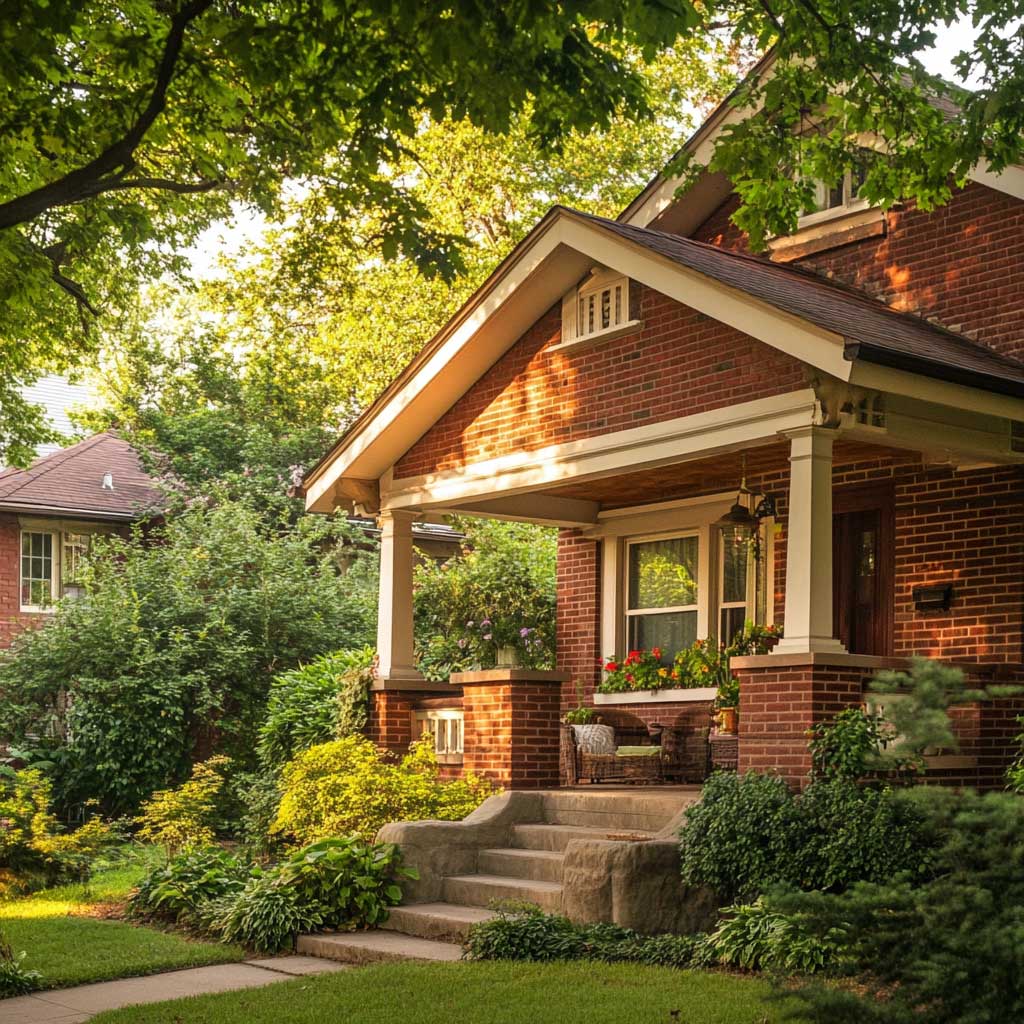
Brick wins on permanence and presence. It doesn’t require you to restructure your home; it simply says, “I belong here, and I always have.” The rich, earthy tones and natural color variations add depth that makes a home feel rooted.
Brick also wins on craftsmanship storytelling. Each brick in a textured design is carefully placed, reflecting a level of skill and intention that modern construction often lacks. This builds emotional connection to your space.
And brick wins on neighborhood cohesion. In areas where classical architecture dominates, warm red brick or crisp white brick connects your home to its context rather than standing apart as a contemporary statement.
The number one mistake people make choosing between them
The biggest mistake is treating them as the same choice. A homeowner thinks, “I want to improve my house,” then flips a coin between “extend it” and “make it prettier.” These are different goals.
The result? Someone builds a steel frame extension they didn’t really need because they wanted visual warmth—then feels cramped by the cost and loss of yard space. Or someone adds brick accents hoping it would somehow give them a home office, only to realize they’re back where they started, just prettier.
Ask yourself first: Do I need more space, or do I need the space I have to feel more like me? The answer determines which direction you go.

Final verdict — which should you choose
Choose a steel frame extension if your household has outgrown your current footprint and you want the addition to feel modern and integrated. You’re investing in function and contemporary style that will serve you for years.
Choose brick accents if your home has good bones and good size, but lacks visual depth and warmth. You’re investing in character and permanence—a quality that appreciates emotionally and financially without requiring structural upheaval.
Many homeowners will benefit from both, at different times: a steel frame extension that provides the extra bedroom, paired with brick detailing on the connecting wall that ties old and new together. But if you can only choose one, let your actual need—more space or more soul—guide you home.
FAQ
Can I combine steel frame extension with brick accents?
Which option adds more value to a home?
How much maintenance does each require?
Is brick accent installation expensive?
Can a steel frame extension look warm and inviting?
Complete guide
Exterior Decor Ideas Every Homeowner Should Know
Facade trim, moldings, patio design, garden, hardscape, outdoor living — all in one place
Complete guide
Brick in Every Room and Facade Worth Seeing
Exteriors, interiors, patios, bathrooms, colors, patterns, materials — all in one place