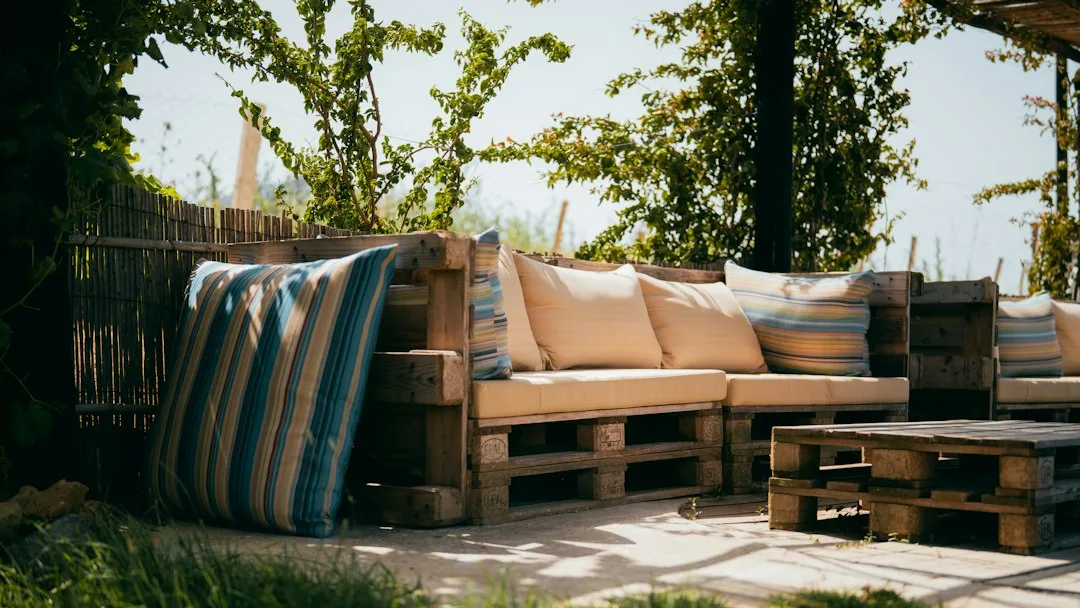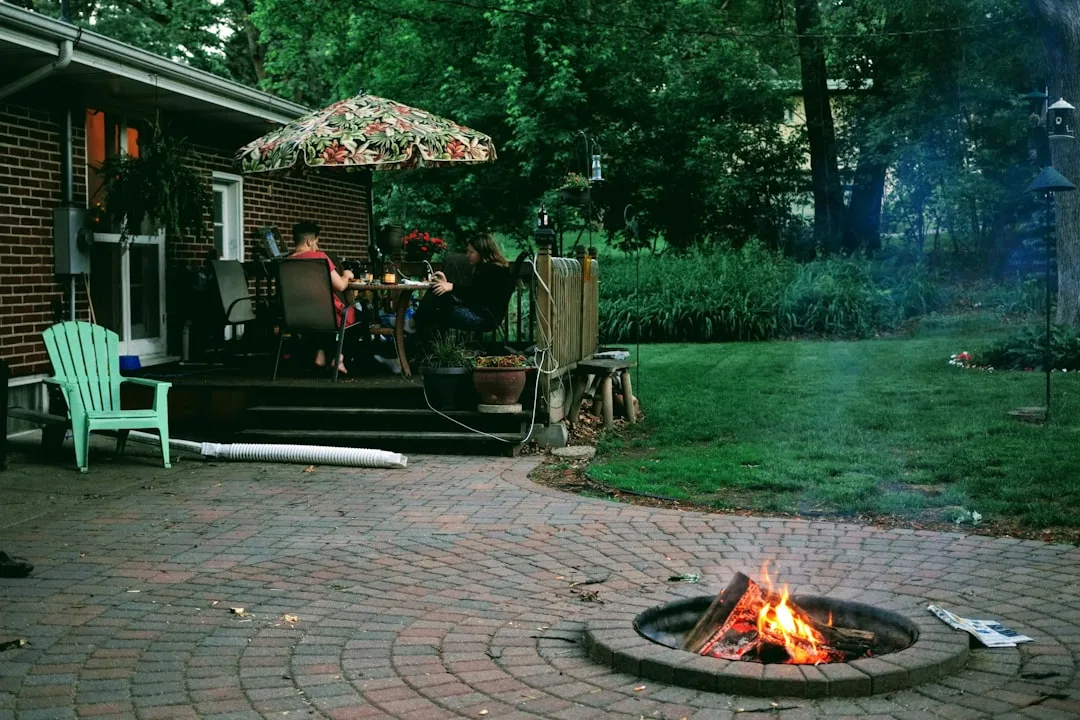
Backyard fire pits have become the centerpiece of outdoor entertaining, but 2026 shows a marked shift away from random chair placement toward intentional seating geometry. Outdoor fire pit seating now follows specific radius rules, materials hierarchies, and social-distance calculations that homeowners rarely considered five years ago. A well-designed fire pit seating zone can increase backyard usability by 40% and create year-round gathering potential.
Why Fire Pit Radius and Seating Distance Matter Most
The National Fire Protection Association recommends a minimum 10-foot clearance from fire pit edges to any structure, but smart seating placement uses the 8-12 foot arc as the optimal comfort zone. At 8 feet, radiant heat feels warm without scorching; beyond 12 feet, conversation becomes difficult and the gathering feels dispersed. Solo Stove, a leader in outdoor fireplace design, engineers their pit models specifically around this thermal envelope—their fire bowls sit 28-32 inches off ground, which projects heat at a predictable 15-degree upward angle.
This geometry matters because it lets you calculate exactly how many people can sit comfortably. A semicircle of seating 10 feet out from the pit edge accommodates 4-6 adults without anyone feeling crowded or too hot. Most homeowners ignore this math and end up with either a tiny gathering (too close, too hot) or a scattered group where the people at 12+ feet feel isolated.
Quick Tips
- Measure 10 feet from your fire pit center before placing benches or chairs—this is peak comfort range
- Choose low-slung seating (16-18 inches high) so the pit view and conversation sight lines stay level
- Angle benches slightly inward, not perfectly perpendicular, to create a subtle embrace that encourages eye contact
- Use permeable paver bases under seating to handle water runoff and prevent mud during rain
- Leave one access gap (roughly 2-3 feet) for guests to approach the fire safely
Built-In Bench vs. Modular Furniture Seating Strategies
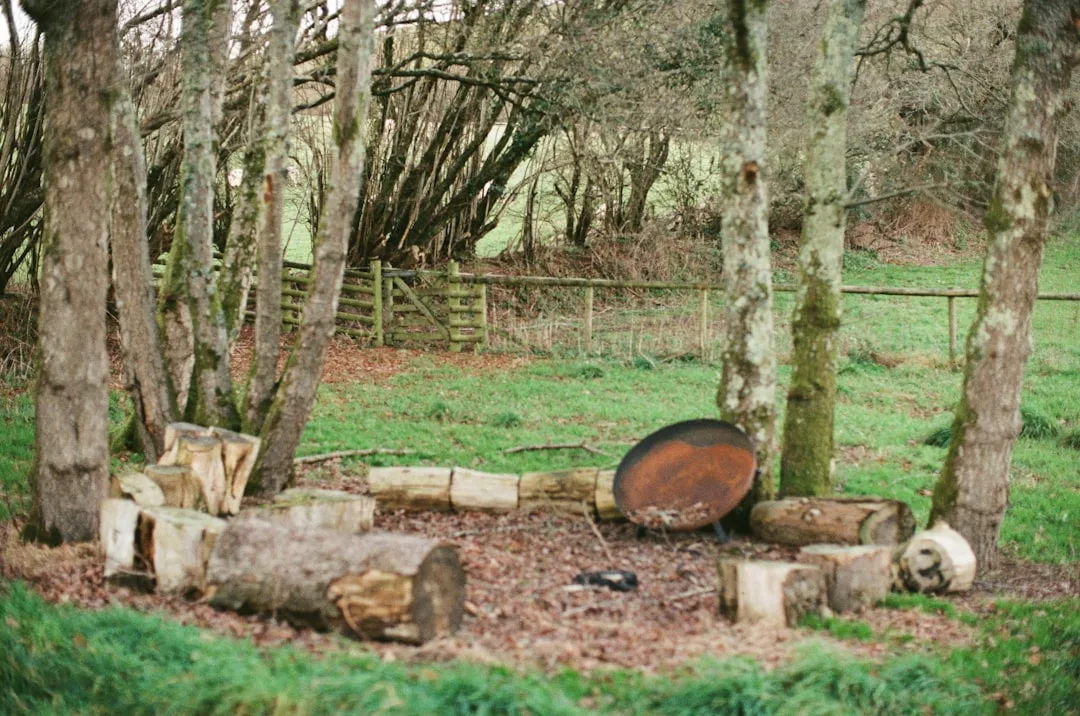
Teak wood remains the gold standard for fire pit benches because it resists checking and splits when exposed to thermal cycling—the constant heat-cool stress that degrades softwood. A curved teak bench (48-72 inches long) costs roughly $800-1400 and lasts 15+ years with minimal maintenance. Composite materials like Polywood (recycled plastic lumber) offer the same durability at lower cost and require zero staining.
| Seating Type | Thermal Durability | Maintenance Level |
|---|---|---|
| Teak Benches | Excellent—resists warping | Low (annual seal) |
| Polywood Composite | Excellent—no splitting | Very low (wash only) |
| Metal Frame Chairs | Good—frame stable | Medium (cushion rot) |
| Standard Softwood Benches | Poor—splits within 3 years | High (replacement cycle) |
| Concrete Built-In Seating | Excellent—inert material | Low (reseal every 2 years) |
Modular seating (sectionals, individual chairs, and ottomans) offers flexibility that fixed benches cannot match. A client can reconfigure a fire pit zone from 6-person gathering to 10-person party layout in 10 minutes. Restoration Hardware and Weather King both manufacture outdoor sectionals rated for direct sun and moisture, with performance fabrics that reject water and prevent mildew.
The Most Common Fire Pit Seating Mistake—And How to Avoid It
The #1 error homeowners make is placing seating in a perfect circle, equidistant from the pit. While geometrically balanced, this arrangement forces people to sit shoulder-to-shoulder and negates conversation zones. A 360-degree circle of chairs at 10 feet creates an awkward stadium feeling where everyone watches the fire instead of each other.
The fix: Plan seating in a 180-220 degree arc instead of a full circle. Position benches or chairs on one side of the pit, leaving the far opposite side open for the viewing experience without forcing attendance. This keeps social groups clustered naturally while maintaining clear sightlines to the flames. Beautiful Single Story House with Patio Yard shows this principle in action—notice how the seating curves inward rather than enclosing completely.
A practical example: if your fire pit occupies a 4-foot diameter area, run benches from the 10 o’clock position to the 2 o’clock position, maintaining 10 feet radius. This creates a 120-degree seating arc with natural depth for conversation while allowing guests to move without bumping chairs.
Height, Sight Lines, and Thermal Comfort in Seating Design
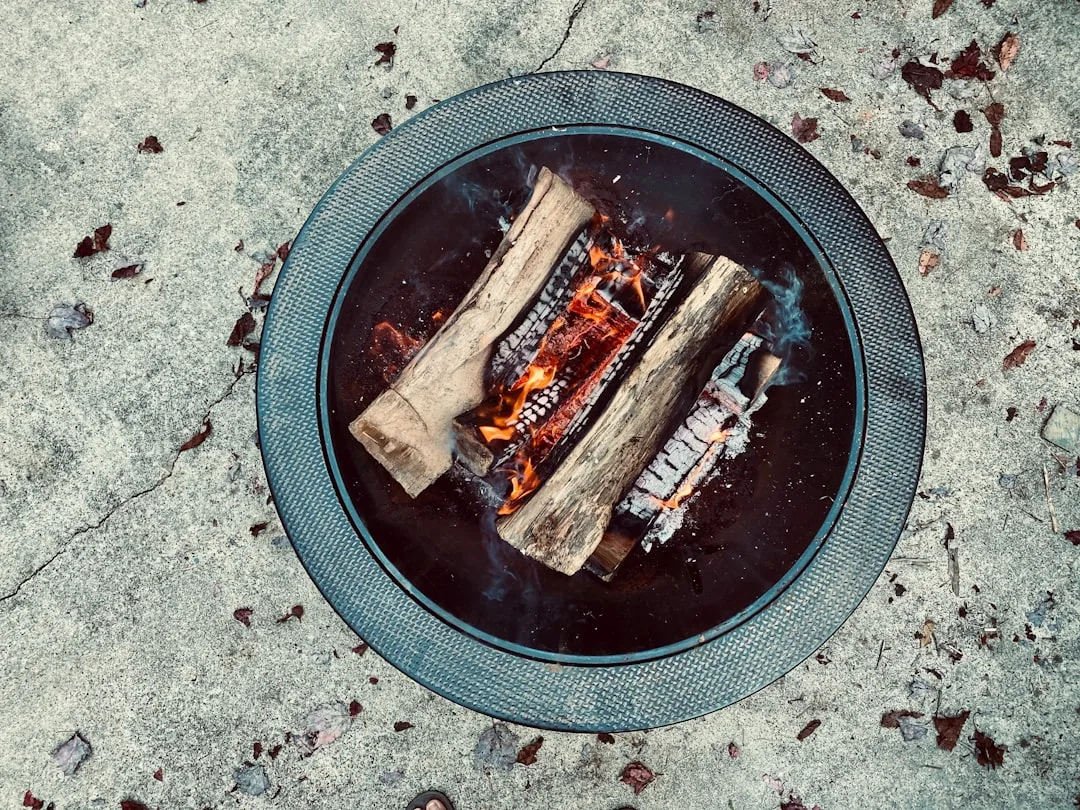
Seating height directly affects how much warmth you feel and whether you can see other guests. Standard outdoor chairs (18-20 inches) sit too high for fire pit zones because they position your torso above the radiant heat peak. Low-profile seating (14-16 inches) aligns your core with the optimal thermal band while lowering your eye level to match other guests.
Loveseat-style benches (72+ inches wide, 18 inches deep) accommodate two people comfortably and create natural pairing within group gatherings. Pair one loveseat with two individual chairs in a curved arrangement, and you’ve built a 5-person social node without the cost of a full sectional. This hybrid approach costs 30-40% less than modular seating while maintaining flexibility.
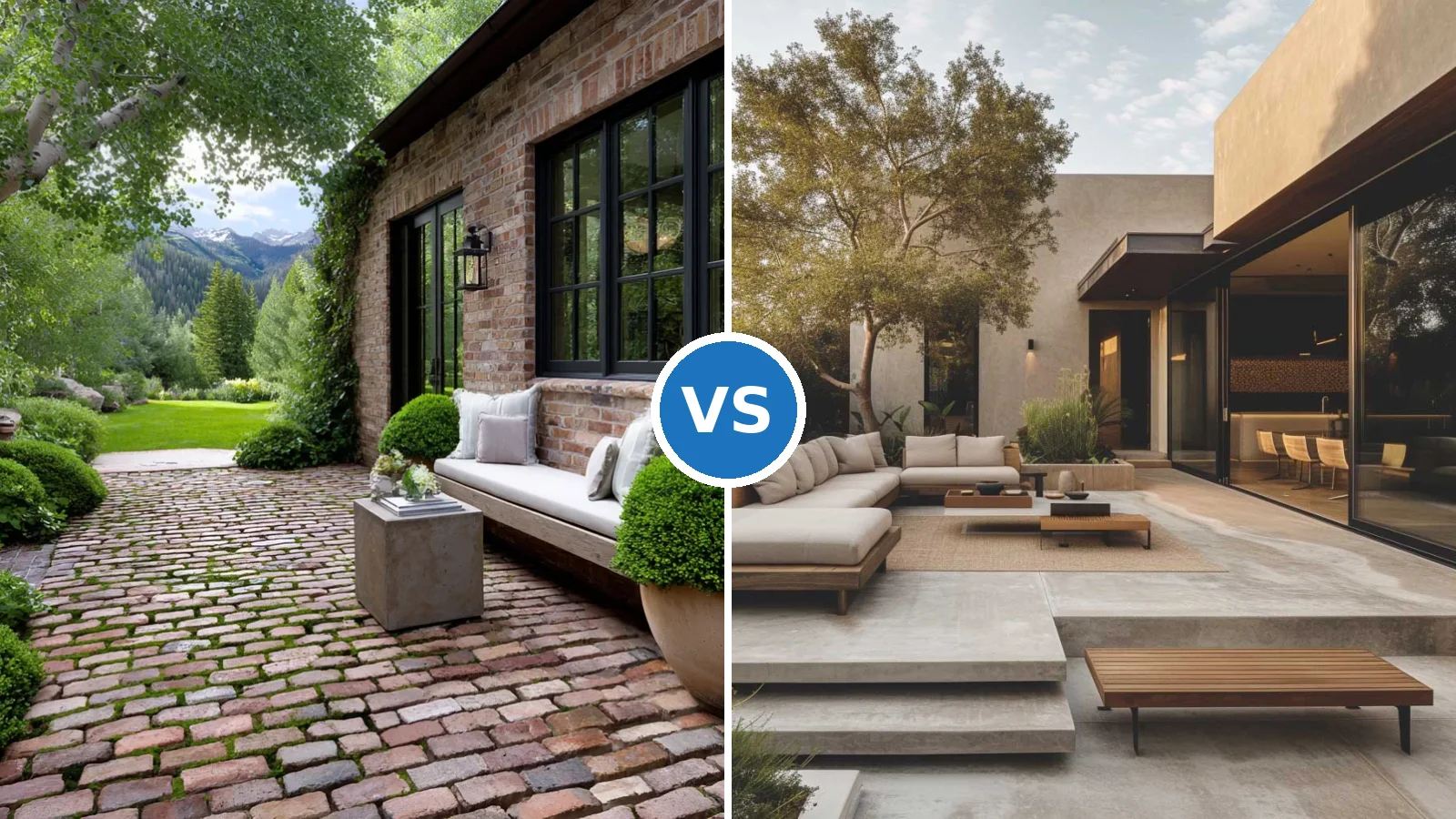
Concrete House Idea With Patio Style Courtyard demonstrates how built-in concrete seating edges can anchor fire pit zones without requiring furniture investment.
Material Durability Through Full-Year Exposure
Fire pit seating endures temperature swings from 100°F in summer to sub-freezing in winter. Cushions degrade fastest—mildew and UV damage shorten lifespan to 2-3 years unless stored seasonally. Outdoor cushion covers (like those from Sunbrella, with acrylic performance fabric) resist fading and mildew, extending cushion life by 5+ years.
Stone or concrete bench surfaces outlast wood by decades and require only periodic sealing (every 2-3 years). Stone work demands front-end installation cost ($2000-3500 for a curved 30-foot bench) but eliminates replacement cycles entirely. Wood seating saves money initially but needs refinishing or replacement every 5-10 years.
Metal frames rust if not stainless steel or powder-coated with marine-grade finishes. Powder-coated aluminum frames hold up better than painted steel, which corrodes where the coating chips around joints and fasteners.
Ambient Lighting Integration With Fire Pit Seating
September 2026 trends show fire pit zones expanding with low-voltage landscape lighting that extends evening usability into fall and winter. String lights, path lights, and uplighting on surrounding plants create layers of illumination that prevent the fire pit glow from becoming the only light source.
Landscape lighting mounted 2-3 feet above seating height casts light across faces and surfaces without creating shadows or glare. Warm color temperature (2700K) complements firelight while cooler tones (3000K) work better in larger spaces where you need visibility. This layered approach eliminates the common mistake of leaving a fire pit zone dark except for the flames.
Adding 6-8 small uplights ($15-30 each) around trees or shrubs near the seating zone costs under $300 installed and doubles evening usability. Solar options work for accent lighting but require clear southern exposure and struggle in cloudy climates.