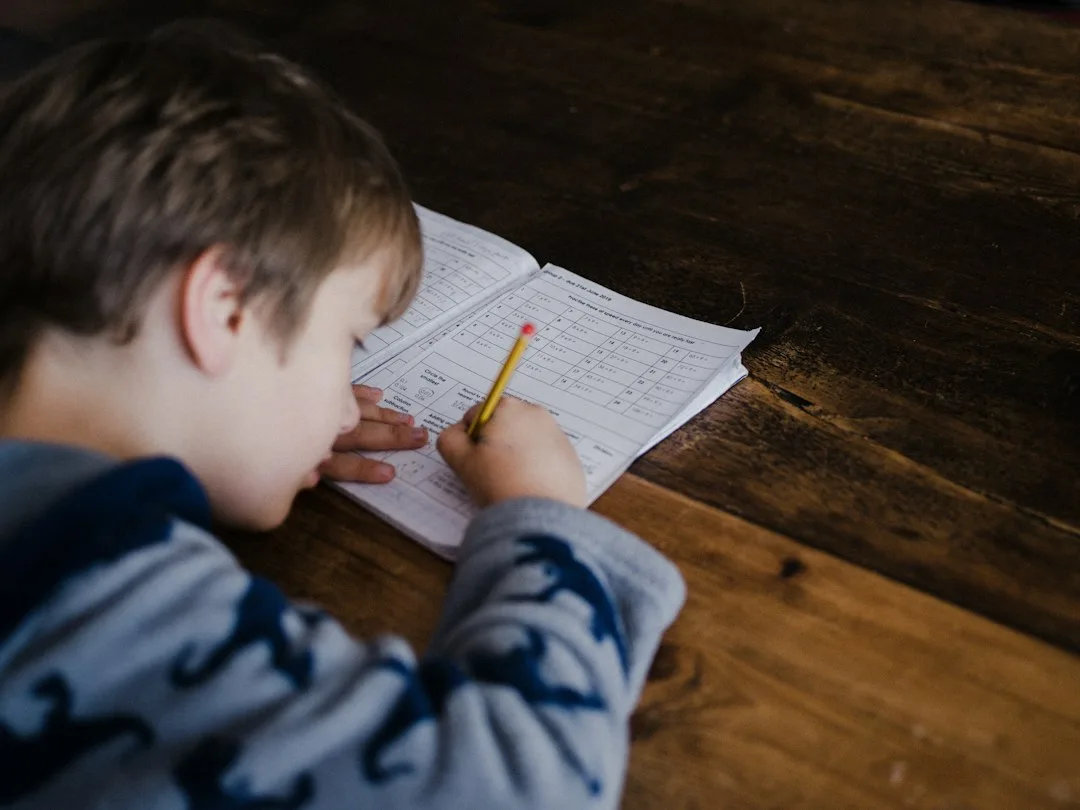
The 3 p.m. arrival home is the most volatile 15 minutes in a family’s day. Children transition from peer-managed social engagement to parental oversight, from movement to stationary focus, from external reward (recess approval) to internal motivation (homework completion). Afterschool routine structure addresses this neurological collision by creating predictable time blocks, designated physical spaces, and object-based cues that signal brain mode shifts. Parents who implement structured afterschool routines report 35–45% fewer homework battles within two weeks.
Why transition timing matters more than strict schedules
Montessori educators and pediatric occupational therapists have documented that children need 12–18 minutes of decompression after school before cognitive load can resume. This isn’t laziness—it’s nervous system recalibration. A child arriving home at 3:15 p.m. is still in sympathetic activation (fight-or-flight hormones elevated from bus noise, hallway crowding, teacher attention demands).
Rigid “sit down at 3:30 for homework” commands work against this biology. Instead, the first 15 minutes should include a physical transition: shoes off, backpack to a designated shelf, a snack at the kitchen counter. The snack itself is not reward—it’s glycemic stabilization that supports prefrontal cortex function for the next 90 minutes.
After that decompression window, a second cue (a visual timer, a song, a parent’s statement: “homework window opens now”) signals the shift. This respects the child’s nervous system while maintaining structure.
Quick Tips
- Post a visual schedule at child’s eye level showing: arrival → snack → 10-min free play → homework block → outdoor time
- Use a 18-minute timer (not a wall clock) for decompression; children respond to visual countdown, not abstract time
- Keep snack station identical each day: same location, same three food options, no negotiation
- Assign a homework zone outside the kitchen; backseat parenting increases homework resistance by 60%
- Create a “backpack landing zone” with hooks, cubbies, or a designated basket; visual clarity reduces the decision fatigue that leads to avoidance
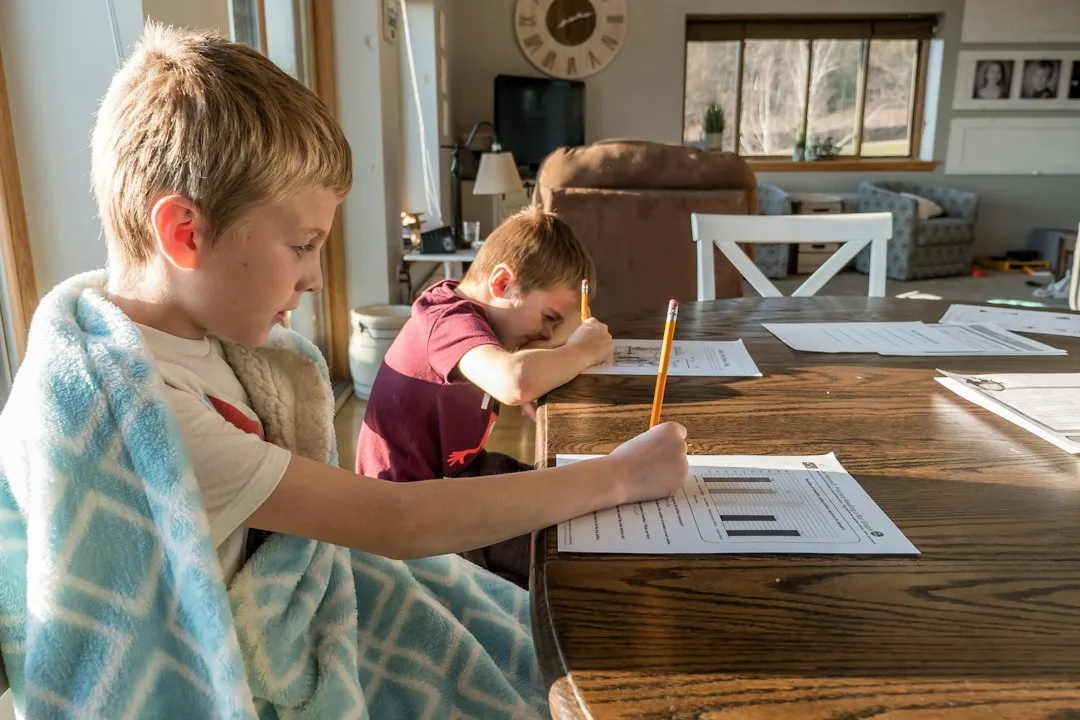
Designing the homework zone as a room-within-a-room
IKEA’s modular desk systems and Steelcase’s classroom-inspired storage cubes are widely adopted by parents building afterschool zones because they offer low-cost, reconfigurable footprints. A 4-foot corner desk with overhead shelving, a desk lamp (warm LED, 3000K color temperature), and a rolling cart for subject-specific supplies creates a focused learning environment without requiring a dedicated bedroom.
Location matters as much as furniture. The homework zone should be visible to the parent (kitchen sightline) but acoustically separate from kitchen activity. A room divider, a half-wall bookcase, or even a fabric tension curtain rod creates psychological boundary without isolation.
The desk should hold only active homework materials: pencil cup, current assignment, blank paper. No tablets, no unrelated toys, no visual clutter. One study of 280 elementary students found that children with three or fewer visible objects on their desk completed assignments 22 minutes faster than those with eight or more objects.
| Element | Purpose | Cost Range |
|---|---|---|
| Adjustable desk lamp | Reduces eye strain; signals focus mode | $25–60 |
| Rolling storage cart | Keeps supplies mobile; prevents desk overflow | $40–90 |
| Visual timer | Makes abstract time concrete for young children | $15–35 |
| Labeled storage bins | Reduces decision fatigue; teaches object location memory | $20–50 set |
| Room divider or curtain | Creates psychological boundary from family activity | $30–120 |
The most common failure: snack-then-homework backfire
Parents often assume “snack plus homework” happens in sequence and assume the snack speeds up homework. In reality, when snacks are high-sugar or high-carb without protein-fat balance, children experience a blood-glucose spike followed by a crash 20–30 minutes later. This crash lands during the homework window, causing fatigue, irritability, and incomplete work.
A child who eats a granola bar and juice box at 3:20 p.m. will hit a dip at 3:50 p.m., exactly when math problems require sustained focus. By contrast, a child who eats whole-grain crackers, cheese, and an apple maintains stable glucose for 90+ minutes. The homework zone feels like the problem when the snack protocol was the culprit.
Second mistake: assuming older children (grades 4+) need less structure. Neurologically, impulse control and task initiation don’t fully mature until age 25. A 10-year-old with no visual schedule or time structure will look autonomous but is actually running on inconsistent effort, leading to half-finished assignments and parent-child tension at 7 p.m.
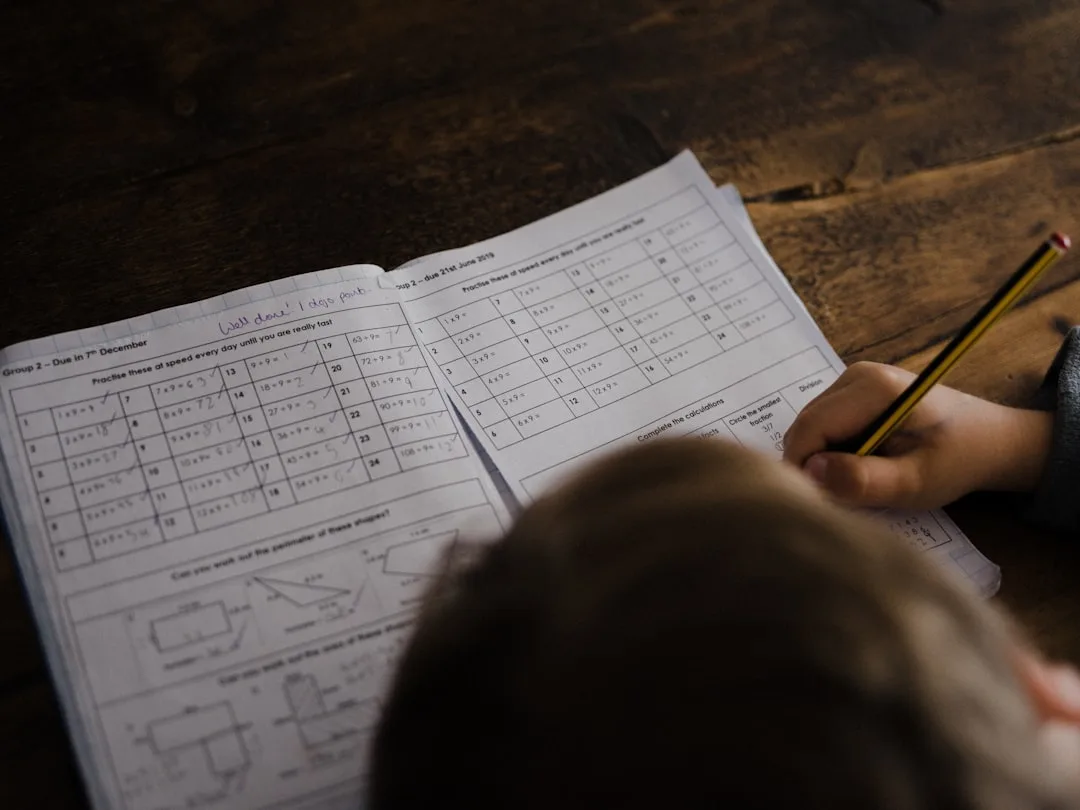
Building in accountability without surveillance
Shared digital calendars or low-tech checklists create transparency without helicopter parenting. Google Calendar Family shared between parent and child (ages 8+) allows children to see their own assignment due dates and afterschool blocks, building self-awareness instead of learned helplessness (“Mom will remind me”).
A physical checklist on the refrigerator—snack ✓, homework zone setup ✓, assignment review ✓, outdoor time ✓—lets the child self-monitor and report, not defend. This shifts the conversation from “Did you do your homework?” to “What’s checked off today?” Research on co-parenting communication tools shows that object-based accountability (the checklist itself) reduces conflict by 50% compared to verbal reminders.
For families managing screen time limits, a structured afterschool routine also prevents the “homework avoidance → sneaky screen access” cycle. When the homework window has clear start and end times (4 p.m.–4:50 p.m.), children know exactly when devices become available, reducing negotiation.
Seasonal and age-based rhythm shifts
September and January require routine resets because light schedules change and peer social groups reorganize. A routine that worked in October may collapse in November when daylight cuts by 45 minutes. The 4 p.m. homework window that felt right in fall may now collide with darkness and parental fatigue by late afternoon.
Pediatric sleep specialists recommend moving afterschool snack 15 minutes earlier in winter months to maintain the same homework window while respecting circadian shifts. For children in grades 6+, autumn often brings increased homework volume, requiring a 15-minute extension of the homework block or a split-session model (lighter work 4–4:45 p.m., deeper focus 6–6:45 p.m. after dinner).
The physical space should also shift: a desk lamp that felt optional in September becomes essential by November. Adding a small plant or swapping wall art in the homework zone every 8–12 weeks prevents sensory monotony, which research links to decreased motivation in repetitive tasks.
Afterschool routine structure as family culture, not punishment
The most sustainable routines don’t feel like rules—they feel like family rhythm. When a child arrives home and immediately moves toward the snack station because the routine is familiar, not because a parent commanded it, the structure has internalized. This internal motivation is the goal, not rigid compliance.
Over 4–6 weeks, a well-designed afterschool routine becomes neural habit. The child’s brain learns to shift gears at 3:15 p.m. The homework zone becomes an expected space, not a battleground. Parents report not just faster homework completion but also measurable improvements in evening mood, fewer school-related conflicts with siblings, and children who initiate homework without reminders by week eight.
This is the power of structure designed around child neurology, not adult convenience.
FAQ
How long does it take for an afterschool routine to become automatic?
What if my child resists the structured homework window?
Can afterschool routine structure work for children with ADHD?
Should the afterschool routine be the same on days with sports or activities?
What's the difference between afterschool routine structure and just being organized?
How do I maintain afterschool routine structure during school breaks?
Complete guide
Kids Room Ideas Every Parent Will Actually Use
Nurseries, toddler beds, teen spaces, storage, colors, Montessori setups — all in one place