Speed networking events are reshaping professional gatherings across the country this fall, replacing the traditional sit-and-listen conference model entirely. Instead of spending eight hours watching keynote speakers, professionals now attend structured events where they rotate through 5- to 10-minute one-on-one conversations with carefully matched peers. The shift is driven by a simple economic reality: attendees waste less time and build more meaningful connections in 90 minutes of speed networking than in a full-day conference.
Why Timed Rotations Beat Traditional Panels
Conference organizers at BNI (Business Network International), which has run speed networking for over 30 years, report a 340% jump in repeat attendance when they switched from hour-long panel discussions to 7-minute speed rounds. The difference is tangible. In a traditional panel, one panelist dominates airtime while 200 attendees absorb passively.
In speed networking, every participant gets airtime. A real estate agent in Boston attends a morning speed event and has direct conversations with three mortgage brokers, two contractors, and one home inspector—all pre-screened by the organizer. By contrast, at a traditional conference, that same agent sits in a ballroom, watches someone talk about market trends for 45 minutes, and exchanged business cards with two strangers in the hallway.
The outcome is quantifiable. Post-event surveys from Eventbrite show speed networking attendees report 4x more qualified leads compared to traditional conferences.
Quick Tips
- Arrive with a clear 30-second elevator pitch tailored to the room
- Prepare 3-5 specific questions to ask during your rotations
- Bring physical business cards printed on cardstock (not digital versions)
- Sit with an open posture during each rotation to signal availability
- Follow up within 24 hours with a personal note, not a generic template
Structured Networking Event Timing Replaces Open-Ended Mingling
The key difference lies in structure. Eventbrite and RegOnline now offer built-in speed networking modules where organizers set a timer and manage table rotations automatically. A typical format runs 90 minutes with 12 rotations of 7 minutes each, plus 6 minutes for transitions.
Open-ended networking—where attendees mingle in a large room hoping to meet someone useful—fails because it defaults to homophily: people cluster with those they already know. Speed networking eliminates that trap by forcing diversity. A financial advisor sits across from a nonprofit director, creating unexpected partnership opportunities.
| Format Type | Time Commitment | Avg. Meaningful Contacts |
|---|---|---|
| Traditional Conference | 8 hours | 2–3 |
| Speed Networking Event | 90 minutes | 8–12 |
| Open-Ended Cocktail Mixer | 2 hours | 1–2 |
| Lunch-and-Learn Session | 3 hours | 3–4 |

Technology Matching Replaces Random Seating
Platforms like EventRave and Hubilo now use algorithmic matching to seat participants strategically. You complete a profile listing your industry, role, and business goals. The system pairs you with 12 people whose profiles complement yours—not just people from the same sector.
A consultant seeking new clients gets matched with a CMO, a startup founder, and a nonprofit executive—three people likely to need consulting services. This replaces the old model where you sat randomly next to your competitor.
Pre-event matching also eliminates awkward silence. Both participants know before sitting down what the other person does, so the 7 minutes start with substance, not small talk.
The #1 Mistake: Treating Speed Networking as Speed Dating
The biggest failure in speed networking attendance is walking in with a hard-sell mindset. One insurance agent brought printed flyers about his company’s policies and spent her 7-minute rotations handing out brochures and reciting product specs.
Result: zero follow-up conversations. Speed networking succeeds when both parties explore whether a relationship exists, not when one person broadcasts. The format rewards curiosity, not pitch perfection.
Building Momentum After the Event
The real work happens in the 48 hours following speed networking. Attendees who follow up within two days see response rates 3× higher than those who wait a week. Send a personalized message referencing a specific detail from your conversation—not a templated blast to everyone you met.
Frame your follow-up around what you learned about their needs, not what you sell. “I remembered you mentioned scaling your operations—I know three people in logistics who faced similar challenges” works better than “Let’s schedule a call to discuss our services.” This positions you as a connector, not a salesperson.
Speed networking often precedes larger business conferences and corporate retreats. If you’re organizing such an event, consider pairing speed networking with structured networking activities. For companies focused on people development, Corporate Team Building Events 2026 — Why Hybrid Experiences Drive Employee Retention explores how these formats strengthen professional relationships while building team cohesion.
Track which conversations led to actual partnerships. Over time, you’ll identify which events, industries, and types of pre-event matching generate genuine business opportunities—and where to invest your networking time next.

Leverage digital platforms to extend networking beyond the room
Speed networking events increasingly integrate digital tools that continue conversations long after handshakes end. Platforms like LinkedIn, EventConnect, and Slack communities dedicated to attendees create natural follow-up channels without requiring you to hunt down contact information or manually organize connections.
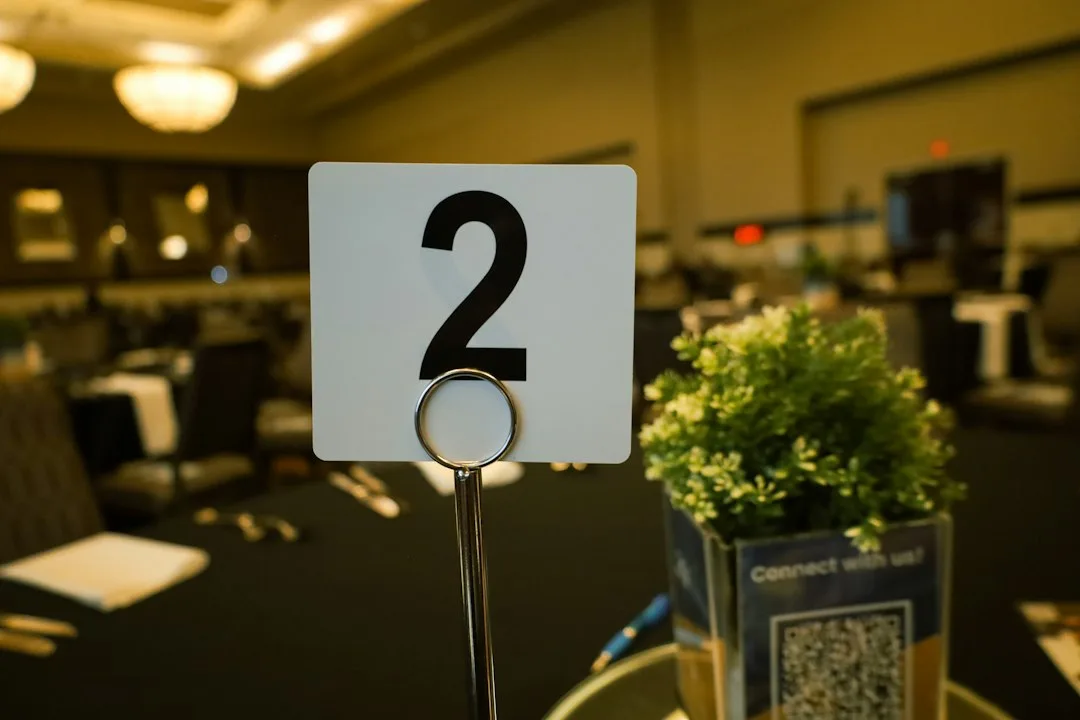
Many modern speed networking events use QR codes or mobile apps where you can instantly bookmark contacts you want to reconnect with. Instead of collecting business cards that pile up in a drawer, you get a digital record with notes about what you discussed, making it far easier to personalize your follow-up message days or weeks later.
If you attend speed networking tied to industry associations—such as those organized through chambers of commerce or professional bodies like the Project Management Institute—these organizations often maintain member directories and online forums where you can continue relevant discussions. This transforms a three-minute conversation into a multi-week relationship-building opportunity.
Prepare specific questions that reveal genuine business fit
Rather than asking generic questions like “What do you do?” prepare two or three targeted questions that uncover whether someone is genuinely relevant to your goals. If you’re looking to expand into a new market, ask “What’s your experience navigating regulatory challenges in that sector?” If you’re exploring partnerships, ask “How do you typically evaluate collaboration partners?”
Questions like these accomplish multiple things in a compressed timeframe. They demonstrate you’ve thought about who you actually want to meet, they move past surface-level chitchat, and they often reveal shared pain points or opportunities that could spark real collaboration. Someone might mention a specific bottleneck they’re facing—inventory management, finding skilled contractors, expanding internationally—and suddenly you recognize where your expertise or product adds value.
Write these questions down beforehand and practice them so they feel natural rather than rehearsed. The goal is to listen actively to the answer, not simply wait for your turn to pitch. Many successful networkers spend roughly 70 percent of a speed networking conversation asking follow-up questions and only 30 percent talking about themselves—a ratio that paradoxically makes them far more memorable.
Create a simple post-event system to maintain momentum
The week after a speed networking event is crucial. Contacts go cold quickly if you wait too long to follow up, but equally, poorly executed outreach can make you seem disorganized or overly transactional. A simple three-step system keeps you consistent and authentic.
First, within 24 hours, send a brief personalized message referencing something specific from your conversation. Instead of “Great meeting you at the event,” write “I enjoyed hearing about your move into the Australian market—I’d like to share some insights on regulatory compliance there that might help.” This reminds them who you are and why the conversation mattered.
Second, if relevant, offer a specific next step rather than a vague “let’s grab coffee sometime.” Propose a 15-minute call on a specific date, share a relevant article or resource, or suggest introducing them to someone in your network who addresses their stated challenge. This removes friction and shows you respect their time.
Third, actually track these follow-ups in a simple spreadsheet or CRM system—even a Google Sheet suffices. Note the person’s name, their business, the date you met, what you discussed, your follow-up date, and any outcome. Six months later, when you’re preparing for your next speed networking event, you’ll have a clear picture of which relationships developed traction and which remained dormant, helping you refine your approach.
Over time, this discipline transforms speed networking from a superficial exercise into a legitimate business development channel where a three-minute conversation truly can lead to meaningful partnerships, referrals, or collaborations that drive your business forward.