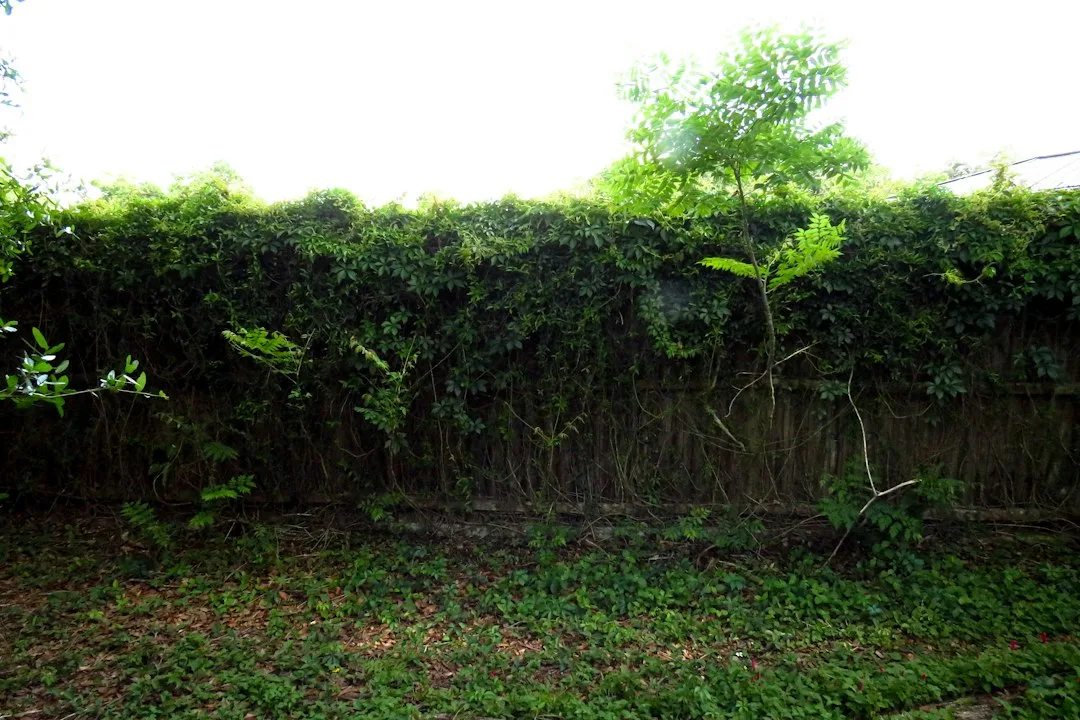
A six-foot cedar fence goes up in a weekend and looks finished on day one. Living privacy screens take longer to fill in, but they grow thicker every year and soften the hard line between your yard and the neighbor’s. Across suburban lots, more homeowners are trading solid panels for rows of evergreens and clumping bamboo.
Why Living Privacy Screens Are Replacing Solid Fences
Solid fences do one job well: they stop views. They also catch wind, throw shadows across the lawn, and often need staining or board replacement within a decade. A planted screen lets wind pass through its branches, and the foliage keeps its color for most of the year.
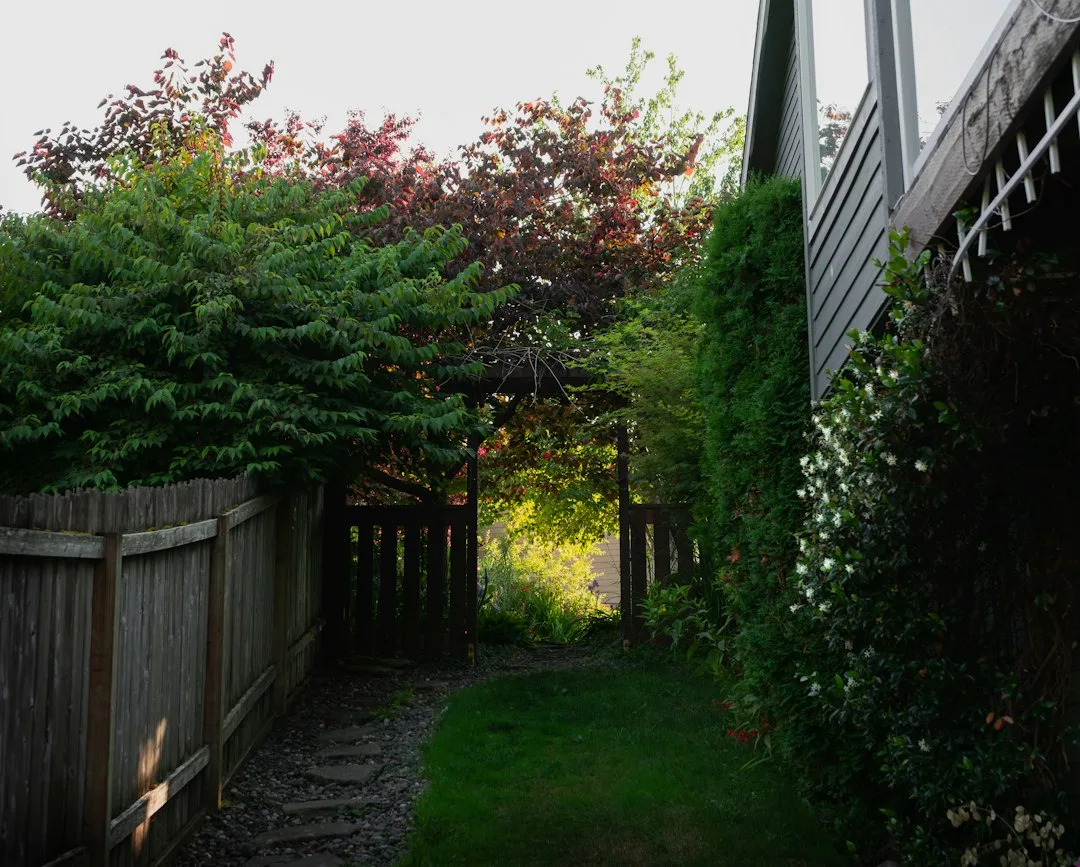
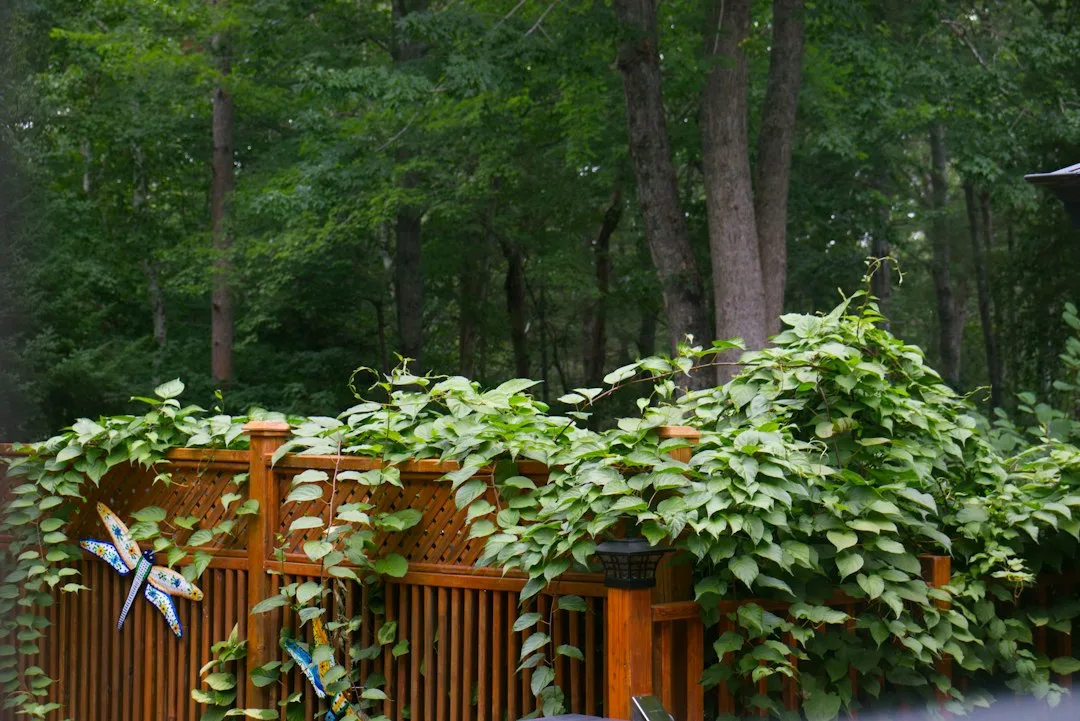
Landscape designers often pair the two. A short fence sets the boundary, and a row of evergreens sits in front of it to hide the fence line. The result looks layered rather than walled in.
Quick Tips
- Measure the mature width of each plant before you buy, not the nursery size.
- Check sun exposure on the fence side, since most screening evergreens need at least six hours of light.
- Water deeply during the first two summers so roots reach the soil around the fence line.
Choosing Plants That Fit a Narrow Side Yard
Start with the width you actually have. A side yard three feet wide cannot hold a broad shrub. A columnar plant like Ilex crenata ‘Sky Pencil’ stays about two feet across and still reads as a dense green wall.
Emerald Green arborvitae, Thuja occidentalis ‘Smaragd’, grows much taller and keeps a narrow shape, which suits a sunny fence line. Fargesia murielae is the other common choice. It forms clumps instead of running underground, so it stays where you plant it.
| Plant | Approximate Mature Width | Best Use |
|---|---|---|
| Emerald Green arborvitae | About 3 to 4 feet | Dense privacy wall in full sun |
| Fargesia murielae bamboo | Clumps that stay put | Airy screen with constant movement |
| Sky Pencil holly | About 2 feet | Tight accent for narrow side yards |
Spacing and Mature Width Decide Whether the Screen Works
Spacing is where most screens succeed or fail. Nursery tags list the mature width, and that number matters more than the height on the sales bench. Plant too close and roots compete. Plant too far and you wait years for a solid line.
For arborvitae, space plants roughly three to four feet apart so the canopies meet within a few seasons. Keep at least a few feet between the plants and any house wall so air can move and disease has less chance to settle.
The Mistake That Leaves Gaps for Years
The most common error is planting by the nursery size instead of the adult size. A homeowner sets twelve young arborvitae five feet apart along a 60-foot fence line. The spacing looks reasonable on planting day.
Five feet is too wide for plants that spread three to four feet at maturity. Bare stretches stay visible for years, and visitors notice the gaps before they notice the plants. The fix is staggering a second row or replanting, which costs more time than spacing them correctly the first time.
Clumping Bamboo Versus Running Bamboo
Bamboo offers a light, rustling screen, but the species matters. Clumping types like Fargesia stay in a tight footprint and suit most yards. Running types spread by underground rhizomes and can push into lawns, flower beds, and neighboring property.
If you choose a running bamboo, plan a root barrier at installation. Skipping it is the fastest way to turn a privacy screen into a maintenance project within a few years.
Pruning and Pests Keep the Screen Dense
Pruning controls density. Felco F-2 bypass pruners cut clean through live stems of smaller shrubs without crushing the bark. Fiskars PowerGear loppers handle thicker stems on established arborvitae.
Trim new growth lightly in early summer rather than cutting into bare wood on older branches. Many evergreens do not regrow from bare wood, and a hard cut leaves a permanent hole in the screen. Watch for bagworms and spider mites during dry spells, since mites can brown interior foliage before you spot it from a window.
Pairing a Screen With Hardscape for Year-Round Structure
Plants take time, so pair them with a short run of solid fencing where you need instant cover. Trex composite fencing holds its color without painting and gives the entry a finished look while the plants establish. Once the screen fills in, the fencing can serve as a backdrop for the planting rather than the main barrier.
Color ties the two together. For ideas on matching exterior tones to the landscape around them, see Warm Beige and Taupe Exterior Paint Colors Pull Houses Into Their Landscapes.