Easy hairstyles for natural hair rarely require a dramatic transformation — sometimes all it takes is moving the part two inches to the side. A deep side part redirects volume, frames the face asymmetrically, and gives curls, coils, and waves an entirely different visual weight. Texture that looked flat with a center part suddenly reads sculptural. That shift is the foundation of every look covered here.
Three color directions — chestnut brown, auburn, and honey blonde — each interact differently with a side part. Warm tones deepen when curls fall to one side and catch light from multiple angles at once. The style holds for days longer than it would with a center part, because the asymmetry naturally prevents the crown from flattening overnight. This is the practical argument for the side part that nobody mentions next to the aesthetic one.
None of these looks require professional installation or heat tools. A wide-tooth comb, a leave-in conditioner, and a curl cream or jelly applied on wet hair are the core toolkit. The difference between a flat result and a defined one is almost always timing — product goes on dripping-wet hair, not damp, and never on dry strands. Get that one detail right and the rest follows.
Styles covered: Chestnut brown side sweep · Auburn deep side part · Honey blonde wavy layers
Key product types: Curl jelly, leave-in conditioner, hydrating mousse, wave spray
Moisture rule: Apply everything on soaking-wet hair — not damp, wet
Overnight secret: Satin bonnet worn diagonally holds the side part shape through sleep
Color fact: Warm tones (chestnut, auburn, honey) hold side part shape longer than cool colors because they reflect light across more strand angles
Salon color range: Full chestnut color service runs $75–$200 depending on salon and length
Chestnut Brown Curls Behave Differently on a Side Part
Warm chestnut brown works with a side part in a way that neutral or cool tones don’t — the reddish-brown undertones in the hair pick up ambient light across each coil individually, so the overall silhouette appears more dimensional without any added product or styling effort. Easy hairstyles for natural hair in this shade start with the curl definition phase rather than the color itself. Salon chestnut color services typically run between $75 and $200, but the side part technique costs nothing and does half the visual work on its own.


Start on freshly cleansed, soaking-wet hair. A rich moisturizing conditioner followed by a lightweight curl jelly — applied in sections, raking from root to tip — sets the definition before the part is even formed. With product distributed, use a rattail comb to draw the part deeply to one side while hair is still fully wet. The part should sit about two inches from the natural hairline, not at the temple. That extra distance is what creates the crown volume that makes this look work.
What doesn’t work here: forming the part on dry hair, then trying to wet the section into place. The curl pattern has already set and won’t redistribute cleanly. The result is frizz along the part line and a shape that collapses by midday. Chestnut curls in particular need the slip of wet product to fall naturally toward one side — fighting them after they’re dry wastes both time and product. Does the side-swept section need to be pinned while drying? Only if the curl weight is very heavy — lighter curl patterns hold the sweep without a clip.
Cantu Shea Butter Curl Activator Cream, available at most drugstores for around $8, is a reliable option for defining chestnut curls without product buildup. The curl activator formula supports the coil pattern without leaving a crunchy cast, which matters when the side sweep naturally elongates individual strands. Air-drying preserves the softest result; diffusing on low heat adds bounce without disrupting the side-part placement. Think of the drying phase like setting a cast — the shape you form wet is the shape you keep.
Overnight maintenance is where most people lose the look by day two. Sleeping with a satin bonnet worn at a diagonal — tilted slightly toward the sweeping side — keeps the part in place and prevents the crown volume from compressing into the pillow. A morning refresh with a few spritzes of water and a fingertip of leave-in revives definition without requiring a full re-style. Chestnut tones hold their vibrancy well between wash days when moisture is maintained. For reference on how protective two strand twist styles for natural hair compare in wear time, this style typically holds similar multi-day longevity when maintained correctly.
Auburn Coils Pull Drama From a Deep Side Part
Auburn coils with a deep side part create a structural contrast that flat or centered styles simply can’t replicate — the reddish-brown tone reflects light across the exposed crown while the swept mass of coils falls into a heavier, more dramatic shape on the longer side. Easy hairstyles for natural hair in auburn read bolder than they actually are to execute. The color does the visual heavy lifting; the part provides the architecture.


After cleansing with a hydrating shampoo, work a botanically-rich leave-in treatment through the hair in sections — this is the step that protects curl elasticity in color-treated coils, which are naturally more porous and lose moisture faster than untreated strands. PATTERN Beauty’s curl products, priced around $29, are formulated specifically for coily textures and work well as a leave-in base before styling. With the leave-in distributed, form the deep side part using fingers or a wide-tooth comb before adding any curl cream. The part needs to be established before product layers go on, or the cream will resist repositioning.
The side with the larger volume of hair — the longer, heavier side — can be gently fluffed at the root with fingertips after the style dries to add a bit of lift. The smaller crown section is where stylists recommend restraint: do not overwork this area trying to force it flat or slicked down. Auburn coils at the crown that are left alone look intentional. Coils that have been over-manipulated into submission look like a styling mistake. What question does this side actually answer? It answers the shape of the whole head — a crown that falls naturally to the smaller side acts like a visual weight balancer for the swept mass below.
Don’t try to re-part on dry hair. Auburn coils that have already set into a curl pattern will frizz badly along any new part line. The curl’s outer cuticle has closed around its shape — forcing a part through dry coils snaps those edges and creates a persistent frizz band that no serum will smooth out later. Form the part on wet hair before product application, and it holds cleanly through the full dry-down. Also skip heavy butter-based products on the crown section specifically — they weigh the shorter coils down and collapse the structure that the side part is meant to create.
A silk wrap at night preserves the part and prevents tangles between the two sides of the sweep. Finger separation in the morning — no brush, no comb — plus a few spritzes of hydrating mist restores the coil definition without disturbing the part placement. Auburn coloring grows out with a natural-looking blend on darker bases, which is useful: the demarcation line is less harsh than with lighter shades, so the style remains wearable longer between color appointments. An asymmetric shape like this also transitions easily from a professional setting to an evening one without restyling — it’s already structured enough to read intentional in any context.
Honey Blonde Waves Find Their Shape in Easy Natural Hair Hairstyles With a Side Part
Honey blonde waves on a side part function as a light-reflecting system more than a styling choice — the golden tone amplifies the way each wave catches and releases light as the head moves, creating a dimensional quality that darker colors produce only in direct sunlight. Easy hairstyles for natural hair in honey blonde require a different product approach than chestnut or auburn: heavy curl creams flatten the wave pattern and dull the reflective quality of the color. The goal here is movement, not definition.


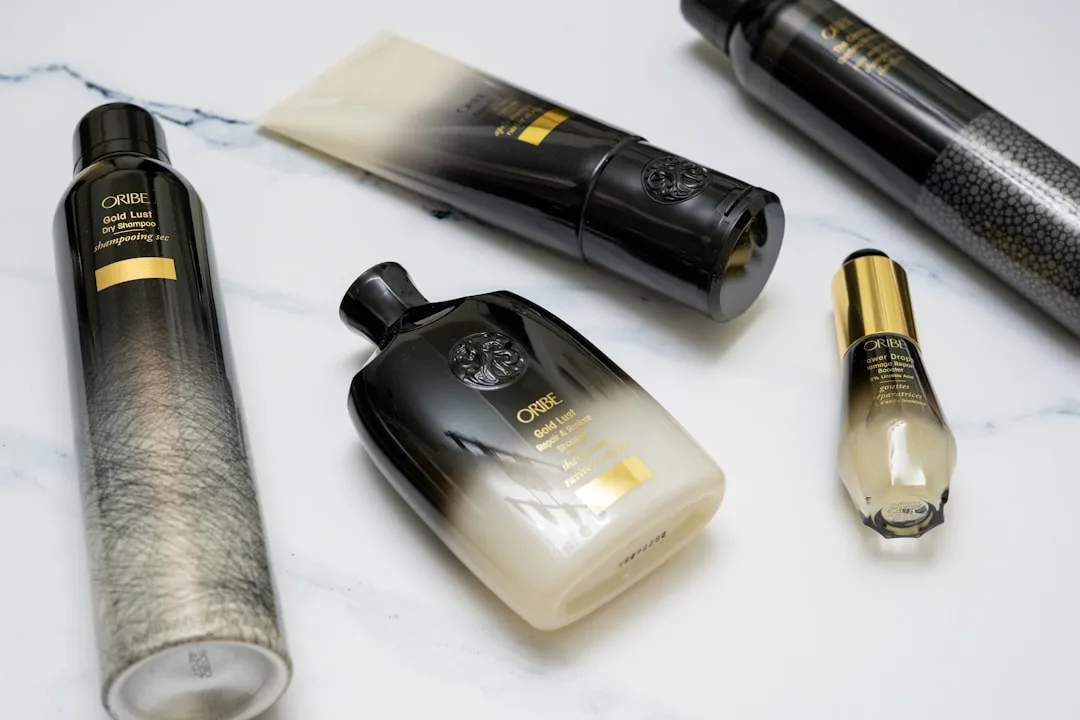
A co-wash or cleansing cream preserves moisture better than a traditional shampoo on honey blonde-treated natural hair, because lighter color processes leave the cuticle more open. Mousse or a wave spray applied on soaking-wet hair is the right product category here — OUAI Wave Spray retails at $30 and works specifically by enhancing natural texture without the crunch or gritty residue that sea salt formulas leave behind. Rake the wave spray through the lengths in the direction of the desired part, then form the side part immediately. Raking in the direction of the part helps the waves settle into position as they dry rather than fighting the direction of the sweep.
The irregular, lived-in wave pattern is the point — chasing perfect uniformity with clips or pins kills the organic quality that makes honey blonde waves look expensive and effortless. Layers distribute weight evenly across the strands so that each wave has room to form its own shape rather than stacking flat on the one below it. Stylists who specialize in natural texture consistently recommend cutting layers at multiple lengths rather than one uniform layer, which is the distinction between a result that reads dimensional and one that reads flat. Try this on wash day: after applying wave spray, scrunch sections upward from the ends rather than downward, which encourages the wave to form tighter at the shaft rather than falling immediately.
A silk cap at night and a light mist of hydration in the morning keeps honey blonde waves intact for three to four days without product reapplication. Air-drying is preferable to diffusing for this texture and color because high heat on lighter-processed natural hair accelerates color oxidation — the honey tone starts reading brassier faster when heat is applied repeatedly. According to Amerisleep’s expert-reviewed guide on sleeping in a bonnet, satin and silk surfaces reduce friction-based moisture loss overnight — which matters specifically for color-treated strands that can’t hold onto moisture as efficiently as untreated hair. The second-day version of this look, with a finger tousle and minimal misting, often reads better than day one.
For anyone exploring natural curly short hairstyles alongside these longer wave looks, natural curly short hairstyles on artfasad.com show how the same product-on-wet-hair principle applies at different lengths and curl tightness levels — the side part technique adapts across the full spectrum.
| Style | Best Product Type | Maintenance Interval | Key Risk |
|---|---|---|---|
| Chestnut Brown Side Sweep | Curl jelly or activator cream (~$8) | Refresh every 2–3 days | Parting on dry hair causes frizz band |
| Auburn Deep Side Part | Leave-in + curl cream (~$29) | Re-mist every 1–2 days | Over-manipulating crown section |
| Honey Blonde Wavy Layers | Wave spray or mousse (~$30) | Finger-tousle every 2–3 days | Heat diffusing oxidizes color faster |
Final Word
One Part Line Changes Everything — Easy Hairstyles for Natural Hair Don’t Need More Than That
A side part formed on wet hair with the right product takes under two minutes and extends the life of any natural hair style by two to three days. Chestnut and auburn tones do the dimensional work in warm light; honey blonde reflects it cold. The satin bonnet keeps the shape overnight — not optional, actually functional.
Cantu at $8, OUAI at $30, PATTERN at $29 — the price range is wide enough that there’s no budget excuse. What all three share: they work on wet hair, not dry.
Save this post before your next wash day and bring the color reference that matches your texture.