Starting a skincare routine for the first time can feel overwhelming. Walk into any beauty store and you are immediately confronted with dozens of serums, toners, acids, mists, essences, and oils — each promising to transform your skin. The reality is far simpler: a beginner skincare routine does not need to be ten steps or filled with expensive actives. It needs three things done consistently, and everything else built from there.
This guide gives you the honest foundation — what to start with, what to add later, what to skip, and how to read your skin’s feedback so you never waste money on products that do not work for you. Whether you are 18 or 45, starting fresh or restarting after years of neglect, the same core logic applies.



Why Most Beginners Overcomplicate It
The skincare industry has a financial interest in complexity. The more steps in your routine, the more products you buy. But research consistently shows that the highest-impact skincare behaviors are the simplest: cleansing twice daily, moisturizing, and wearing SPF every morning. Those three steps alone, done every single day, will produce more visible skin improvement over six months than any complicated multi-step routine done sporadically.
The second trap beginners fall into is adding too many products too quickly. When you use five new products in the same week and your skin reacts — whether with breakouts, redness, or irritation — you have no idea which product caused it. The golden rule for beginners: introduce one new product at a time, wait two weeks, then decide.
Step 1: Know Your Skin Type Before You Buy Anything
Skin type determines everything — which cleanser won’t strip you, which moisturizer won’t clog you, which actives are safe to introduce first. The five basic skin types are normal, dry, oily, combination, and sensitive. Here is how to identify yours without a quiz or a dermatologist visit.
Wash your face with a gentle cleanser and do not apply anything afterward. Wait one hour. Then observe: if your skin feels tight and looks flaky, you likely have dry skin. If it looks shiny all over, you likely have oily skin. If your forehead and nose are shiny but your cheeks feel tight, you have combination skin. If your skin feels comfortable and looks balanced, you have normal skin. If your skin looks red, feels reactive, or stings when you apply most products, you have sensitive skin. Most people have a combination of two types, which is completely normal.
| Skin Type | Key Signs | What to Prioritize | What to Avoid |
|---|---|---|---|
| Dry | Tightness, flaking, dullness | Rich moisturizers, ceramides, gentle cleansers | Alcohol-based toners, over-cleansing |
| Oily | Shine, enlarged pores, frequent breakouts | Lightweight gel moisturizers, niacinamide, BHA | Heavy creams, pore-clogging oils |
| Combination | Oily T-zone, dry cheeks | Balanced moisturizers, zone-targeted application | One-size-fits-all heavy formulas |
| Normal | Balanced, minimal issues | Maintenance and prevention (SPF, antioxidants) | Unnecessary actives that create problems |
| Sensitive | Redness, stinging, reactivity | Fragrance-free, minimal ingredients, barrier support | Essential oils, synthetic fragrance, strong acids |
The Core Three: Your Non-Negotiable Starting Point
1. Cleanser
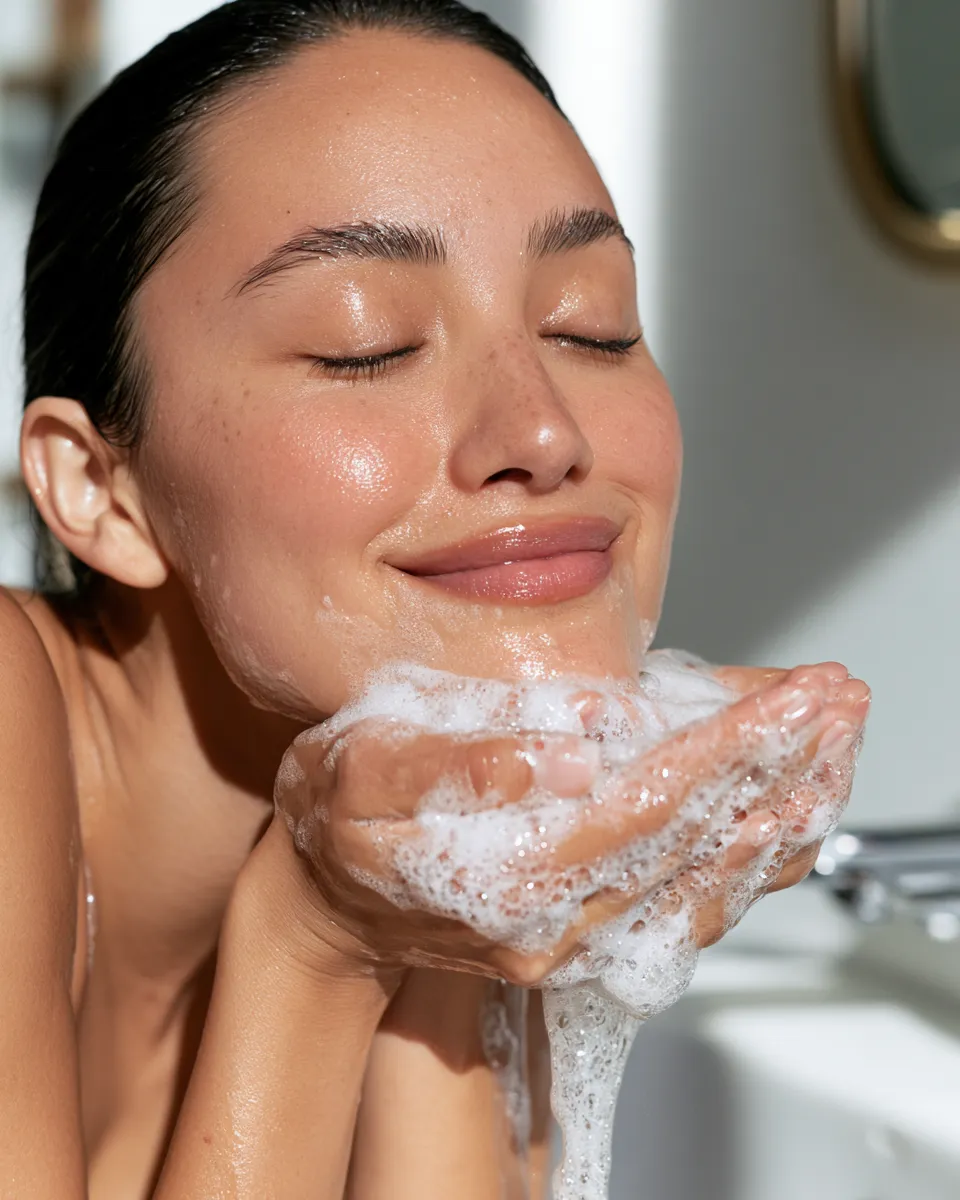
Cleansing removes the day’s accumulation of sweat, sebum, SPF, environmental pollution, and — if you wear it — makeup. Without cleansing, nothing else in your routine works properly: moisturizer applied over dirty skin traps bacteria and debris against it, SPF layers unevenly, and actives cannot penetrate effectively.
For a beginner, the most important quality in a cleanser is gentleness. A cleanser that leaves your skin feeling tight, squeaky-clean, or slightly uncomfortable is stripping your skin barrier — the thin protective layer of lipids that keeps moisture in and irritants out. A stripped barrier is more reactive, more prone to breakouts, and ages faster. The bar for a good beginner cleanser is simple: your skin should feel clean but comfortable after using it.
Beginners with dry or sensitive skin: look for cream or lotion cleansers with amino acid surfactants. Beginners with oily skin: a gel cleanser with low-pH formula (around pH 5) is ideal. Avoid cleansers with sodium lauryl sulfate (SLS), heavy fragrance, or alcohol at the top of the ingredients list.



2. Moisturizer
Every skin type needs a moisturizer — including oily skin. This is one of the most persistent skincare misconceptions: that moisturizing makes oily skin oilier. In fact, the opposite is often true. Skin that is dehydrated compensates by producing more sebum. A well-chosen, lightweight moisturizer tells the skin it is adequately hydrated, which can reduce excess oil production over time.
Moisturizers work through three mechanisms: humectants (like hyaluronic acid and glycerin) draw water into the skin; emollients (like fatty acids and squalane) smooth and soften the surface; occlusives (like shea butter or petrolatum) form a seal that prevents water from evaporating. Most good moisturizers combine all three. As a beginner, you do not need to analyze the ingredient list in detail — focus on texture match to skin type and the absence of known irritants (heavy fragrance, essential oils if sensitive).
Apply moisturizer within two to three minutes of cleansing, while skin is still slightly damp. This is when absorption is highest and when locking in moisture makes the most physical difference.
3. SPF (Morning Only)
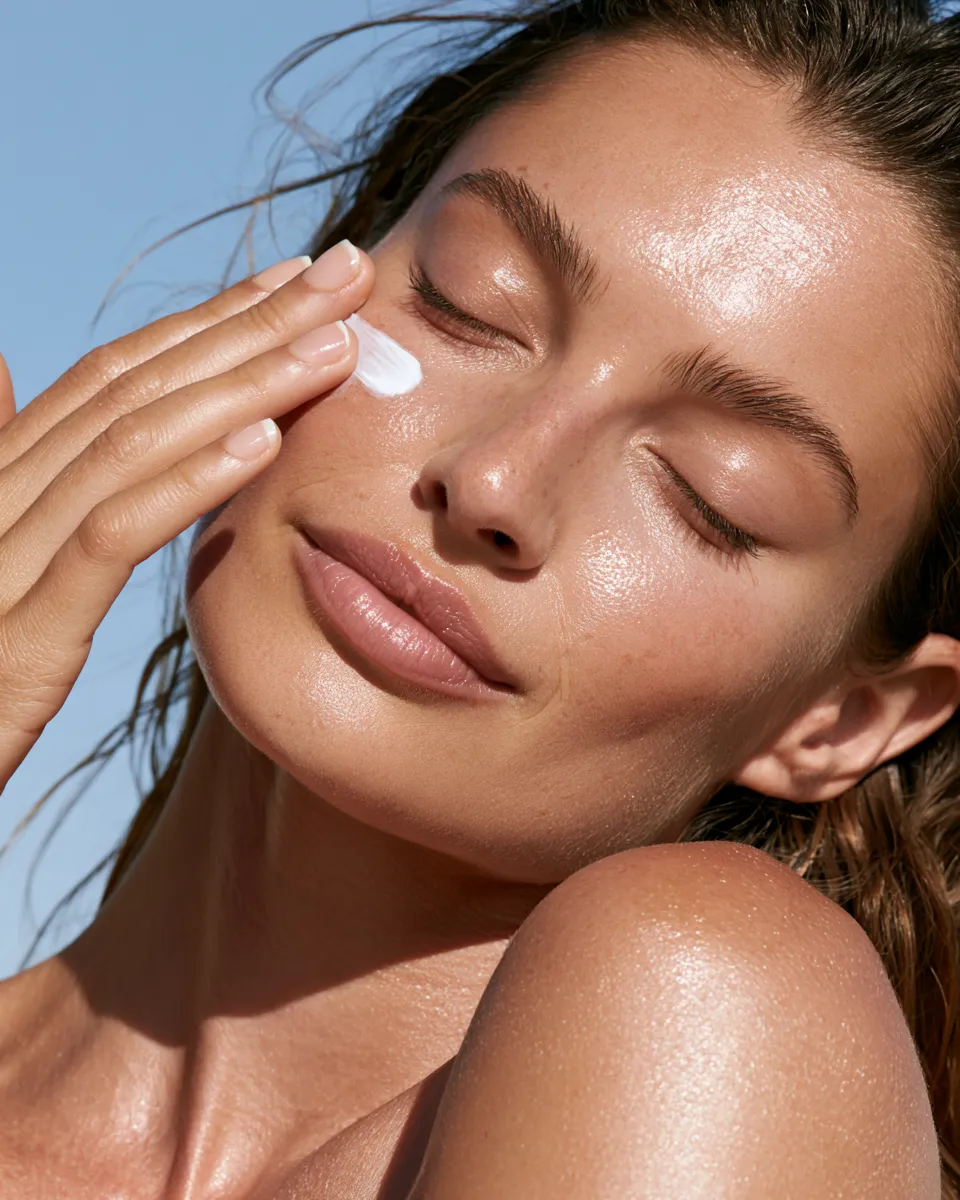
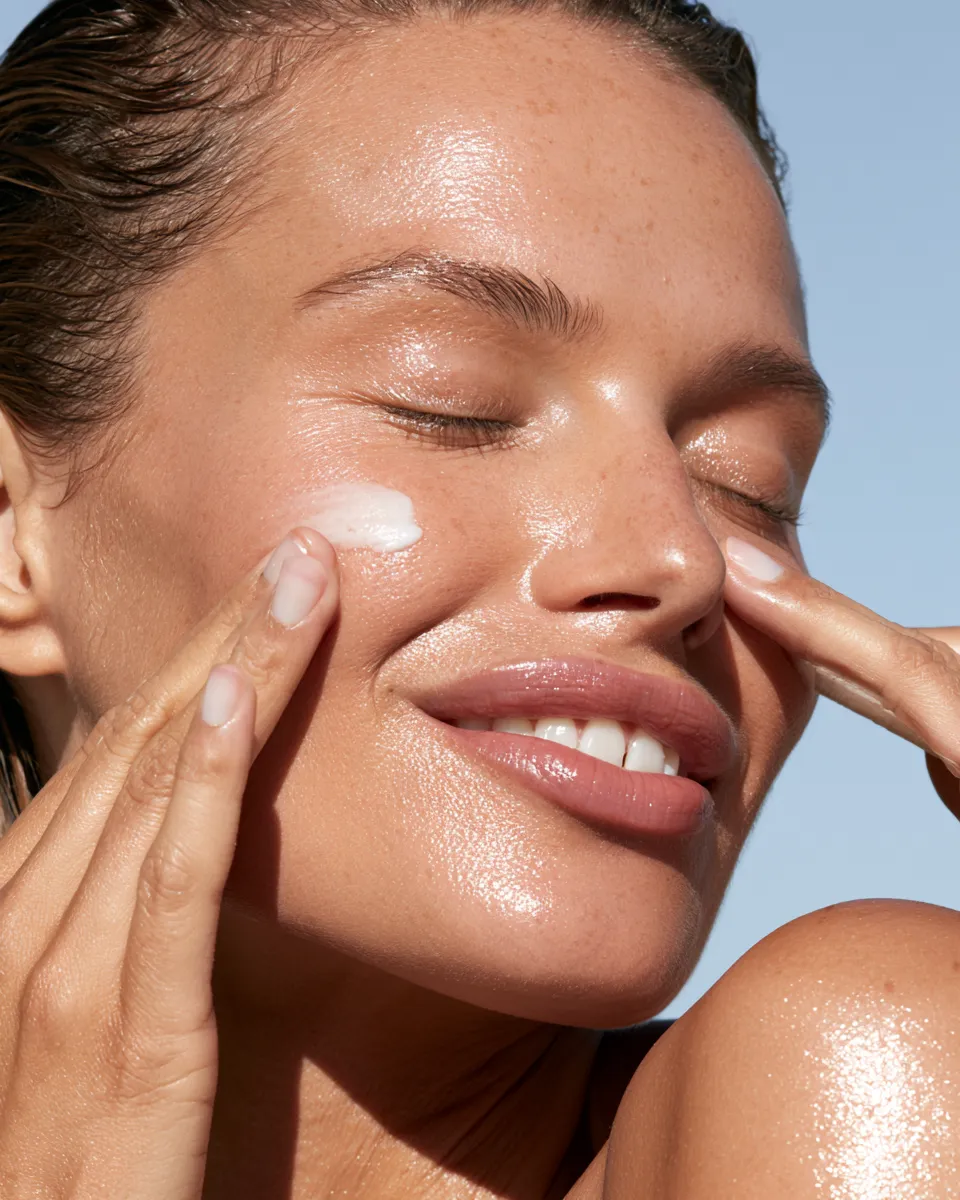
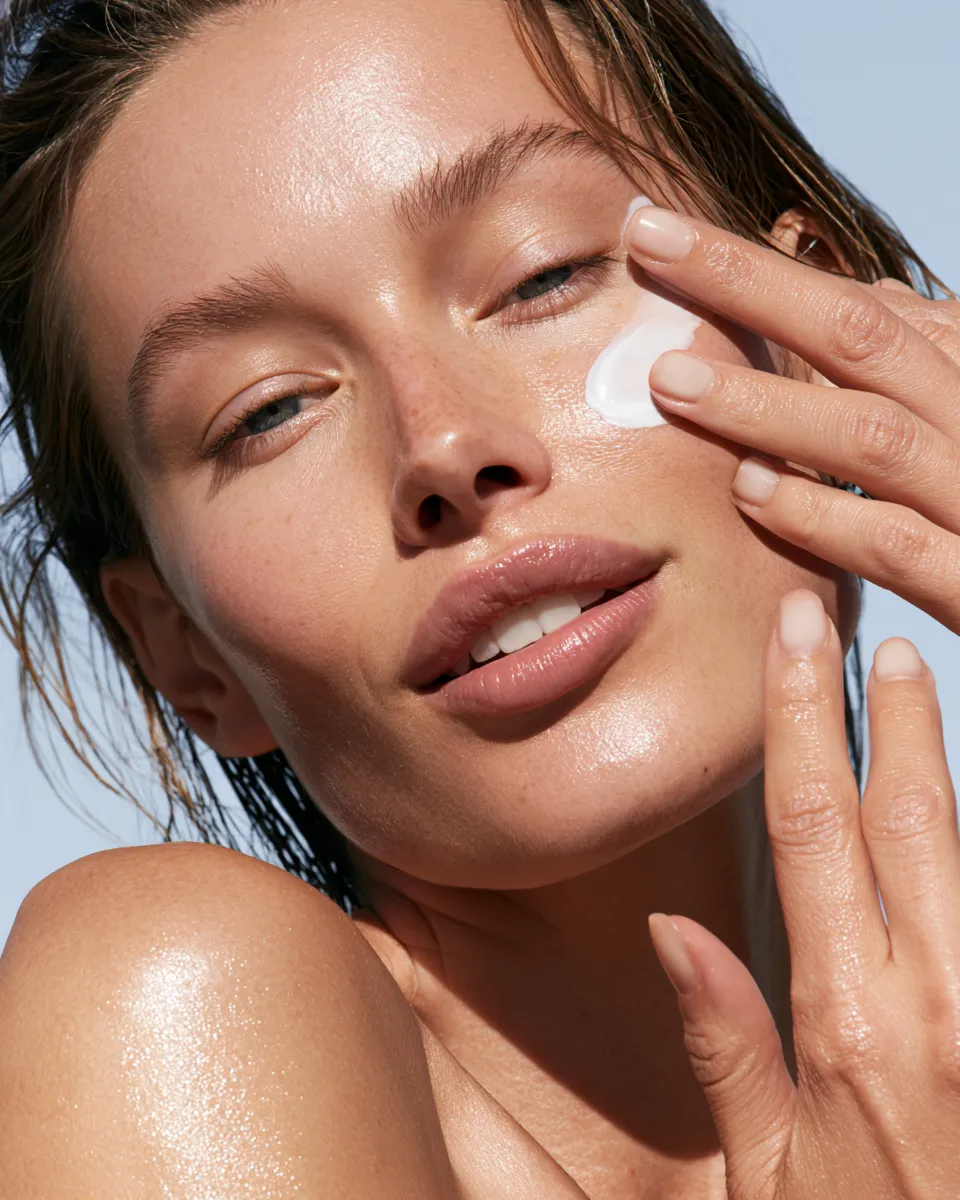
If you do only one thing after reading this article, make it this: wear SPF 30 or higher every morning, rain or shine, indoors or out. UV radiation is the single largest external contributor to skin aging — responsible for an estimated 80 percent of visible facial aging including wrinkles, dark spots, uneven texture, and loss of elasticity. It is also the primary environmental trigger for skin cancer.
UVA rays (the ones that cause aging and pigmentation) penetrate glass — which means sitting near a window while working, driving, or commuting exposes you to significant UV damage without any sensation of sun on your face. SPF applied indoors is not overcautious; it is accurate.
For beginners, the barrier to SPF is usually cosmetic: white cast, greasiness, or the feeling of a heavy layer over skin. Modern SPF formulations have solved most of these issues. Look for mineral SPF with tinted formulas (which eliminate white cast), or chemical SPF with hybrid filters for a completely skin-flush finish. Apply as the last step of your morning routine, after moisturizer.
Your First Beginner Skincare Routine: Morning and Evening
Morning Routine (5 Minutes)
- Cleanser — Gentle wash to remove overnight sebum and any residue from evening products.
- Moisturizer — Applied to slightly damp skin for maximum absorption.
- SPF 30+ — Last step, every single morning.
Evening Routine (5–10 Minutes)
- Cleanser — If you wore SPF or makeup, use an oil cleanser first to dissolve them, then follow with your regular cleanser. This is called double cleansing, and it ensures nothing sits on your skin overnight.
- Moisturizer — A slightly richer formula than morning is fine at night, since you are not applying SPF over it.
That is it. Two to three products, twice a day, consistently. Do this for four to six weeks before even considering adding anything else. The discipline of the core three is what most beginner skincare guides skip — they jump straight to actives and treatments without establishing the baseline.
Phase 2: What to Add Once Your Skin Is Stable
After four to six weeks of consistent core three use, your skin will be in a better state to tolerate and benefit from targeted actives. Add only one product at a time. Use it for two weeks before assessing whether it is working and whether your skin is tolerating it. Only then add the next product.
Niacinamide Serum — The Best First Active for Beginners
Niacinamide (vitamin B3) is the most universally well-tolerated skincare active and the one most dermatologists recommend as a first serum for beginners. It reduces the appearance of pores, regulates sebum production, strengthens the skin barrier, fades post-breakout marks, and brightens uneven skin tone — with almost no risk of irritation at concentrations of 5 to 10 percent. It works for dry skin, oily skin, sensitive skin, and all skin tones. Apply after cleansing, before moisturizer.
Vitamin C Serum — Brightness and Protection
A stabilized Vitamin C serum applied in the morning provides antioxidant protection against UV-induced free radical damage (working synergistically with your SPF), brightens dullness, and fades dark spots over time. For beginners, start at a low concentration (around 10 percent L-ascorbic acid or use more stable derivatives like ascorbyl glucoside) to minimize the risk of irritation.
One critical point: Vitamin C serums oxidize — they degrade and lose efficacy when exposed to light and air. A serum that has turned orange or brown is no longer active. Proper storage in a dark, cool place significantly extends its useful life. For a full explanation of why this happens and how to prevent it, our guide to Vitamin C serum oxidation covers everything beginners need to know before investing in this category.
Exfoliant — 1 to 2 Times Per Week
Once your barrier is stable, a gentle chemical exfoliant once or twice weekly can significantly improve skin texture, clarity, and the absorption of everything else in your routine. For beginners, start with a low-percentage lactic acid (5 to 10 percent) or a PHA (polyhydroxy acid) — both exfoliate gently while also adding hydration, making them far safer starting points than stronger glycolic acid or salicylic acid. Use in the evening, never on the same night as retinol or other strong actives.

Ingredients Beginners Should Know
| Ingredient | What It Does | Best For | When to Apply |
|---|---|---|---|
| Hyaluronic Acid | Draws moisture into skin, plumps | All skin types, especially dry | AM + PM, on damp skin |
| Niacinamide | Pores, sebum, barrier, tone | All skin types | AM + PM |
| Vitamin C | Antioxidant, brightening, SPF boost | Dull, uneven, aging-concerned skin | AM only |
| Ceramides | Rebuilds skin barrier lipid matrix | Dry, sensitive, compromised barrier | AM + PM |
| Glycerin | Humectant, draws moisture, non-irritating | All skin types, especially sensitive | AM + PM |
| Lactic Acid | Gentle exfoliation + hydration | Dry, dull, beginners new to acids | PM only, 2–3×/week |
| Retinol | Cell turnover, anti-aging, acne | Intermediate-advanced users | PM only, after barrier established |
| Squalane | Lightweight oil, moisturizing, non-comedogenic | All skin types, especially oily | AM + PM, last step before SPF |
What Beginners Should Avoid
Knowing what not to use is as important as knowing what to use. These are the most common beginner mistakes in ingredient and product selection:
- Fragrance in leave-on products. Fragrance (listed as “parfum” or “fragrance” on ingredient lists) is one of the leading causes of contact dermatitis and long-term skin sensitization. In rinse-off products like cleansers it is lower risk; in serums, moisturizers, and SPF that sit on skin all day, it is worth avoiding for beginners while you identify how your skin responds.
- Mixing too many actives at once. Vitamin C and AHA used together, or retinol and niacinamide in the same step, can cause irritation or reduce each other’s efficacy. Learn one active before adding the next.
- Physical scrubs. Walnut shell, sugar, or apricot scrubs create micro-tears in the skin surface. Chemical exfoliants do the same job without the mechanical damage.
- Skipping moisturizer because skin is oily. Dehydration and oiliness are not the same thing. Oily skin can still be dehydrated and benefit enormously from lightweight hydration.
- Starting retinol too early. Retinol is an advanced active that requires a stable, healthy barrier before introduction. Most dermatologists suggest waiting until your core routine is fully established — typically at least three to four months into consistent skincare — before attempting retinol. When you do reach that point, the transition from retinol to gentler peptide serums is a route many are now exploring. Our overview of peptide serums as retinol alternatives explains the science behind that shift and whether it might be the right approach for you.
- Expecting overnight results. Skin cell turnover takes approximately 28 days in younger skin and longer with age. Visible improvement from a new product typically requires four to six weeks of consistent use. Abandoning a product after one week is almost never enough time to evaluate it fairly.
How to Read Ingredient Labels (Without a Chemistry Degree)
Ingredients on skincare labels are listed in descending order of concentration — the first ingredient makes up the largest percentage of the formula, and the last makes up the smallest. Water (aqua) is almost always first in hydrating products. Active ingredients like niacinamide at 5 percent concentration will appear somewhere in the middle of a typical list. Ingredients listed after one percent (which is usually around where preservatives and fragrance appear) are present in very small amounts and contribute minimally to the product’s performance.
This means: do not buy a product because a trending ingredient appears on the label. Check where that ingredient appears in the list. A hyaluronic acid moisturizer with HA listed as the 15th ingredient is mostly water and emollients — the HA is essentially a marketing claim at that concentration.



Building Your Routine by Concern
Beginner Routine for Acne-Prone Skin
Start with a gentle, pH-balanced gel cleanser. Add niacinamide (5 to 10 percent) as your first active — it regulates sebum and reduces post-breakout marks without the irritation that can worsen breakout-prone skin. Once stable, introduce salicylic acid (BHA) two nights per week to clear congestion inside pores. Keep moisturizer lightweight — gel or water-cream formulas. Do not skip moisturizer believing it will reduce oiliness. Do not use harsh drying actives (high-percentage benzoyl peroxide, strong AHAs) without building up tolerance slowly.
Beginner Routine for Dry or Dehydrated Skin
Start with a cream cleanser and a rich moisturizer containing ceramides, hyaluronic acid, and glycerin. A hydrating toner applied immediately after cleansing (before moisturizer) adds another layer of moisture retention. Once your barrier is strong, lactic acid is the gentlest exfoliant to add — it exfoliates while simultaneously drawing moisture into the skin. In winter or very dry climates, a facial oil as a final step seals everything in. For a framework on how to use oils effectively over your skincare layers, our guide on facial oil layering for deep hydration walks through the technique in detail.
Beginner Routine for Sensitive Skin
Fewer ingredients, not more. Start with a fragrance-free cream cleanser and a barrier-focused moisturizer containing ceramides and centella asiatica (cica). Introduce one product at a time and wait a full two weeks before adding anything new. Avoid all essential oils, synthetic fragrance, alcohol denat, and physical exfoliants. When you do add actives, PHAs are the most appropriate entry point — they exfoliate without the sting that AHAs can cause on reactive skin. The emerging probiotic skincare category is also worth exploring for sensitive beginners: certain strains have been shown to calm reactivity and strengthen the microbiome defense layer. Our overview of probiotic skincare bacteria strains explains which strains show the strongest evidence for sensitive skin.
Beginner Routine for Dull or Uneven Skin Tone
SPF is the most important step — UV damage is the leading cause of dark spots and uneven tone, so preventing further damage is the first priority. Add Vitamin C serum in the morning after your skin is stable on the core three. Niacinamide is the second active to introduce — it inhibits the transfer of melanin to skin cells and fades existing marks steadily. Chemical exfoliation (lactic or glycolic acid, 2 to 3 times weekly) accelerates cell turnover and helps fade pigmentation faster. Results in this category require patience: most dark spots take three to six months of consistent treatment to visibly fade.




The Beginner Skincare Order: A Visual Reminder
| Step | Product | Morning | Evening | Notes |
|---|---|---|---|---|
| 1 | Oil cleanser / balm | Optional | Yes (if wore SPF or makeup) | First cleanse only |
| 2 | Water-based cleanser | Yes | Yes | Always gentle |
| 3 | Toner (hydrating) | Optional | Optional | Pat in, do not wipe |
| 4 | Serum (niacinamide, Vitamin C) | Vitamin C (AM) | Niacinamide (PM) | Add after core 3 is stable |
| 5 | Moisturizer | Yes | Yes | Match texture to skin type |
| 6 | Facial oil | Optional | Optional | Press in, do not drag |
| 7 | SPF 30+ | Yes — always | No | Last step of AM routine |
How to Tell If a Product Is Working
Beginners often do not know what “working” looks like because they have no baseline to compare against. Here is a framework: after introducing a new product and using it consistently for four to six weeks, ask these questions. Does my skin feel more comfortable throughout the day? Is my skin texture smoother when I run my fingers over it? Do I need less product on top of it (less powder, less makeup) to look even? Are the issues I was targeting — dullness, dryness, spots — measurably improved?
A product that is working does not need to produce dramatic results. It should produce a consistent, subtle, cumulative improvement that adds up visibly over months. If, after eight weeks of consistent use, you cannot identify a single positive change, it is reasonable to move on and try something else.
If a product causes immediate stinging, burning, redness, or breakouts, stop using it. A little tingling from a well-formulated AHA for the first few uses is normal as skin adapts. Persistent discomfort is not.
Budget vs. Premium: Does Price Matter?
In skincare, price is a very unreliable indicator of performance. Some of the most dermatologist-recommended cleansers and moisturizers cost under ten dollars. Some premium products are primarily paying for packaging, branding, and fragrance. The ingredient list is the only reliable guide to what a product actually does.
Where price sometimes correlates with quality: stabilized actives (Vitamin C formulations, for example, require expensive packaging and stabilization technology to remain effective), SPF texture and finish (high-quality Korean and Japanese SPF formulas often have a premium but cosmetically unmatched finish), and prescription-strength ingredients. For everything else — cleansers, basic moisturizers, hyaluronic acid serums, niacinamide — there are drugstore options that perform identically to prestige alternatives.
When to See a Dermatologist
A good beginner skincare routine addresses most common concerns effectively — dryness, dullness, minor uneven tone, the early signs of aging. However, there are situations where over-the-counter skincare is insufficient and professional guidance makes an enormous difference: persistent cystic acne that does not respond to BHA and niacinamide, suspected rosacea (which mimics sensitivity but has specific triggers and treatments), significant hyperpigmentation from post-inflammatory causes, or any sudden change in mole appearance or skin texture. A single consultation with a dermatologist can save years of trial-and-error with the wrong products.
Key Takeaways for Beginners
- Start with three products only: cleanser, moisturizer, SPF. Build from there.
- Identify your skin type before buying anything — it determines which formulas will and will not work for you.
- Introduce one new product at a time and wait two weeks before adding the next.
- SPF every morning is the single highest-return skincare habit. No exceptions.
- Niacinamide is the safest and most versatile first active for virtually all skin types.
- Avoid fragrance in leave-on products, physical scrubs, and the temptation to start retinol before your barrier is established.
- Consistency over weeks and months outperforms any complicated routine done sporadically.
- Price is not a reliable quality indicator — read the ingredient list instead.