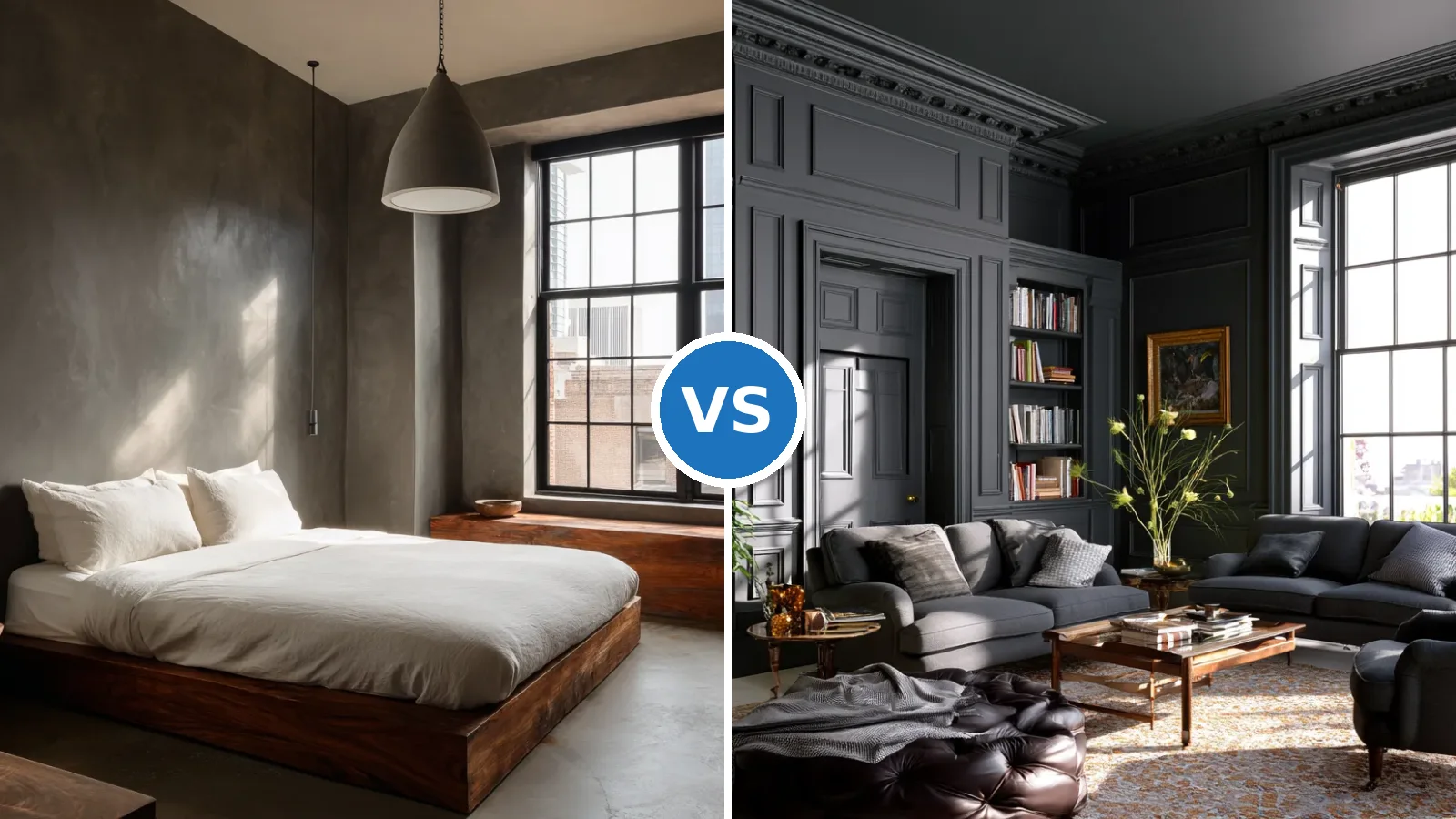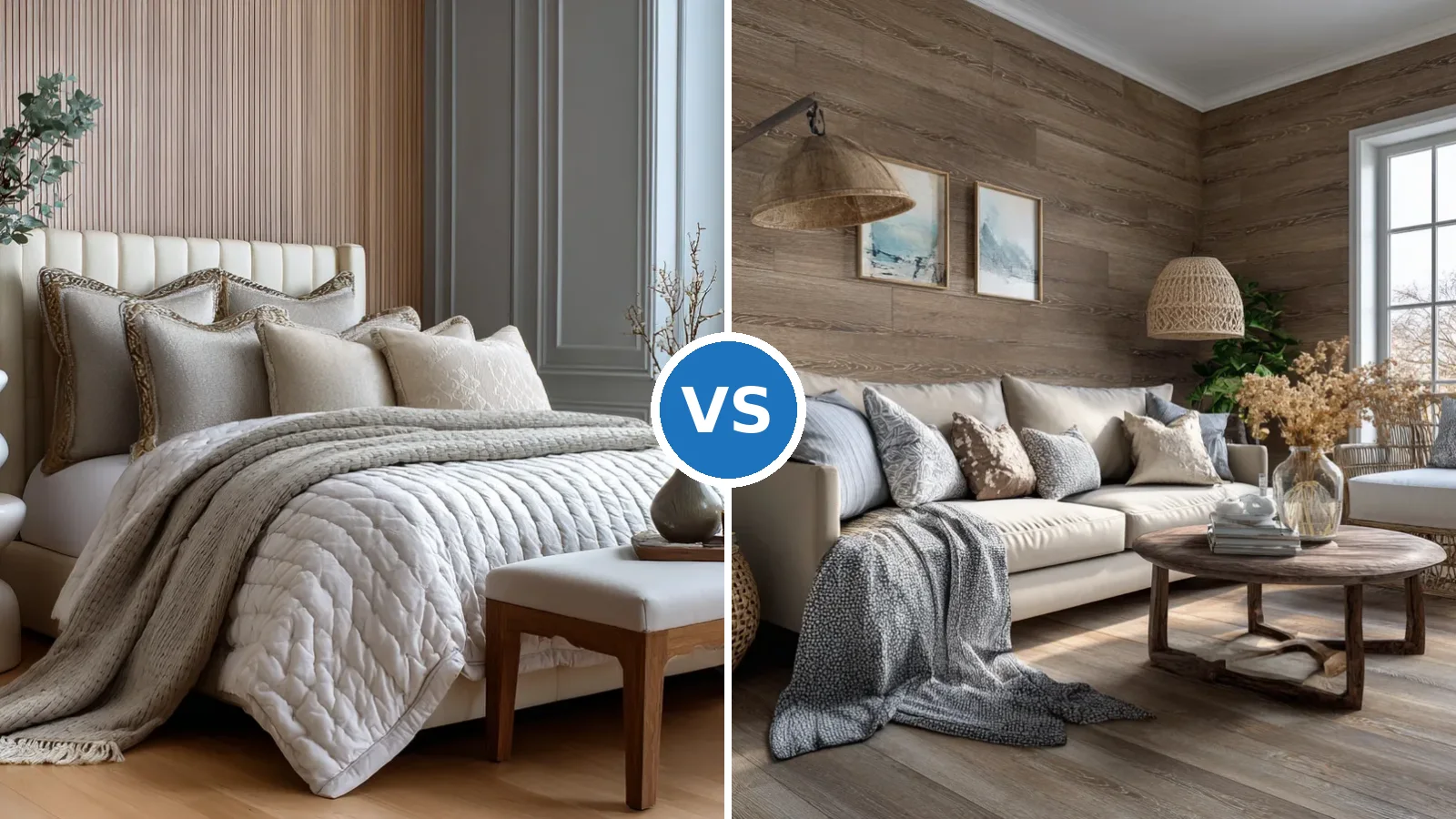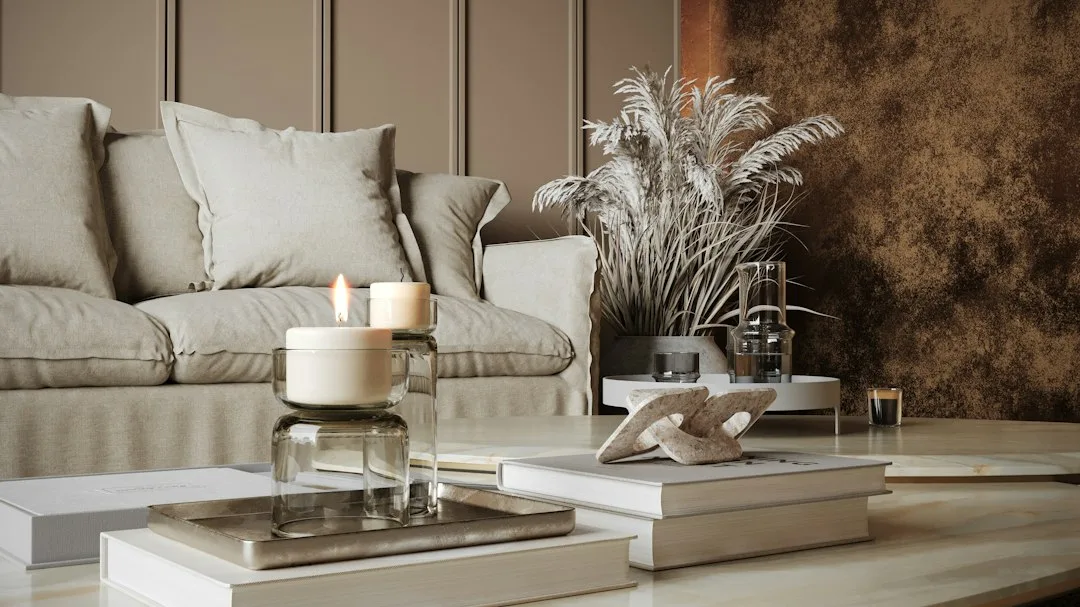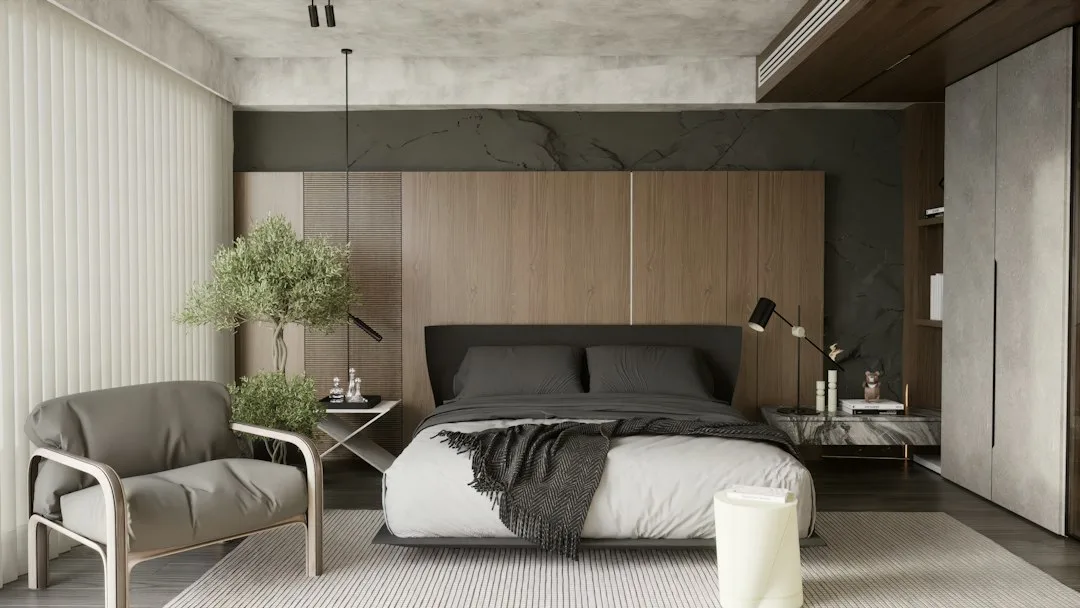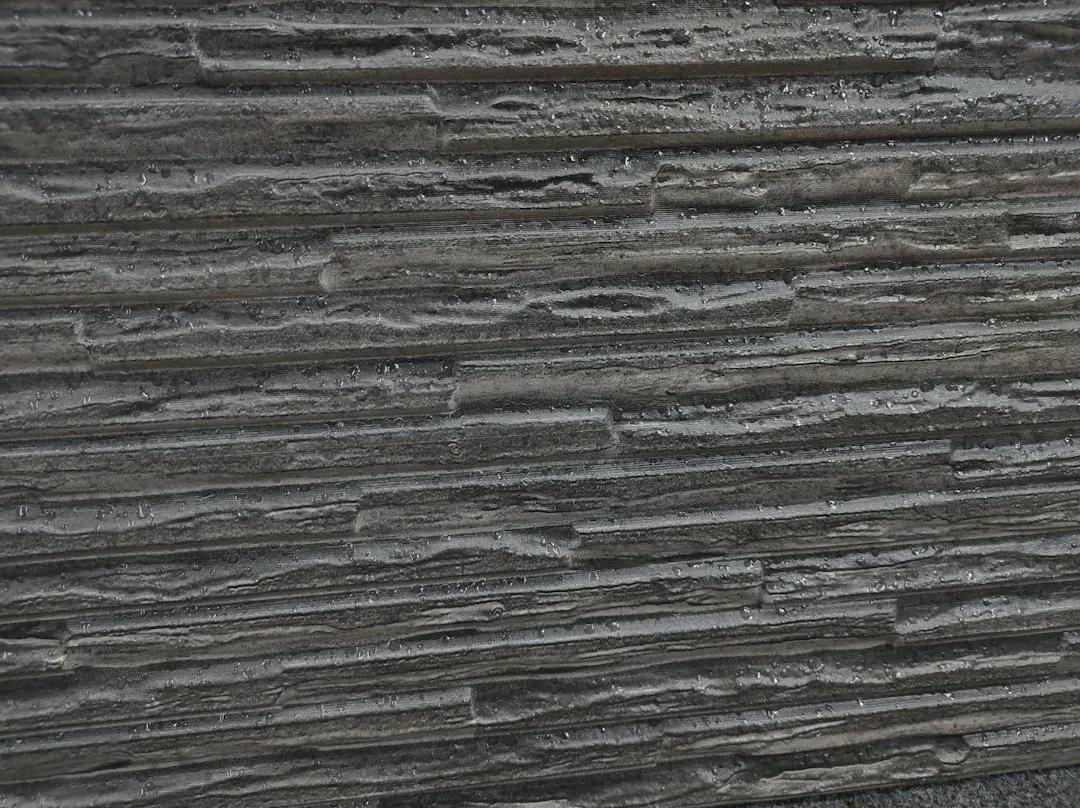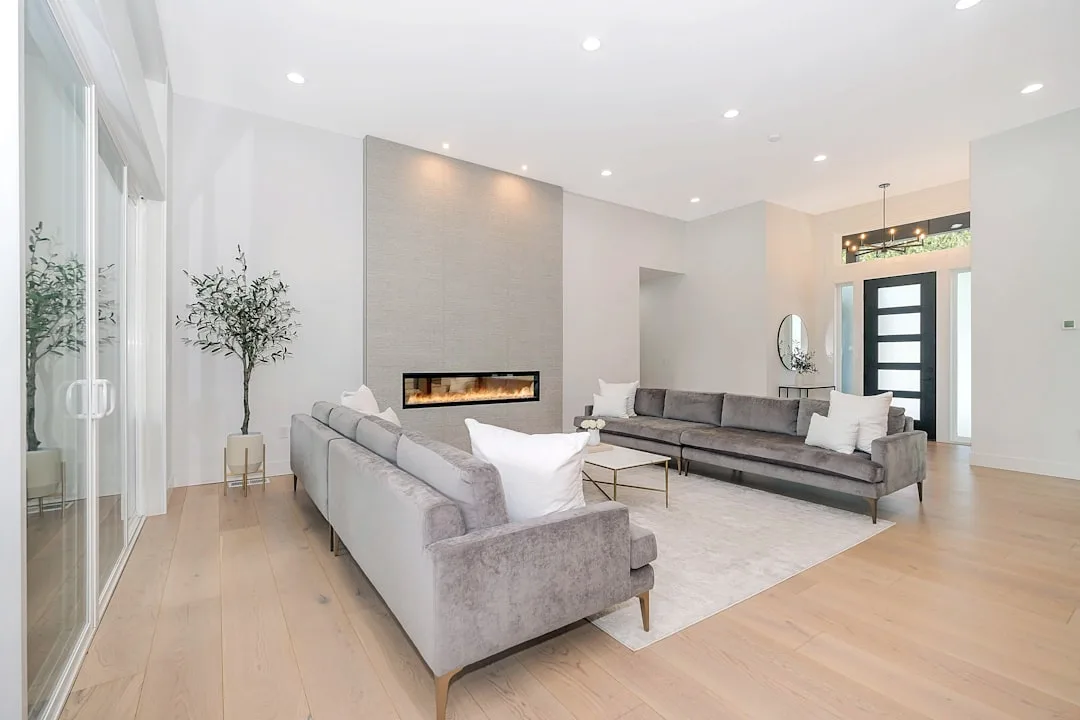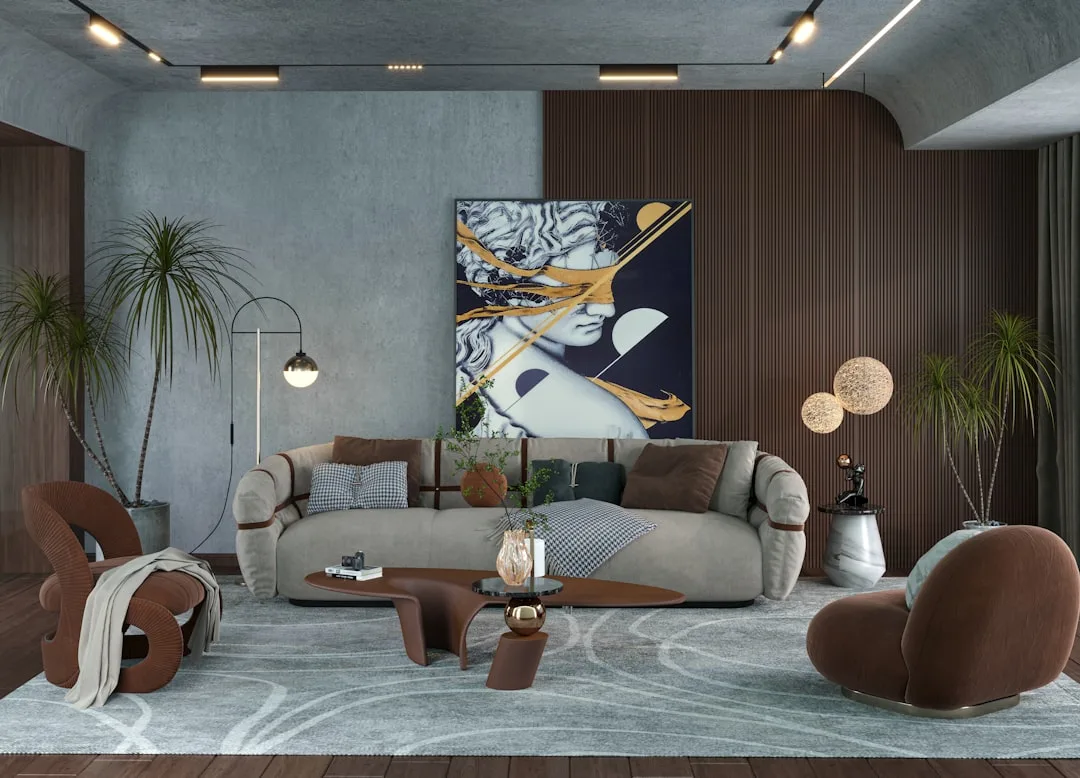
Walk into any high-end residential project completed in the past eight months, and you’ll notice plaster accent walls in roughly 40% of main living spaces. Plaster accent walls have become the primary alternative to paint, wallpaper, and matte finishes precisely because they create dimensional shadow play that shifts throughout the day. Unlike a static painted surface, plaster catches light differently at dawn, midday, and evening—making the room feel alive.
Designers are choosing plaster because it offers what millennial and Gen Z homeowners increasingly demand: tactile, handcrafted surfaces that photograph distinctly and age with character. A flat accent wall in Farrow & Ball’s darkest grey reads as one note. A plaster accent wall in the same tonal family reads as sculptural and premium.
Tadelakt plaster brings Moroccan heritage into contemporary spaces
Tadelakt originated in Morocco over a thousand years ago—a burnished lime plaster that becomes water-resistant after polishing. Contemporary makers like Keim and Beeck (German heritage brands with 150+ years in mineral coatings) have commercialized tadelakt for Western interiors in the past three years, making it accessible beyond boutique builders.
Tadelakt requires skilled application: a base coat of lime plaster is burnished with a smooth stone tool until it achieves an almost soap-like sheen. The result feels cool to the touch and reflects light with a matte-to-satin gradient that conventional drywall cannot replicate. A single accent wall in tadelakt typically spans 120–200 square feet and requires a minimum three-week cure time before the space is fully usable.
The aesthetic works best in bathrooms, bedrooms, and entryways where the plaster won’t experience daily friction. In high-traffic living rooms, tadelakt accent walls risk surface wear that reveals underlying layers—a effect some designers embrace as authentic aging, others avoid entirely.
Quick Tips
- Cure time: Allow minimum 21 days before introducing moisture or heavy furniture placement near plaster walls
- Lighting matters: Install dimmable LED fixtures or position accent walls to receive natural light from a consistent angle
- Ventilation: Ensure proper airflow during application; humidity levels above 65% slow curing and risk surface cracking
- Contractor selection: Hire applicators with 10+ years plaster-specific experience—DIY troweling rarely achieves professional depth
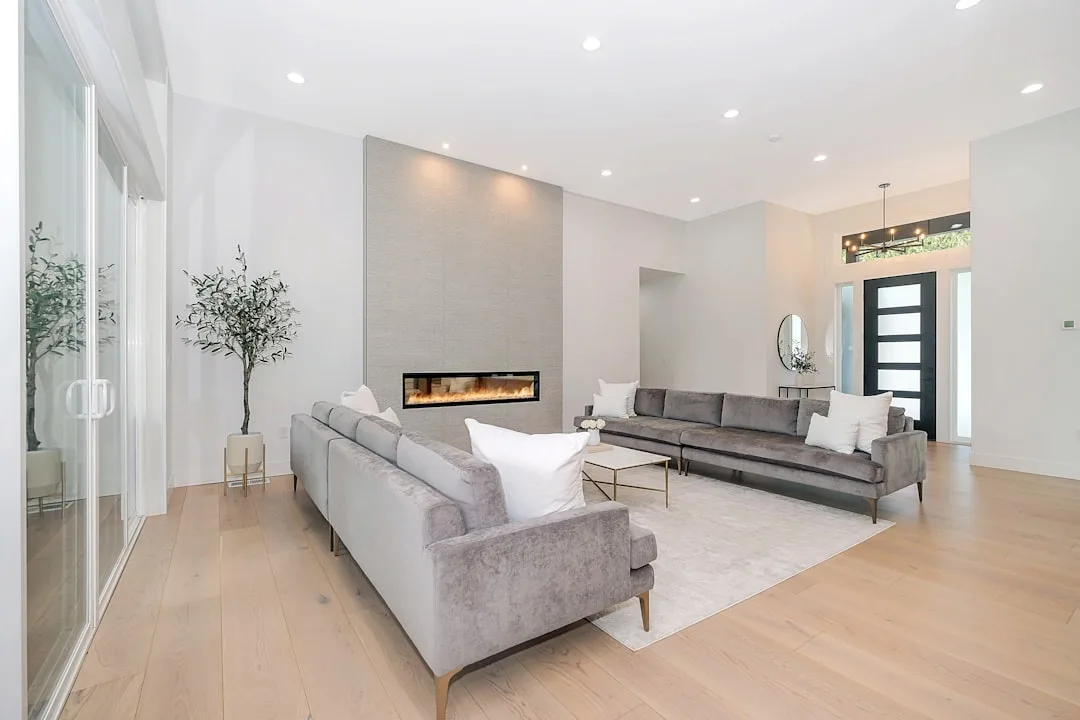
Raw lime plaster creates visible brushstroke texture and movement
Raw lime plaster (unpolished, left in its natural trowel state) has become the preferred choice for designers aiming for visible handwork. Brands like KEIM Restauro and Biofa offer base mixes that homeowners or contractors apply with irregular trowel patterns, creating a surface that looks intentionally applied rather than machine-finished.
The distinction matters: a wall finished in raw lime plaster reads as artisanal and one-of-a-kind, whereas a wall finished in conventional joint compound read as standardized. Raw lime plaster can be tinted with earth-tone pigments—ochres, umbers, iron oxides—that integrate into the plaster itself rather than sitting on top like paint.
This method works exceptionally well as a bedroom accent wall or behind a kitchen island. The visible trowel marks catch low lighting and create shadow variations that keep the surface visually interesting without pattern repetition.
| Plaster Type | Application Time | Best Room |
|---|---|---|
| Tadelakt (polished) | 2–3 days | Bathroom, bedroom |
| Raw lime plaster | 1–2 days | Living room, kitchen |
| Polished stucco | 3–4 days | Entryway, master bedroom |
| Micro-plaster (ultra-smooth) | 1–2 days | Modern minimalist spaces |
Polished stucco with integral pigment creates depth without artifice
Polished stucco differs from tadelakt in origin and application: it derives from Italian Renaissance techniques and uses Portland cement mixed with lime, hydrated lime, and aggregates. Integral pigmentation—added to the wet mix—ensures colour consistency that hand-applied paint cannot achieve, as there are no brush strokes or rolled sections visible.
When polished stucco is burnished to a satin finish, the wall surface reflects light evenly while maintaining tonal richness. The colour reads differently at various times of day—warmer in morning light, cooler under afternoon western exposure—which creates the psychological effect of a living surface rather than a static backdrop.
Designers at firms like Sigdal (a Scandinavian interior practice with 80+ completed residential projects using plaster walls) report that clients consistently underestimate the visual impact until installation is complete. The sculptural quality becomes apparent only once lighting hits the polished surface from multiple angles.
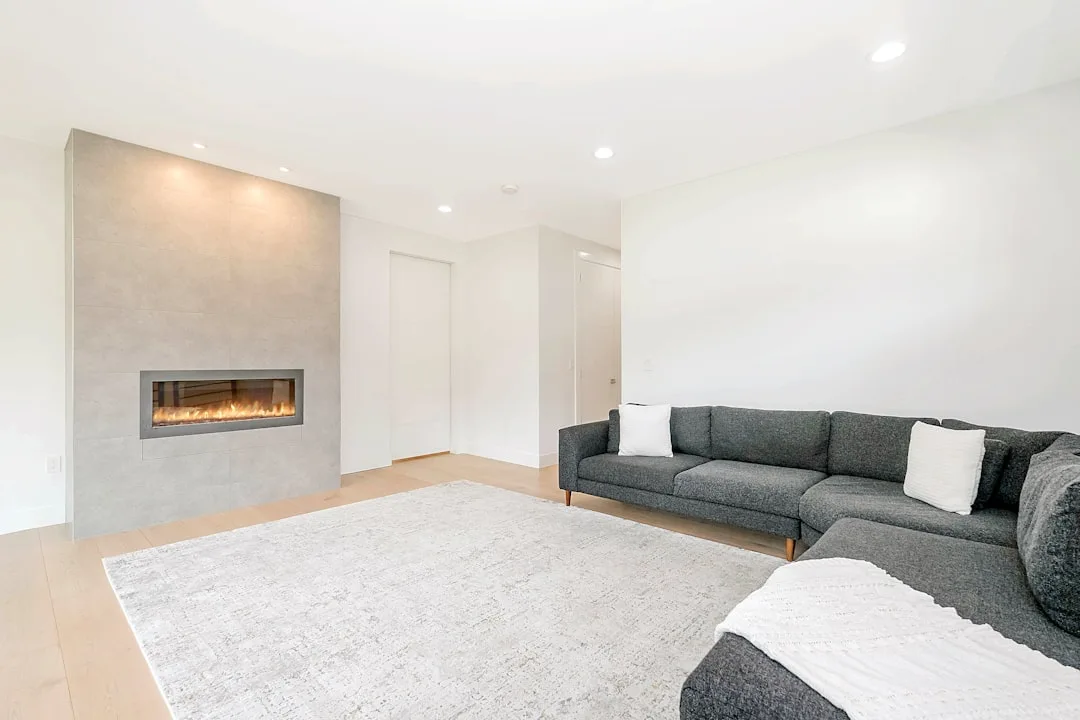
The primary mistake: applying plaster over unsuitable substrates
The single most common failure occurs when homeowners or contractors attempt plaster application over drywall that has not been primed with a lime-compatible primer. Standard drywall primer is acrylic-based; lime plaster requires a mineral-based primer that allows vapour transmission and chemical compatibility between substrate and coating.
Without proper priming, plaster delaminates within months—sometimes weeks—leaving sections bubbled or peeling away from the wall. The repair requires complete removal and re-application, doubling costs and creating 6+ weeks of project delay. A correctly primed drywall surface, by contrast, accepts plaster and cures without separation.
A second failure mode: over-troweling raw lime plaster into smoothness. The intention is to preserve visible trowel marks and texture; over-working the surface erases character and produces a hybrid that reads as neither polished nor raw, landing in an awkward middle ground.
Durability, maintenance, and long-term cost
Plaster accent walls require less maintenance than painted surfaces in low-traffic areas, as the mineral base does not attract dust the way latex paint does. A light brushing with a dry soft-bristle brush every 6–8 months keeps the surface clean. Avoid water spray or abrasive scrubbing, which damage the finish.
The upfront cost—labour, materials, and specialized application—typically ranges higher than paint but lower than stone cladding. Once installed, a plaster accent wall has a service life of 15–25 years before any touch-up becomes necessary. Compared to repainting a wall every 5–7 years, the total cost of ownership favors plaster.
For homeowners planning major interior updates, designing with purpose creates cohesion across surfaces and finishes. Plaster accent walls integrate most successfully when supported by complementary materials—raw wood trim, terrazzo flooring, or mineral-based fabrics that reinforce the aesthetic of handcrafted, material-forward design.
Why plaster accent walls resonate in 2026
The shift toward plaster reflects a broader rejection of mass-produced, perfectly uniform interior surfaces. Homeowners increasingly perceive flawless finish as corporate rather than residential. Textured, handmade surfaces signal investment, intentionality, and permanence.
Plaster accent walls also align with biophilic design principles—bringing natural materials and tactile surfaces into interior environments. A polished stucco wall exhibits the same mineral beauty as exposed stone, but with greater flexibility in colour and form. This approach—visible in high-end residential markets from London to Copenhagen to Los Angeles—continues accelerating into 2027 and beyond.
For anyone reconsidering their bedroom or living room backdrop, zen-forward design approaches emphasize material authenticity, which aligns naturally with plaster finishes. Start with a single accent wall in a low-traffic zone, document how light interacts with it across seasons, then expand if the result resonates with your space and daily experience.