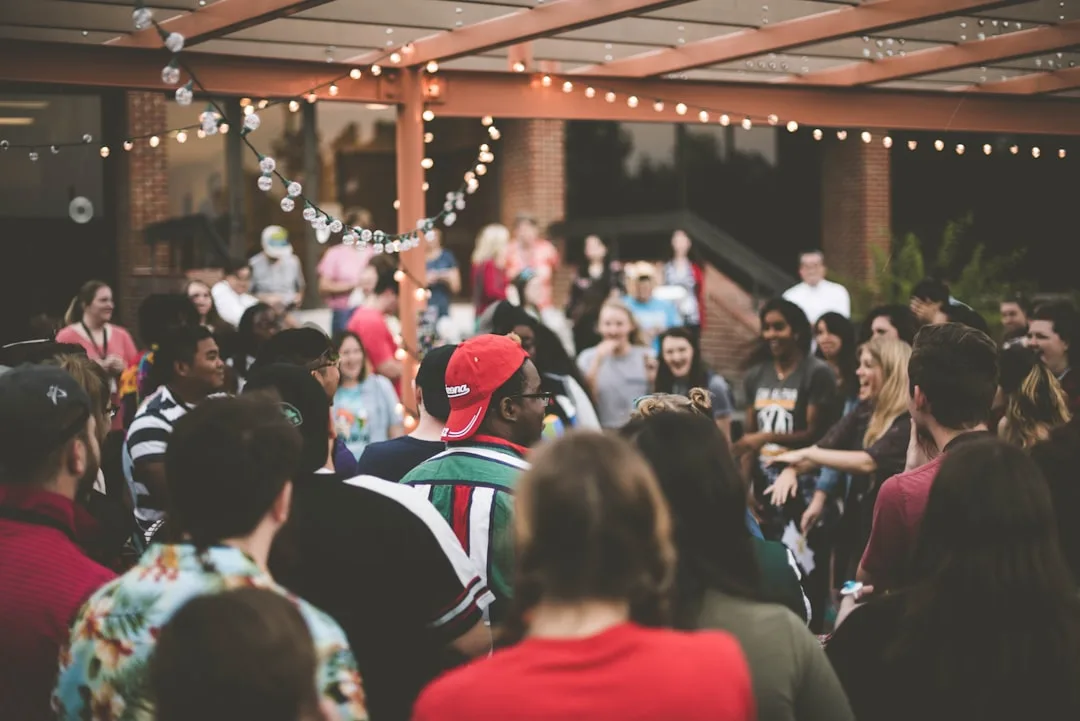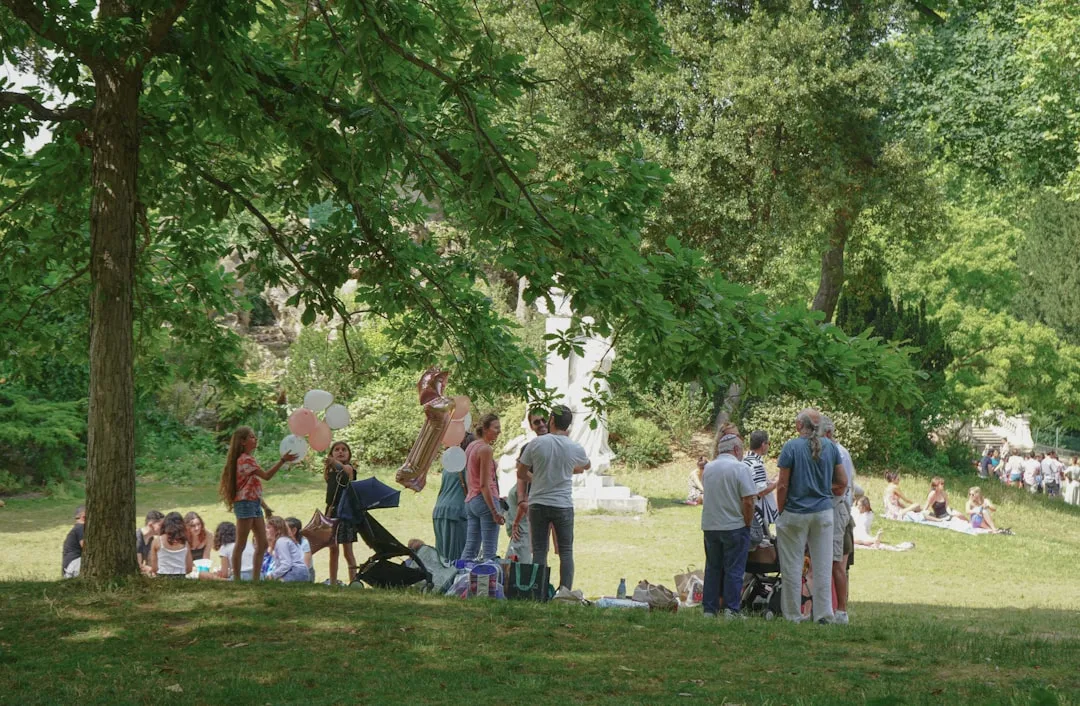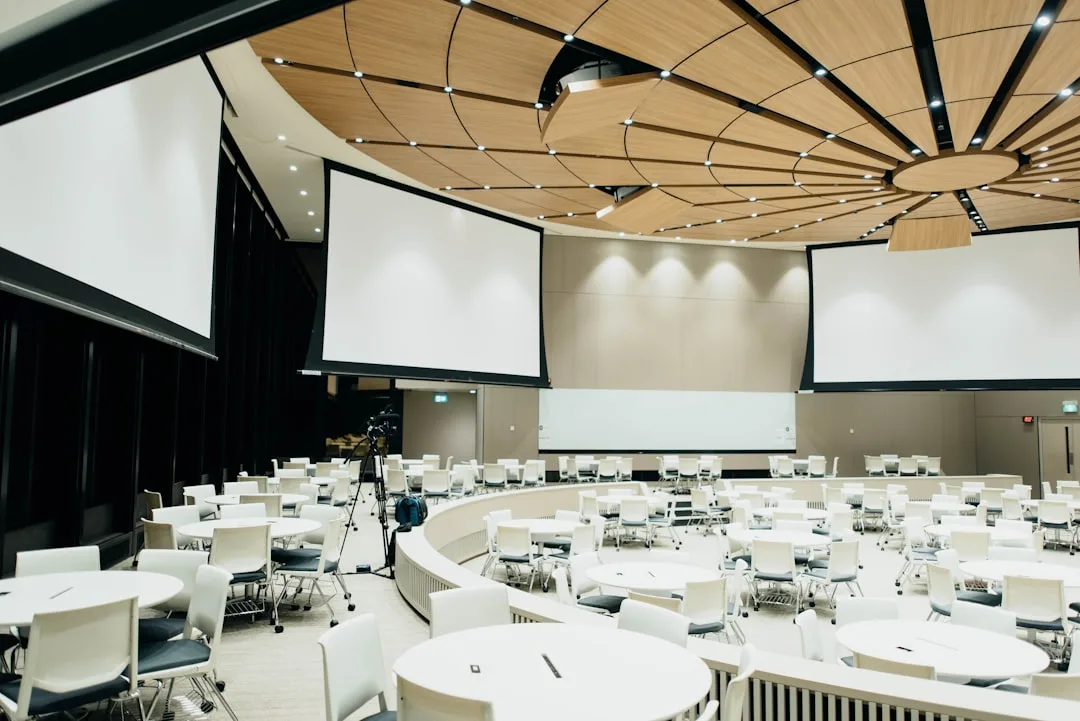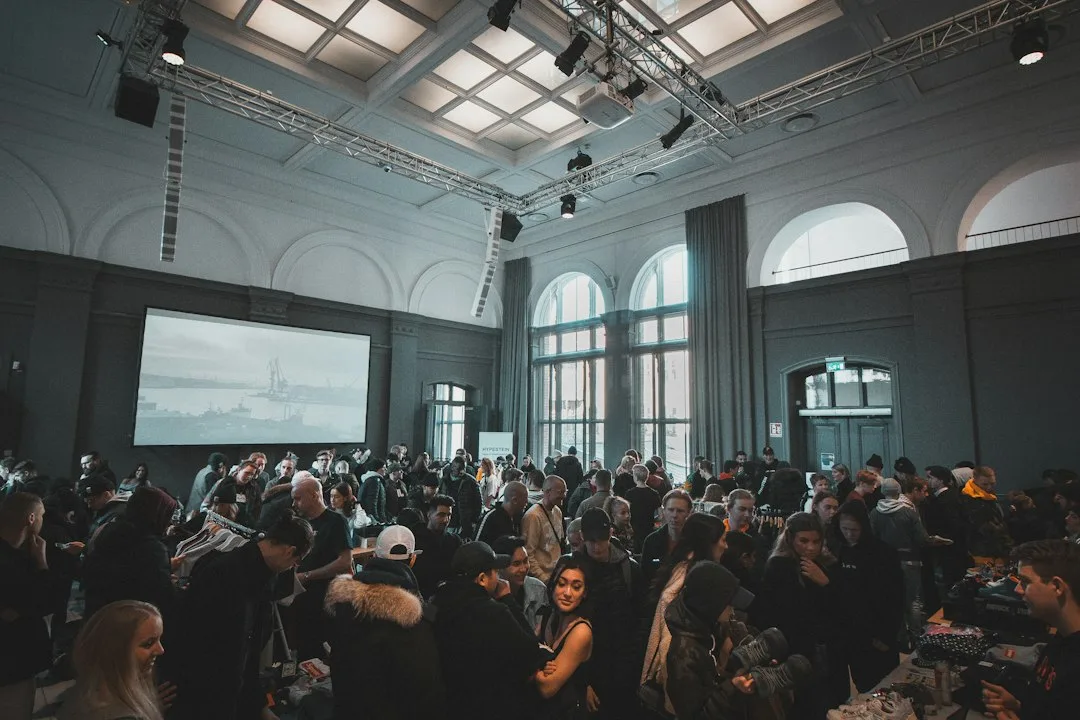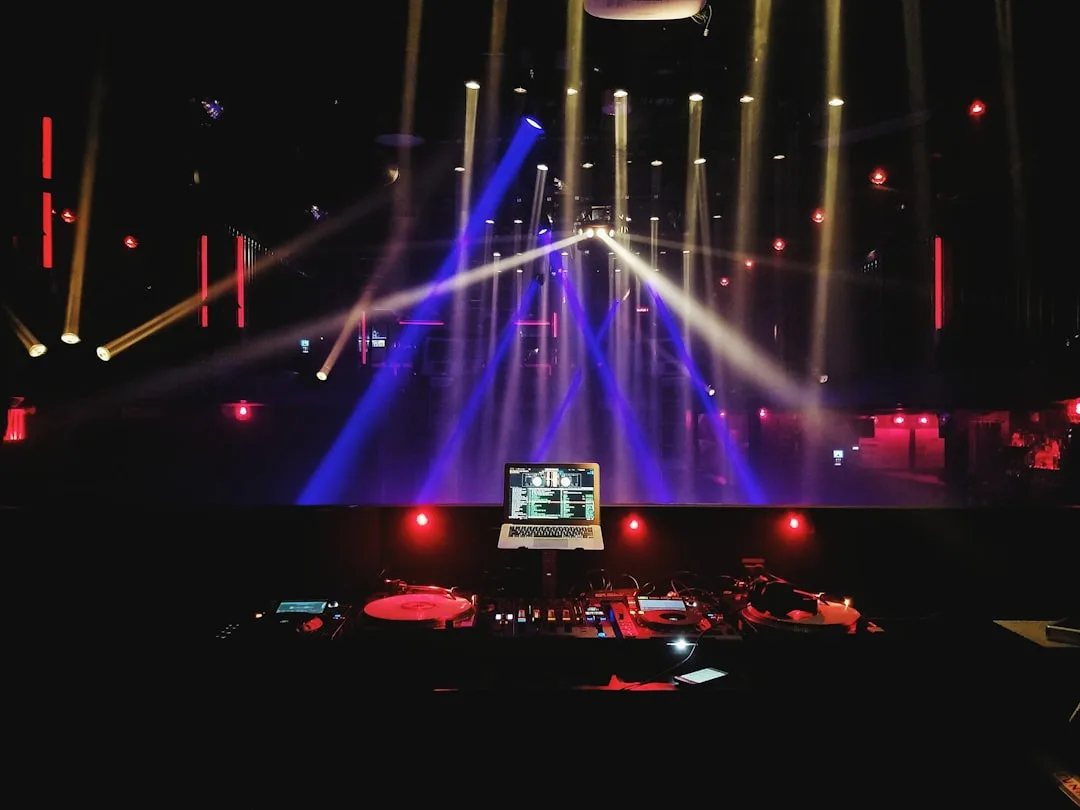
In January 2026, the event technology firm Hopin released data showing that 67% of celebrations now incorporate a virtual component, compared to 23% in 2022. Virtual celebration venues have stopped being a pandemic workaround and become an intentional design choice. What makes this trend different today is the sophistication: guests aren’t watching a grid of faces on Zoom.
They’re entering branded environments that replicate physical venue acoustics, spatial audio, and even ambient lighting conditions. The shift isn’t about technology—it’s about belonging without geography.
Spatial Audio and Immersive Venue Design Transform Remote Attendance
Gather, the virtual events platform acquired by 6sense in 2025, pioneered spatial audio rendering that lets guests hear sound directionally based on avatar proximity. If you’re standing next to someone virtually, you hear them clearly; move 20 feet away, and their voice fades with realistic distance falloff. This single feature eliminated the cognitive fatigue that plagued early Zoom celebrations.
Venues designed on platforms like Gather or Teamflow now mimic acoustic properties of their physical counterparts. An ornate ballroom preset includes subtle reverb; a backyard garden setting features birdsong and ambient wind.
AltSpace VR, which Microsoft acquired and later deprecated but whose architectural principles live on in emerging competitors, demonstrated that avatar-based celebrations with realistic lighting and texture mapping changed how people perceive remote gatherings. Attendees report higher emotional engagement and memory retention when celebrating in designed spaces versus generic meeting rooms.
Quick Tips
- Choose a venue platform that offers spatial audio, not standard call routing—the difference in guest experience is measurable
- Test lighting and background settings 48 hours before the celebration; screen glare and poor audio indexing remain the top attendance detractors
- Designate a tech host separate from your event host—someone monitoring chat, recording technical moments, and troubleshooting participant connection issues
- Schedule a 15-minute orientation call with your remote guest list beforehand so they understand how to navigate, mute, and use interactive features
Hybrid Celebrations Combine In-Person and Remote Guest Experiences
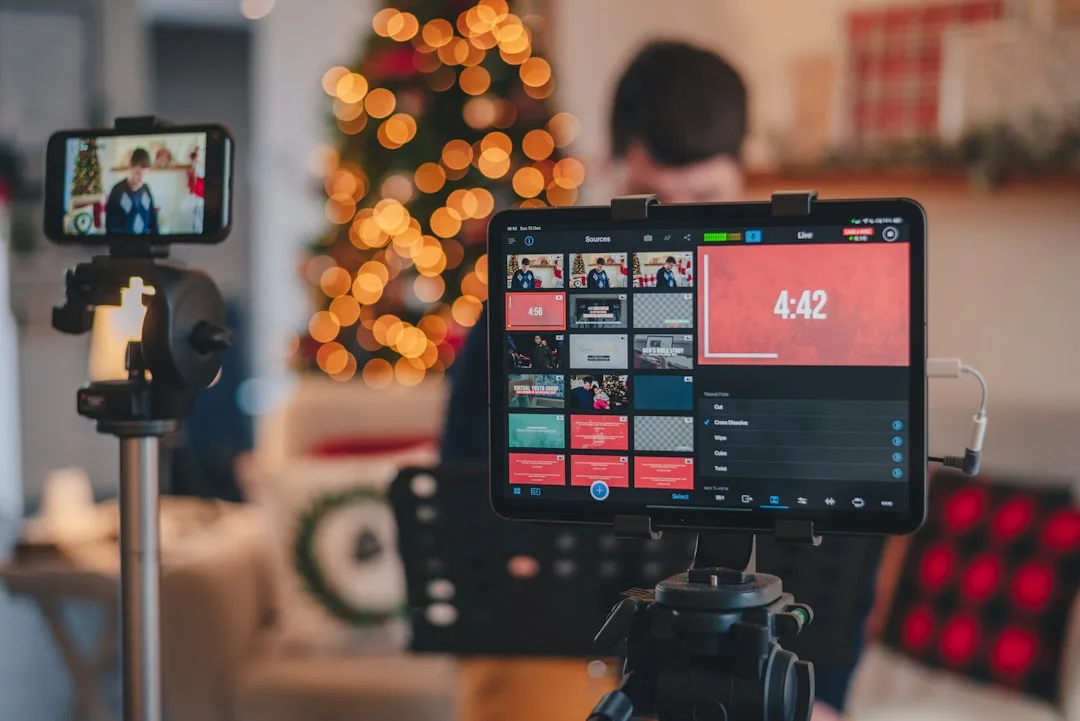
The real growth isn’t pure-virtual events—it’s hybrid celebrations where some guests attend physically while others join remotely, with equal experience quality. Loom, the video communication platform, found that 43% of corporate celebrations in Q3 2026 used a hybrid model, up from 18% in 2023.
This requires architectural thinking about sightlines, camera placement, and spatial microphone arrays. A physical venue with in-person guests needs multiple camera angles so remote attendees see detail equivalent to standing there.
| Event Type | Tech Investment | Typical Guest Split |
|---|---|---|
| Wedding with remote family | Multi-angle cinema setup, directional mics | 80% in-person, 20% virtual |
| Corporate milestone celebration | Dedicated streaming director, custom platform | 60% in-person, 40% virtual |
| Family reunion across regions | Spatial audio venue, breakout rooms | 40% in-person, 60% virtual |
| Birthday with distributed friends | High-quality webcam, branded platform | 50% in-person, 50% virtual |
The mistake most hosts make is treating remote attendees as secondary observers. A wedding couple livestreaming to distant relatives on basic Zoom, with a single static camera pointed at the altar, creates a second-class experience that remote guests resent subconsciously. They feel excluded, even if they intellectually understand the in-person nature of the event.
Contrast this with a celebration where remote guests can select camera angles, zoom into detail during toasts, and unmute to ask questions in a dedicated chat that the in-person host actively monitors. Participation transforms resentment into connection.
Accessibility Features Redefine Who Can Attend
Virtual celebration venues have forced the industry to standardize accessibility in ways physical venues resisted for decades. Caption generation, ASL interpretation feeds in separate video windows, and real-time translation are now expected features, not premium add-ons.
When a celebration is hybrid, accessibility accommodations benefit both remote and in-person guests. If you’re offering live captions, a guest with hearing loss at a physical venue can read them on their phone; a remote attendee with a noisy connection can follow the conversation.
This accessibility shift has transformed who feels welcome at celebrations. A parent of twins attending virtually from home because childcare isn’t available, an elderly grandparent with mobility limitations, a colleague deployed overseas—all can participate with dignity, not as exceptions requiring special handling.
Cost Transparency and Venue Economics Shift
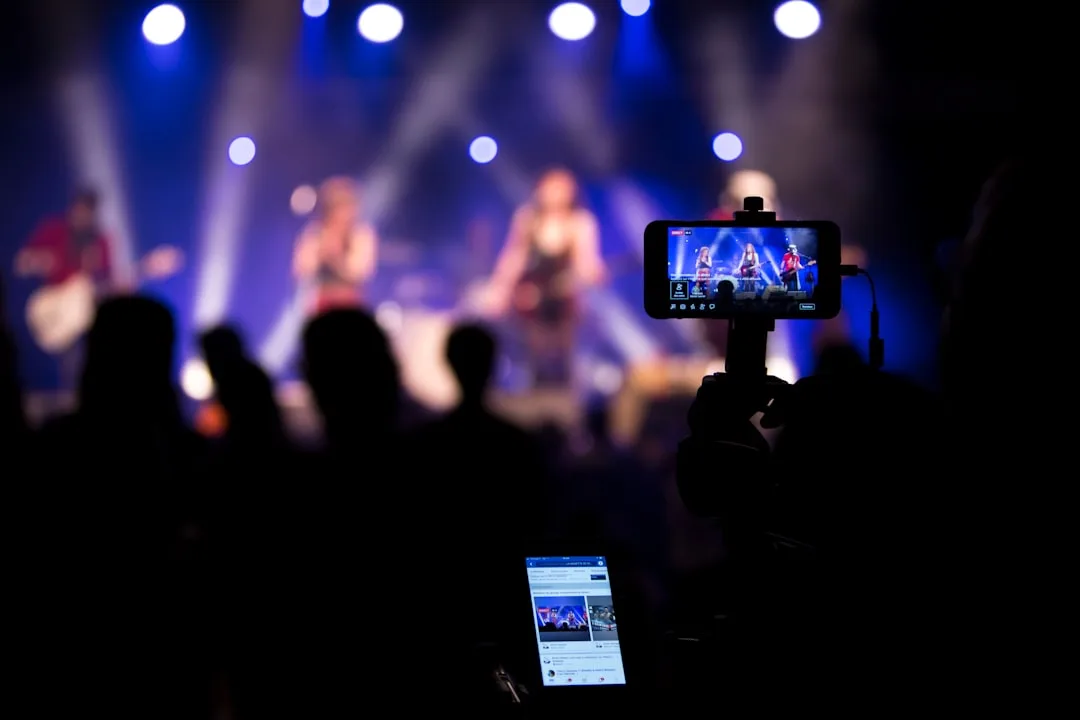
Traditional venues charge based on guest count and square footage. Virtual celebration venues operate on subscription tiers: a basic tier handles 50 guests with standard features; premium tiers unlock breakout rooms, custom branding, and premium support. This model shifts event economics dramatically.
A family celebrating a milestone across three continents no longer needs to compromise on location or bear the cost of flying 40 relatives to a single physical city. A company celebrating a product launch can reach every office globally without the venue capacity constraints that previously forced them to choose a single host city.
This democratizes access to sophisticated celebration infrastructure that was previously reserved for large corporate events. A retirement party, a promotion celebration, or a regional team win now has access to professional-grade staging at a price point that makes sense.
Why Integration with Real-World Elements Matters Most
The highest-impact celebrations in 2026 aren’t choosing virtual OR physical—they’re integrating both deliberately. Destination Wedding Events Drive Luxury Travel Growth in 2026, yet many couples now design their celebrations to include virtual attendance, ensuring international family can participate without the full travel commitment.
Similarly, companies that had abandoned office team events entirely are rediscovering the power of in-person celebration while using virtual components to include distributed teams. Corporate Team Building Events 2026 — Why Hybrid Experiences Drive Employee Retention has become a strategic priority precisely because hybrid models feel more inclusive than either all-remote or all-office approaches.
The platforms evolving fastest are those integrating pre-event coordination, during-event immersion, and post-event memory capture. A guest receives a invitation on Airtable, joins a virtual venue with spatial audio, takes photos that auto-upload to a shared album, and receives a personalized video highlight reel by email two days later.
Virtual celebration venues aren’t replacing the human need to gather—they’re removing the geographic barrier that made gathering logistically impossible. That shift is reshaping who gets to celebrate together, how often, and with what level of participation. The trend will only accelerate as the technology matures and cultural acceptance normalizes hybrid celebration as the default, not the exception.