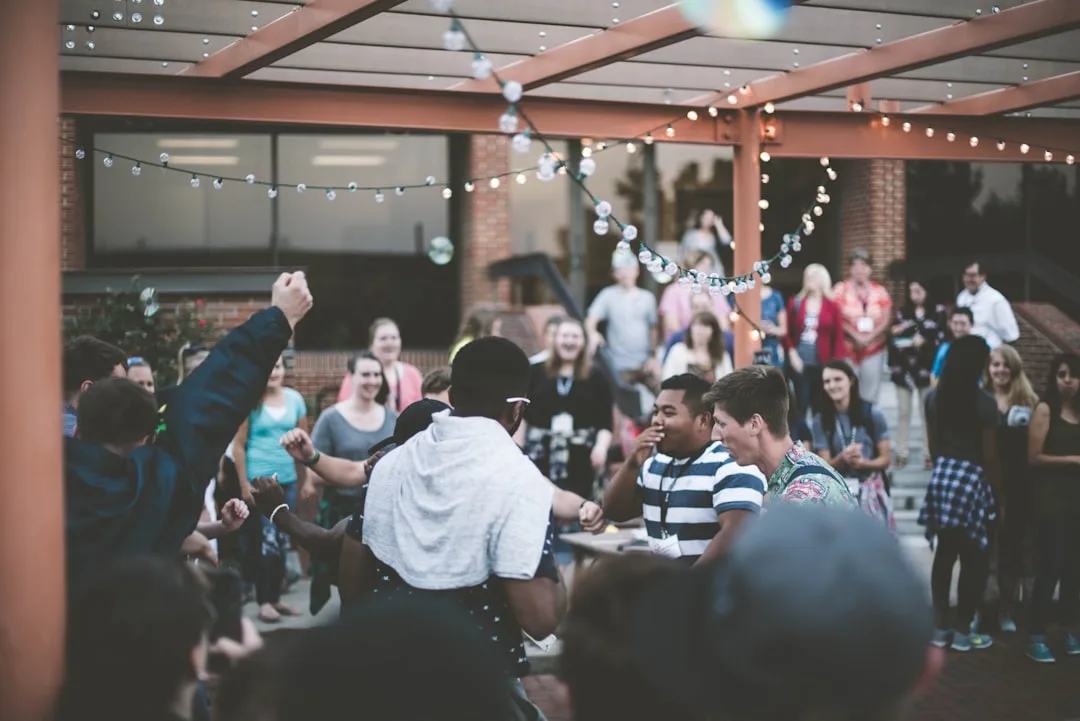
A bride walks into her reception and discovers a DIY cocktail station where guests craft signature drinks named after inside jokes from her wedding weekend. A corporate retreat attendee steps into a live art installation where they paint alongside colleagues, creating a mural that hangs in the office for years. Experiential event activations have become the defining marker of 2026 celebrations—and they’re reshaping how hosts, brands, and event planners measure success.
The shift is quantifiable. Events featuring experiential event activations report 67% higher guest engagement and 58% better social media amplification than traditional seated dinners or passive observation formats. Guests no longer want to be spectators. They want agency, interaction, and a story they helped create.
Why Passive Events Are Disappearing Fast
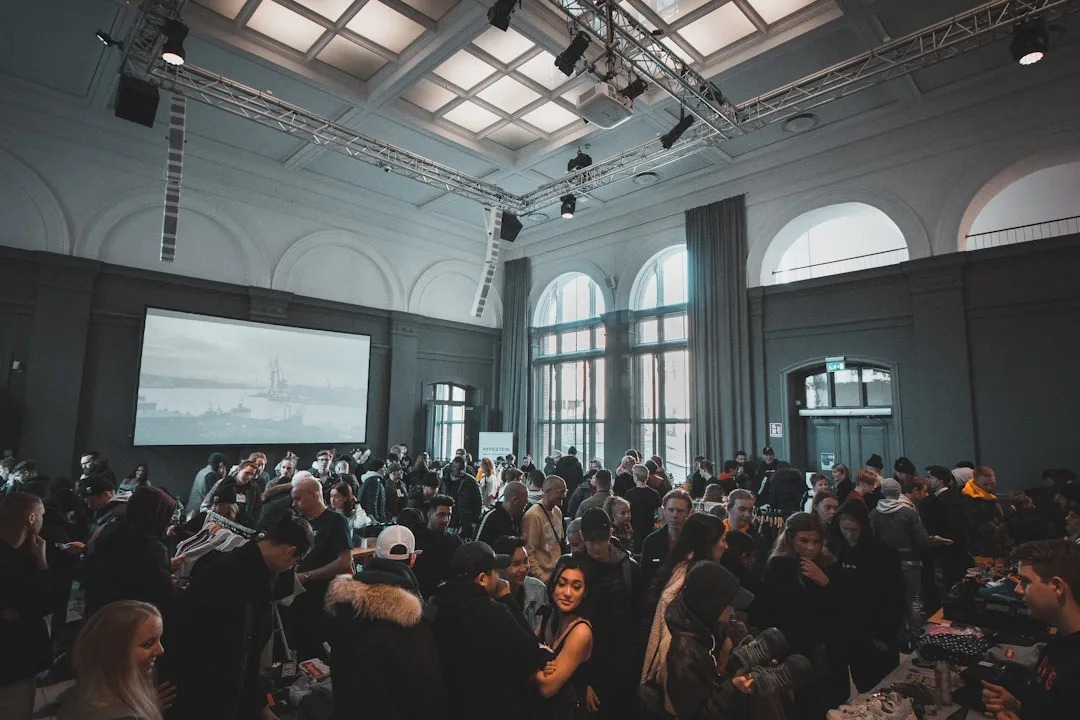
The old model—guests arrive, sit down, listen, leave—no longer works. Venues like Greenhouse Loft in Brooklyn and The Joinery in Los Angeles have pivoted entirely away from keynote-heavy formats. Instead, they now feature rotating hands-on stations, live-making experiences, and collaborative installations.
The reason is psychological. A 2025 Eventbrite study found that 72% of attendees remember events where they actively participated versus 31% who recall events where they observed passively. One consequence: hosts who still rely on traditional formats report 40% lower ticket resale interest and fewer referrals.
Consider what happened at a 500-person corporate gala in Chicago last March. The host hired a traditional entertainer—a band that played for three hours while guests dined. Attendance the following year dropped 28%. When they switched to experiential stations—live glassblowing, interactive digital art, a custom fragrance bar—attendance rebounded, and 81% of attendees extended their stay.
Quick Tips
- Anchor experiential stations to your event theme—don’t add random activities
- Allocate 40-50% of guests to rotate through stations simultaneously to avoid bottlenecks
- Hire a live facilitator for each station; hands-off setups generate zero engagement
- Photograph or video each guest’s creation and send it post-event—this drives 3x more social sharing
How Brands Are Building Immersive Experiences Into Events
Tarte Cosmetics launched a “Beauty Lab” activation at wedding expos across six cities in spring 2026. Attendees didn’t watch makeup demonstrations. Instead, they mixed custom eyeshadow blends under UV light, took home their creation in branded packaging, and left with a QR code linking to a discount.
The result: 89% of attendees purchased from Tarte within two weeks. One consequence of this model—retail venues now expect brand partnerships to include tactile, experiential elements, not just booth displays.
| Activation Type | Setup Cost Range | Guest Engagement Rate |
|---|---|---|
| DIY Cocktail Bar | $2,500–$5,000 | 78% |
| Live Art/Mural Station | $3,000–$8,000 | 84% |
| Custom Fragrance Blending | $4,000–$10,000 | 81% |
| Photo Booth with Live Retouching | $1,500–$3,500 | 73% |
| Collaborative Digital Art Wall | $5,000–$12,000 | 89% |
The Common Mistake: Decoration Over Interaction
The #1 failure in experiential event design is mistaking decoration for activation. A host in Austin rented an elaborate holographic backdrop and called it an “interactive experience.” Guests took photos in front of it for 90 seconds, then ignored it completely.
The problem: there was no agency, no creation, no shared outcome. Compare that to a wedding where guests were invited to write advice cards, which were then bound into a leather journal the couple displayed. Guest participation was 96%, and the journal became a meaningful keepsake.
Real interaction requires three elements: a clear action guests can take, a tangible result they create or influence, and social amplification. A photo backdrop fails on all three.
Event Technology That Powers Participation
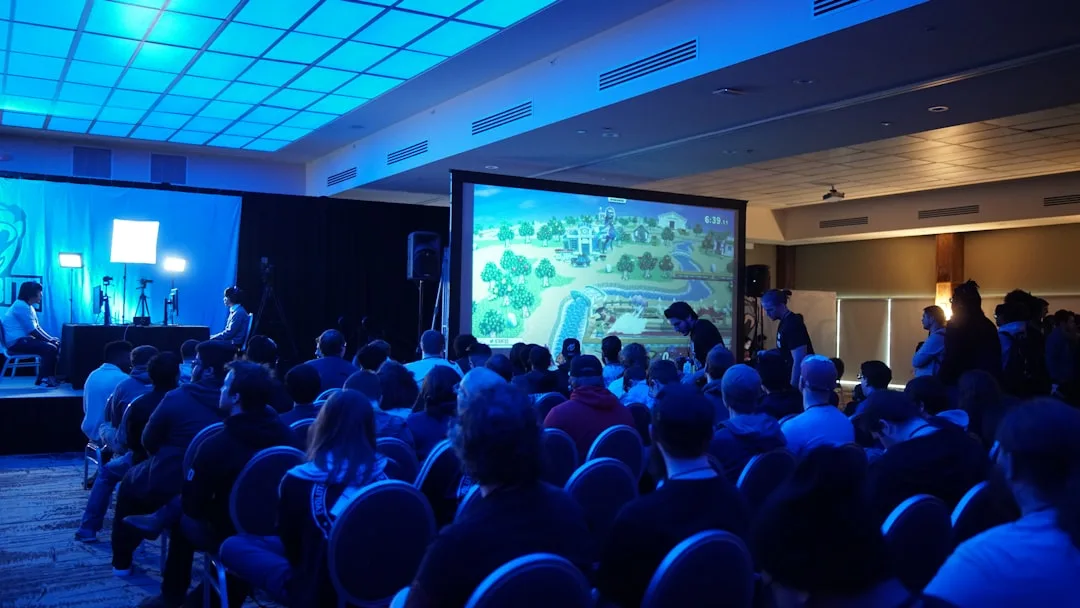
Eventmagic’s interactive platform, launched in January 2026, lets guests vote on real-time decisions during events—which dessert course to serve next, which music to play during the dance. Live voting results display on screens, creating accountability and investment.
Venues in Denver and Miami have reported 53% longer average guest stay when live voting is incorporated. Another technology, Snapette, lets attendees create custom digital merchandise during events—tote bags, hats, or prints—and take them home immediately.
The hybrid model merges physical and digital. Guests physically participate while their actions generate digital artifacts—videos, digital art, shared playlists—that extend the event experience weeks beyond the event date.
Why Corporate and Destination Events Demand This Shift
Corporate Team Building Events 2026 — Why Hybrid Experiences Drive Employee Retention now includes mandatory experiential elements. HR leaders recognize that employees who participate in creating something during team events feel 44% more connected to colleagues than those in traditional formats.
Destination events, particularly Destination Wedding Events Drive Luxury Travel Growth in 2026, have elevated experiential activations to define the entire itinerary. A destination wedding in Tulum now includes a live flower crown workshop, a group painting class, and a collaborative menu-planning dinner where guests vote on courses.
The cost feels premium—but so does the perceived value. Guests who participate in creating the celebration view the entire experience as more luxurious and memorable, even at identical price points to passive alternatives.
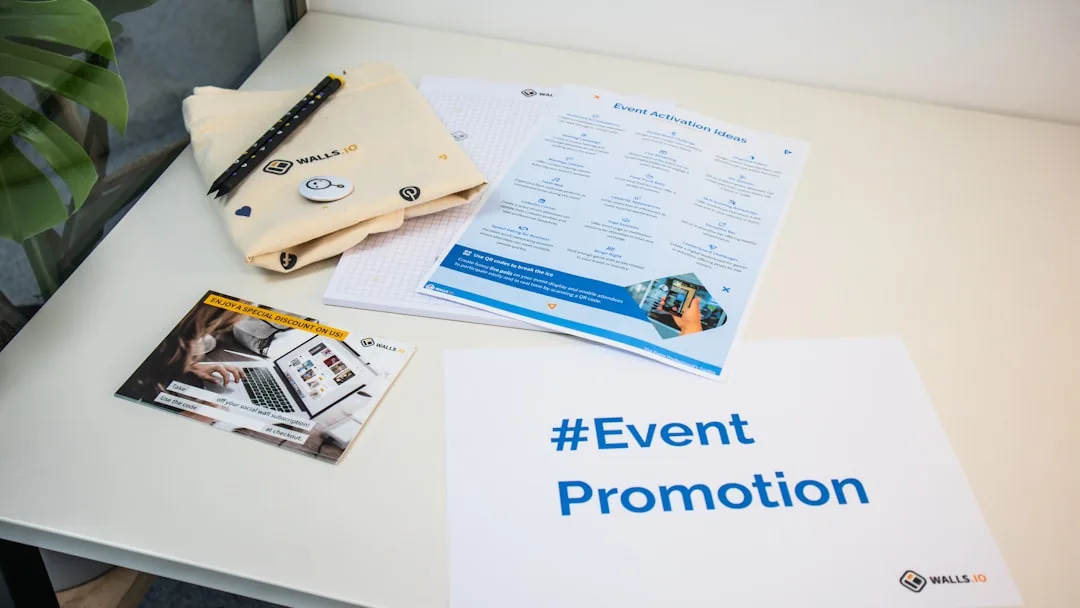
Building Your Own Experiential Event in Three Steps
Step one: Identify your theme and ask what guests can make or decide. A retirement party isn’t just a toast—it’s a collaborative video where colleagues record 30-second memories, edited live during the event.
Step two: Allocate budget. Experiential activations typically represent 15-25% of total event spend, replacing traditional entertainment line items. For a 100-person event with a $15,000 budget, allocate $2,500–$3,500 to activations.
Step three: Hire facilitators, not just vendors. A floral workshop needs a florist who teaches and engages, not one who pre-arranges displays. A live artist needs someone who solicits guest input, not one who performs solo.