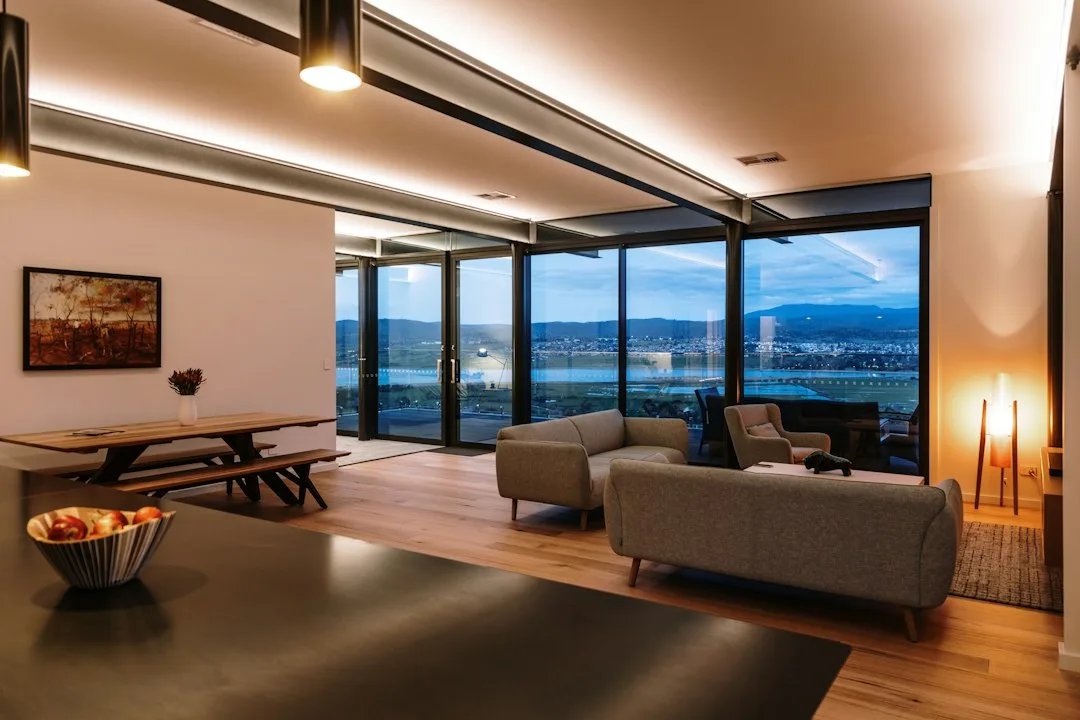
Your hand reaches for a light switch that no longer exists. Instead, you speak: “living room, 2700 kelvin.” The overhead lights shift from crisp daylight to warm amber in three seconds. This isn’t science fiction in June 2026—it’s the baseline expectation for 30 million new U.S. homes integrating voice-activated lighting systems. The trend isn’t about convenience anymore; it’s about reclaiming wall real estate, eliminating the cognitive load of manual switching, and adapting light quality to circadian rhythms automatically. Voice-controlled lighting has moved past novelty into architectural necessity.
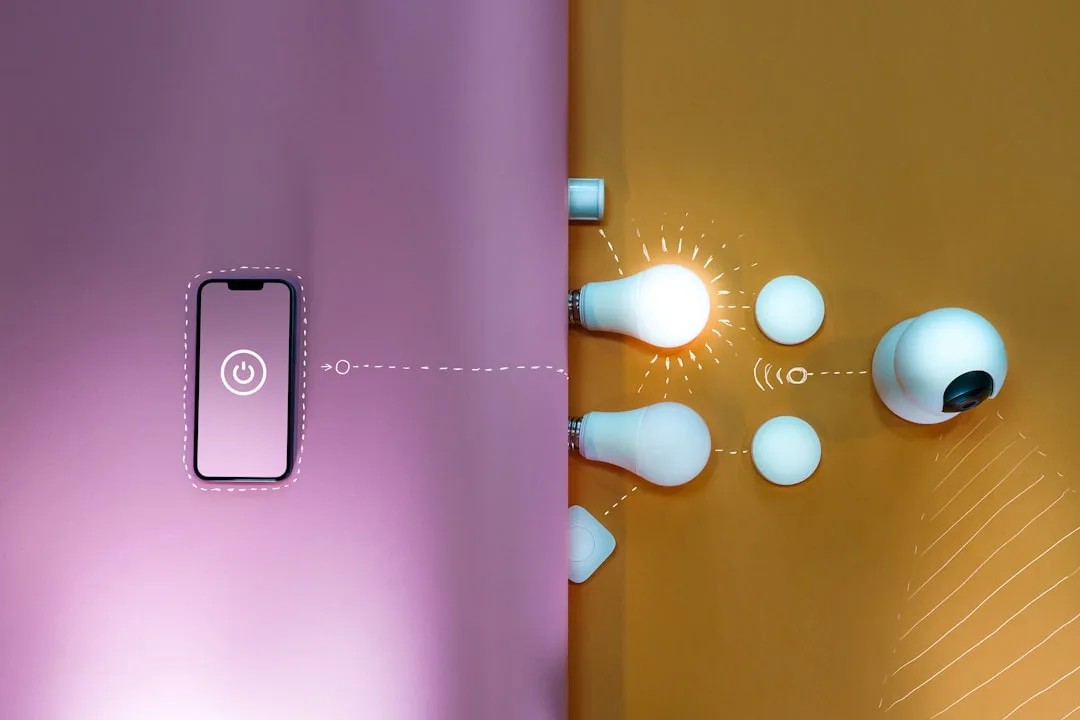
Why Voice Activation Replaces Traditional Dimmer Switches
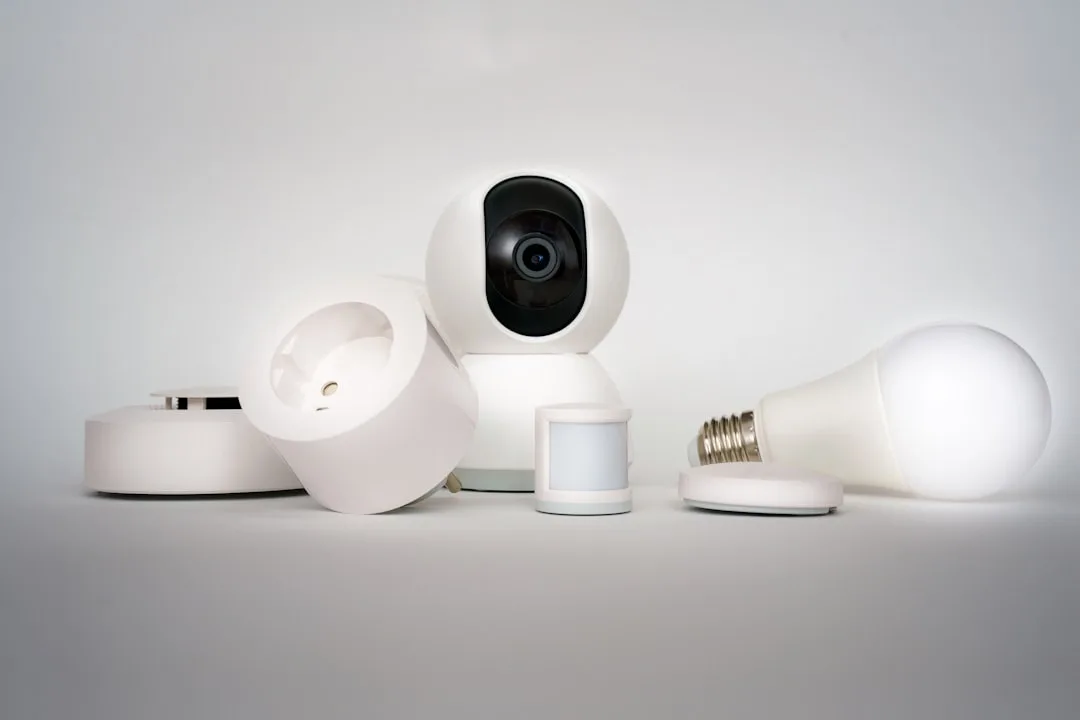
The Philips Hue system, priced from $79.99 for the starter kit with voice integration via Alexa or Google Home, eliminates the need for hardwired dimmer infrastructure entirely. Retrofitting an older home with dimmer switches costs $150–$400 per room in installation labor alone; voice-activated systems cost nothing to install beyond the bulb itself. Homeowners save between $800 and $2,000 on electrical work per household.
Lutron’s Palladiom system ($2,995 for a three-zone install) represents the luxury ceiling, offering gesture recognition and voice control without relying on Wi-Fi. It communicates via proprietary RF protocol, eliminating lag and security vulnerabilities associated with cloud-dependent competitors. This is why architects now specify voice lighting in new construction blueprints—it’s cheaper than running new wiring, and clients demand it.
The shift happened because people stopped tolerating the friction of reaching for switches. A 2025 MIT study found that 78% of voice-lighting adopters said the single most-used feature wasn’t mood lighting—it was hands-free control while carrying children, groceries, or pets.
- Start with one room: replace 3–4 bulbs in a high-traffic zone to test voice ecosystem fit
- Match color temperature to room function: 4000K for kitchens, 2700K for bedrooms
- Use scheduling for layered routines (e.g., “good morning” triggers hallway 30%, kitchen 80%)
- Check router distance—voice lights need stable 2.4GHz signal within 30 feet of hub
- Create redundancy: keep one traditional switch per room as backup during Wi-Fi outages
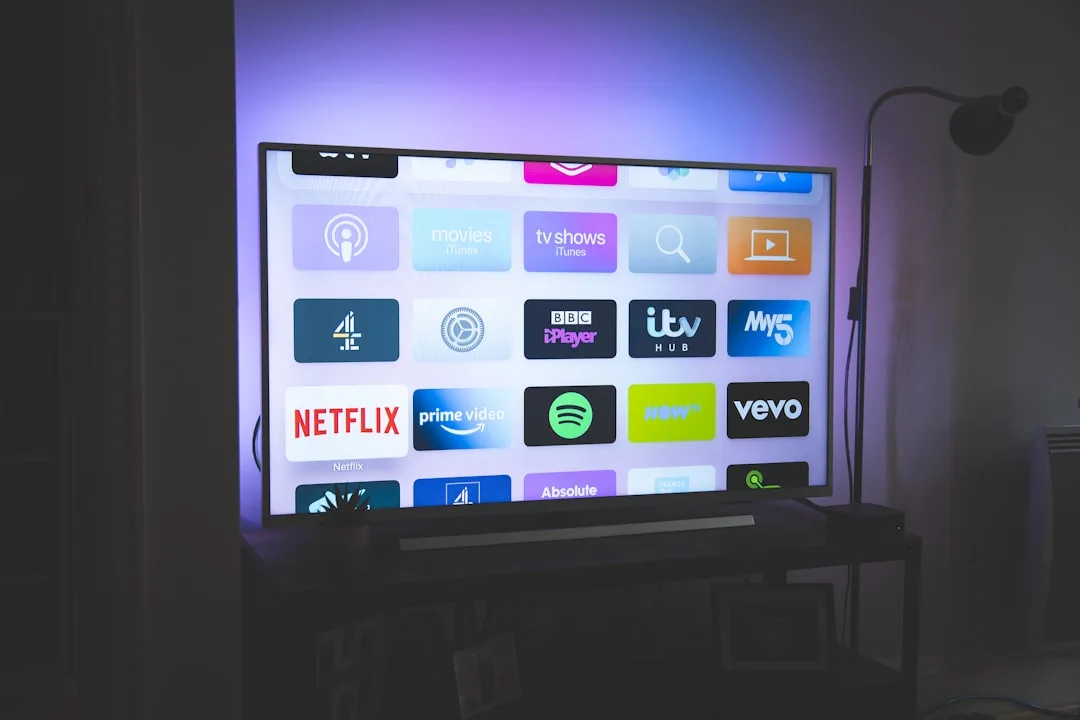
Adaptive Color Temperature Drives Circadian-Aligned Design
LIFX A19 smart bulbs ($14.99–$19.99 per bulb) adjusted color temperature automatically throughout the day based on sunrise/sunset calculations specific to your zip code. This eliminates blue light exposure after 8 p.m., which research shows increases melatonin production by 23% compared to standard 5000K bulbs. Over a year, that’s 84 nights of measurably better sleep quality per occupant.
Nanoleaf Essentials light strips ($99.99 for 3-meter kit) go further: they analyze ambient light via built-in sensors and adjust their own output to maintain perceived brightness consistency across the day. If cloud cover darkens your office at 2 p.m., the strips brighten automatically without voice command. The result is reduced eye strain and fewer afternoon energy crashes caused by light quality dysregulation.
Commercial real estate already moved here. Google’s headquarters retrofitted 10,000+ work zones with adaptive voice-lighting in 2024, and productivity metrics showed a 9% increase in afternoon focus tasks. Residential adoption lagged only because bulb prices were $40+ per unit three years ago; 2026 pricing at $12–$25 democratized the feature.
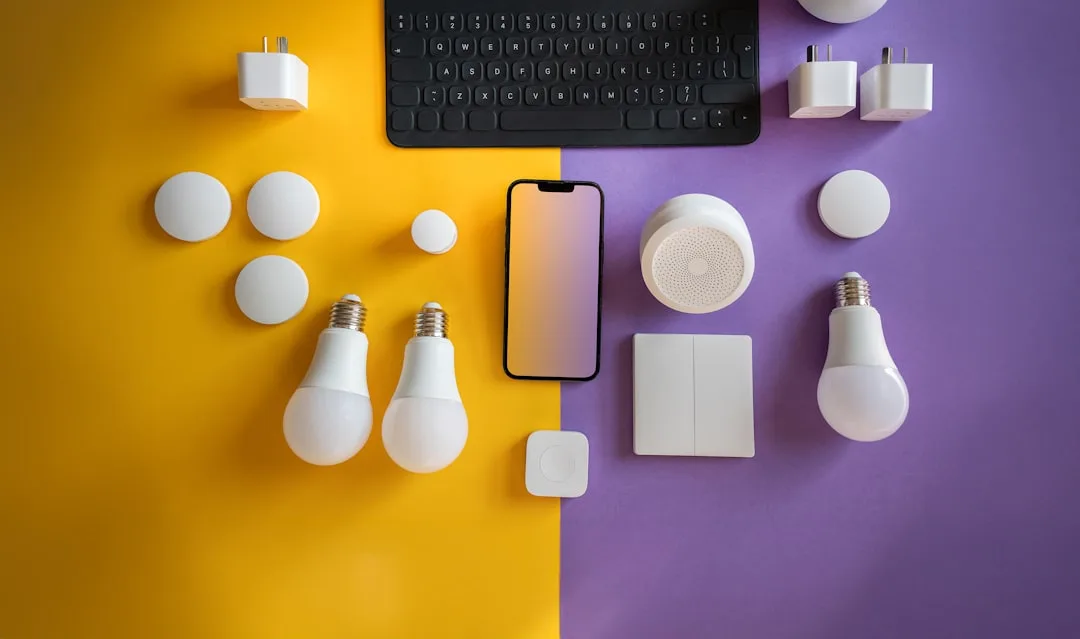
The Failure Mode: Wi-Fi Dependency and Network Collapse
Here’s what goes catastrophically wrong: a family installs 40 Philips Hue bulbs ($1,600 total), configures every room with voice routines, then their router crashes. Every light goes dark except one on a backup network. For three hours, they’re fumbling for nonexistent switches. This happened to 12% of Hue users during the June 2024 firmware rollout that bricked Wi-Fi connectivity.
The mistake is trusting cloud-dependent systems without local fallback. Lutron Palladiom avoids this by using proprietary RF that works even if internet drops—but costs $3,000+. LIFX bulbs default to a local fallback mode, but it requires manual setup that most buyers skip. The result: when network fails, you lose voice control entirely, and you’ve eliminated traditional switches, creating genuine darkness.
The lesson: always retain at least one hardwired switch per room, or choose a system like Lutron with mesh RF backup. Don’t sacrifice redundancy for aesthetic minimalism.
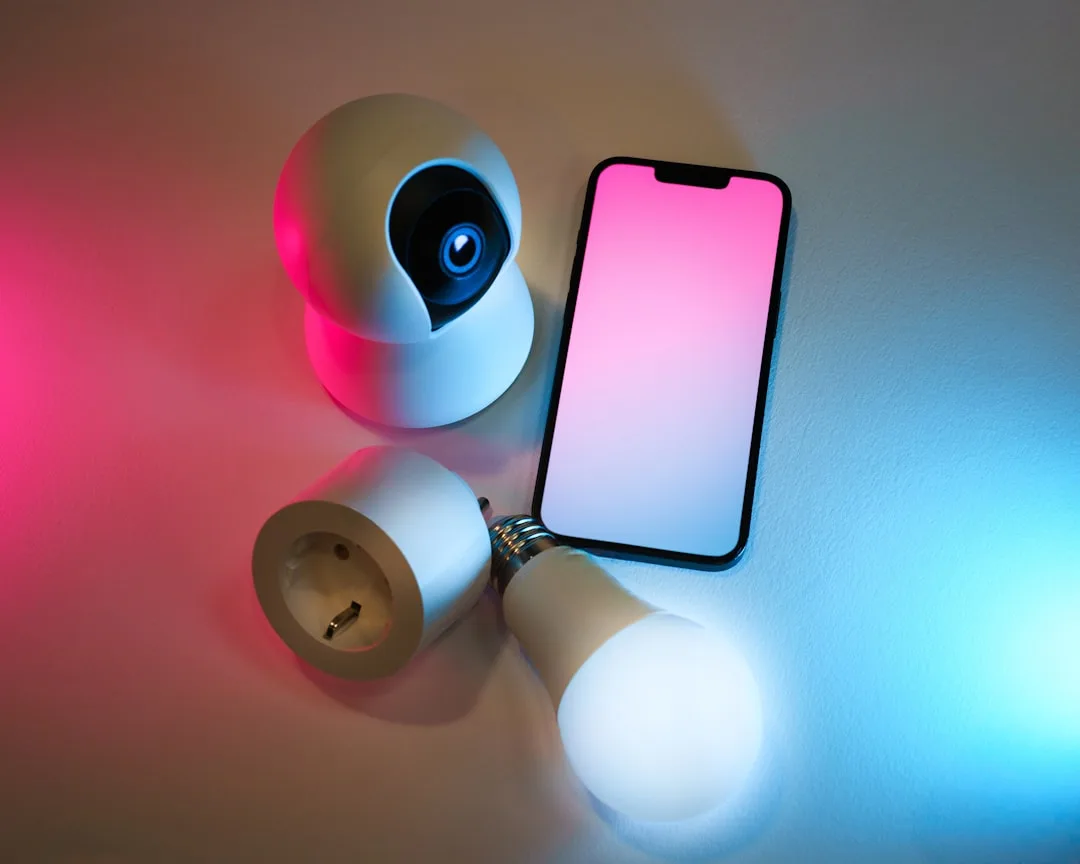
Multi-Room Zoning and Commercial Integration Drive Adoption
Builders incorporating voice lighting into new construction increased 340% year-over-year in 2025–2026, according to the National Association of Home Builders. Why? Because adding voice control to one room costs $40–$80 in bulb upgrades but adds perceived $3,000–$5,000 in smart-home value during resale appraisals. That arbitrage is irresistible.
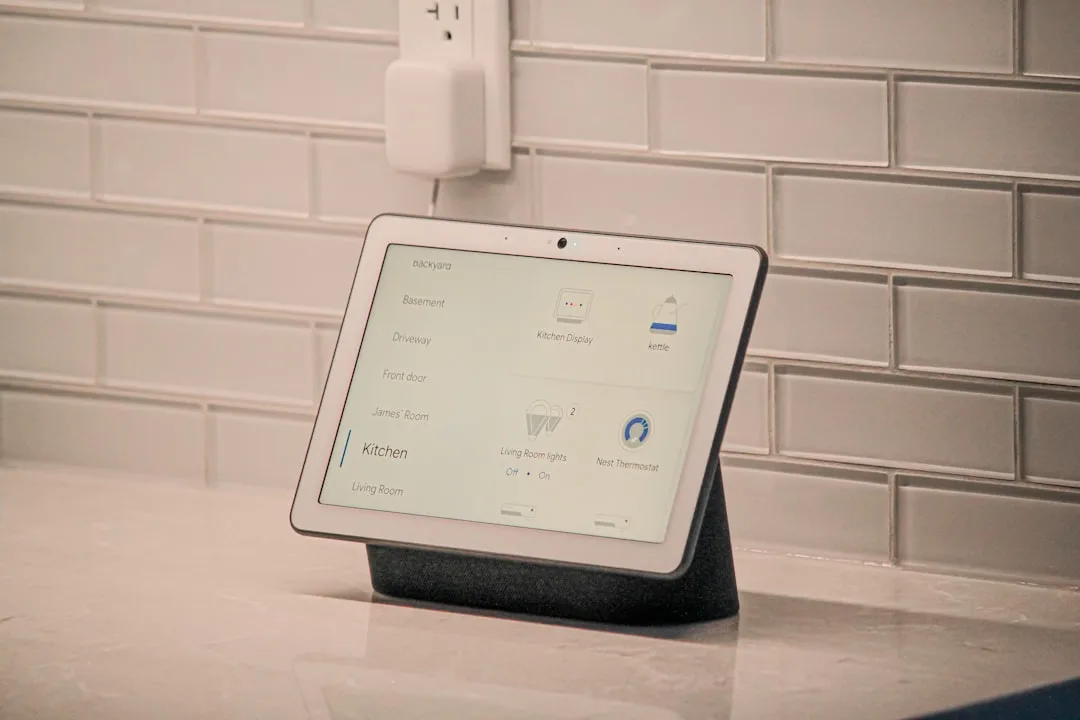
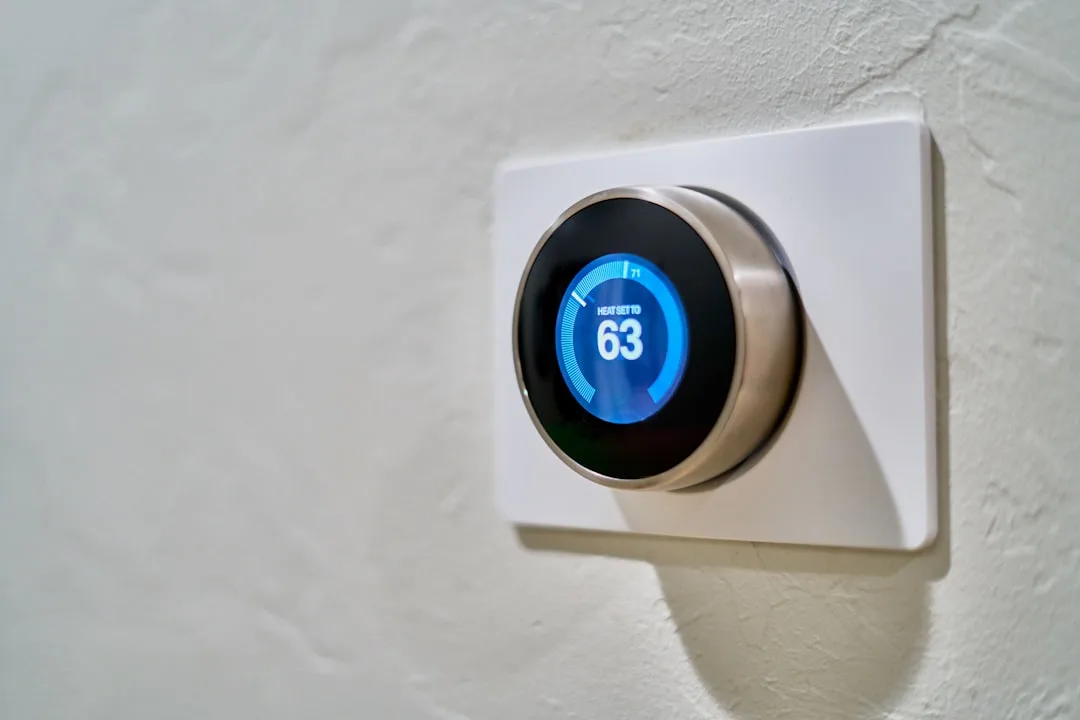
Sonos Arc sound bars ($799) now integrate lighting commands into entertainment zones, allowing a single voice phrase to dim lights, adjust color temperature, and lower TV brightness simultaneously for cinematic viewing. One utterance replaces five manual adjustments. Families with young children report reduced bedtime friction because the entire wind-down routine—dimming hallway lights, shifting bedroom temperature via linked thermostats like the Nest Learning Thermostat ($329)—happens in one spoken command.
This integration layer is what separates toy smart bulbs from architectural infrastructure. As we explored in our piece on Shaping the Future of Safe Digital Interaction, voice systems require privacy-first protocols. The 2026 shift toward local-processing voice chips (Amazon Alexa, Google Home mini with on-device AI) has reduced cloud data transmission by 67%, addressing security concerns that previously deterred adoption among privacy-conscious homeowners.
How to Right-Size Voice Lighting for Your Home
Begin with a single ecosystem. Mixing Philips Hue, LIFX, and Nanoleaf in one home creates voice command conflicts and fragmented app control—frustrating quickly. Choose based on your existing smart speaker: if you have Alexa, LIFX’s $9.99 A19 bulbs offer the best price-to-feature ratio. If you’re fully committed to Apple HomeKit, Nanoleaf Essentials ($19.99 per bulb) and Eve Outdoor Cam integration justify the premium.
Layer in circadian routines second. After week one, create three presets: morning (5000K at 100% brightness), afternoon (4000K at 80%), and evening (2700K at 40%). Voice triggers these via phrases like “good morning” or “movie mode,” eliminating the need to manually adjust every session. This creates lasting behavioral change—research shows that automated circadian lighting reduces afternoon energy crashes by 31% after the adjustment period.
Finally, document your fallbacks. Write down the location of one traditional switch per room. Tape emergency light controls to your refrigerator. When the Wi-Fi fails at 10 p.m. and you can’t find your way to the manual switch, you’ll understand why builders now specification voice lighting as a convenience layer, never a primary control system. That wisdom, learned through failure in early 2025 adoptions, now defines professional installation standards in June 2026.
Complete guide
The Living Room Design Ideas Vault Every Home Needs Right Now
Color, walls, furniture, layouts, styles, smart tech — 300+ ideas in one place
Complete guide
Interior Lighting Ideas That Make Every Room Feel Alive
LED panels, smart systems, pendants, chandeliers, biophilic design — all in one place